Understanding Hatha Yoga: Definition and Health Benefits

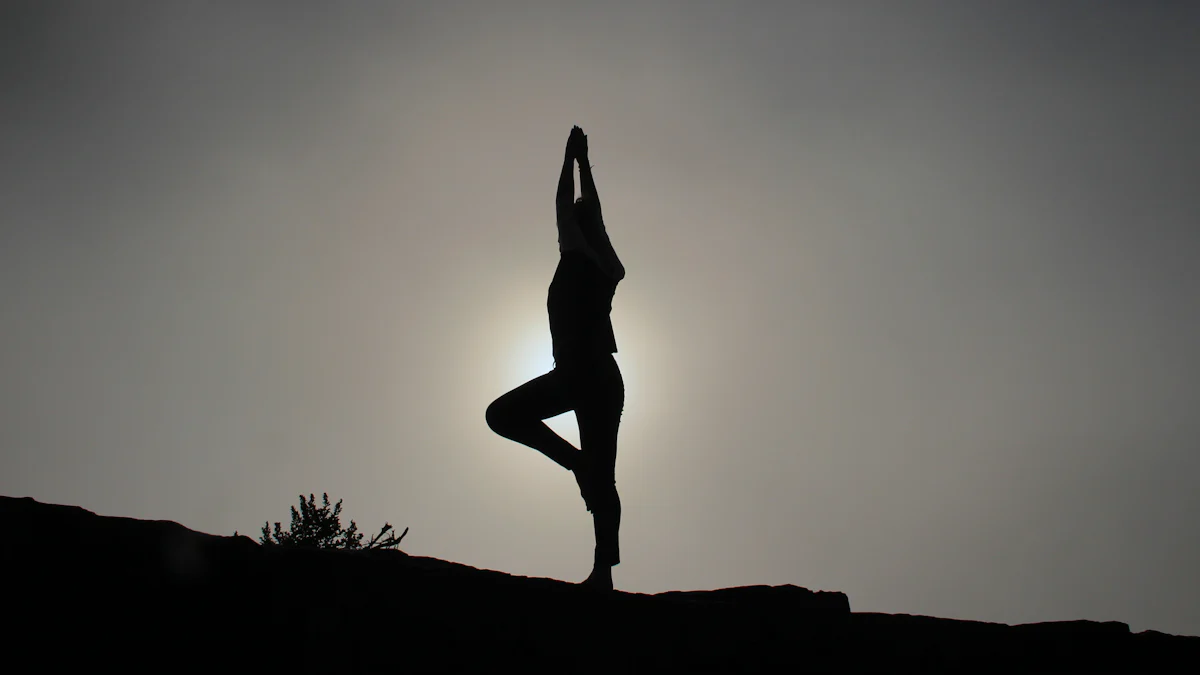
Hatha Yoga offers a gateway to understanding the profound connection between body and mind. As you delve into this practice, you will discover its roots in ancient traditions that have evolved over centuries. The popularity of yoga hatha has surged globally, with millions embracing its benefits. In 2020, 55.1 million Americans practised yoga, marking a significant rise from previous years. This growth reflects a broader trend, as more individuals seek the health benefits associated with Hatha Yoga. Understanding its definition and advantages can enhance your well-being and enrich your life.
What is Hatha Yoga?

Definition and Origin
Hatha Yoga, a term derived from the Sanskrit words 'Ha' meaning sun and 'Tha' meaning moon, symbolises the balance of opposing forces. This practice aims to harmonise the body and mind, creating a state of equilibrium. The origins of yoga hatha can be traced back to ancient yogic traditions. Patanjali, a revered sage, laid the groundwork for this practice in his Yoga Sutras around the 2nd century BCE. Over time, the teachings evolved, with significant contributions from texts like the Amṛtasiddhi and the Dattatreya Yoga Śastra in the 11th century. These texts described various techniques and philosophies that form the foundation of modern Hatha Yoga.
The historical journey of yoga hatha continued with the compilation of the Hatha Yoga Pradipika by Swami Swatmarama in the 15th century. This text outlined a six-limb path to achieve Samadhi, a state of meditative consciousness. The influence of Tantric Buddhist traditions also played a crucial role in shaping Hatha Yoga, as seen in the Gheranda Samhita and the Shiva Samhita. These ancient scriptures provided a comprehensive guide to the physical and spiritual aspects of the practice.
Core Principles
Hatha Yoga encompasses several core principles that guide practitioners towards holistic well-being.
Physical postures (Asanas)
The practice of asanas, or physical postures, forms the backbone of yoga hatha. These postures aim to enhance flexibility, strength, and balance. By engaging in various poses, you can improve your physical fitness and posture. Asanas like the Downward-Facing Dog and Standing Forward Bend are well-known examples that help in stretching and toning muscles.
Breath control (Pranayama)
Pranayama, or breath control, is another vital component of Hatha Yoga. This practice involves regulating your breathing patterns to increase lung capacity and improve respiratory function. By mastering pranayama, you can achieve a state of calmness and mental clarity. Controlled breathing also aids in reducing stress and anxiety, promoting overall mental well-being.
Meditation and relaxation
Meditation and relaxation techniques in yoga hatha focus on calming the mind and achieving inner peace. Through meditation, you can cultivate mindfulness and enhance your concentration. Relaxation practices, such as guided visualisation and progressive muscle relaxation, help release tension and promote a sense of tranquillity. These techniques prepare you for deeper meditation and spiritual growth.
By understanding the definition, origin, and core principles of Hatha Yoga, you can embark on a transformative journey towards physical and mental harmony. Embracing this practice allows you to explore the profound connection between body and mind, enriching your life with its numerous benefits.
History of Hatha Yoga
Ancient Roots
Early texts and scriptures
Hatha Yoga's origins are deeply rooted in ancient traditions. You can trace its beginnings back to the teachings of the *Buddhist and Hindu saint Matsyendranath* and his disciple Gorakhnath. These legendary figures played a pivotal role in shaping the early practices of Hatha Yoga. The foundational texts, such as Patanjali’s Yoga Sutras, written around 400 AD, laid the groundwork for understanding yoga's philosophical aspects. This series of 196 aphorisms in Sanskrit provides insights into the mental and spiritual dimensions of yoga.
From about 500 AD to 1500 AD, several key scriptures emerged, further enriching the practice. Notable among these are the Goraksasatakam, the Gheranda Samhita, and the Hatha Yoga Pradipika. These texts offered detailed instructions on physical postures, breath control, and meditation techniques. They served as comprehensive guides for practitioners seeking to achieve physical and spiritual harmony.
Evolution over centuries
Over the centuries, Hatha Yoga evolved significantly. You can observe its transformation as it absorbed influences from various cultural and spiritual traditions. The practice expanded beyond its initial focus on physical postures to encompass a holistic approach to well-being. This evolution allowed Hatha Yoga to adapt to the changing needs of practitioners across different eras.
Modern Development
Influence of Western culture
In recent times, Western culture has profoundly influenced the development of Hatha Yoga. As you explore its modern journey, you'll notice how Western interest in Eastern philosophies led to the global spread of yoga. This cultural exchange introduced new perspectives and practices, enriching the traditional teachings of Hatha Yoga. Western practitioners embraced yoga not only as a physical exercise but also as a means to achieve mental clarity and emotional balance.
Popularity in contemporary yoga
Today, Hatha Yoga enjoys immense popularity in contemporary yoga circles. Its emphasis on physical postures and breath control resonates with individuals seeking a balanced lifestyle. You can find Hatha Yoga classes in studios and gyms worldwide, catering to diverse audiences. The practice's adaptability and accessibility make it an ideal choice for beginners and seasoned yogis alike. As you engage with Hatha Yoga, you become part of a global community that values health, mindfulness, and personal growth.
Health Benefits of Hatha Yoga
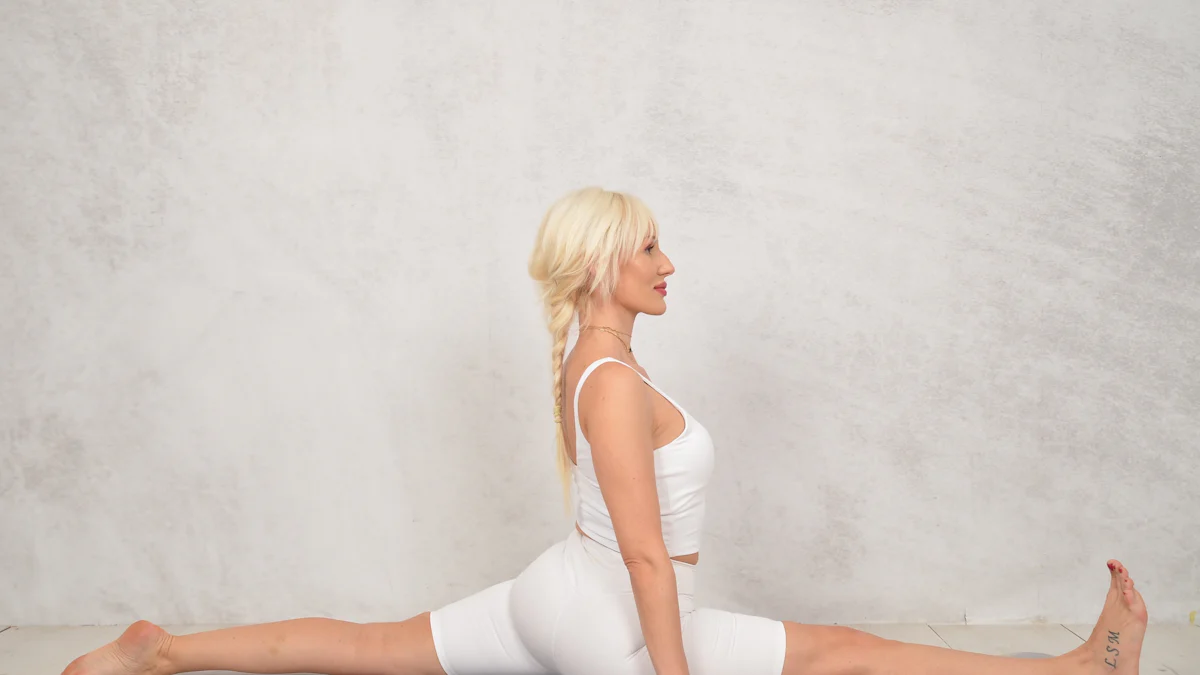
Physical Benefits
Improved flexibility and strength
When you practise yoga hatha regularly, you will notice significant improvements in your flexibility and strength. The various asanas, or postures, stretch and tone your muscles, enhancing your overall physical fitness. Studies have shown that yoga hatha can increase muscle and joint flexibility, which is essential for maintaining a healthy body. As you engage in these postures, you will also build core strength, which supports good posture and balance. This improvement in physical capabilities not only aids in daily activities but also reduces the risk of injuries.
Enhanced respiratory function
Yoga hatha places a strong emphasis on pranayama, or breath control. By practising controlled breathing techniques, you can enhance your respiratory function. This practice increases lung capacity and improves the efficiency of your breathing. As a result, you will experience better oxygenation of your body, which boosts your energy levels and overall vitality. Regular engagement in pranayama can also help alleviate respiratory issues, making it a valuable practice for those with asthma or other breathing difficulties.
Mental and Emotional Benefits
Stress reduction
One of the most profound benefits of yoga hatha is its ability to reduce stress. By calming the mind and reducing cortisol levels, yoga hatha helps you manage stress more effectively. The combination of physical postures, breath control, and meditation creates a sense of tranquillity and relaxation. This holistic approach allows you to release tension and achieve a state of mental calmness. As you practise yoga hatha, you will find yourself better equipped to handle the challenges of daily life with a clear and focused mind.
Improved focus and concentration
Yoga hatha not only benefits your physical health but also enhances your mental capabilities. The practice of meditation and mindfulness in yoga hatha improves your focus and concentration. By engaging in these techniques, you activate the prefrontal cortex, which is responsible for high-level cognitive abilities. This activation helps you manage stress and enhances your ability to concentrate on tasks. As a result, you will experience improved mental clarity and productivity in both personal and professional settings.
Incorporating yoga hatha into your routine offers a multitude of health benefits. From improved flexibility and strength to enhanced respiratory function, the physical advantages are clear. Additionally, the mental and emotional benefits, such as stress reduction and improved focus, make yoga hatha a comprehensive practice for overall well-being. By embracing this ancient tradition, you can enrich your life and achieve a harmonious balance between body and mind.
Hatha Yoga Practices
Typical Class Structure
When you attend a yoga hatha class, you will experience a structured approach that guides you through various stages of practice. Each class typically follows a sequence designed to prepare your body and mind for the benefits of yoga hatha.
Warm-up exercises
You begin with warm-up exercises to gently awaken your muscles and joints. These exercises increase blood flow and flexibility, reducing the risk of injury. Simple movements like neck rolls, shoulder shrugs, and gentle twists help you transition into more challenging postures. By warming up, you prepare your body for the physical demands of yoga hatha.
Sequence of postures
After warming up, you move into a sequence of postures, or asanas. This part of the class focuses on building strength, flexibility, and balance. You will practise a variety of poses, such as the Warrior, Tree, and Triangle, each targeting different muscle groups. The instructor guides you through each posture, ensuring proper alignment and breathing. This sequence helps you channel vital energy sources, a key aspect of yoga hatha.
Cool down and relaxation
The class concludes with a cool down and relaxation phase. You transition from active postures to calming poses, allowing your body to relax and recover. Techniques like the Corpse Pose and guided meditation help you release tension and achieve a state of tranquillity. This final stage enhances the mental and emotional benefits of yoga hatha, leaving you refreshed and centred.
Variations and Styles
Yoga hatha offers various styles to suit different preferences and fitness levels. You can choose a style that aligns with your goals and abilities, making yoga hatha accessible to everyone.
Gentle Hatha
Gentle Hatha is ideal if you prefer a slower-paced practice. This style emphasises gentle movements and deep breathing, making it suitable for beginners or those seeking a restorative experience. You focus on basic postures and relaxation techniques, promoting flexibility and stress relief. Gentle Hatha provides a nurturing environment for you to explore yoga hatha at your own pace.
Power Hatha
For a more dynamic experience, you might opt for Power Hatha. This style incorporates vigorous sequences and challenging postures to build strength and endurance. You engage in a faster-paced practice that elevates your heart rate and enhances physical fitness. Power Hatha combines the principles of yoga hatha with an energetic approach, offering a comprehensive workout for body and mind.
By exploring the typical class structure and variations of yoga hatha, you can find a practice that resonates with your needs. Whether you seek relaxation or a physical challenge, yoga hatha provides a versatile and enriching experience. Embrace the journey and discover the transformative power of this ancient tradition.
Who Should Practice Hatha Yoga?
Suitable for Beginners
Hatha Yoga serves as an excellent starting point for beginners. You will find it accessible and adaptable, making it easy to incorporate into your lifestyle. The gentle pace and focus on foundational postures allow you to learn at your own speed. You can modify poses to suit your flexibility and strength levels, ensuring a comfortable practice.
Accessibility and Adaptability
Yoga hatha offers a welcoming environment for newcomers. You can adapt the poses to match your physical capabilities. This adaptability ensures that you can participate regardless of your fitness level. Instructors often provide variations of each posture, allowing you to choose the version that feels right for you. This flexibility makes yoga hatha an inclusive practice, encouraging everyone to join.
Building a Foundation for Other Yoga Styles
By practising yoga hatha, you build a solid foundation for exploring other yoga styles. The emphasis on alignment and breath control equips you with essential skills. As you become more confident, you can transition to more advanced practices. Yoga hatha prepares you for this journey, offering a comprehensive introduction to the world of yoga.
Considerations for Specific Conditions
Yoga hatha also caters to individuals with specific health conditions. You can benefit from modifications that accommodate injuries or chronic ailments. This approach ensures that you practise safely and effectively, enhancing your well-being.
Modifications for Injuries
If you have injuries, yoga hatha provides modifications to support your recovery. You can adjust poses to avoid strain on affected areas. Instructors guide you in using props like blocks and straps, which aid in maintaining proper alignment. This careful approach allows you to enjoy the benefits of yoga hatha while protecting your body.
Benefits for Chronic Conditions
Yoga hatha offers significant advantages for those with chronic conditions. Regular practice can alleviate symptoms and improve quality of life. You may experience reduced pain and increased mobility. The focus on breath control and relaxation techniques helps manage stress, which often exacerbates chronic issues. By incorporating yoga hatha into your routine, you can enhance your overall health and vitality.
In summary, yoga hatha is suitable for a wide range of individuals. Whether you are a beginner or have specific health considerations, this practice offers numerous benefits. By engaging with yoga hatha, you embark on a journey towards improved physical and mental well-being.
You have explored the essence of yoga hatha, a practice that harmonises the body and mind. By engaging in yoga hatha, you can enhance flexibility, improve sleep, and reduce stress. This practice not only strengthens your body but also fosters mindfulness and emotional balance. As you delve deeper into yoga hatha, you will discover its potential to boost cardiovascular fitness and manage chronic conditions. Embrace this journey towards well-being and personal growth. Begin your exploration of yoga hatha today and experience its transformative benefits.
See Also
Deciphering the Explanatory Essence of Yoga Asana Titles
Revealing the Historic Beginnings of Yoga
Exploring Yoga Hub Brixton: Your Route to Wellbeing

Hi my name is Lia and i am your host in this yoga journey in Portugal, Subscribe to our newsletter to receive every week the best of Yoga in Portugal.

We bring back the importance of initiation into womanhood by Roos-Veerle Krijnen & Ella-June Henrard
Welcome to the Women’s Initiation Retreat by Naked Truth Retreats, a transformative journey into the depths of your True Feminine Nature. This retreat invites you to remember the sacredness and wholeness of your being.
Roos-Veerle Krijnen & Ella-June Henrard