Understanding Hatha Yoga Basics


Hatha Yoga offers a path to balance and harmony. It combines physical postures, breathing techniques, and meditation. Understanding the basics of Hatha Yoga is crucial. It helps you connect with your body and mind. In 2020, 55.1 million Americans practiced yoga, showing a significant rise from previous years. This growth highlights the importance of grasping the fundamentals. When you learn the hatha yoga definition, you gain insight into its benefits. Practicing Hatha Yoga can improve your physical and mental health, fostering a positive self-image.
What is Hatha Yoga?
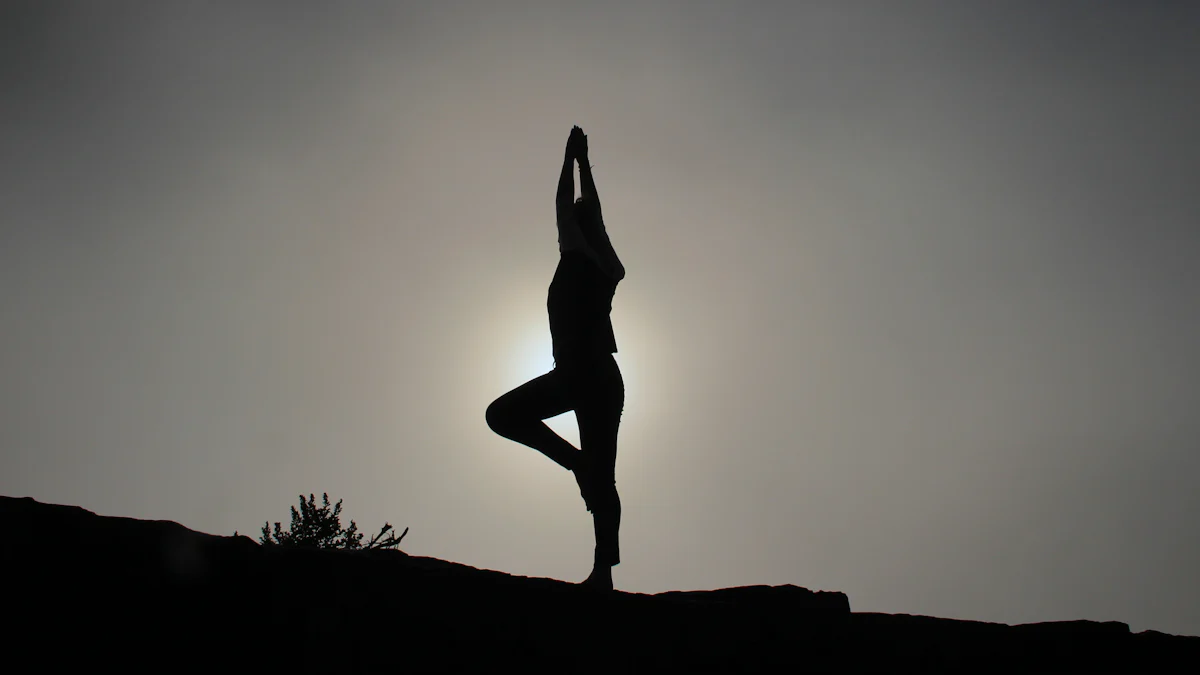
Hatha Yoga Definition and Origin
Hatha Yoga, often referred to as the "yoga of force," emphasizes physical strength and discipline. The hatha yoga definition encompasses a practice that seeks to balance the opposing forces within you, symbolized by the sun (ha) and the moon (tha). This balance is achieved through a combination of physical postures, breathing techniques, and meditation.
Historical Background
The origins of Hatha Yoga can be traced back to at least the 1st-century CE. It was further developed between the 13th and 18th centuries, focusing on fortifying the body against decay through purification rituals. Patanjali Maharishi described the conception of Hatha Yoga around 400 AD as consisting of eight limbs, which laid the foundation for modern practices. These historical developments highlight the enduring significance of Hatha Yoga in promoting physical and mental well-being.
Key Principles
Hatha Yoga is grounded in several key principles that guide its practice. These include:
Balance: Achieving harmony between the physical and mental aspects of your being.
Discipline: Cultivating a determined approach to mastering the body and mind.
Purification: Engaging in practices that cleanse and strengthen the body.
These principles form the core of Hatha Yoga, helping you connect with your inner self.
Core Components
Hatha Yoga consists of several core components that work together to enhance your overall well-being.
Asanas (Postures)
Asanas, or physical postures, are central to Hatha Yoga. They help improve flexibility, strength, and balance. Each posture is designed to target specific areas of the body, promoting physical health and vitality. Regular practice of asanas can lead to increased body awareness and a deeper connection with your physical self.
Pranayama (Breathing Techniques)
Pranayama involves controlled breathing techniques that regulate the flow of energy within your body. By practicing pranayama, you can enhance your lung capacity, reduce stress, and improve concentration. These techniques are essential for maintaining the balance of energy, or prana, which is vital for overall health.
Meditation and Samadhi
Meditation is a crucial component of Hatha Yoga, guiding you toward a state of deep relaxation and inner peace. Through meditation, you can achieve samadhi, a state of complete absorption and unity with the self. This practice fosters spiritual growth and awareness, allowing you to transcend the limitations of the physical world.
The Philosophy Behind Hatha Yoga
Hatha Yoga is more than just a series of physical exercises. It embodies a profound philosophy that seeks to unite the mind and body, leading to spiritual growth and self-realization. This practice, often referred to as the "yoga of force," emphasizes the mastery of the body as a pathway to achieving a higher state of consciousness. By understanding the hatha yoga definition, you can appreciate its role in fostering a balanced and harmonious life.
The Mind-Body Connection
The connection between the mind and body is central to the hatha yoga definition. This practice teaches you how to use your body and mind for self-realization, encouraging a deeper awareness of your inner self.
Balancing the Physical and Mental
Hatha Yoga aims to balance the physical and mental aspects of your being. By practicing physical postures (asanas) and breathing exercises (pranayama), you can achieve a state of equilibrium. This balance helps you withdraw your mind from external distractions, allowing you to focus on your inner world. The discipline of Hatha Yoga encourages you to be firm in your goals, both on and off the mat, while embracing your true self.
Spiritual Growth and Awareness
Spiritual growth is a key component of the hatha yoga definition. Through meditation and mindfulness, Hatha Yoga guides you toward a state of spiritual perfection. This practice helps you transcend the limitations of the physical world, fostering a sense of unity with the self. By cultivating awareness and focusing on your breath, you can deepen your connection with your spiritual essence.
The Role of Energy (Prana)
Energy, or prana, plays a vital role in the hatha yoga definition. This practice involves techniques that preserve and channel vital force within your body, promoting overall well-being.
Understanding Prana
Prana is the life force that flows through your body, sustaining your physical and mental health. Hatha Yoga teaches you how to regulate this energy through controlled breathing techniques. By mastering pranayama, you can enhance your lung capacity, reduce stress, and improve concentration. Understanding prana is essential for maintaining the balance of energy within your body.
Chakras and Energy Flow
Chakras are energy centers within your body that influence your physical and emotional health. Hatha Yoga focuses on aligning these chakras to ensure a smooth flow of energy. By practicing asanas and pranayama, you can activate and balance your chakras, promoting harmony and vitality. This alignment helps you achieve a state of unified consciousness, which is the ultimate goal of Hatha Yoga.
Benefits of Practicing Hatha Yoga
Engaging in Hatha Yoga offers numerous benefits that enhance both your physical and mental well-being. By understanding the hatha yoga definition, you can appreciate how this practice contributes to a healthier lifestyle.
Physical Benefits
Flexibility and Strength
Hatha Yoga significantly improves your flexibility and strength. Regular practice of asanas, or postures, stretches and strengthens your muscles. A 2015 study found that Chinese adults experienced enhanced muscle strength and flexibility after just 12 weeks of Hatha Yoga practice. This improvement helps you perform daily activities with ease and reduces the risk of injury.
Improved Posture and Balance
Practicing Hatha Yoga enhances your posture and balance. The 2008 review highlighted that yoga can prevent and manage lower back pain by correcting spinal imbalances and strengthening core muscles. Additionally, a 2016 study showed that just 21 days of Hatha Yoga training improved participants' core muscle strength and balance. These benefits contribute to better alignment and stability in your body.
Mental and Emotional Benefits
Stress Reduction
Hatha Yoga is an effective tool for reducing stress. A 2017 study revealed that individuals who practiced Hatha Yoga before facing a stressful task had lower blood pressure and cortisol levels compared to those who watched TV. This practice also boosts your confidence in handling stress. By incorporating Hatha Yoga into your routine, you can experience a calmer and more relaxed state of mind.
Enhanced Focus and Clarity
Regular Hatha Yoga practice sharpens your focus and clarity. The 2016 meta-analysis provided preliminary support for Hatha Yoga as a treatment for anxiety, showing that it can boost serotonin and gamma-aminobutyric acid, the "feel good" neurotransmitters. This enhancement in mental clarity allows you to concentrate better on tasks and make more informed decisions.
Incorporating Hatha Yoga into your life not only aligns with the hatha yoga definition of achieving balance but also enriches your physical and mental health. By practicing regularly, you can enjoy these benefits and lead a more harmonious life.
What to Expect in a Hatha Yoga Class
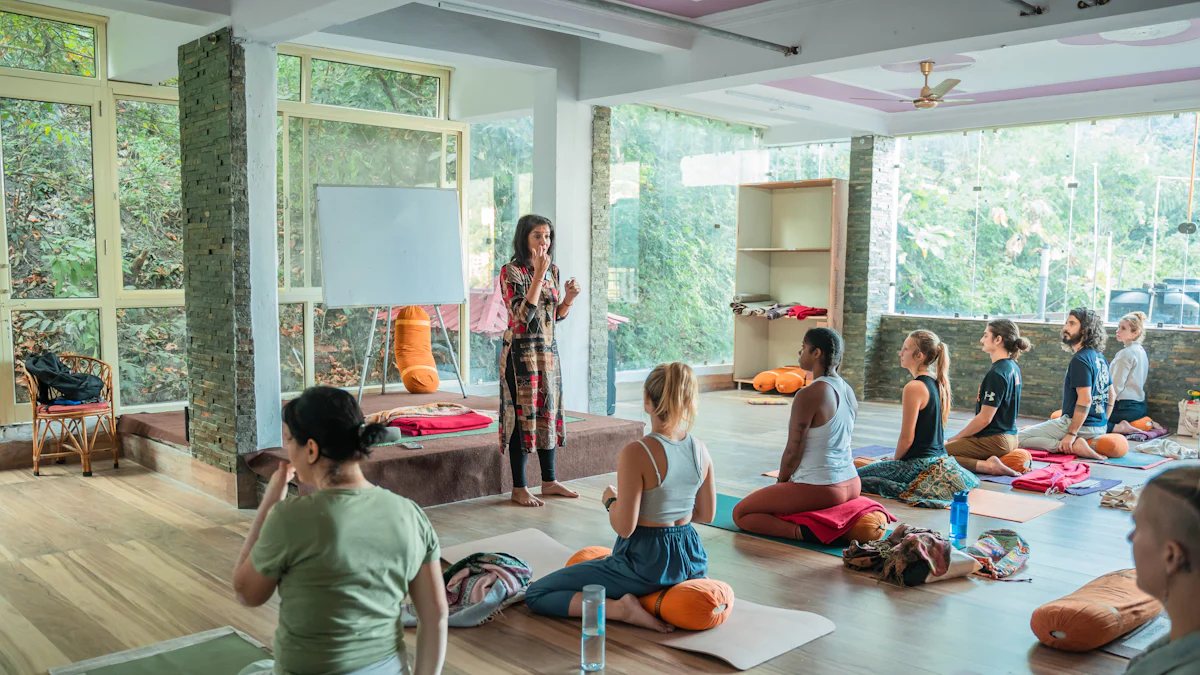
Class Structure
When you attend a Hatha Yoga class, you can expect a structured environment that guides you through various stages of practice. Each class typically follows a consistent format to ensure a comprehensive experience.
Warm-up and Preparation
The class begins with a warm-up session. This phase prepares your body for the physical postures ahead. You engage in gentle stretches and movements to increase blood flow and flexibility. This preparation helps prevent injuries and enhances your overall performance during the session.
Sequence of Asanas
After warming up, the instructor leads you through a sequence of asanas, or postures. These postures vary in difficulty and target different areas of the body. The instructor demonstrates each pose and provides guidance on proper alignment and breathing. You move through the sequence at a steady pace, allowing time to focus on each posture's benefits. This structured approach ensures a balanced workout that promotes strength, flexibility, and mental clarity.
Tips for Beginners
Starting your Hatha Yoga journey can feel overwhelming, but with the right guidance, you can ease into the practice smoothly. Here are some tips to help you get started.
Choosing the Right Class
Selecting the appropriate class is crucial for beginners. Look for classes labeled as "beginner" or "gentle." These classes focus on foundational postures and techniques, making them ideal for newcomers. You can also speak with the instructor beforehand to discuss any concerns or limitations you may have. This communication ensures you find a class that matches your needs and abilities.
Essential Gear and Attire
Proper gear and attire enhance your yoga experience. Wear comfortable, breathable clothing that allows for a full range of motion. A yoga mat provides cushioning and stability during postures. Some studios offer mats for use, but having your own ensures cleanliness and comfort. Additionally, consider bringing a water bottle to stay hydrated throughout the class.
Testimonial:
"I started Hatha yoga in April 2018. My journey so far has been only amazing. I practice angamardana, surya kriya, and surya sakti. I do either one every day. Some days rarely I skip."
This personal account highlights the transformative power of regular practice. By incorporating these tips and understanding what to expect, you can embark on your Hatha Yoga journey with confidence and enthusiasm.
How to Incorporate Hatha Yoga into Daily Life
Creating a Home Practice
Setting Up a Practice Space
Creating a dedicated space for your Hatha Yoga practice at home can enhance your experience. Choose a quiet area with enough room to move freely. A clean and clutter-free environment helps you focus better. Consider adding elements like a yoga mat, cushions, or a small altar with items that inspire you. Natural light and fresh air can also contribute to a calming atmosphere. This space becomes your sanctuary, where you can connect with your inner self.
Developing a Routine
Establishing a routine is key to integrating Hatha Yoga into your daily life. Start by setting aside a specific time each day for your practice. Consistency helps build discipline and makes yoga a natural part of your routine. Begin with short sessions and gradually increase the duration as you become more comfortable. You might start with 10-15 minutes of asanas, followed by pranayama and meditation. This structured approach ensures you cover all aspects of Hatha Yoga, promoting balance and well-being.
Integrating Yoga Principles
Mindfulness in Daily Activities
Hatha Yoga teaches you to be present and mindful. You can apply this principle to your daily activities. Focus on your breath and movements as you go about your day. Whether you're walking, eating, or working, bring awareness to each action. This practice helps reduce stress and enhances your overall quality of life. By being mindful, you cultivate a deeper connection with yourself and the world around you.
Maintaining Consistency
Consistency is crucial for reaping the benefits of Hatha Yoga. Make a commitment to practice regularly, even if it's just a few minutes each day. Set realistic goals and track your progress. Celebrate small achievements to stay motivated. Remember, the journey of yoga is personal and unique to each individual. As one practitioner discovered at age 65, integrating yoga into daily life can deepen your practice and enrich your spiritual journey. By maintaining consistency, you create a foundation for lasting transformation.
Understanding the basics of Hatha Yoga opens a gateway to numerous benefits. This practice enhances your physical and mental well-being through balance and mindfulness. Regular practice can improve flexibility, strength, and mental clarity. It also fosters a healthier immune system by reducing stress levels. As you explore Hatha Yoga, you will find it a more energy-efficient way to achieve meaningful physiological benefits. Embrace this journey with enthusiasm. Let it guide you toward a more harmonious and mindful life. Start today and experience the transformative power of Hatha Yoga.
See Also
Review of Hello Kitty Yoga Mat: An Adorable Practice Enhancement
Best 10 Styles of Yoga Pants for Women in 2024
Reasons Yoga Pants Are the Latest Denim Alternative

Hi my name is Lia and i am your host in this yoga journey in Portugal, Subscribe to our newsletter to receive every week the best of Yoga in Portugal.

We bring back the importance of initiation into womanhood by Roos-Veerle Krijnen & Ella-June Henrard
Welcome to the Women’s Initiation Retreat by Naked Truth Retreats, a transformative journey into the depths of your True Feminine Nature. This retreat invites you to remember the sacredness and wholeness of your being.
Roos-Veerle Krijnen & Ella-June Henrard