Understanding Hatha Yoga and Its Basic Principles


Hatha Yoga, a practice that emphasizes physical postures and breathing techniques, offers a path to balance the body and mind. You might wonder, what is Hatha Yoga? It is a journey toward harmony, integrating physical and spiritual aspects. Understanding its principles can transform your life. In the UK, 28% of yoga practitioners choose Hatha Yoga, highlighting its popularity. Globally, 300 million people practice yoga, experiencing benefits like improved flexibility and strength. By exploring Hatha Yoga, you can enhance your well-being and achieve a state of relaxation and mindfulness.
Definition and Overview of Hatha Yoga
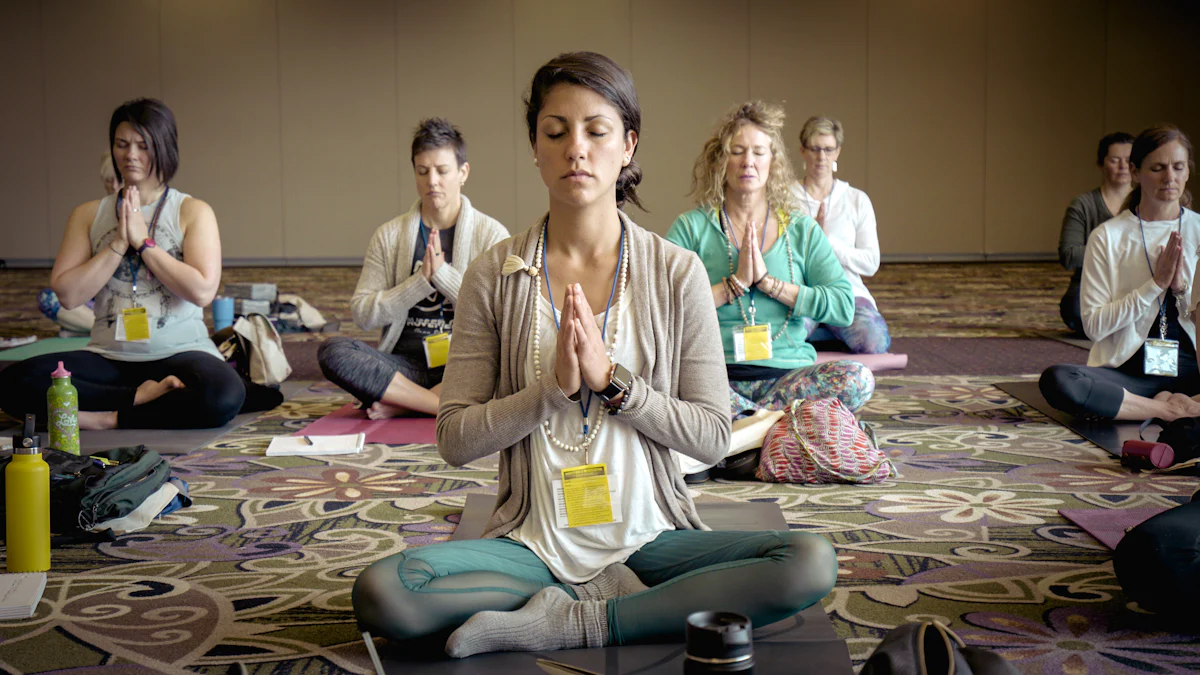
What is Hatha Yoga?
Hatha Yoga represents a traditional form of yoga that emphasizes physical postures and breathing techniques. You might ask, what is Hatha Yoga? It is a practice that seeks to balance the body and mind, often symbolized by the sun ('Ha') and moon ('Tha'). This balance aims to harmonize your physical and spiritual selves, creating a path toward inner peace and well-being.
Origin and Meaning
The origins of Hatha Yoga trace back to ancient India. The term "Hatha" combines two Sanskrit words: "Ha," meaning sun, and "Tha," meaning moon. This duality reflects the practice's goal of uniting opposites within you, such as strength and flexibility or effort and surrender. Hatha Yoga serves as a foundation for many other yoga styles, offering a comprehensive approach to physical and spiritual growth.
Distinction from Other Yoga Types
Hatha Yoga differs from other yoga types through its focus on physical postures (asanas) and breath control (pranayama). While other styles, like Vinyasa or Ashtanga, emphasize flow and speed, Hatha Yoga encourages a slower pace. This allows you to hold poses longer, deepening your awareness and connection to each movement. By practicing Hatha Yoga, you cultivate mindfulness and presence, setting it apart from more dynamic forms of yoga.
Historical Context
Understanding the historical context of Hatha Yoga enriches your practice. This ancient discipline has evolved over centuries, influenced by various cultures and spiritual traditions.
Evolution of Hatha Yoga
Hatha Yoga's roots extend back to the 1st century CE, with references found in Hinduism and Buddhism texts. These early mentions highlight its significance in spiritual practices. The 15th-century text, the Hatha Yoga Pradipika, written by Swami Swatmarama, serves as a foundational guide for Hatha Yoga practice. This influential work outlines key principles and techniques, shaping the way Hatha Yoga is practiced today.
Key Figures in Hatha Yoga History
Several key figures have played pivotal roles in the development and spread of Hatha Yoga. Swami Vivekananda introduced yoga to the West at the World Parliament of Religions in Chicago in 1893. His efforts helped popularize Hatha Yoga beyond India, making it accessible to a global audience. Additionally, British photographers in the late 18th century published photos of monks performing challenging postures. These images captured the imagination of the Western world, contributing to Hatha Yoga's breakthrough in the West.
By exploring what is Hatha Yoga and its historical context, you gain a deeper appreciation for this ancient practice. Its rich history and foundational principles continue to inspire millions worldwide, guiding them toward a balanced and harmonious life.
Core Principles of Hatha Yoga
Physical Postures (Asanas)
Physical postures, known as asanas, form the backbone of what is Hatha Yoga. These postures are not just exercises; they are a way to align your body and mind. Asanas help you build strength, flexibility, and balance. They also prepare your body for meditation by reducing physical tension and calming your mind.
Importance of Asanas
The importance of asanas in Hatha Yoga cannot be overstated. They serve as a tool to enhance your physical health and mental clarity. Regular practice of asanas can improve your posture, increase your range of motion, and boost your overall well-being. Studies have shown that Hatha Yoga can significantly improve executive functions, such as decision-making and problem-solving, in various populations. By practicing asanas, you cultivate discipline and focus, which are essential for personal growth.
Common Asanas in Hatha Yoga
In Hatha Yoga, you will encounter several common asanas that form the foundation of your practice. Some of these include:
Mountain Pose (Tadasana): This pose helps you develop stability and grounding.
Downward-Facing Dog (Adho Mukha Svanasana): It stretches your entire body and strengthens your arms and legs.
Warrior Pose (Virabhadrasana): This pose builds strength and endurance while enhancing concentration.
These asanas, among others, guide you toward a deeper understanding of what is Hatha Yoga and its transformative power.
Breathing Techniques (Pranayama)
Breathing techniques, or pranayama, play a crucial role in Hatha Yoga. Pranayama involves controlling your breath to enhance your physical and mental health. It serves as a bridge between your body and mind, helping you achieve a state of balance and harmony.
Role of Pranayama in Hatha Yoga
In Hatha Yoga, pranayama is essential for regulating your energy flow. By practicing pranayama, you can calm your mind, reduce stress, and improve your concentration. It also enhances your lung capacity and oxygenates your body, promoting overall health. Pranayama is a vital component of what is Hatha Yoga, as it helps you connect with your inner self and achieve a state of mindfulness.
Basic Pranayama Practices
To begin your journey with pranayama, you can start with some basic practices:
Ujjayi Breath: This technique involves breathing deeply through your nose while constricting your throat slightly. It creates a soothing sound and helps you focus.
Nadi Shodhana (Alternate Nostril Breathing): This practice balances your energy channels and calms your nervous system.
Kapalabhati (Skull Shining Breath): It involves rapid exhalations and passive inhalations, energizing your body and clearing your mind.
These pranayama practices are integral to understanding what is Hatha Yoga and its holistic approach to well-being.
Meditation and Mindfulness
Meditation and mindfulness are key components of Hatha Yoga. They help you cultivate awareness and presence, allowing you to live in the moment and appreciate the beauty of life.
Integrating Meditation in Practice
Integrating meditation into your Hatha Yoga practice enhances your ability to focus and relax. Meditation involves sitting quietly and observing your thoughts without judgment. It helps you develop a deeper connection with yourself and the world around you. By incorporating meditation into your routine, you can experience the full benefits of what is Hatha Yoga.
Benefits of Mindfulness in Hatha Yoga
Mindfulness, a state of active attention to the present moment, offers numerous benefits in Hatha Yoga. It reduces stress, improves emotional regulation, and enhances your overall quality of life. Scientific studies confirm that mindfulness can increase your resilience and improve your mental health. By practicing mindfulness, you can fully embrace what is Hatha Yoga and its potential to transform your life.
Practical Applications of Hatha Yoga

Hatha Yoga offers numerous practical applications that can enhance your daily life. By understanding what is Hatha Yoga, you can unlock its potential to improve both your physical and mental well-being.
Health Benefits
Physical Health Improvements
Hatha Yoga significantly boosts your physical health. Regular practice enhances your balance, flexibility, and core muscle strength. Studies show that a 10-session Hatha Yoga training can lead to noticeable improvements in these areas. You will find that your musculoskeletal and cardiopulmonary functions also benefit from consistent practice. This form of yoga not only strengthens your body but also conditions it aerobically, making it a comprehensive workout.
Mental Health Benefits
The mental health benefits of Hatha Yoga are equally profound. Engaging in this practice helps reduce stress and anxiety, promoting a sense of calm and relaxation. By focusing on what is Hatha Yoga, you cultivate mindfulness and presence, which are essential for mental clarity. The breathing techniques and meditation aspects of Hatha Yoga enhance your emotional regulation, leading to improved mental resilience and overall well-being.
Incorporating Hatha Yoga into Daily Life
Creating a Routine
Incorporating Hatha Yoga into your daily routine can transform your lifestyle. Start by setting aside a specific time each day for your practice. Consistency is key. Whether you choose morning or evening sessions, make it a habit. Begin with simple asanas and gradually introduce more complex poses as you become comfortable. Remember, the goal is to create a balanced routine that integrates physical postures, breathing exercises, and meditation.
Tips for Beginners
If you're new to Hatha Yoga, here are some tips to get you started:
Start Slow: Begin with basic poses and gradually progress to more challenging ones.
Focus on Breath: Pay attention to your breathing. It connects your body and mind.
Listen to Your Body: Avoid pushing yourself too hard. Respect your limits.
Seek Guidance: Consider joining a class or using online resources to learn proper techniques.
By following these tips, you will gain a deeper understanding of what is Hatha Yoga and how it can enrich your life. Embrace the journey, and let Hatha Yoga guide you toward a healthier, more balanced existence.
Challenges and Misconceptions
Common Challenges in Practice
Physical Limitations
When you start practicing Hatha Yoga, you might encounter physical limitations. These can include stiffness, lack of flexibility, or previous injuries. It's important to remember that yoga is a personal journey. You should listen to your body and respect its boundaries. Over time, with consistent practice, you will notice improvements in your flexibility and strength. The key is patience and persistence.
Mental Barriers
Mental barriers often pose significant challenges in Hatha Yoga. You might find it difficult to quiet your mind or focus during practice. This is a common experience, especially if you're new to yoga. One practitioner shared how Hatha Yoga helped them find solace after a difficult breakup. The slower pace allowed them to be still and begin healing. This illustrates how overcoming mental barriers can lead to personal growth and emotional healing. By practicing mindfulness and meditation, you can gradually overcome these mental hurdles.
Misconceptions about Hatha Yoga
Myths vs. Reality
Many misconceptions surround Hatha Yoga. Some people believe it's only about physical postures. However, Hatha Yoga encompasses much more. It integrates breathing techniques, meditation, and mindfulness. These elements work together to create a holistic practice that benefits both body and mind. Another myth is that Hatha Yoga is too slow or easy. In reality, the slower pace allows for deeper exploration of each posture, enhancing your awareness and connection to your body.
Addressing Common Misunderstandings
Addressing misunderstandings about Hatha Yoga can enrich your practice. One reflection highlights that Hatha Yoga goes beyond poses; it influences how we live our lives. It encourages you to be firm in your goals while embracing your true self. This insight reveals yoga's greatest gift: finding peace with who you are and your role in the world. By understanding these deeper aspects, you can appreciate the transformative power of Hatha Yoga and integrate its principles into your daily life.
Resources for Further Learning
Books and Literature
Recommended Reading
To deepen your understanding of Hatha Yoga, consider exploring some insightful books. These texts offer valuable perspectives and practical guidance:
"Light on Yoga" by B.K.S. Iyengar: This classic book provides comprehensive instructions on yoga postures and breathing techniques. Iyengar's detailed explanations make it an essential read for both beginners and experienced practitioners.
"The Heart of Yoga: Developing a Personal Practice" by T.K.V. Desikachar: This book emphasizes the importance of adapting yoga to individual needs. Desikachar's approach encourages you to develop a personal practice that suits your lifestyle and goals.
"Hatha Yoga Pradipika" by Swami Swatmarama: As one of the oldest surviving texts on Hatha Yoga, this book offers foundational knowledge about the practice. It covers essential principles and techniques that have shaped Hatha Yoga over centuries.
Authors to Explore
Several authors have made significant contributions to the field of Hatha Yoga. Their works provide diverse insights and approaches:
B.K.S. Iyengar: Known for his precise and detailed teaching style, Iyengar has authored numerous books that delve into the intricacies of yoga practice.
T.K.V. Desikachar: As the son of the renowned yogi Krishnamacharya, Desikachar has written extensively on personalized yoga practices.
Swami Sivananda: His writings focus on the spiritual aspects of yoga, offering guidance on how to integrate yoga into daily life for holistic well-being.
Online Resources and Communities
Websites and Forums
The internet offers a wealth of resources for learning more about Hatha Yoga. Here are some websites and forums where you can connect with other practitioners and access valuable information:
Yoga Journal: This website features articles, videos, and tutorials on various yoga styles, including Hatha Yoga. It also offers tips for improving your practice and staying motivated.
Reddit Yoga Community: Engage with fellow yoga enthusiasts on Reddit's yoga forum. You can ask questions, share experiences, and find support from a global community.
DoYogaWithMe: This platform provides free online yoga classes, including Hatha Yoga sessions. You can explore different levels and styles to find what suits you best.
Online Classes and Tutorials
For those who prefer guided instruction, online classes and tutorials offer convenient options to practice Hatha Yoga at home:
Yoga with Adriene: Adriene Mishler's YouTube channel offers a wide range of yoga videos, including beginner-friendly Hatha Yoga sessions. Her approachable teaching style makes yoga accessible to everyone.
Glo: This subscription-based service provides access to thousands of yoga classes, including Hatha Yoga. You can choose from various instructors and styles to tailor your practice.
Gaia: With a focus on holistic wellness, Gaia offers yoga classes, documentaries, and series on mindfulness and spirituality. Their Hatha Yoga content helps you explore the deeper aspects of the practice.
By exploring these resources, you can expand your knowledge and enhance your Hatha Yoga practice. Whether through books, online communities, or guided classes, these tools empower you to continue your journey toward balance and well-being.
Hatha Yoga offers a holistic approach to achieving balance and harmony in your life. By engaging in physical postures, breathing techniques, and meditation, you can enhance your flexibility, strength, and mental focus. This practice not only improves your physical health but also calms negative emotions, leading to overall well-being. Embrace the journey of Hatha Yoga and explore its transformative power. As you delve deeper into this practice, you will discover a path to inner peace and spiritual growth. Let Hatha Yoga guide you toward a healthier, more balanced existence.
See Also
Exploring the Roots of Isha Yoga
Exploring the World of Yang Yoga
Exploring Vinyasa Yoga for Beginners

Hi my name is Lia and i am your host in this yoga journey in Portugal, Subscribe to our newsletter to receive every week the best of Yoga in Portugal.

We bring back the importance of initiation into womanhood by Roos-Veerle Krijnen & Ella-June Henrard
Welcome to the Women’s Initiation Retreat by Naked Truth Retreats, a transformative journey into the depths of your True Feminine Nature. This retreat invites you to remember the sacredness and wholeness of your being.
Roos-Veerle Krijnen & Ella-June Henrard