Understanding the Key Differences Between Hatha and Vinyasa Yoga

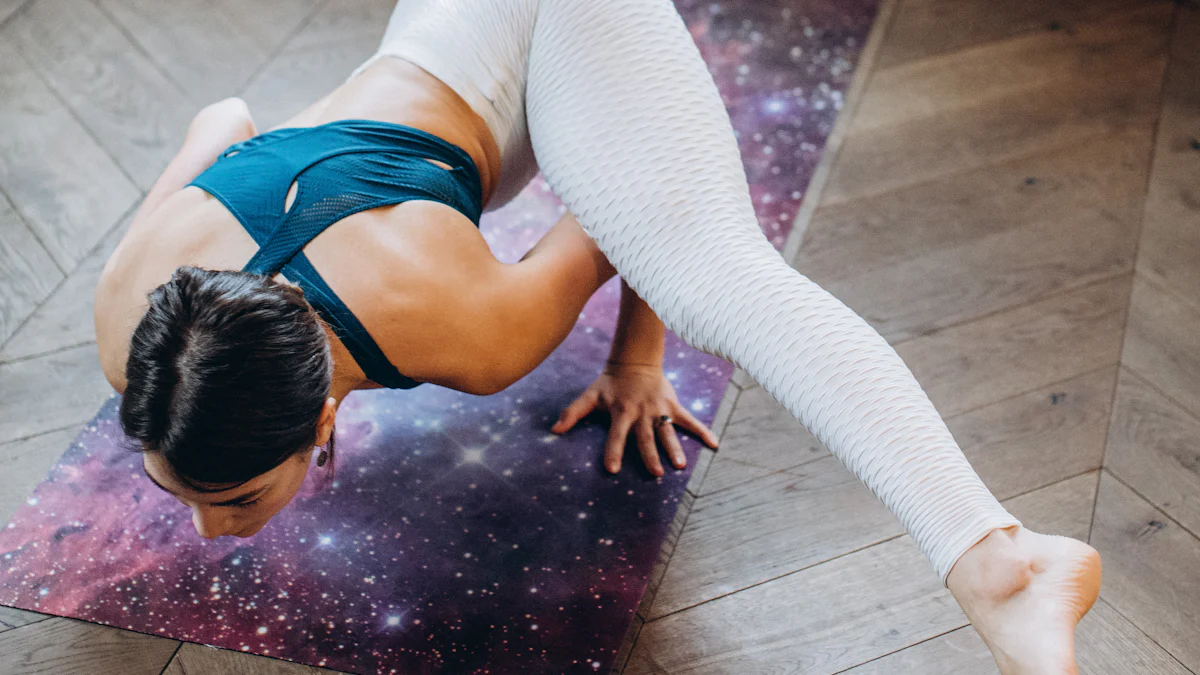
Hatha Vinyasa yoga represents two distinct approaches to practice. Hatha yoga emphasizes mindfulness, focusing on breath and posture. You hold poses for longer durations, creating a steady and reflective experience. In contrast, Vinyasa yoga offers a dynamic flow, linking movements with breath. This style encourages continuous transitions between poses, resulting in a more vigorous workout. Understanding these differences in hatha vinyasa yoga helps you choose the right practice that aligns with your fitness goals and personal preferences.
Key Takeaways
Hatha yoga emphasizes mindfulness and slower-paced movements, making it ideal for those seeking relaxation and stress relief.
Vinyasa yoga offers a dynamic flow, linking breath with movement, which provides a vigorous workout and boosts energy levels.
Both styles are suitable for practitioners of all fitness levels, with Hatha being more accessible for beginners and Vinyasa offering opportunities for progression.
Consider your fitness goals: choose Hatha for improved flexibility and mindfulness, or Vinyasa for strength building and cardiovascular benefits.
Understanding the differences in pace, breath focus, and class structure can help you select the yoga style that best fits your lifestyle and preferences.
Don't be afraid to explore both styles; practicing Hatha and Vinyasa on the same day can provide a balanced experience of mindfulness and energy.
What is Hatha Yoga?
Hatha yoga serves as a foundational practice in the yoga world. It emphasizes mindfulness and encourages you to connect with your breath and body. This style focuses on holding poses for longer durations, allowing you to cultivate awareness and stability.
Characteristics of Hatha Yoga
Hatha yoga features several key characteristics:
Mindfulness: You engage in a meditative state, focusing on your breath and movements.
Posture: The practice includes a variety of poses, each designed to enhance flexibility and strength.
Pacing: Classes typically move at a slower pace, giving you time to explore each pose deeply.
Breath Control: You learn to synchronize your breath with your movements, promoting relaxation and focus.
These elements create a balanced practice that nurtures both the body and mind.
Benefits of Hatha Yoga
Research highlights numerous benefits of Hatha yoga. Practicing regularly can lead to:
Improved Sleep Quality: Hatha yoga can enhance your sleep patterns, helping you feel more rested.
Stress Reduction: Engaging in this practice lowers stress levels and promotes a sense of calm.
Enhanced Mindfulness: You develop greater awareness of your body and thoughts, leading to improved mental clarity.
Increased Flexibility: Regular practice helps you achieve greater flexibility in your muscles and joints.
Strengthened Core: Hatha yoga builds core strength, which supports overall physical health.
These benefits contribute to a healthier lifestyle and improved well-being.
Suitability for Different Fitness Levels
Hatha yoga is suitable for individuals at various fitness levels. Beginners often find it accessible due to its slower pace and focus on foundational postures. You can easily adapt poses to fit your abilities.
For those with more experience, Hatha yoga offers opportunities to deepen your practice. You can explore advanced poses and techniques while maintaining mindfulness.
Overall, Hatha yoga provides a versatile practice that meets the needs of many practitioners, making it an excellent choice for anyone looking to enhance their physical and mental health.
What is Vinyasa Yoga?

Vinyasa yoga offers a dynamic and fluid approach to practice. This style emphasizes the connection between breath and movement. You flow through a series of poses, creating a seamless transition that energizes your body and mind.
Characteristics of Vinyasa Yoga
Vinyasa yoga features several distinct characteristics:
Flowing Movement: You transition smoothly between poses, creating a continuous flow that keeps your heart rate up.
Breath Synchronization: Each movement aligns with your breath, enhancing your focus and mindfulness.
Variety of Poses: Classes often include a diverse range of postures, keeping your practice fresh and engaging.
Dynamic Pace: Vinyasa classes typically move at a quicker pace, challenging your strength and endurance.
These elements combine to create an invigorating practice that promotes both physical and mental well-being.
Benefits of Vinyasa Yoga
Practicing Vinyasa yoga offers numerous benefits. Research shows that this style can:
Improve Energy Levels: You may experience increased vitality and stamina throughout your day.
Promote Relaxation: The rhythmic flow of movement helps calm your mind and reduce stress.
Build Muscle Strength: Engaging in various poses strengthens your muscles and enhances overall fitness.
Enhance Balance: The practice improves your balance and coordination, benefiting daily activities.
Act as a Cardiovascular Workout: Vinyasa yoga provides a light cardiovascular workout, boosting your heart health.
These advantages contribute to a healthier lifestyle and improved quality of life.
Suitability for Different Fitness Levels
Vinyasa yoga accommodates practitioners of all fitness levels. Beginners can benefit from the energetic flow while adapting poses to their abilities. You can start with simpler variations and gradually progress to more challenging postures.
For experienced yogis, Vinyasa offers opportunities to deepen your practice. You can explore advanced sequences and refine your technique. This versatility makes Vinyasa yoga an excellent choice for anyone seeking a dynamic and engaging workout.
Key Differences Between Hatha and Vinyasa Yoga
Pace and Flow
Hatha yoga moves at a slower pace. You hold poses for longer periods, allowing your body to settle into each posture. This approach fosters mindfulness and encourages deep breathing. In contrast, Vinyasa yoga features a faster pace. You transition quickly from one pose to another, creating a dynamic flow. This continuous movement elevates your heart rate and energizes your practice. The difference in pace significantly impacts your experience. If you prefer a steady, reflective practice, Hatha yoga suits you well. If you seek a vigorous workout, Vinyasa yoga may be the better choice.
Focus on Breath
Breath plays a crucial role in both styles, but they emphasize it differently. In Hatha yoga, you use breath to deepen into a pose or relax. This focus allows you to cultivate awareness and connection with your body. Vinyasa yoga, however, synchronizes breath with movement. Each inhale and exhale aligns with your transitions between poses. This fluidity creates a dynamic practice that enhances your focus and mindfulness. Understanding how each style utilizes breath can help you choose the right practice for your needs.
Class Structure and Duration
Class structure and duration also differ between Hatha and Vinyasa yoga. Hatha classes typically last longer, often ranging from 60 to 90 minutes. You spend time exploring each pose, which allows for a thorough understanding of the postures. Vinyasa classes, on the other hand, may vary in length but often last around 60 minutes. These classes focus on flowing through sequences, which keeps the energy high. The structure of each class influences your overall experience. If you enjoy a detailed exploration of poses, Hatha yoga provides that opportunity. If you prefer a more energetic and varied workout, Vinyasa yoga fits the bill.
Physical Intensity
When comparing Hatha and Vinyasa yoga, physical intensity stands out as a significant difference. Hatha yoga offers a gentler approach. You hold poses for longer durations, allowing your body to ease into each posture. This slower pace promotes relaxation and mindfulness. You can expect a more meditative experience that focuses on alignment and breath control.
In contrast, Vinyasa yoga presents a more vigorous workout. You flow continuously from one pose to another, which elevates your heart rate. This dynamic movement requires greater strength and stamina. Each transition links with your breath, creating a rhythm that energizes your practice.
Consider the following points regarding physical intensity:
Hatha Yoga:
Slower pace.
Focus on holding poses.
Suitable for relaxation and stress relief.
Vinyasa Yoga:
Continuous movement between poses.
Builds strength and endurance.
If you prefer a calm and restorative practice, Hatha yoga fits your needs. If you seek a more challenging workout that boosts your energy, Vinyasa yoga may be the better option. Understanding these differences in physical intensity can help you choose the right style for your fitness journey.
Choosing the Right Style for You
Assessing Your Fitness Goals
When you consider your fitness goals, think about what you want to achieve through yoga. Do you seek relaxation and stress relief? Hatha yoga may suit you well. Its slower pace allows you to focus on mindfulness and breath control. You can enjoy a meditative experience while improving flexibility and strength.
If you aim for a more vigorous workout, Vinyasa yoga might be the better choice. This dynamic style emphasizes fluid transitions between poses. You will engage in continuous movement, which elevates your heart rate and builds endurance. Vinyasa yoga also enhances your breathing control, making it an excellent option for those looking to challenge themselves physically.
Considering Your Experience Level
Your experience level plays a crucial role in choosing the right yoga style. If you are a beginner, Hatha yoga offers a gentle introduction. You can learn foundational postures and develop a strong connection with your breath. The slower pace allows you to explore each pose without feeling rushed.
For those with some experience, Vinyasa yoga provides opportunities to deepen your practice. You can start with simpler sequences and gradually progress to more complex flows. This style encourages you to link movements with breath, enhancing your overall experience.
Personal Preferences and Lifestyle
Your personal preferences and lifestyle also influence your choice. Consider how much time you can dedicate to your practice. Hatha classes often last longer, allowing for a thorough exploration of poses. If you prefer a more relaxed approach, this style may fit your schedule better.
On the other hand, if you enjoy a fast-paced environment, Vinyasa yoga aligns with that preference. The dynamic nature of Vinyasa keeps your practice engaging and energizing. You can enjoy a workout that not only strengthens your body but also invigorates your mind.
Ultimately, choosing the right style depends on your unique needs and desires. Reflect on your goals, experience, and lifestyle to find the yoga practice that resonates with you.
Common Misconceptions About Hatha and Vinyasa Yoga
Myths Surrounding Hatha Yoga
Many people hold misconceptions about Hatha yoga. Some believe it lacks intensity and is only for beginners. This idea overlooks the depth and variety within Hatha practice. You can find advanced poses that challenge even seasoned practitioners. Hatha yoga emphasizes mindfulness and breath control, which can enhance your overall strength and flexibility.
Another myth suggests that Hatha yoga is boring or repetitive. In reality, each class can vary significantly. Instructors often introduce new sequences and variations, keeping your practice fresh and engaging. You can explore different themes, such as balance or strength, making each session unique.
Some also think Hatha yoga does not provide physical benefits. However, research shows that it improves flexibility, reduces stress, and enhances mental clarity. You can experience these benefits regardless of your fitness level. Hatha yoga serves as an excellent foundation for anyone looking to deepen their practice.
Myths Surrounding Vinyasa Yoga
Vinyasa yoga also faces its share of myths. One common misconception is that it is only for advanced yogis. While Vinyasa can be vigorous, it accommodates all levels. Beginners can start with simpler flows and gradually build their strength and stamina. Many instructors offer modifications, ensuring you can participate at your own pace.
Another myth claims that Vinyasa yoga lacks mindfulness. In truth, this style emphasizes breath synchronization with movement. Each transition requires focus and awareness, fostering a meditative state. You can cultivate mindfulness while enjoying a dynamic practice.
Some people believe Vinyasa yoga is purely a workout with no spiritual aspect. This notion misses the holistic benefits of the practice. Vinyasa encourages self-discovery and personal growth. You can connect with your body and mind, enhancing your overall well-being.
Understanding these misconceptions helps you appreciate both Hatha and Vinyasa yoga. Each style offers unique benefits and experiences. By exploring both, you can find the practice that resonates with you and supports your fitness journey.
In summary, Hatha and Vinyasa yoga offer unique experiences. Hatha yoga provides a slower, more mindful practice, while Vinyasa yoga emphasizes dynamic movement and flow. Choosing the right style depends on your individual needs and goals. Reflect on what you seek from your practice. Explore both styles to discover which resonates with you. Each offers profound benefits for your body, mind, and spirit.
FAQ
What is the main difference between Hatha and Vinyasa yoga?
Hatha yoga focuses on holding poses for longer durations, promoting mindfulness and stability. Vinyasa yoga emphasizes flowing movements, linking breath with transitions between poses. This creates a more dynamic and energetic practice.
Can beginners practice Hatha and Vinyasa yoga?
Yes, both styles welcome beginners. Hatha yoga offers a gentler introduction, allowing you to learn foundational postures. Vinyasa yoga also accommodates beginners, providing modifications to help you build strength and stamina.
How often should I practice Hatha or Vinyasa yoga?
You can practice either style based on your fitness goals and schedule. Many practitioners find that practicing 2-3 times a week yields significant benefits. Listen to your body and adjust your frequency as needed.
Can I practice Hatha and Vinyasa yoga on the same day?
Absolutely! You can enjoy both styles in one day. Consider starting with Hatha yoga for a mindful, grounding experience. Follow it with a Vinyasa session for an energetic flow that elevates your heart rate.
What should I wear to a Hatha or Vinyasa yoga class?
Wear comfortable, breathable clothing that allows for movement. Choose fabrics that wick away sweat. Avoid overly loose clothing, as it may hinder your ability to see your alignment in poses.
Do I need any special equipment for Hatha or Vinyasa yoga?
A yoga mat is essential for both styles. You may also find props like blocks, straps, and bolsters helpful, especially in Hatha yoga. These tools can enhance your practice by providing support and stability.
How does the environment affect my yoga practice?
The environment can significantly impact your experience. Research shows that practicing yoga outdoors can lower negative feelings and enhance overall well-being. If possible, try practicing in natural settings to enjoy these benefits.
Can I lose weight with Hatha or Vinyasa yoga?
Both styles can contribute to weight loss when combined with a balanced diet. Vinyasa yoga, with its dynamic flow, often provides a more vigorous workout, which can help burn calories. Hatha yoga promotes mindfulness, which can support healthier eating habits.
How do I choose between Hatha and Vinyasa yoga?
Consider your fitness goals, experience level, and personal preferences. If you seek relaxation and mindfulness, Hatha yoga may suit you better. If you prefer a more energetic workout, Vinyasa yoga might be the right choice.
Are there any risks associated with practicing yoga?
Like any physical activity, yoga carries some risks. Always listen to your body and avoid pushing yourself into discomfort. If you have any pre-existing conditions, consult a healthcare professional before starting a new practice.
See Also
Exploring The Distinct Aspects Of Yoga And Qigong
What Are The Differences Between Pilates And Yoga?
Comparing Qigong And Yoga: Key Differences Explained

Hi my name is Lia and i am your host in this yoga journey in Portugal, Subscribe to our newsletter to receive every week the best of Yoga in Portugal.

We bring back the importance of initiation into womanhood by Roos-Veerle Krijnen & Ella-June Henrard
Welcome to the Women’s Initiation Retreat by Naked Truth Retreats, a transformative journey into the depths of your True Feminine Nature. This retreat invites you to remember the sacredness and wholeness of your being.
Roos-Veerle Krijnen & Ella-June Henrard