Understanding Guru Yoga and Its Importance in Spiritual Growth

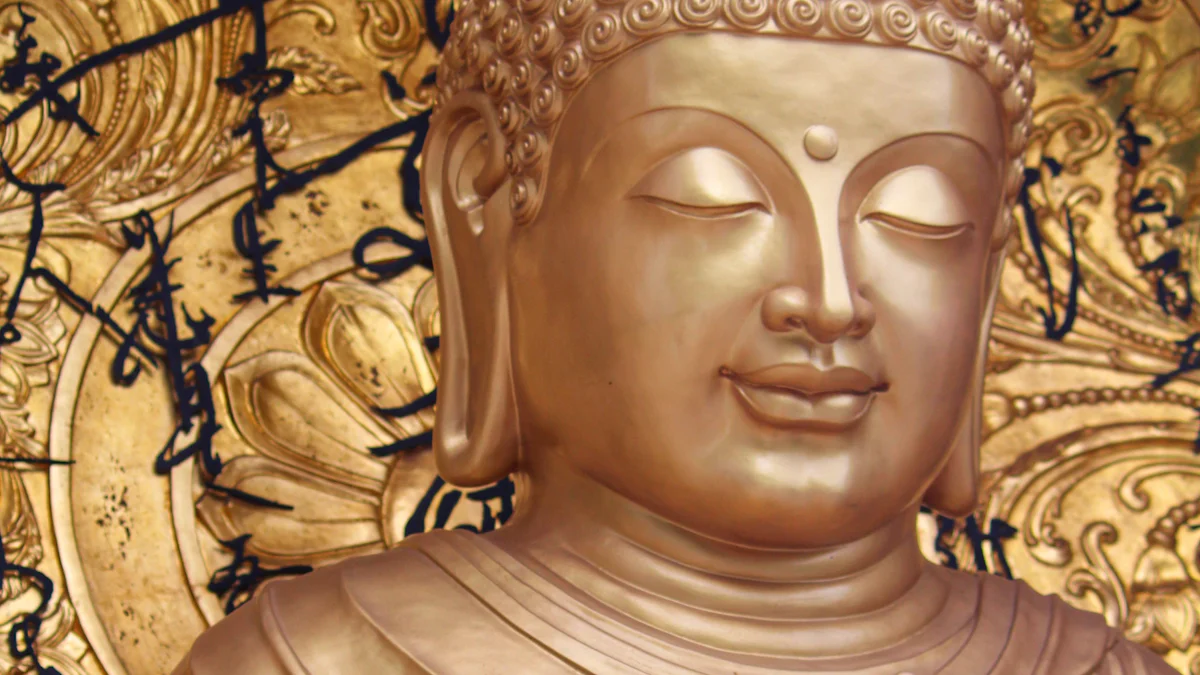
Guru Yoga serves as a powerful practice that connects you deeply with your spiritual teacher. This connection fosters a unique bond, essential for your growth on the spiritual path. As you engage in Guru Yoga, you open yourself to transformative experiences that can reshape your understanding of spirituality. The teachings of your guru guide you, helping you absorb wisdom and cultivate devotion. Embracing this practice can lead to profound changes in your life, allowing you to navigate your spiritual journey with clarity and purpose.
Key Takeaways
Guru Yoga fosters a deep connection with your spiritual teacher, essential for your growth on the spiritual path.
Embrace the principles of Guru Yoga, such as seeing your guru as a Buddha and merging minds, to enhance your spiritual journey.
Trust and devotion are crucial in the guru-student relationship; they allow for effective absorption of teachings and guidance.
Commitment to your practice strengthens your connection with your guru and facilitates personal growth and accountability.
Incorporate meditation and rituals into your daily routine to deepen your relationship with your guru and enhance your understanding of their teachings.
Recognize that challenges in the guru-student dynamic are normal; open communication and patience are key to navigating these difficulties.
Anyone can practice Guru Yoga; an open heart and willingness to learn are all you need to begin your spiritual journey.
The Concept of Guru Yoga
Historical Background
Guru Yoga has deep roots in spiritual traditions, especially within Tibetan Buddhism. This practice emphasizes the importance of a spiritual teacher, or guru, as a guide on your journey. Historically, authentic gurus have served as living examples of the teachings they share. They embody spiritual philosophy and demonstrate how to live by those principles.
In the twelfth century, Tibetan authors began to shape the practice of Guru Yoga, drawing from Indian influences. They recognized that merging your mind with the wisdom of your guru leads to profound insights. The term "Guru Yoga" translates to "the yoga that finds our Guru." This practice encourages you to see your guru and Yidam as one being, fostering a deeper connection.
Key Principles of Guru Yoga
Guru Yoga revolves around several key principles that enhance your spiritual growth:
Seeing the Guru as a Buddha: You start by perceiving your guru as an enlightened being. This perspective helps you recognize your own potential for enlightenment.
Merging Minds: The practice involves visualizing your mind merging with the wisdom mind of your guru. This union allows you to absorb their qualities and teachings.
Commitment and Devotion: Engaging in Guru Yoga requires a strong commitment to your practice and devotion to your guru. This relationship nurtures trust and opens pathways for spiritual development.
Accumulating Merit: As you practice, you accumulate merit, which is essential for spiritual progress. This merit supports your journey and helps purify negative tendencies.
Recognizing the Guru's Role: Understanding the responsibilities of your guru is crucial. A genuine guru guides you, offering teachings that resonate with your personal experiences.
By embracing these principles, you can transform your everyday experiences into opportunities for spiritual growth. Guru Yoga not only enhances your connection with your guru but also deepens your understanding of yourself and your path.
The Guru-Student Relationship in Guru Yoga

Importance of Trust and Devotion
Trust and devotion form the backbone of the guru-student relationship in Guru Yoga. When you trust your guru, you open yourself to their teachings. This trust allows you to absorb wisdom and guidance more effectively. Without it, you might struggle to fully embrace the lessons they offer.
Devotion goes hand in hand with trust. It’s not just about admiration; it’s about a heartfelt commitment to your spiritual journey. When you devote yourself to your guru, you cultivate a deeper connection. This connection nurtures your growth and helps you overcome obstacles on your path. As the 17th Karmapa pointed out, having a clear aim and intention when seeking a guru is essential. This clarity enhances your ability to trust and devote yourself fully.
The Role of the Student in Guru Yoga
As a student in Guru Yoga, you play an active role in your spiritual development. Your engagement and willingness to learn shape your experience. You must approach your practice with an open heart and mind. This openness allows you to receive teachings and blessings from your guru.
Your responsibilities include:
Listening and Learning: Pay attention to your guru's teachings. Absorb their wisdom and apply it to your life.
Practicing Regularly: Consistent practice deepens your connection. Engage in meditation and rituals associated with Guru Yoga.
Reflecting on Teachings: Take time to reflect on what you learn. This reflection helps you internalize the teachings and understand their relevance to your life.
Maintaining Respect: Show respect for your guru and their teachings. This respect fosters a positive environment for learning.
Seeking Guidance: Don’t hesitate to ask questions. Your curiosity can lead to deeper insights and understanding.
By embracing these roles, you enhance your spiritual journey. You create a dynamic relationship with your guru that supports your growth. Remember, the more you invest in this relationship, the more you will gain from it.
The Role of the Guru in Guru Yoga
Qualities of an Effective Guru
An effective guru embodies several key qualities that enhance your spiritual journey. When you seek guidance, look for these traits:
Great Compassion: A true guru shows deep compassion for all beings. This quality helps you feel safe and supported on your path.
Wisdom: Your guru should possess profound wisdom. They need to understand spiritual teachings and how to apply them in daily life.
Selflessness: An authentic guru acts without worldly or self-interested aims. Their focus remains on your growth and well-being.
Living Example: Your guru should exemplify the teachings they share. They inspire you through their actions and way of life.
Ability to Connect: A good guru connects with you on a personal level. They understand your struggles and guide you with empathy.
When you find a guru with these qualities, you create a strong foundation for your practice. This connection allows you to absorb teachings more effectively and fosters trust.
The Guru's Responsibilities
The responsibilities of a guru extend beyond mere instruction. They play a crucial role in your spiritual development. Here are some key responsibilities your guru should uphold:
Providing Guidance: Your guru offers clear guidance tailored to your unique needs. They help you navigate challenges and deepen your understanding.
Sharing Teachings: An effective guru shares teachings that resonate with you. They present concepts in ways that are relatable and applicable.
Encouraging Practice: Your guru encourages you to engage in regular practice. They motivate you to stay committed to your spiritual journey.
Offering Support: A genuine guru provides emotional and spiritual support. They stand by you during difficult times, helping you maintain your focus.
Fostering Growth: Your guru actively fosters your growth. They challenge you to step outside your comfort zone and explore new aspects of your spirituality.
As the 17th Karmapa emphasizes, a great guru embodies compassion and wisdom. They guide you with a selfless heart, ensuring you receive the support you need. By recognizing these responsibilities, you can appreciate the vital role your guru plays in your spiritual journey.
Understanding Samaya in Guru Yoga
Definition of Samaya
Samaya plays a crucial role in your practice of Guru Yoga. It refers to the commitments and vows you take in relation to your guru. Think of samaya as a sacred agreement that binds you to your spiritual path. This concept divides into two main categories: root samayas and branch samayas.
Root samayas are the most critical. Violating them can strip away all the benefits you gain from your practice. These include commitments related to body, speech, and mind. For instance, you must refrain from non-virtuous actions and maintain a sacred view. On the other hand, branch samayas are less severe. While breaking them may diminish your spiritual benefits, they do not completely negate your practice.
In essence, samaya emphasizes the importance of commitment. It encourages you to stay true to your vows and maintain a strong connection with your guru. This commitment fosters trust and deepens your spiritual journey.
The Importance of Commitment in Guru Yoga
Commitment in Guru Yoga is vital for your growth. When you dedicate yourself to your guru and the practice, you open doors to profound insights and transformations. This commitment acts as a foundation for your spiritual development.
Here are a few reasons why commitment matters:
Strengthens Your Connection: A strong commitment helps you build a deeper bond with your guru. This bond enhances your ability to absorb teachings and blessings.
Facilitates Growth: Staying committed allows you to navigate challenges more effectively. You develop resilience and clarity on your spiritual path.
Encourages Accountability: Your commitment holds you accountable for your actions. It reminds you to practice regularly and reflect on your progress.
Cultivates Trust: When you honor your commitments, you foster trust in the guru-student relationship. This trust creates a safe space for learning and growth.
Enhances Spiritual Merit: Commitment accumulates merit, which is essential for spiritual advancement. This merit supports your journey and helps purify negative tendencies.
Practices Associated with Guru Yoga
Meditation Techniques
Meditation forms the core of your practice in Guru Yoga. It allows you to connect deeply with your guru and absorb their wisdom. Start by finding a quiet space where you can sit comfortably. Close your eyes and take a few deep breaths. Focus on calming your mind and body.
Next, visualize your guru in front of you. Imagine their qualities radiating warmth and compassion. As you breathe in, think of drawing in their wisdom. With each exhale, release any doubts or distractions. This technique helps you merge your mind with your guru's wisdom mind.
You can also practice shamatha meditation, which focuses on developing concentration. Sit quietly and focus on your breath. When thoughts arise, gently bring your attention back to your breath. This practice enhances your ability to remain present, making it easier to connect with your guru during meditation.
Incorporating these meditation techniques into your daily routine can transform your spiritual journey. Regular practice cultivates a deeper connection with your guru and enhances your understanding of their teachings. As the 17th Gyalwang Karmapa emphasizes, fulfilling your guru's intentions in daily life strengthens this bond.
Rituals and Offerings
Rituals and offerings play a significant role in Guru Yoga. They express your devotion and gratitude towards your guru. Simple acts of devotion can deepen your connection and enhance your practice.
Start with creating a small altar dedicated to your guru. Place a picture or statue of them at the center. Surround it with flowers, candles, or incense. These offerings symbolize your respect and commitment.
You can also engage in specific rituals, such as puja, which involves chanting prayers and making offerings. This practice helps you focus your mind and heart on your guru. It creates a sacred space for your spiritual growth.
Additionally, consider making daily offerings of food or flowers. Even small gestures can carry great significance. They remind you of your commitment to your spiritual path and your guru's teachings.
By incorporating these rituals and offerings into your practice, you cultivate a sense of devotion. This devotion nurtures your spiritual growth and strengthens your relationship with your guru. Remember, every act of devotion counts, no matter how small.
Challenges in Practicing Guru Yoga
Common Misconceptions
Many people hold misconceptions about guru yoga. Some think it’s merely about idolizing a guru or blindly following their teachings. This view misses the essence of the practice. You don’t just worship your guru; you engage with them. You learn to see your guru as a guide who helps you uncover your own potential.
Another misconception is that guru yoga requires you to surrender your individuality. In reality, this practice encourages you to discover your unique path. You merge your mind with your guru's wisdom, but you also cultivate your own insights. As you deepen your practice, you realize that the guru-student relationship is a partnership. You grow together, each contributing to the other's journey.
Some may believe that guru yoga is only for advanced practitioners. This idea can discourage newcomers. In truth, anyone can start practicing guru yoga. You simply need an open heart and a willingness to learn. The journey begins with your intention to connect with your guru and absorb their teachings.
Navigating Difficulties in the Guru-Student Dynamic
Navigating the guru-student dynamic can present challenges. You might face moments of doubt or confusion. These feelings are normal. Remember, every student experiences ups and downs on their spiritual journey.
When you encounter difficulties, communication becomes vital. Speak openly with your guru about your concerns. They can provide guidance and reassurance. This dialogue strengthens your relationship and fosters trust.
Sometimes, you may feel overwhelmed by the teachings. It’s okay to take a step back and reflect. Allow yourself time to process what you’ve learned. You don’t have to rush through your practice. Embrace the journey at your own pace.
You might also struggle with expectations. You may expect immediate results or profound insights. However, spiritual growth takes time. Be patient with yourself. Celebrate small victories along the way. Each step forward contributes to your overall progress.
Incorporating personal experiences can help you navigate these challenges. For instance, one practitioner shared, “I realized the importance of a guru in my yoga journey. I felt lost without that guidance. Once I found my guru, everything changed.” This sentiment resonates with many who seek a deeper connection in their practice.
Ultimately, remember that guru yoga is about direct experience. As you engage with your guru, you begin to see that you are not separate from them. You embody the qualities of your guru, which helps you grow. Embrace the challenges as part of your journey. They will lead you to greater understanding and transformation.
In summary, Guru Yoga offers a profound way to connect with your spiritual teacher. You’ve learned how this practice enhances your growth through trust and devotion. The guru-student relationship plays a vital role in your journey, guiding you toward deeper insights and transformations. Embrace Guru Yoga as a powerful tool in your spiritual exploration. By engaging with your guru, you can unlock your potential and experience meaningful change in your life.
FAQ
What is the practice of Guru Yoga according to the Samye Institute?
Guru Yoga involves three main aspects. First, you supplicate Guru Rinpoche outwardly. Second, you engage in recitation and receive empowerments inwardly. Finally, you mingle your mind indivisibly with the Guru secretly. This holistic approach helps you connect deeply with your spiritual teacher.
What is the importance of Guru Yoga according to Rigpa Wiki?
Guru Yoga focuses on merging your mind with the wisdom mind of your master. You visualize your guru, request blessings, and receive those blessings. This process allows you to unite your mind with the master's wisdom, enhancing your spiritual growth.
What is emphasized in the practice of Guru Yoga according to Dakini Translations?
The practice highlights the need for a guru with specific qualities. You should align your intentions with your guru's wishes. Clear motivation and purpose when seeking a guru are crucial for a fruitful relationship.
What does Lama Tsongkhapa's Guru Yoga practice entail?
Lama Tsongkhapa's approach centers on merging your mind with the wisdom mind of the root Guru and Yidam. It includes fulfilling preliminary practices and discovering the inner Guru through dedicated practice.
How does Guru Yoga work according to Dharmawheel?
Guru Yoga operates on different levels. Devotion towards a sublime being brings blessings. Overcoming dualistic vision is essential, and sincere devotion plays a significant role in Vajrayana practices.
What is the significance of Guru Yoga practice according to Bodhi Activity?
Guru Yoga is profound and beneficial. It serves as an essential practice for true realization and accomplishment. Many consider it the supreme path toward enlightenment.
What is the basis of Guru Yoga practice according to Lama Lena Teachings?
The foundation of Guru Yoga involves visualizing your root guru above the crown of your head. This visualization emphasizes the importance of having a root guru for effective practice.
Can anyone practice Guru Yoga, or is it only for advanced practitioners?
You can practice Guru Yoga regardless of your experience level. This practice welcomes anyone with an open heart and a willingness to learn. Your journey begins with your intention to connect with your guru.
How can I find a suitable guru for my practice?
Finding a suitable guru involves reflection on your spiritual needs. Look for someone who embodies the qualities you seek. Trust your intuition and ensure that their teachings resonate with you.
What should I do if I encounter challenges in my Guru Yoga practice?
When facing challenges, communicate openly with your guru. Share your doubts and concerns. This dialogue strengthens your relationship and fosters trust. Remember, every student experiences ups and downs. Embrace the journey and be patient with yourself.
See Also
Exploring Catur Marga Yoga's Core Principles in Hinduism
Unraveling Yoga's Significance and Historical Roots
Decoding Yoga: Its Significance and Fundamental Nature

Hi my name is Lia and i am your host in this yoga journey in Portugal, Subscribe to our newsletter to receive every week the best of Yoga in Portugal.

We bring back the importance of initiation into womanhood by Roos-Veerle Krijnen & Ella-June Henrard
Welcome to the Women’s Initiation Retreat by Naked Truth Retreats, a transformative journey into the depths of your True Feminine Nature. This retreat invites you to remember the sacredness and wholeness of your being.
Roos-Veerle Krijnen & Ella-June Henrard