Understanding the Essence of Nama Yoga

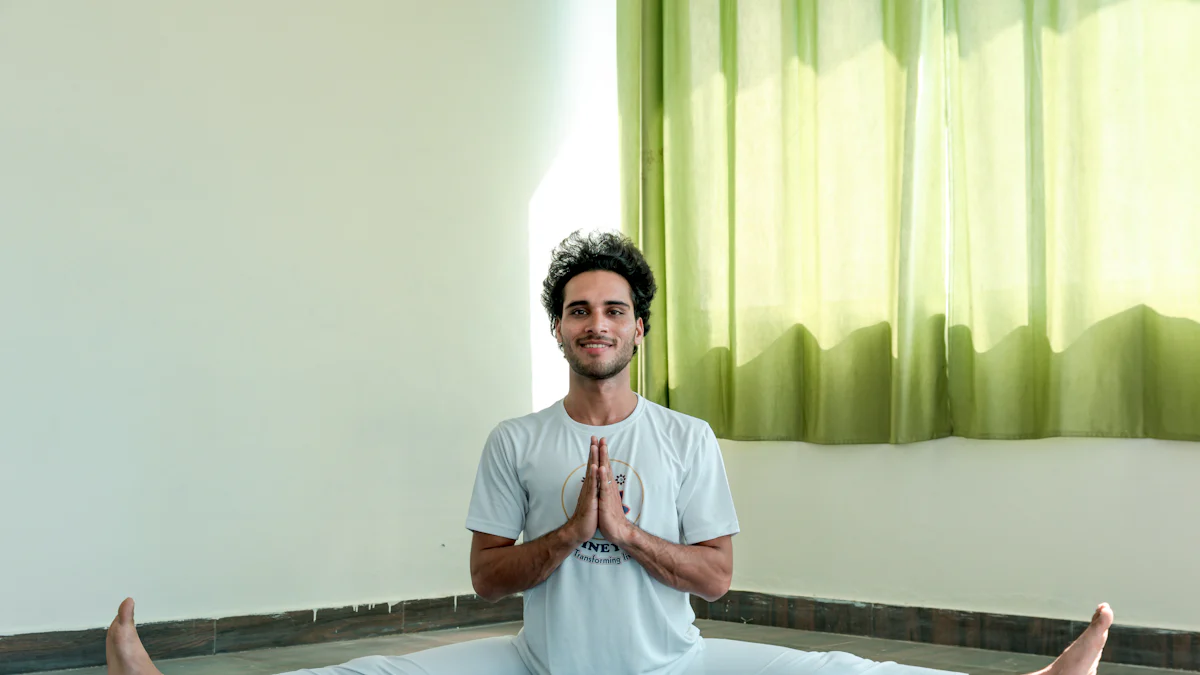
Nama Yoga offers a profound spiritual practice that centers on chanting divine names. This ancient tradition invites you to connect deeply with the divine through sound and vibration. By focusing on sacred names, you cultivate devotion and humility, which are essential for spiritual growth. Chanting creates a meditative rhythm that soothes your mind and uplifts your spirit. Studies show that such practices can reduce stress, improve emotional well-being, and foster inner peace. As yoga gains popularity worldwide, Nama Yoga stands out as a transformative path to harmony and self-discovery.
Key Takeaways
Nama Yoga emphasizes the power of chanting sacred names to foster a deep spiritual connection and inner peace.
Regular practice of Nama Yoga can significantly reduce stress and improve emotional well-being, making it a valuable tool for mental health.
Devotion and humility are core principles of Nama Yoga, encouraging practitioners to surrender their ego and embrace a higher purpose.
Chanting can be easily integrated into daily life, allowing you to cultivate mindfulness and a sense of connection with the divine in everyday moments.
Participating in group practices like kirtan enhances the experience, fostering community and a shared sense of joy and unity.
Nama Yoga serves as a bridge to spiritual growth, helping you transcend material concerns and discover a deeper sense of belonging and purpose.
By incorporating Nama Yoga into your routine, you can transform your perspective and approach challenges with calm and clarity.
The Meaning of Nama Yoga
Etymology and Spiritual Significance
The term "Nama Yoga" originates from Sanskrit, where "Nama" means "to bow" or "reverence," and "Yoga" signifies "union" or "joining." Together, these words describe a practice that unites you with the divine through devotion and humility. This ancient tradition emphasizes the power of sacred names as a bridge to spiritual connection. By chanting or meditating on these names, you align yourself with higher vibrations, fostering inner peace and clarity.
Yoga, which began in ancient India around the 5th century B.C.E., has evolved into a global phenomenon. Among its many paths, Nama Yoga stands out for its simplicity and accessibility. Unlike physical postures or complex techniques, this practice focuses on sound and intention. The act of repeating divine names carries profound spiritual significance, as it helps you transcend the distractions of daily life and connect with your inner self.
"In the beginning was the Word, and the Word was with God, and the Word was God."
This biblical quote resonates with the essence of Nama Yoga, highlighting the transformative power of sound and vibration in spiritual practices. Chanting sacred names is not just a ritual; it is a way to honor the divine presence within and around you.
Nama Yoga as a Path of Union with the Divine
Nama Yoga offers a direct path to spiritual union by encouraging you to surrender your ego and embrace devotion. Through consistent practice, you cultivate a sense of humility and gratitude. This path does not require elaborate rituals or physical prowess. Instead, it invites you to focus on the divine name, allowing it to guide your thoughts and emotions toward harmony.
In Rishikesh, often called the "Yoga Capital of the World," practitioners of Nama Yoga gather to chant and meditate. This city, steeped in spiritual energy, serves as a reminder of how this practice can transform your lifestyle. By dedicating time to Nama Yoga, you shift your focus from material concerns to spiritual growth. This shift fosters a deeper connection with the divine, helping you experience unity and purpose.
Nama Yoga also aligns with the universal goal of yoga: achieving oneness with the divine. Whether you chant alone or in a group, the vibrations created by sacred sounds resonate within your soul. This resonance bridges the gap between your individual self and the universal consciousness, offering a profound sense of belonging and peace.
Core Principles of Nama Yoga
Devotion and Surrender
Devotion forms the heart of nama yoga. By dedicating yourself to the divine, you open a path to spiritual growth. This practice encourages you to let go of ego and embrace humility. Surrendering does not mean giving up; it means trusting a higher power to guide your journey. When you chant sacred names, you express love and reverence for the divine. This act deepens your connection and fosters inner peace.
You can practice devotion in simple ways. Begin by setting aside time daily to focus on the divine. Reflect on the qualities of love, compassion, and kindness. These reflections help you align your thoughts and actions with spiritual values. Over time, devotion becomes a natural part of your life, enriching your experiences and relationships.
Chanting and Sacred Sound Vibrations
Chanting lies at the core of nama yoga. Repeating sacred names creates vibrations that resonate within your body and mind. These vibrations calm your thoughts and bring clarity. Scientific studies suggest that sound vibrations can reduce stress and improve emotional well-being. When you chant, you engage both your voice and your heart, creating a powerful spiritual practice.
Sacred sounds carry unique energy. Each name or mantra holds a specific vibration that aligns with divine qualities. For example, chanting "Om" is believed to connect you with the universal consciousness. You can chant alone or join group practices like kirtan. Group chanting amplifies the energy, creating a shared sense of unity and joy.
To start chanting, choose a simple mantra or divine name. Repeat it slowly and mindfully. Focus on the sound and its effect on your mind. With regular practice, chanting becomes a source of strength and inspiration.
Cultivating a Personal Connection with the Divine
Nama yoga invites you to build a personal relationship with the divine. This connection goes beyond rituals or traditions. It is about feeling the presence of the divine in your daily life. By chanting sacred names, you create a bridge between your inner self and the universal spirit. This bond brings comfort, guidance, and purpose.
You can cultivate this connection through mindfulness. Pay attention to moments of beauty and gratitude. Recognize the divine in nature, relationships, and experiences. Meditation also strengthens your bond. Spend a few minutes each day in quiet reflection, focusing on your chosen mantra or divine name.
A personal connection with the divine transforms your perspective. It helps you see challenges as opportunities for growth. It reminds you that you are never alone on your journey. Through nama yoga, you discover a deeper sense of belonging and peace.
Practices in Nama Yoga

Mantra Chanting and Repetition
Mantra chanting forms the foundation of nama yoga. By repeating sacred names or phrases, you create a rhythm that calms your mind and centers your thoughts. This practice allows you to focus on the present moment while connecting with divine energy. Each mantra carries a unique vibration that resonates within your body, promoting harmony and balance.
To begin, choose a simple mantra that feels meaningful to you. For example, "Om" is a universal sound that symbolizes the essence of the universe. Repeat the mantra aloud or silently, depending on your comfort level. Focus on the sound and its effect on your breathing. Over time, this repetition becomes a meditative practice that fosters inner peace.
Joseph Armstrong, a yoga practitioner, shared how yoga, including mantra chanting, transformed his life. "Before yoga, I was a drug dealer, a liar, and a thief. I could not make peace with my place in the world." Through consistent practice, he found purpose and peace. His story highlights the transformative power of chanting and devotion.
Meditation and Reflection
Meditation complements mantra chanting by deepening your connection with the divine. In nama yoga, meditation involves focusing on sacred names or visualizing divine qualities. This practice helps you quiet your mind and reflect on your spiritual journey. It also encourages self-awareness and emotional clarity.
Set aside a few minutes daily for meditation. Sit in a comfortable position and close your eyes. Focus on your chosen mantra or divine name. Let your thoughts come and go without judgment. Over time, this practice enhances your ability to stay present and mindful.
Reflection plays an equally important role. After meditation, take a moment to consider your experiences. What emotions or thoughts arose during your practice? How can you apply these insights to your daily life? Reflection helps you integrate the lessons of nama yoga into your personal growth.
Jacqui Noel, another yoga enthusiast, described how meditation and reflection helped her overcome fears and anxieties. "The training not only helped me get a kick start along my new journey but also allowed me to face and overcome my biggest fears." Her experience underscores the importance of self-reflection in spiritual practices.
Group Practices and Kirtan
Group practices, such as kirtan, bring a sense of community to nama yoga. Kirtan involves collective chanting of sacred names, often accompanied by music. This practice amplifies the energy of chanting and creates a shared spiritual experience. The vibrations generated during kirtan foster unity and joy among participants.
Joining a kirtan group can enhance your practice. The collective energy of the group supports your focus and deepens your connection with the divine. You also gain the opportunity to learn from others and share your journey. Many practitioners find lifelong friends and mentors through group practices.
If you cannot attend a kirtan session, consider organizing one with friends or family. Choose a few simple chants and create a welcoming space for everyone to participate. The act of coming together to chant strengthens bonds and nurtures a sense of belonging.
"The experience touched me on a level that I did not expect. I am forever grateful to everyone involved," said Jacqui Noel about her yoga journey. Her words reflect the profound impact of community in spiritual practices like nama yoga.
Benefits of Nama Yoga

Mental and Emotional Well-being
Nama yoga offers a powerful way to nurture your mental and emotional health. Chanting sacred names creates vibrations that calm your mind and reduce stress. This practice helps you focus on the present moment, which can ease feelings of anxiety and overwhelm. Studies show that 54% of yoga practitioners turn to yoga to manage stress, and nama yoga provides a simple yet effective method to achieve this.
By engaging in regular chanting or meditation, you can experience a sense of inner peace. The rhythmic repetition of divine names soothes your thoughts and promotes emotional balance. Many practitioners report feeling more grounded and resilient in their daily lives. Nama yoga also fosters a sense of connection, which can alleviate loneliness. According to yoga industry statistics, 21% of people practice yoga to combat feelings of isolation. Through group practices like kirtan, you can build meaningful relationships while enhancing your emotional well-being.
Spiritual Growth and Transformation
Nama yoga serves as a gateway to profound spiritual growth. By focusing on sacred names, you align yourself with higher vibrations and divine qualities. This practice encourages you to let go of ego and embrace humility, paving the way for personal transformation. Nearly 24% of yoga practitioners view yoga as a spiritual practice, and nama yoga offers a direct path to deepen your spiritual journey.
Through consistent practice, you can cultivate a deeper connection with the divine. Chanting sacred names helps you transcend material concerns and focus on your inner self. This shift in perspective fosters gratitude and purpose. Many practitioners describe feeling a renewed sense of clarity and direction in their lives. Nama yoga also aligns with the universal goal of yoga: achieving unity with the divine. This sense of oneness transforms how you view yourself and the world around you.
Practical Benefits in Daily Life
The benefits of nama yoga extend beyond spiritual and emotional realms. This practice can enhance your daily life in practical ways. Chanting and meditation improve focus and concentration, helping you stay productive and present. Many yoga practitioners, including those who engage in nama yoga, report adopting healthier habits. For instance, 40% of people practicing yoga feel motivated to eat a healthier diet.
Nama yoga also supports physical well-being. While it primarily focuses on sound and vibration, the calming effects of chanting can lower stress levels, which benefits your overall health. Yoga, in general, has been shown to improve cardiovascular fitness and flexibility. Although nama yoga does not involve physical postures, its stress-reducing qualities contribute to a healthier lifestyle.
Additionally, nama yoga fosters a sense of community. Group practices like kirtan create opportunities to connect with others and share experiences. This sense of belonging enriches your social life and provides emotional support. Many practitioners find that the lessons learned through nama yoga—such as mindfulness and gratitude—enhance their relationships and interactions with others.
How to Begin Practicing Nama Yoga
Choosing and Chanting Simple Mantras
Starting your journey with nama yoga begins with selecting a mantra that resonates with you. A mantra is a sacred word or phrase that holds spiritual significance. Simple mantras like "Om," "Hare Krishna," or "Om Namah Shivaya" are excellent choices for beginners. These mantras carry profound vibrations that align your mind and spirit with divine energy.
To practice, find a quiet space where you can focus without distractions. Sit comfortably and take a few deep breaths to center yourself. Begin chanting your chosen mantra slowly and clearly. You can chant aloud or silently in your mind. Pay attention to the sound and rhythm of the mantra. Let it guide your thoughts away from daily worries and toward a state of calm.
Consistency is key. Dedicate a few minutes each day to this practice. Over time, you will notice how the repetition of sacred sounds brings clarity and peace. Many yoga teachers emphasize the importance of starting small. As one experienced instructor shared, "Even five minutes of chanting can create a ripple effect of positivity throughout your day."
Joining a Community or Group Practice
Practicing nama yoga with others can deepen your experience. Group practices, such as kirtan, involve collective chanting of sacred names. These gatherings create a powerful sense of unity and amplify the energy of the practice. The shared vibrations foster a connection not only with the divine but also with fellow practitioners.
Seek out local yoga studios or spiritual centers that host kirtan sessions. Many communities offer regular events where you can join others in chanting and meditation. If in-person gatherings are not accessible, consider online groups or virtual kirtan sessions. Technology has made it easier than ever to connect with like-minded individuals worldwide.
Yoga teachers often highlight the transformative power of community. During an interview with a renowned yoga instructor, they shared, "Group practices bring people together in a way that transcends language and culture. The collective energy uplifts everyone involved." Participating in these sessions can inspire you to stay committed to your practice and explore new dimensions of nama yoga.
Integrating Nama Yoga into Everyday Life
Incorporating nama yoga into your daily routine makes it a natural part of your life. You do not need to set aside large blocks of time. Instead, weave the practice into moments throughout your day. For example, chant a mantra during your morning walk or while preparing meals. Use these moments to reconnect with the divine and ground yourself.
Mindfulness plays a crucial role in this integration. Pay attention to the sounds and vibrations of your mantra as you chant. Let them guide your thoughts and actions. Over time, this mindfulness will extend to other areas of your life, helping you approach challenges with calm and clarity.
Another way to integrate nama yoga is by creating a dedicated space for your practice. Set up a small altar or corner in your home with items that inspire you, such as candles, incense, or images of deities. This space serves as a reminder to pause and connect with the divine.
As you incorporate nama yoga into your life, you may notice subtle yet profound changes. Your perspective shifts, and you begin to see the divine in everyday experiences. This practice becomes more than a ritual; it transforms into a way of living with purpose and gratitude.
The Relevance of Nama Yoga in Modern Times
Addressing Stress and Anxiety through Spiritual Practices
Modern life often overwhelms you with stress and anxiety. The constant demands of work, relationships, and technology can leave you feeling drained. Nama yoga offers a simple yet effective way to restore balance. By chanting sacred names, you engage in a practice that calms your mind and reduces stress. Scientific studies reveal that mantra chanting can block the release of stress hormones like adrenaline and cortisol. This process helps your body enter a relaxed state, which can last for up to 48 hours.
Chanting also creates rhythmic vibrations that synchronize your breathing and heart rate. This synchronization promotes a sense of calm and focus. Research published in Happiest Health highlights how regular chanting can make you feel peaceful and less distracted. Whether you chant alone or in a group, this practice helps you shift your attention away from worries and toward the present moment.
Meditation, a core aspect of nama yoga, further enhances these benefits. When you meditate on sacred names, you activate parts of your brain associated with relaxation. This reduces feelings of anxiety and fosters emotional clarity. A study in Frontiers in Psychology found that even online chanting sessions can improve mood and increase positive emotions. By incorporating nama yoga into your routine, you can create a sanctuary of peace amidst the chaos of daily life.
Fostering Unity and Connection in a Fragmented World
In today’s world, many people feel isolated despite being constantly connected through technology. Social media and digital interactions often lack the depth and warmth of real human connection. Nama yoga addresses this challenge by fostering a sense of unity and belonging. Group practices like kirtan bring people together to chant sacred names in harmony. This shared experience creates a powerful bond among participants.
The vibrations generated during group chanting amplify the energy of the practice. This collective energy nurtures a sense of togetherness and joy. Studies show that chanting in groups can reduce stress and promote feelings of connectedness. By participating in kirtan or other group activities, you can build meaningful relationships and find support in a like-minded community.
Nama yoga also encourages you to see the divine in others. This perspective helps you approach relationships with compassion and understanding. When you chant sacred names, you align yourself with universal qualities like love and kindness. These qualities naturally extend to your interactions, creating a ripple effect of positivity in your social circles.
In a fragmented world, nama yoga serves as a bridge to unity. It reminds you that beneath differences, there is a shared essence that connects all beings. By embracing this practice, you contribute to a more harmonious and compassionate society.
Nama yoga offers you a profound practice of devotion and chanting that fosters a deep spiritual connection. By engaging with sacred sounds, you can cultivate mindfulness and inner peace. This practice holds transformative power, helping you reduce stress and achieve mental clarity. In today’s fast-paced world, nama yoga remains highly relevant, offering a path to self-discovery and harmony. Explore this practice to experience its benefits in your daily life. Let it guide you toward spiritual growth and a more centered existence.
See Also
Exploring The Core Meaning And Essence Of Yoga
Unraveling The Origins And Significance Of Yoga
Exploring The Significance Of Tenun Yoga Art

Hi my name is Lia and i am your host in this yoga journey in Portugal, Subscribe to our newsletter to receive every week the best of Yoga in Portugal.

We bring back the importance of initiation into womanhood by Roos-Veerle Krijnen & Ella-June Henrard
Welcome to the Women’s Initiation Retreat by Naked Truth Retreats, a transformative journey into the depths of your True Feminine Nature. This retreat invites you to remember the sacredness and wholeness of your being.
Roos-Veerle Krijnen & Ella-June Henrard