Understanding the Key Differences Between Yoga and Qigong

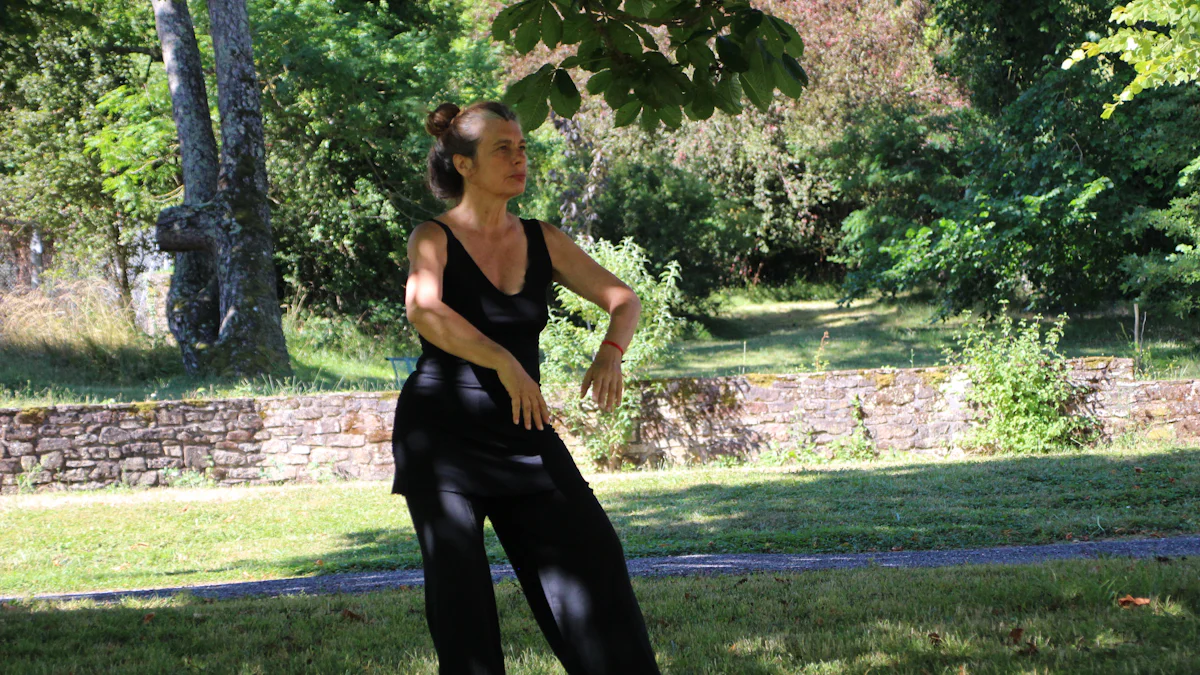
Spiritual practices have captivated people worldwide, offering a path to inner peace and well-being. Among these, yoga and qigong stand out as two of the most popular forms. While both aim to enhance your physical health and mental clarity, they do so through distinct philosophies and techniques. Understanding their differences and similarities can enrich your practice and deepen your connection to yourself and the world around you. Whether you're drawn to the dynamic postures of yoga or the flowing movements of qigong, exploring both can offer unique benefits for your journey.
Historical Background of Yoga and Qigong
Understanding the roots of yoga and qigong can deepen your appreciation for these ancient practices. Both have rich histories that have shaped their philosophies and techniques.
Origins of Yoga
Ancient Indian Roots
Yoga traces its origins back to ancient India, where it emerged as a spiritual discipline. You can find its earliest mentions in the Rigveda, one of the oldest sacred texts. Initially, yoga focused on meditation and spiritual growth. Over time, it became a comprehensive system for achieving harmony between the mind, body, and spirit.
Evolution Over Centuries
As centuries passed, yoga evolved significantly. It absorbed influences from various Indian philosophies and religions, including Hinduism and Buddhism. This evolution led to the development of different yoga schools, each with unique practices and teachings. Today, yoga is a global phenomenon, offering diverse styles that cater to various needs and preferences.
Origins of Qigong
Ancient Chinese Roots
Qigong's history stretches back thousands of years to ancient China. It began as a practice to cultivate and balance Qi, or life energy. Initially, qigong was part of traditional Chinese medicine and martial arts. Its roots lie in Taoism, which emphasizes living in harmony with the Tao, or the natural order of the universe.
Development Through Dynasties
Throughout Chinese history, qigong evolved alongside major philosophical movements like Daoism and Confucianism. The term "qigong" first appeared in Daoist literature during the early Tang Dynasty, but the practices it describes date back much further. Over 5,000 years ago, qigong was documented in various contexts, including military, aristocratic, religious, and medical settings. This rich history reflects its adaptability and enduring relevance.
By exploring the historical backgrounds of yoga and qigong, you gain insight into how these practices have developed over time. Both have influenced and been influenced by the cultures they originated from, offering unique paths to health and spiritual growth.
Philosophical Foundations of Yoga and Qigong
Understanding the philosophical foundations of yoga and qigong can deepen your appreciation for these practices. Both offer unique perspectives on life, energy, and the universe.
Yoga Philosophy
The Eight Limbs of Yoga
Yoga philosophy revolves around the Eight Limbs of Yoga, a framework that guides you toward spiritual growth and self-realization. These limbs include ethical guidelines, physical postures, breath control, sensory withdrawal, concentration, meditation, and ultimately, enlightenment. By following these steps, you cultivate a balanced life, harmonizing your body, mind, and spirit.
Connection to Hinduism and Buddhism
Yoga's roots are deeply intertwined with Hinduism and Buddhism. It draws from ancient texts like the Bhagavad Gita and the Yoga Sutras of Patanjali. These texts emphasize the importance of self-discipline, meditation, and devotion. As you practice yoga, you connect with these spiritual traditions, exploring concepts like karma, dharma, and moksha.
Qigong Philosophy
The Concept of Qi (Energy)
Qigong centers around the concept of Qi, the vital life force energy that flows through everything. By practicing qigong, you learn to cultivate and balance this energy within yourself. Through mindful movement, breath work, and meditation, you enhance your awareness of Qi, promoting health and well-being. This practice helps you achieve serenity, clarity, and bliss.
"Qigong is about cultivating awareness of Qi within the body and learning to harmonize it through mindful movement, breath work, and meditation."
Connection to Taoism and Confucianism
Qigong's philosophical roots lie in Taoism and Confucianism. Taoism teaches you to live in harmony with the Tao, the natural order of the universe. It emphasizes simplicity, humility, and compassion. Confucianism, on the other hand, focuses on moral values and social harmony. By integrating these philosophies, qigong offers a path to spiritual growth and self-cultivation.
Both yoga and qigong aim to harmonize the vital life force energy within you. They offer different paths to achieving balance and well-being, yet they share a common goal: enhancing your physical health, calming your mind, and fostering a deeper connection to yourself and the world around you. As you explore these practices, you embark on a journey of self-discovery and transformation.
Practice and Techniques in Yoga and Qigong

When you dive into the world of yoga and qigong, you'll discover a variety of techniques that cater to different needs and preferences. Each practice offers unique methods to enhance your physical and mental well-being.
Yoga Techniques
Asanas (postures)
In yoga, asanas, or postures, form the foundation of the practice. These physical poses help you build strength, flexibility, and balance. Each asana targets specific muscle groups and promotes overall body awareness. Whether you're performing a simple mountain pose or a challenging headstand, asanas encourage you to connect with your body and mind. Regular practice can improve your posture, increase your energy levels, and reduce stress.
Pranayama (breathing exercises)
Pranayama, or breathing exercises, is another essential component of yoga. By focusing on your breath, you can calm your mind and enhance your concentration. Techniques like Ujjayi (victorious breath) and Nadi Shodhana (alternate nostril breathing) help regulate your breathing patterns, promoting relaxation and mental clarity. Practicing pranayama can also boost your lung capacity and improve your overall respiratory health.
Qigong Techniques
Dynamic and static forms
Qigong offers a blend of dynamic and static forms that cultivate and balance your Qi, or life energy. Dynamic forms involve gentle, flowing movements that enhance your body's energy flow. These movements often mimic natural elements, like water or wind, and help you develop grace and fluidity. Static forms, on the other hand, require you to hold specific postures for extended periods. This practice strengthens your muscles and improves your focus.
Breathing and meditation practices
Breathing and meditation are integral to qigong. By combining mindful breathing with meditation, you can achieve a state of relaxation and inner peace. Qigong breathing techniques emphasize slow, deep breaths that harmonize your body's energy. Meditation practices, such as Zhan Zhuang (standing like a tree), encourage you to cultivate stillness and awareness. These techniques have been shown to improve lung function, enhance exercise capacity, and promote a positive emotional state.
"Qigong practice shifts affect toward positive valence, resulting in restful, relaxed, happy, balanced, and clear experiences." (Frontiers in Psychology)
Both yoga and qigong offer valuable techniques to enhance your well-being. Whether you prefer the structured postures of yoga or the flowing movements of qigong, these practices provide a path to physical health and mental clarity. By exploring both, you can find the perfect balance for your personal journey.
Modern Relevance and Application of Yoga and Qigong

In today's fast-paced world, yoga and qigong have found their place as valuable practices for enhancing well-being. Both offer unique benefits that cater to modern lifestyles, helping you achieve balance and health.
Yoga in Contemporary Society
Health Benefits
Yoga has become a cornerstone of wellness routines worldwide. You can experience numerous health benefits by incorporating yoga into your life. Regular practice improves flexibility, strength, and posture. It also reduces stress and anxiety, promoting mental clarity and emotional stability. Yoga's focus on breath control and mindfulness enhances your overall well-being, making it a popular choice for those seeking a holistic approach to health.
Popularity in the West
The popularity of yoga in the West has skyrocketed over the past few decades. Many people are drawn to its physical and mental benefits. Yoga studios and classes are now commonplace, offering various styles to suit different preferences. From the dynamic flow of Vinyasa to the meditative stillness of Yin Yoga, there's something for everyone. This widespread appeal has made yoga a cultural phenomenon, embraced by people of all ages and backgrounds.
Qigong in Contemporary Society
Health Benefits
Qigong offers a gentle yet powerful way to enhance your health. Its slow, flowing movements make it accessible to individuals of all fitness levels, including those with physical limitations. By practicing qigong, you can improve your balance, coordination, and flexibility. It also helps regulate your body's energy flow, promoting relaxation and reducing stress. Many practitioners find that qigong supports their immune system and boosts their overall vitality.
Integration into Wellness Programs
Qigong has gained recognition as a valuable component of wellness programs. Many health centers and retreats now include qigong sessions to complement other therapies. Its emphasis on cultivating Qi, or life energy, aligns well with holistic health approaches. By integrating qigong into your routine, you can experience a deeper connection to your body and mind. This practice encourages you to harmonize your energy, fostering a sense of peace and well-being.
Both yoga and qigong offer pathways to improved health and vitality. Whether you're drawn to the dynamic postures of yoga or the gentle movements of qigong, these practices provide valuable tools for navigating modern life. By exploring both, you can discover a balanced approach to wellness that suits your unique needs.
As you explore yoga and qigong, you'll notice both differences and similarities. Yoga often emphasizes physical postures and breath control, while qigong focuses on energy flow through gentle movements. Yet, both aim to harmonize your body and mind. Think of yoga and qigong like Indian and Chinese food—distinct flavors but a shared goal of nourishment.
Both practices offer spiritual and practical benefits. Yoga connects you with ancient Indian philosophies, while qigong aligns you with Chinese traditions. Each provides a path to personal growth and well-being. By embracing both yoga and qigong, you open yourself to a richer, more balanced life. Dive into these practices and discover what resonates with you.
See Also
Improving Your Yoga Skills with Kayang Methods
Deciphering the Origins and Meaning of Yoga
Discovering Yoga's Significance in Different Cultures

Hi my name is Lia and i am your host in this yoga journey in Portugal, Subscribe to our newsletter to receive every week the best of Yoga in Portugal.

We bring back the importance of initiation into womanhood by Roos-Veerle Krijnen & Ella-June Henrard
Welcome to the Women’s Initiation Retreat by Naked Truth Retreats, a transformative journey into the depths of your True Feminine Nature. This retreat invites you to remember the sacredness and wholeness of your being.
Roos-Veerle Krijnen & Ella-June Henrard