Understanding the Key Differences Between Yoga and Pilates

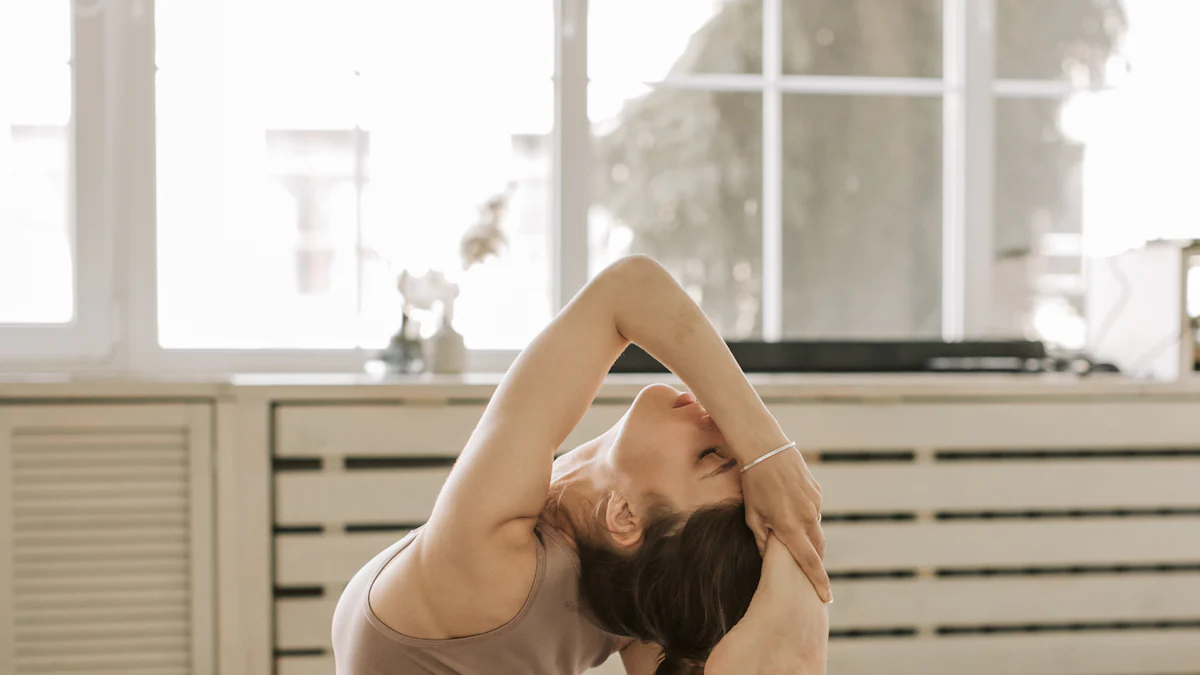
Yoga and Pilates have become incredibly popular, offering numerous benefits for both body and mind. Many people turn to these practices for stress relief, with research showing that 70% of practitioners experience reduced stress levels. Yoga provides a meditative experience, focusing on flexibility and mental wellness. Pilates, on the other hand, emphasizes core strength and precise movements. This blog aims to explore the difference between yoga and pilates, helping you understand which might suit your personal goals better.
Introduction to Yoga and Pilates
What is Yoga?
Origins and History
Yoga has a rich history that dates back over 5,000 years in India. It was designed to enhance physical, emotional, and spiritual health. This ancient practice has evolved through the centuries, adapting to various cultures and needs. Today, yoga is celebrated worldwide for its ability to improve flexibility, balance, and mental clarity. You might find it interesting that yoga offers a variety of styles, each providing unique experiences. Whether you're looking for a gentle stretch or a vigorous workout, there's likely a form of yoga that suits your needs.
Core Principles and Philosophy
At its core, yoga is more than just physical exercise. It embodies a holistic approach that integrates the mind, body, and spirit. The practice encourages mindfulness and self-awareness, helping you connect with your inner self. Breathing techniques, known as pranayama, play a crucial role in yoga, promoting relaxation and focus. The philosophy of yoga emphasizes living in harmony with oneself and the world, fostering a sense of peace and well-being. By practicing yoga, you can cultivate a balanced lifestyle that nurtures both your physical and mental health.
What is Pilates?
Origins and History
Pilates, developed by Joseph Pilates in the early 20th century, has an intriguing origin story. Initially used as rehabilitation for wounded soldiers, Pilates brought his method to the United States in 1923. He spent years refining his approach, which combines Western and Eastern ideas about health and fitness. Today, Pilates is widely acclaimed for its broad application, suitable for people of all ages and fitness levels. Thousands of studios and health clubs feature this methodology, highlighting its enduring popularity and effectiveness.
Core Principles and Philosophy
The philosophy of Pilates centers around achieving full control of the body through mind-body coordination. This practice emphasizes core strength, muscle toning, and precise movements. Unlike yoga, Pilates focuses more on physical conditioning, making it an excellent choice for those seeking to build lean muscle and improve posture. Breathing techniques are also integral to Pilates, aiding in concentration and movement efficiency. By engaging in Pilates, you can develop a strong, balanced body and enhance your overall physical fitness.
Exploring the Difference Between Yoga and Pilates
Physical and Mental Benefits
Flexibility and Strength
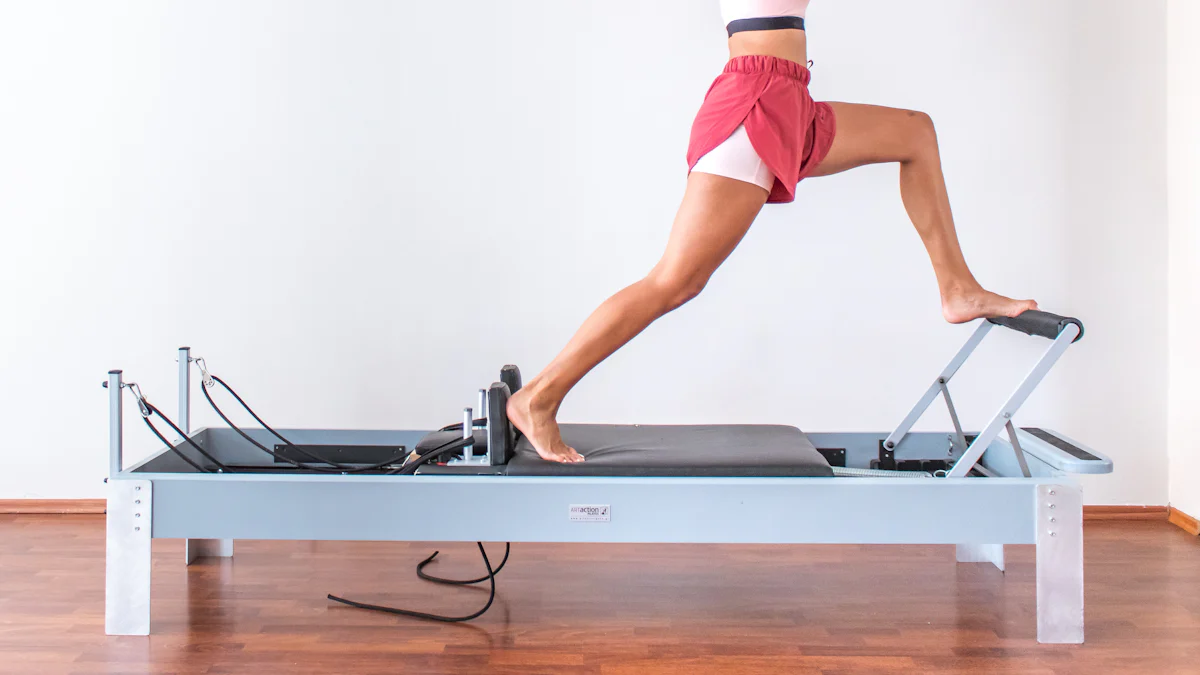
When you dive into the world of yoga and Pilates, you'll quickly notice how both practices enhance your physical capabilities. Yoga is renowned for improving flexibility. It encourages you to stretch and hold poses, which gradually increases your range of motion. This practice can make you feel more limber and agile. On the other hand, Pilates focuses on building strength, particularly in your core muscles. It uses controlled movements to tone and strengthen your body. Both practices contribute to a balanced physique, but the difference between yoga and pilates lies in their primary focus—yoga leans towards flexibility, while Pilates emphasizes strength.
Stress Reduction and Mindfulness
Both yoga and Pilates offer significant mental health benefits. They are excellent tools for stress reduction. Studies show that 70% of individuals practicing these disciplines experience stress relief. Yoga promotes mindfulness through meditation and breathing exercises, helping you connect with your inner self. It’s a holistic approach that integrates mind, body, and spirit. Pilates, while also reducing stress, enhances cognitive functioning and mental focus. It encourages you to concentrate on precise movements and breath work. The difference between yoga and pilates in this aspect is subtle but important—yoga often incorporates a spiritual element, whereas Pilates focuses more on mental clarity and concentration.
Approach and Techniques
Breathing Techniques
Breathing is a cornerstone of both yoga and Pilates, yet each practice approaches it differently. In yoga, breathing techniques, known as pranayama, are integral. They help you achieve relaxation and mindfulness. You learn to control your breath, which aids in calming the mind and enhancing your practice. Pilates also emphasizes breath work, but it’s more about using breath to support movement and improve efficiency. The difference between yoga and pilates here is that yoga uses breath to deepen the meditative experience, while Pilates uses it to enhance physical performance.
Movement and Flow
The way you move in yoga and Pilates also highlights their differences. Yoga involves flowing sequences and holding poses, which can vary from gentle to vigorous. It’s about finding balance and harmony in each pose. Pilates, however, focuses on controlled, repetitive movements. It’s designed to build lean muscle and improve posture. The difference between yoga and pilates in terms of movement is clear—yoga offers a more fluid and varied experience, while Pilates provides structured and precise exercises.
By understanding these differences, you can choose the practice that aligns best with your personal goals. Whether you seek flexibility, strength, stress relief, or mindfulness, both yoga and Pilates have something valuable to offer.
Key Differences Between Yoga and Pilates
When deciding between yoga and Pilates, understanding the key differences can help you make an informed choice. Let's dive into the specifics of equipment, environment, and personal goals.
Equipment and Environment
Use of Props
In yoga, you often use minimal equipment. A mat is usually enough, though some styles incorporate props like blocks, straps, or bolsters to aid in poses. These props help you achieve proper alignment and deepen stretches. Yoga's simplicity in equipment makes it accessible and easy to practice almost anywhere.
Pilates, on the other hand, frequently involves more specialized equipment. While mat-based Pilates exists, many classes utilize machines like reformers, chairs, and barrels. These tools enhance the workout by providing resistance and support. The equipment in Pilates plays a crucial role in targeting specific muscle groups and ensuring precise movements.
Typical Class Settings
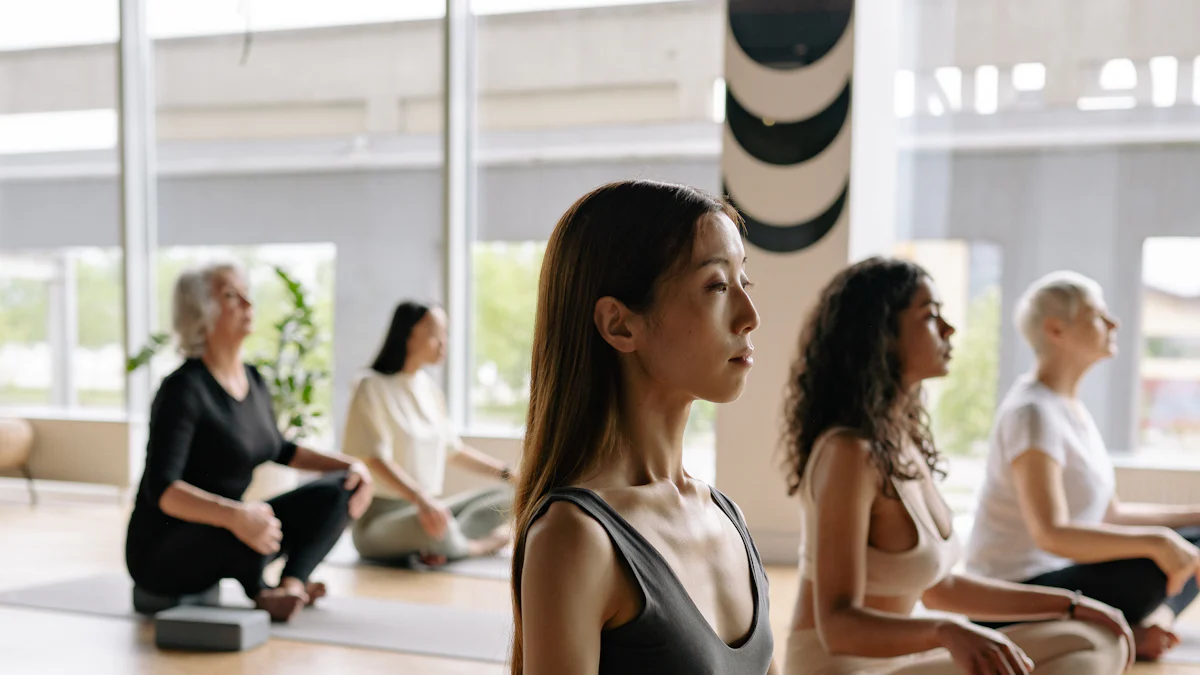
Yoga classes vary widely in setting and style. You might find classes held in serene studios, outdoor parks, or even online. The atmosphere often emphasizes relaxation and mindfulness, with calming music and dim lighting. This environment fosters a sense of peace and encourages a meditative state.
Pilates classes typically take place in studios equipped with the necessary machines. The setting is often more structured, focusing on form and technique. Instructors guide you through controlled exercises, ensuring you engage the right muscles. The environment in Pilates promotes concentration and precision, aligning with its rehabilitative approach.
Choosing Based on Personal Goals
Fitness Goals
Your fitness goals can significantly influence your choice between yoga and Pilates. If you aim to improve flexibility and balance, yoga might be the better option. It encourages you to stretch and hold poses, enhancing your range of motion. Yoga also integrates the mind, body, and spirit, offering a holistic approach to wellness.
Pilates excels in building core strength and muscle tone. If your goal is to develop lean muscles and improve posture, Pilates provides a structured workout that targets these areas. The focus on controlled movements and breath work helps you achieve full-body alignment and coordination.
Lifestyle Considerations
Consider your lifestyle when choosing between yoga and Pilates. Yoga's minimal equipment requirement makes it easy to practice at home or on the go. Its spiritual aspect might appeal to those seeking a deeper connection with themselves. Yoga offers a variety of styles, allowing you to find one that fits your schedule and preferences.
Pilates requires access to specific equipment, which might limit where you can practice. However, its focus on rehabilitation and physical conditioning makes it ideal for those recovering from injuries or looking to enhance their physical fitness. Pilates classes often provide a more personalized experience, catering to individual needs and goals.
By understanding these differences, you can choose the practice that aligns best with your personal goals and lifestyle. Whether you seek flexibility, strength, or a balanced mind-body connection, both yoga and Pilates offer valuable benefits.
Practical Considerations in Choosing
Accessibility and Availability
When deciding between yoga and Pilates, accessibility and availability play a crucial role. You want to ensure that the practice you choose fits seamlessly into your lifestyle.
Cost and Commitment
Cost is often a significant factor. Yoga classes can vary widely in price. Some community centers offer free or donation-based sessions, while specialized studios might charge more. Pilates, especially when using equipment like reformers, tends to be pricier. Consider your budget and how much you're willing to invest in your practice.
Commitment is another aspect to ponder. Yoga often requires a regular practice to see benefits, but you can start with as little as once a week. Pilates might demand more frequent sessions, especially if you're aiming for specific fitness goals. Think about how much time you can realistically dedicate to your chosen practice.
Class Options and Locations
The variety of class options and locations can influence your decision. Yoga offers a plethora of styles, from gentle Hatha to intense Power Yoga. You can find classes in studios, gyms, parks, or even online. This flexibility allows you to choose a setting that suits your comfort level and schedule.
Pilates classes are typically held in studios equipped with specialized machines. While mat-based Pilates is more accessible, equipment-based classes might require travel to a specific location. Consider the convenience of class locations and whether they fit into your daily routine.
Survey Results: A comprehensive survey on yoga enthusiasts revealed that many appreciate the flexibility of class locations and the variety of styles available. Respondents highlighted the importance of having options that cater to different schedules and preferences.
Ultimately, your choice between yoga and Pilates should align with your personal goals, budget, and lifestyle. Both practices offer unique benefits, so consider what matters most to you. Whether it's the spiritual connection of yoga or the physical conditioning of Pilates, there's a path that can enhance your well-being.
Yoga and Pilates offer unique benefits, catering to different fitness goals. Yoga emphasizes a body-mind connection through breathing and movement, enhancing flexibility and mindfulness. Pilates focuses on muscular strength and toning through controlled movements, promoting quicker reactions and injury prevention. Both practices improve physical health and mental clarity.
Tip: Try both to see which aligns with your personal needs and preferences. Whether you seek flexibility or core strength, these low-impact workouts can help you achieve your fitness goals.
See Also
Exploring the Fundamentals of Hatha Yoga
Selecting the Ideal Yoga Studio for You
Exploring the Art of Sensual Yoga
Hi my name is Lia and i am your host in this yoga journey in Portugal, Subscribe to our newsletter to receive every week the best of Yoga in Portugal.

We bring back the importance of initiation into womanhood by Roos-Veerle Krijnen & Ella-June Henrard
Welcome to the Women’s Initiation Retreat by Naked Truth Retreats, a transformative journey into the depths of your True Feminine Nature. This retreat invites you to remember the sacredness and wholeness of your being.
Roos-Veerle Krijnen & Ella-June Henrard