Understanding the Differences Between Hatha and Vinyasa Yoga

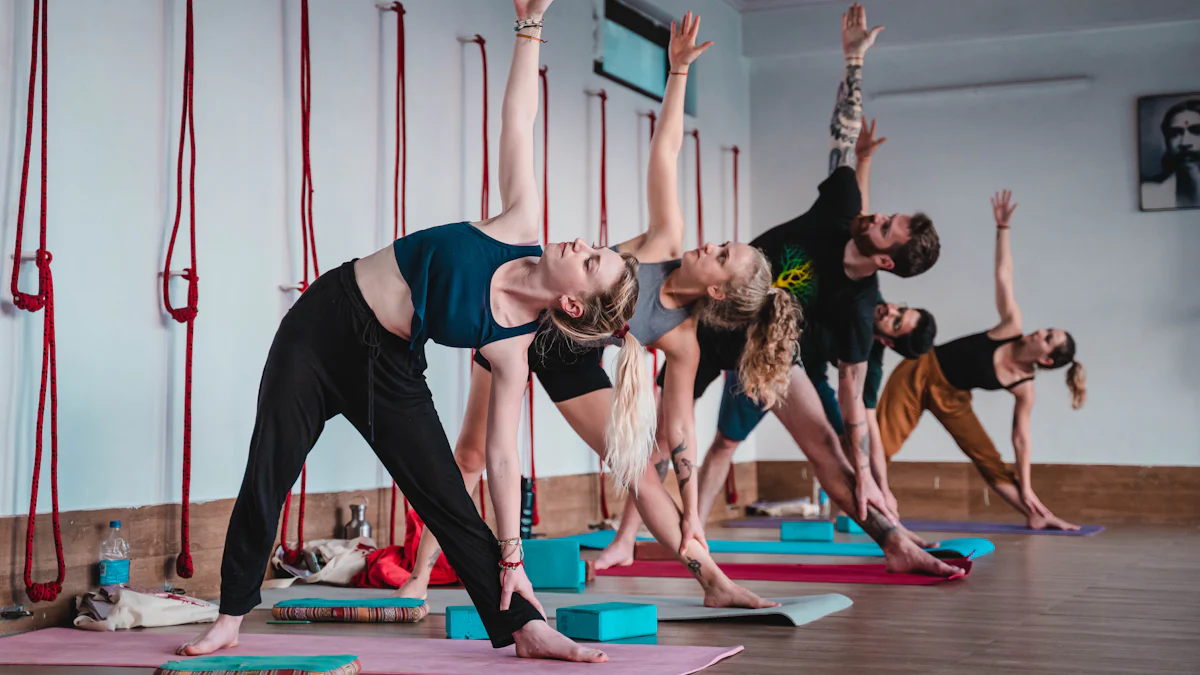
Hatha yoga and Vinyasa yoga each offer unique experiences for practitioners. Hatha yoga provides a slower pace, allowing you to focus on foundational postures while emphasizing mindfulness and breath control, making it accessible for everyone. In contrast, Vinyasa yoga introduces a dynamic flow, linking movement with breath for a more intense workout. Understanding the differences between hatha yoga and vinyasa yoga helps you choose the right style that aligns with your fitness level and personal goals. Whether you seek calm or challenge, both practices can enrich your yoga journey.
Key Takeaways
Hatha yoga is ideal for beginners, offering a slower pace that emphasizes mindfulness, breath control, and foundational postures.
Vinyasa yoga provides a dynamic and energetic practice, linking movement with breath for a more intense workout that builds strength and endurance.
Both styles offer unique mental and emotional benefits, with Hatha promoting calmness and Vinyasa enhancing mood and energy levels.
Consider your personal goals when choosing between Hatha and Vinyasa; Hatha is great for relaxation, while Vinyasa suits those seeking a physical challenge.
Explore different class options to find the right fit for your fitness level and preferences; many studios offer a blend of both styles.
Regular practice of either style can lead to improved physical health, reduced stress, and greater emotional resilience.
Don't hesitate to try both Hatha and Vinyasa yoga to discover which resonates with you and enriches your yoga journey.
Defining Hatha Yoga
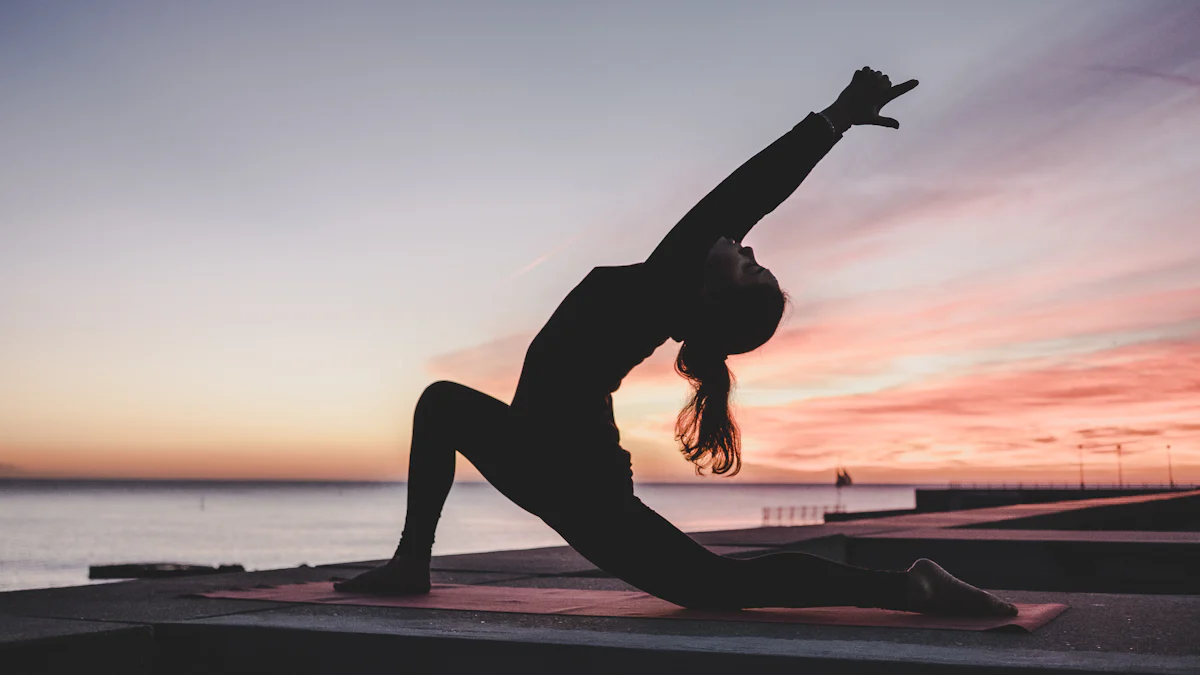
Overview of Hatha Yoga
Hatha yoga serves as a foundational practice for many yoga styles. You can think of it as the starting point for your yoga journey. This style emphasizes mindfulness, breath control, and posture. In Hatha yoga, you focus on holding poses longer, which allows you to connect deeply with your body and mind. This slower pace makes it accessible for everyone, regardless of experience level.
Key Characteristics of Hatha Yoga
Hatha yoga has several key characteristics that set it apart:
Slow Pace: Classes typically move at a slower tempo. You spend more time in each pose, allowing for deeper exploration.
Focus on Alignment: Proper alignment is crucial. You learn how to position your body correctly to avoid injury and maximize benefits.
Breath Awareness: Breath plays a vital role. You synchronize your breath with movements, enhancing relaxation and focus.
Mindfulness: Each session encourages mindfulness. You cultivate awareness of your thoughts and feelings, promoting mental clarity.
Research supports the benefits of Hatha yoga. A 2013 study in the Journal of Nursing Research found that participating in a single 90-minute session significantly reduced stress. Regular practice can lead to even greater stress reduction and improved mental health.
Typical Class Structure in Hatha Yoga
A typical Hatha yoga class usually follows a structured format:
Warm-Up: You start with gentle stretches to prepare your body.
Asanas (Postures): The instructor guides you through various poses. Expect to hold each pose for several breaths.
Breath Work: You practice pranayama, or breath control, to enhance relaxation and focus.
Cool Down: The class ends with restorative poses and a short meditation, allowing you to absorb the benefits of your practice.
This structure helps you build strength and flexibility while promoting a sense of calm. Many practitioners find that Hatha yoga not only improves physical health but also enhances emotional well-being. A 2018 study showed that just 12 sessions of regular Hatha yoga practice can significantly decrease levels of anxiety and depression.
Defining Vinyasa Yoga
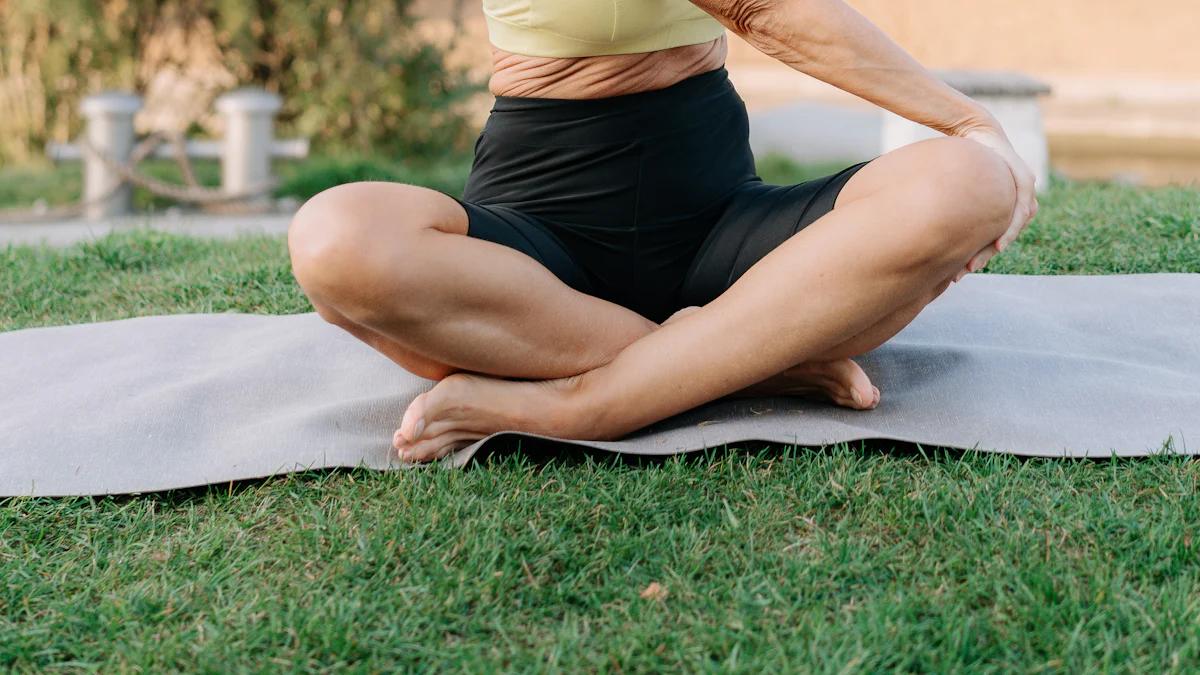
Overview of Vinyasa Yoga
Vinyasa yoga, often called flow yoga, offers a dynamic and energetic practice. You’ll find that this style emphasizes seamless transitions between poses. Each movement synchronizes with your breath, creating a rhythm that feels both invigorating and meditative. Unlike Hatha yoga, Vinyasa allows for creativity in your practice. You can explore various sequences, making each class unique. This flexibility keeps you engaged and challenged.
Key Characteristics of Vinyasa Yoga
Vinyasa yoga has several defining features:
Dynamic Flow: Classes move quickly from one pose to another. You’ll experience a continuous flow that builds heat and energy.
Breath Synchronization: Each movement connects with your breath. Inhale as you expand, and exhale as you fold. This connection enhances your focus and mindfulness.
Variety of Sequences: No two classes are the same. Instructors often design their sequences, allowing for a fresh experience each time.
Physical Challenge: Expect to build strength and endurance. The fast pace and varied poses push your limits, helping you grow physically and mentally.
Research shows that Vinyasa yoga provides significant benefits. A study found that moderate-intensity Vinyasa yoga offers cardiovascular exercise effects comparable to traditional aerobic activities like cycling. This practice can improve your blood pressure and overall heart health.
Typical Class Structure in Vinyasa Yoga
A typical Vinyasa yoga class follows a flexible structure:
Warm-Up: You start with gentle movements to prepare your body for the flow.
Sun Salutations: These sequences often kick off the class, warming up your muscles and connecting breath with movement.
Asanas (Postures): The instructor guides you through a series of poses. Expect to transition quickly, maintaining the flow.
Cool Down: The class usually ends with restorative poses and a brief meditation. This helps you absorb the benefits of your practice.
Vinyasa yoga not only builds strength but also enhances your mood. Studies indicate that it reduces stress and anxiety while boosting energy levels. You’ll likely feel more balanced and centered after each session.
Benefits of Hatha Yoga
Physical Benefits
Hatha yoga offers numerous physical benefits that can enhance your overall well-being. You’ll notice improvements in muscle and joint flexibility as you practice regularly. The slower pace allows you to hold poses longer, which helps stretch and strengthen your muscles. This practice also builds core strength, providing stability and support for your body.
Many yoga instructors emphasize that Hatha yoga can significantly reduce stress on your body. You’ll find that the mindful movements and breath control help alleviate tension. Research supports these claims, showing that Hatha yoga can lead to better physical health and improved posture.
Mental and Emotional Benefits
Hatha yoga does wonders for your mental and emotional health. You’ll experience reduced symptoms of depression and anxiety as you engage in this practice. The focus on mindfulness encourages you to connect with your thoughts and feelings, promoting a sense of calm.
Instructors often highlight the stress-reducing effects of Hatha yoga. You’ll find that regular practice can lead to greater emotional resilience. A study found that participants reported lower stress levels after just a few sessions. This practice not only calms your mind but also enhances your mood, making you feel more balanced and centered.
Suitability for Beginners
If you’re new to yoga, Hatha yoga is an excellent choice. The slower pace and focus on foundational postures make it accessible for everyone. You can learn the basics without feeling overwhelmed. Instructors often provide clear guidance, ensuring you understand each pose and its benefits.
Many beginners appreciate the supportive environment in Hatha classes. You’ll find that the emphasis on alignment and breath control helps build confidence. As you progress, you can explore more challenging poses at your own pace. Hatha yoga serves as a solid foundation for your yoga journey, preparing you for other styles like Vinyasa yoga.
Benefits of Vinyasa Yoga
Physical Benefits
Vinyasa yoga offers a range of physical benefits that can enhance your overall fitness. You’ll notice improvements in strength, flexibility, and endurance as you practice regularly. The dynamic flow of poses builds muscle while increasing your heart rate. This practice also helps you develop better body awareness. You’ll learn to recognize and correct postural habits that may lead to discomfort or injury.
Many practitioners find that the continuous movement keeps their bodies engaged. As you transition from one pose to another, you build heat and energy. This invigorating experience can leave you feeling revitalized after each class.
Mental and Emotional Benefits
Vinyasa yoga does wonders for your mental and emotional well-being. Synchronizing your breath with movement creates a powerful sense of unity and togetherness, especially in a group setting. You’ll find that this connection enhances your focus and mindfulness.
Regular practice can lead to reduced stress and anxiety levels. Many practitioners report feeling more balanced and centered after their sessions. The rhythmic flow of Vinyasa yoga encourages you to let go of distractions and immerse yourself in the present moment. This practice not only calms your mind but also uplifts your mood, making it a great choice for emotional resilience.
Suitability for Different Fitness Levels
Vinyasa yoga caters to various fitness levels, making it accessible for everyone. Whether you’re a beginner or an experienced yogi, you can adapt the practice to suit your needs. Instructors often offer modifications for poses, allowing you to challenge yourself at your own pace.
If you’re new to yoga, you might start with simpler sequences. As you gain confidence and strength, you can explore more complex flows. This flexibility keeps your practice engaging and helps you progress over time. Vinyasa yoga encourages you to listen to your body and honor its limits, ensuring a safe and enjoyable experience.
Comparing Hatha and Vinyasa Yoga
Pace and Flow
When you step into a Hatha yoga class, expect a slower pace. You’ll hold poses longer, allowing your body to settle into each posture. This approach encourages mindfulness and deep breathing. In contrast, Vinyasa yoga moves at a faster tempo. You’ll transition quickly from one pose to another, creating a continuous flow. This dynamic movement builds heat and energy, making it a more vigorous workout. If you prefer a reflective practice, Hatha yoga suits you well. If you seek a challenge, Vinyasa yoga will keep you engaged.
Focus and Intent
Hatha yoga emphasizes alignment and breath control. You’ll focus on finding the correct posture and maintaining it during your breathing cycles. This practice fosters a sense of stability and awareness. On the other hand, Vinyasa yoga focuses on linking movements with breath. You’ll flow through sequences, connecting each pose seamlessly. This approach encourages you to stay present and engaged in the rhythm of your practice. If you want to cultivate mindfulness, both styles offer unique benefits. Hatha provides a gentle introduction, while Vinyasa challenges you to deepen your connection with movement.
Class Environment and Atmosphere
The atmosphere in a Hatha yoga class feels calm and nurturing. Instructors often create a supportive environment, perfect for beginners. You’ll find that the slower pace allows for more personalized attention. Vinyasa classes, however, buzz with energy. The dynamic flow creates an invigorating atmosphere. You’ll likely feel motivated by the group’s energy as you move through the sequences. Both environments have their charm. Hatha yoga offers a peaceful retreat, while Vinyasa yoga provides an exciting challenge. Choose the one that resonates with your mood and goals.
How to Choose Between Hatha and Vinyasa Yoga
Assessing Personal Goals
Before you step onto the mat, think about what you want to achieve. Do you seek relaxation and mindfulness? Hatha yoga might be your best bet. It offers a slower pace, allowing you to focus on your breath and body. If you crave a more vigorous workout, Vinyasa yoga could be the right choice. This style emphasizes fluid movement and breath synchronization, giving you a dynamic experience.
Consider your goals carefully. Ask yourself questions like:
What do I want from my yoga practice?
Am I looking for stress relief or physical challenge?
Do I prefer a calm environment or an energetic atmosphere?
Considering Fitness Levels
Your current fitness level plays a crucial role in your choice. If you're new to yoga or returning after a break, Hatha yoga provides a gentle introduction. The slower pace and focus on foundational postures help you build confidence and strength.
On the other hand, if you already have a fitness routine and want to enhance your endurance, Vinyasa yoga can push your limits. This style offers a more intense workout, perfect for those who enjoy a challenge.
Think about your comfort level with physical activity. Are you ready to flow through sequences, or do you prefer to hold poses longer? Your answer will guide you toward the right style.
Exploring Class Options and Styles
Once you've assessed your goals and fitness level, explore the class options available. Many studios offer both Hatha and Vinyasa classes. Check out the schedules and see what fits your lifestyle.
You might find that some instructors blend elements of both styles. This approach can provide a unique experience, allowing you to enjoy the benefits of each. Attend a few classes to see which style resonates with you.
Don't hesitate to ask instructors about their teaching methods. They can help you understand how their classes align with your goals. Remember, yoga is a personal journey. Finding the right fit can make all the difference in your practice.
Hatha yoga offers you a gentle introduction to the practice, focusing on mindfulness and foundational postures. In contrast, Vinyasa yoga provides a more vigorous workout, linking movement with breath for a dynamic experience. Both styles have unique benefits that cater to your individual needs and preferences. Why not try both? Experimenting with Hatha and Vinyasa yoga can help you discover which resonates with you, enhancing your overall yoga journey.
FAQ
What Are Some Of The Disadvantages of Hatha and Vinyasa Yoga?
Both Hatha and Vinyasa yoga have their drawbacks. Hatha yoga can feel slow for those who prefer a more vigorous workout. You might find it less engaging if you thrive on movement and energy. On the other hand, Vinyasa yoga can be challenging for beginners. The fast pace may overwhelm you if you’re still learning the basics.
Can I Practice Both Hatha and Vinyasa Yoga?
Absolutely! Mixing both styles can enhance your practice. You can enjoy the calming benefits of Hatha yoga while also experiencing the dynamic flow of Vinyasa. Many practitioners find that alternating between the two keeps their routine fresh and exciting.
How Often Should I Practice Yoga?
Aim for at least two to three sessions per week. This frequency allows you to build strength and flexibility without feeling burnt out. Listen to your body. If you feel energized, consider adding more classes. If you need rest, take a break.
Do I Need Any Special Equipment for Yoga?
You don’t need much to start. A good yoga mat is essential for comfort and stability. You might also want a strap or blocks to help with certain poses. Wear comfortable clothing that allows for movement.
Is Yoga Suitable for Everyone?
Yes! Yoga welcomes all fitness levels and ages. Whether you’re a beginner or an experienced practitioner, you can find a class that suits your needs. Hatha yoga is especially great for newcomers, while Vinyasa can challenge those looking for a workout.
How Can I Improve My Yoga Practice?
Consistency is key. Attend classes regularly and practice at home when you can. Focus on your breath and alignment during each pose. You can also explore different styles to find what resonates with you.
What Should I Expect in My First Class?
Expect a welcoming environment. Instructors will guide you through the basics, ensuring you feel comfortable. You’ll likely start with warm-ups, followed by a series of poses. Don’t worry about perfection; just enjoy the experience.
Can Yoga Help with Stress Relief?
Definitely! Both Hatha and Vinyasa yoga promote relaxation and mindfulness. You’ll learn to focus on your breath, which can help calm your mind. Many practitioners report feeling less stressed and more balanced after regular practice.
How Do I Choose the Right Class for Me?
Consider your goals and fitness level. If you seek relaxation, try Hatha yoga. If you want a workout, go for Vinyasa. Explore different classes and instructors to find the right fit. Don’t hesitate to ask questions before joining a class.
What If I Have Injuries or Health Concerns?
Always consult your doctor before starting any new exercise program. Inform your instructor about any injuries or health issues. They can provide modifications to ensure you practice safely. Yoga can be therapeutic, but it’s essential to listen to your body.
See Also
Exploring The Distinctions Between Pilates And Yoga
A Guide To The Differences Between Yoga And Qigong
Tips For Perfecting Hatha Flow Yoga Skills

Hi my name is Lia and i am your host in this yoga journey in Portugal, Subscribe to our newsletter to receive every week the best of Yoga in Portugal.

We bring back the importance of initiation into womanhood by Roos-Veerle Krijnen & Ella-June Henrard
Welcome to the Women’s Initiation Retreat by Naked Truth Retreats, a transformative journey into the depths of your True Feminine Nature. This retreat invites you to remember the sacredness and wholeness of your being.
Roos-Veerle Krijnen & Ella-June Henrard