Understanding the Descriptive Nature of Yoga Pose Names


Yoga has become a global phenomenon, with approximately 300 million people practising it regularly. As you delve into this ancient practice, you will encounter various yoga pose names that hold significant meaning. These names often describe the pose's shape or function, providing you with a deeper understanding of the practice. Recognising the descriptive nature of these names enhances your learning experience and connects you to the rich history and culture behind yoga. By understanding these names, you gain insight into the intended alignment and benefits of each pose, enriching your practice.
The Role of Language in Yoga
Language plays a crucial role in yoga, especially when it comes to understanding yoga pose names. These names often originate from Sanskrit, an ancient language that has significantly influenced yoga practice.
Sanskrit and Its Influence
Historical Context of Sanskrit in Yoga
Sanskrit has been the medium of communication for yogis for centuries. By using Sanskrit, you connect with the thought processes and lives of ancient yogis. This connection allows you to understand their sources of inspiration and develop a spiritual bond with the ancient practice. The first mention of the Sanskrit word 'Yuj', which means to unite or join, appeared in the Rigveda. This marked the beginning of yoga's systematisation by Patanjali, who documented it in the Yoga Sutras. Under the guidance of gurus, yoga evolved into a structured practice, emphasising its spiritual value. Various sages and yoga masters contributed to preserving and developing yoga, ensuring its teachings reached future generations.
Common Sanskrit Terms in Pose Names
Many yoga pose names are derived from Sanskrit, providing insight into the pose's purpose and form. For example, 'Supta Baddha Konasana' translates to 'Reclining Bound Angle Pose', reflecting its position and alignment. Understanding these terms helps you grasp the intended benefits and alignment of each pose. Common Sanskrit terms like 'Asana', meaning 'pose' or 'posture', form the foundation of yoga practice. By familiarising yourself with these terms, you enhance your comprehension of yoga pose names and deepen your practice.
Translation and Interpretation
Challenges in Translating Pose Names
Translating yoga pose names from Sanskrit to English presents several challenges. The complexity of Sanskrit, with its compound words and nuanced meanings, makes accurate translation difficult. You may encounter variations in translations, leading to confusion about the pose's true essence. For instance, 'Utthita Hasta Padangusthasana' translates to 'standing hand to big toe pose', directly describing the pose's action. However, not all translations capture the full depth of the original Sanskrit name.
Importance of Accurate Interpretation
Accurate interpretation of yoga pose names is vital for your practice. It ensures you understand the pose's purpose and alignment, allowing you to perform it correctly. Descriptive names provide visual and functional cues, enhancing your learning experience. By accurately interpreting these names, you gain a deeper appreciation for the cultural and historical significance of yoga. This understanding enriches your practice, fostering a personal connection to the ancient tradition.
Descriptive vs. Esoteric Pose Names
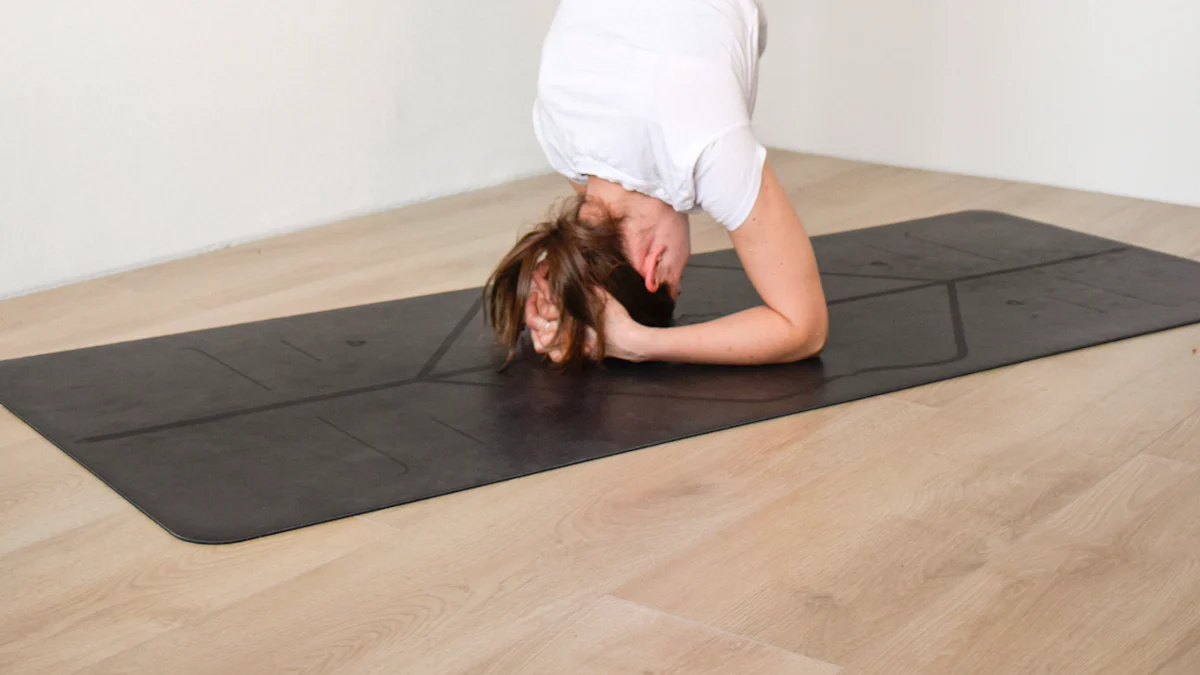
Yoga pose names serve as a bridge between the physical practice and the deeper understanding of yoga. They can be broadly categorised into descriptive and esoteric names, each offering unique insights into the practice.
Characteristics of Descriptive Names
Descriptive yoga pose names provide clear and straightforward information about the pose's form or function. These names often use simple language to convey the essence of the pose, making it easier for you to visualise and execute the posture correctly.
Examples of Descriptive Pose Names
Consider poses like the Reclining Bound Angle Pose or Standing Hand to Big Toe Pose. These names directly describe the position or action involved, helping you understand the alignment and movement required. For instance, the Standing Hand to Big Toe Pose clearly indicates that you will stand and reach your hand to your big toe, guiding you through the pose's execution.
Benefits of Descriptive Naming
Descriptive names enhance your learning experience by providing visual cues and functional insights. They simplify the process of remembering and performing poses, especially for beginners. By using descriptive yoga pose names, you can focus on the physical aspects of the practice, improving your alignment and technique. This clarity can also boost your confidence, as you gain a better understanding of each pose's purpose and benefits.
Characteristics of Esoteric Names
Esoteric yoga pose names, on the other hand, often draw from mythology, symbolism, or spiritual concepts. These names may not immediately reveal the pose's physical form but instead invite you to explore deeper meanings and connections.
Examples of Esoteric Pose Names
Poses like Lotus Pose or Eagle Pose carry symbolic significance. The Lotus Pose, for example, represents purity and enlightenment, reflecting its meditative nature. Similarly, the Eagle Pose symbolises focus and balance, challenging you to maintain concentration while performing the intricate posture. These names encourage you to delve into the cultural and spiritual dimensions of yoga.
Implications of Esoteric Naming
Esoteric names can enrich your practice by fostering a deeper connection to yoga's philosophical roots. They invite you to reflect on the symbolic meanings and stories behind each pose, enhancing your mindfulness and awareness. While these names may require more exploration and interpretation, they offer an opportunity to engage with yoga on a more profound level, connecting you to its rich history and traditions.
Incorporating both descriptive and esoteric yoga pose names into your practice can provide a balanced approach, combining clarity with depth. By understanding the nuances of these names, you can enhance your cognitive well-being and emotional functioning. As research suggests, practising poses like Lotus Pose and Eagle Pose can significantly boost brain function and cognitive performance, offering both physical and mental benefits.
Cultural Significance of Yoga Pose Names

Yoga pose names hold a deep cultural significance, reflecting the rich tapestry of Indian culture and mythology. These names not only describe the physical postures but also connect you to the stories and traditions that have shaped yoga over centuries.
Connection to Indian Culture and Mythology
Yoga poses often draw inspiration from Indian mythology, offering a glimpse into the spiritual and cultural heritage of the practice.
Mythological References in Pose Names
Many yoga pose names are rooted in mythology, providing a narrative that enriches your practice. For instance, the Eagle Pose, or Garudasana, takes its name from Garuda, the king of birds in Hindu mythology. Garuda, a mythical creature with the body of a man and the wings of an eagle, symbolises strength and vigilance. When you perform this pose, you emulate Garuda's union with Vishnu, encouraging balance and concentration. Such mythological references invite you to explore the deeper meanings behind the poses, enhancing your mindfulness and connection to the practice.
Cultural Stories Behind Certain Poses
Beyond mythology, yoga pose names often reflect cultural stories and traditions. These stories provide context and depth, allowing you to appreciate the cultural roots of yoga. For example, the Hero Pose, or Virasana, evokes the qualities of a hero, encouraging you to embody courage and resilience. By understanding these cultural stories, you gain insight into the values and philosophies that underpin yoga, enriching your practice with a sense of purpose and meaning.
Global Influence and Adaptation
As yoga has spread across the globe, its pose names have undergone adaptations, reflecting the diverse cultures that have embraced the practice.
Western Adaptations of Pose Names
In the West, yoga pose names have often been translated into English to make them more accessible. These translations aim to convey the essence of the poses while respecting their original meanings. For instance, Ustrasana is commonly known as the Camel Pose, describing the posture's resemblance to a camel's hump. Such adaptations help you understand the physical form of the poses, making them easier to learn and practice.
Cross-Cultural Exchange in Yoga
The global popularity of yoga has led to a cross-cultural exchange, enriching the practice with diverse perspectives. This exchange has influenced yoga pose names, leading to new interpretations and variations. As you engage with yoga, you participate in this cultural dialogue, exploring how different traditions and practices intersect. This cross-cultural exchange fosters a sense of unity and shared understanding, reflecting yoga's core principle of connection.
By appreciating the cultural significance of yoga pose names, you deepen your connection to the practice. These names serve as a bridge between the physical and spiritual aspects of yoga, inviting you to explore the rich history and traditions that have shaped this ancient discipline.
The Impact of Yoga Pose Names on Practice
Enhancing Understanding and Practice
How Names Guide Practitioners
Yoga pose names serve as a compass, guiding you through your practice. They provide clear instructions on how to position your body, ensuring proper alignment and technique. For instance, the Warrior 2 Pose strengthens your legs, shoulders, and back. It opens your rib cage and invigorates your nervous system. The name itself evokes a sense of grounding and confidence, helping you embody the qualities of a warrior. By understanding the descriptive nature of pose names, you can better grasp the intended benefits and alignment of each posture.
The Role of Names in Teaching
Instructors rely on yoga pose names to communicate effectively with students. These names act as a universal language, bridging the gap between teacher and practitioner. When you hear the name Child's Pose, you immediately know to assume a healing and stress-relieving posture. This common understanding allows instructors to focus on refining your technique and deepening your practice. The clarity provided by pose names enhances the learning experience, making it easier for you to follow along and absorb the teachings.
Personal Reflection and Connection
Personal Experiences with Pose Names
Your journey with yoga pose names can be deeply personal. Many practitioners find themselves curious about the evocative nature of these names. I first started getting curious about the evocative nature of pose names in an Ashtanga class I went to when I myself was new to yoga. This curiosity often leads to a deeper exploration of the meanings and stories behind each pose. As you delve into the origins of names like Downward Dog, you gain a greater appreciation for the practice and its rich history.
Building a Personal Connection to Practice
Yoga pose names offer an opportunity to build a personal connection to your practice. By understanding the symbolism and cultural significance of poses like Tree Pose, you enhance your concentration, focus, and stability. This connection goes beyond the physical aspects of yoga, inviting you to explore the spiritual and philosophical dimensions of the practice. As you reflect on the meanings behind each pose, you cultivate a sense of mindfulness and awareness, enriching your overall experience.
Incorporating the understanding of yoga pose names into your practice can transform your approach to yoga. These names not only guide you physically but also invite you to explore the deeper layers of the practice. By embracing both the descriptive and esoteric nature of pose names, you enhance your cognitive well-being and emotional functioning, creating a holistic and fulfilling yoga journey.
Future Trends in Yoga Pose Naming
Yoga pose names continue to evolve, reflecting changes in society and culture. As you explore these trends, you will notice how modern influences and technology shape the way we understand and use these names.
Evolution of Pose Names
Modern Influences on Naming Conventions
Modern life impacts yoga pose names significantly. You see this influence in the way new poses get named. Contemporary culture, language, and even popular media contribute to this evolution. For instance, some poses now incorporate elements from other fitness disciplines, leading to hybrid names that resonate with today's practitioners. This blending of traditions and innovations creates a dynamic environment where yoga pose names reflect current trends and preferences.
Potential Changes in the Future
Future changes in yoga pose names may arise from increased globalisation and cultural exchange. As yoga continues to spread worldwide, you might encounter names that blend different languages or cultural references. This fusion could lead to more inclusive and diverse naming conventions, making yoga accessible to a broader audience. Additionally, as society becomes more aware of cultural sensitivity, you may see a shift towards names that honour the origins and meanings of traditional poses while embracing modern interpretations.
The Role of Technology and Media
Digital Platforms and Pose Name Dissemination
Technology plays a crucial role in disseminating yoga pose names. Digital platforms like social media, online classes, and yoga apps allow you to access a vast array of information about poses. These platforms often provide detailed explanations and visual aids, helping you understand the nuances of each pose name. As a result, you can learn and practice yoga more effectively, regardless of your location or experience level.
Media Influence on Yoga Terminology
Media also influences yoga terminology. Television shows, films, and online content often feature yoga, introducing new audiences to the practice. This exposure can lead to the popularisation of certain yoga pose names, making them more recognisable and relatable. As media continues to shape public perception, you may notice shifts in how yoga pose names are used and understood, reflecting broader cultural trends and interests.
By staying informed about these future trends, you can deepen your understanding of yoga pose names and their significance. Embracing both traditional and modern influences allows you to connect with the rich history of yoga while engaging with its evolving nature.
Understanding yoga pose names is crucial for enriching your practice. These names not only guide your physical movements but also connect you to the cultural and historical roots of yoga. By exploring the significance of these names, you deepen your personal connection to the practice. Yoga terminology continues to evolve, reflecting the blending of cultures and modern influences. Embrace this evolution as an opportunity to engage with both traditional and contemporary aspects of yoga. As you delve into the meanings behind each pose, you enhance your mindfulness and appreciation for this ancient discipline.
See Also
Best 15 Yoga Stretches for Couples: An In-Depth Manual

Hi my name is Lia and i am your host in this yoga journey in Portugal, Subscribe to our newsletter to receive every week the best of Yoga in Portugal.

We bring back the importance of initiation into womanhood by Roos-Veerle Krijnen & Ella-June Henrard
Welcome to the Women’s Initiation Retreat by Naked Truth Retreats, a transformative journey into the depths of your True Feminine Nature. This retreat invites you to remember the sacredness and wholeness of your being.
Roos-Veerle Krijnen & Ella-June Henrard