Understanding the Connection Between Yoga and Meditation

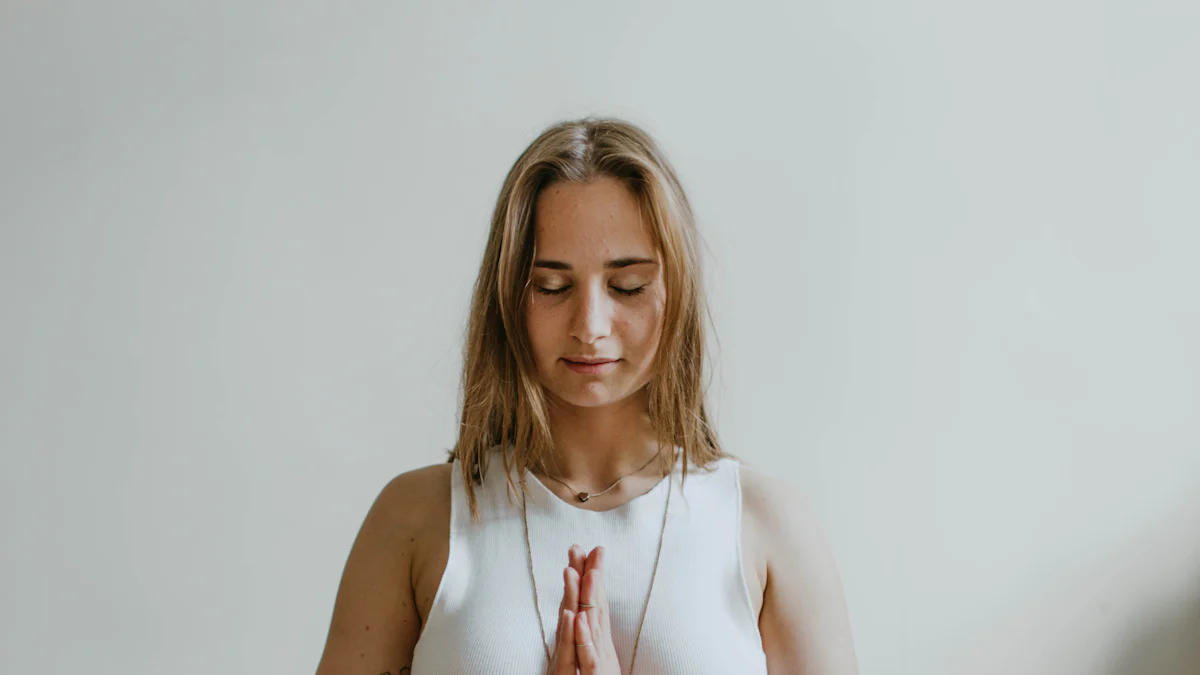
Yoga meditation works hand in hand to boost your mental and physical well-being. These practices focus on mindfulness, relaxation, and self-awareness. When you explore their connection, you can deepen your practice and enhance your overall health. Imagine feeling more centered and present in your daily life. By embracing both yoga meditation, you open the door to a richer, more fulfilling experience.
Key Takeaways
Yoga and meditation work together to enhance both mental and physical well-being, promoting mindfulness and relaxation.
Incorporating yoga into your routine can improve flexibility, strength, and reduce stress, while meditation enhances focus and emotional stability.
Start small by practicing short sessions of yoga followed by meditation to gradually build your comfort and routine.
Create a dedicated, peaceful space for your practice to help you stay focused and inspired.
Experiment with different yoga styles and meditation techniques to find what resonates best with you.
Consistency is key; aim for regular practice to fully experience the benefits of both yoga and meditation.
Debunk common misconceptions about yoga and meditation to approach these practices with an open mind and embrace their holistic benefits.
Defining Yoga
Historical Context
Yoga has roots that stretch back over 5,000 years to ancient India. The Indus-Sarasvati civilization developed yoga as a spiritual practice. This ancient art aimed to promote spiritual growth and strengthen the connection between the mind and body. As time passed, yoga evolved and made its way to the West in the late 19th and early 20th centuries. Influential figures like Swami Vivekananda and Paramahansa Yogananda introduced these practices to the United States. They blended ancient yogic teachings with modern sensibilities, creating the diverse styles of yoga you see today.
Key Principles and Practices
At its core, yoga encompasses several key principles and practices. You’ll find that yoga combines physical postures, breathing techniques, and meditation. These elements work together to enhance your overall wellness. Here are some essential components of yoga:
Asanas: These are the physical postures that help improve flexibility, strength, and balance.
Pranayama: This refers to breath control techniques that promote relaxation and mental clarity.
Meditation: Often practiced alongside yoga, meditation helps you cultivate mindfulness and self-awareness.
By integrating these principles into your routine, you can create a holistic approach to health and well-being.
Physical and Mental Benefits
Practicing yoga offers numerous benefits for both your body and mind. Research shows that over 10% of U.S. adults have practiced yoga at some point, highlighting its popularity and effectiveness. Here’s what you can gain from incorporating yoga into your life:
Improved Flexibility: Regular practice helps increase your range of motion and reduces the risk of injury.
Enhanced Strength: Many poses build muscle strength, supporting your overall physical health.
Stress Reduction: Yoga encourages relaxation and helps lower stress levels, promoting a sense of calm.
Better Mental Clarity: Engaging in yoga can improve concentration and cognitive function, making it easier to focus on daily tasks.
By embracing yoga, you not only nurture your body but also foster a healthier mind. So, why not give it a try? You might just discover a new path to well-being!
Defining Meditation
Historical Context
Meditation has deep roots that stretch back thousands of years. You can trace its origins to ancient practices in India, China, and Burma. Evidence of meditation appears in wall art dating back to 5,000 BC in India. This shows that people have long sought ways to connect with their inner selves. Major religions, including Buddhism and Hinduism, incorporated various forms of meditation into their teachings.
In the mid 3rd millennium BC, seals from India depicted figures in yoga or meditation poses. These artifacts highlight the significance of meditation in early cultures. The practice saw a revival in the 1960s and 70s, thanks to the influence of Eastern gurus on Western contemplative traditions. This resurgence brought meditation into the mainstream, making it accessible to many.
Key Techniques and Approaches
When you think of meditation, several techniques come to mind. Each approach offers unique benefits, allowing you to find what resonates with you. Here are some popular techniques:
Mindfulness Meditation: Focus on your breath and observe your thoughts without judgment. This practice helps you stay present and aware.
Loving-Kindness Meditation: Cultivate feelings of compassion and love towards yourself and others. You repeat phrases that express goodwill, fostering a sense of connection.
Guided Meditation: Listen to a teacher or recording that leads you through a meditation session. This approach can help you relax and stay focused.
Transcendental Meditation: Use a specific mantra to settle your mind into a state of profound rest. This technique promotes deep relaxation and mental clarity.
Experimenting with these techniques can help you discover which one suits you best.
Mental and Emotional Benefits
Meditation offers a treasure trove of mental and emotional benefits. Regular practice can lead to significant improvements in your overall well-being. Here’s what you can expect:
Reduced Stress: Meditation helps lower stress levels by promoting relaxation. You’ll find it easier to manage daily challenges.
Enhanced Focus: Practicing meditation sharpens your concentration. You’ll notice improved attention and productivity in your tasks.
Emotional Stability: Meditation fosters a greater sense of emotional balance. You’ll feel more equipped to handle ups and downs in life.
Increased Self-Awareness: Engaging in meditation allows you to connect with your thoughts and feelings. This self-reflection can lead to personal growth and understanding.
By incorporating meditation into your routine, you can unlock these benefits and enhance your mental and emotional health. So, why not give it a try? You might just find a new way to navigate life’s challenges!
Similarities Between Yoga and Meditation

Mindfulness and Presence
Both yoga and meditation emphasize mindfulness and presence. When you practice yoga, you focus on your breath and movements. This awareness helps you stay grounded in the moment. Similarly, meditation encourages you to observe your thoughts without judgment. You learn to accept the present as it is. Many practitioners find that yoga meditation enhances their ability to be mindful. The structured mindfulness meditations in yoga classes resemble traditional meditation sessions. You gain insight into your thoughts and emotions through both practices.
Stress Reduction and Relaxation
Yoga and meditation serve as powerful tools for stress reduction and relaxation. Engaging in yoga helps release tension stored in your body. Each pose promotes physical relaxation, which calms your mind. Meditation complements this by providing a mental escape from daily stressors. Research shows that practicing both yoga and meditation can significantly lower anxiety and improve overall well-being. You might notice that after a yoga session, transitioning into meditation feels natural. This combination allows you to deepen your relaxation experience.
Enhancing Self-Awareness
Both practices foster self-awareness, helping you connect with your inner self. Yoga encourages introspection through movement. As you flow through poses, you become more aware of your body and its sensations. Meditation takes this a step further by inviting you to explore your thoughts and feelings. You gain clarity about your emotions and reactions. Practicing yoga meditation together amplifies these benefits. You cultivate a compassionate attitude towards yourself and others. This journey of self-discovery can lead to personal growth and a deeper understanding of your life.
Differences Between Yoga and Meditation
Physical Movement vs. Stillness
Yoga and meditation differ significantly in their approach to movement. Yoga involves a series of physical postures, known as asanas, that you perform to enhance your strength, flexibility, and balance. Each pose requires you to engage your body actively. You flow through these movements, connecting breath with action. This dynamic practice energizes you and promotes physical health.
On the other hand, meditation emphasizes stillness. You often sit or lie down in a comfortable position, focusing your mind inward. While some forms of meditation may incorporate gentle movements, the primary goal remains mental clarity and calmness. You cultivate a peaceful state by quieting your thoughts and observing your breath. This contrast highlights how yoga engages your body while meditation invites you to explore your mind.
Goals and Outcomes
The goals of yoga and meditation also set them apart. Yoga aims to improve your physical health and promote overall well-being. You might seek to increase flexibility, build strength, or relieve stress through your practice. The physical benefits often lead to mental clarity and emotional stability.
In contrast, meditation focuses primarily on mental well-being. You practice to develop concentration, reduce anxiety, and enhance self-awareness. While both practices can lead to improved mental health, meditation dives deeper into emotional exploration. You may find that meditation helps you understand your thoughts and feelings better, fostering personal growth.
Techniques and Practices
When it comes to techniques, yoga and meditation offer distinct approaches. In yoga, you engage in various postures and breathing exercises. These practices work together to create a holistic experience. You might practice pranayama, or breath control, to enhance relaxation and mental focus.
Meditation, however, encompasses a range of techniques that center on mental training. You can choose from methods like mindfulness meditation, where you focus on your breath, or loving-kindness meditation, which encourages compassion towards yourself and others. Each technique serves a unique purpose, allowing you to tailor your practice to your needs.
Both yoga and meditation provide valuable tools for enhancing your life. Understanding their differences helps you appreciate how each practice contributes to your overall well-being. By exploring both, you can create a balanced routine that nurtures your body and mind.
Integrating Yoga and Meditation into a Holistic Practice
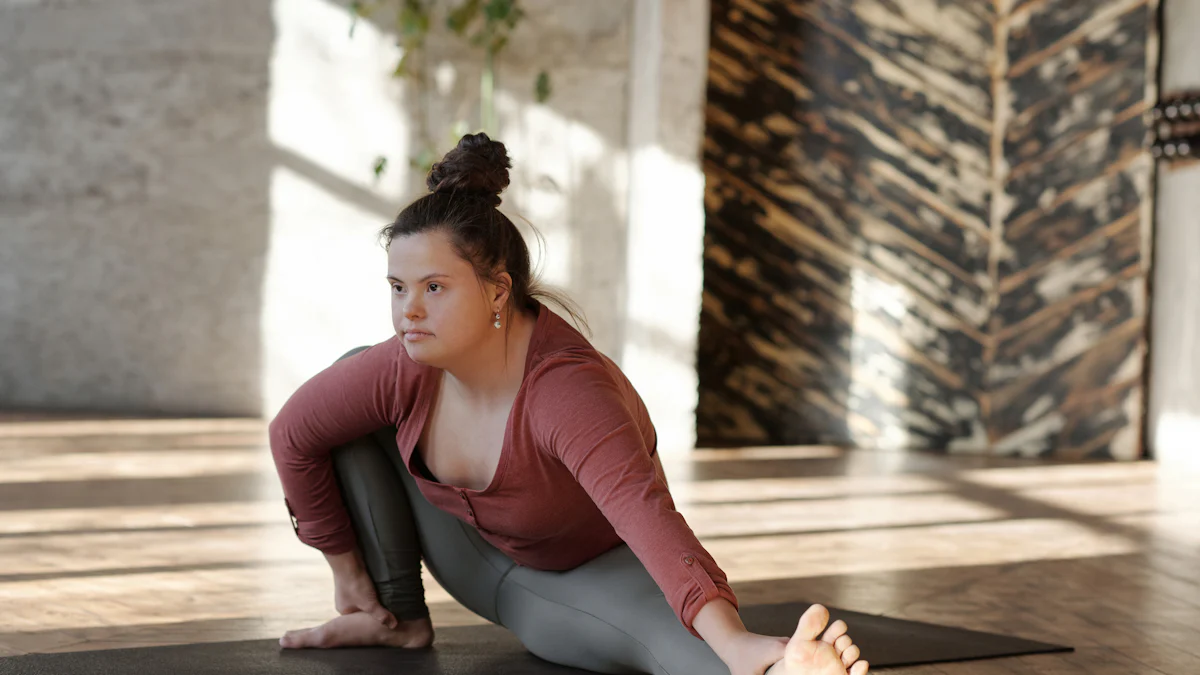
Benefits of Combining Both Practices
Combining yoga and meditation creates a powerful synergy that enhances your overall well-being. When you practice both, you experience a deeper connection between your body and mind. This integration promotes relaxation, reduces stress, and boosts your mental clarity. You might find that yoga prepares your body for meditation, making it easier to settle into a calm state.
Research shows that many people are interested in learning these practices. In fact, 21% of American survey respondents expressed some interest in virtual classes for yoga or meditation. This growing interest highlights the value of integrating both practices into your routine. By embracing yoga meditation, you can unlock a wealth of benefits that support your journey toward wellness.
Practical Tips for Integration
Integrating yoga and meditation into your daily life doesn’t have to be complicated. Here are some practical tips to help you get started:
Start Small: Begin with short sessions. Try 10 minutes of yoga followed by 5 minutes of meditation. Gradually increase the time as you become more comfortable.
Create a Dedicated Space: Set up a peaceful area in your home for practice. This space should be free from distractions and filled with items that inspire you, like candles or plants.
Use Guided Sessions: Consider using apps or online videos that offer guided yoga and meditation sessions. These resources can help you stay focused and motivated.
Listen to Your Body: Pay attention to how your body feels during practice. Adjust your yoga poses and meditation techniques to suit your comfort level.
Be Consistent: Aim for regular practice. Whether it’s daily or a few times a week, consistency helps you build a routine that sticks.
By following these tips, you can seamlessly integrate yoga and meditation into your life, enhancing your overall experience.
Creating a Balanced Routine
Creating a balanced routine that includes both yoga and meditation can transform your day. Start by scheduling specific times for each practice. You might choose to do yoga in the morning to energize yourself and meditation in the evening to unwind.
Consider alternating between different styles of yoga and meditation techniques. This variety keeps your practice fresh and engaging. For instance, you could try a gentle yoga flow one day and a more vigorous session the next. Similarly, explore different meditation methods, such as mindfulness or loving-kindness meditation.
Remember, the goal is to find what works best for you. Listen to your body and mind. Adjust your routine as needed to ensure it remains enjoyable and fulfilling. By creating a balanced routine, you’ll cultivate a holistic practice that nurtures both your body and mind.
Common Misconceptions About Yoga and Meditation
Yoga is Only Physical
Many people think yoga is just about physical postures. They picture complicated poses and flexibility that only advanced practitioners can achieve. However, yoga goes beyond the physical. It incorporates breathing techniques and meditation, which enhance mental clarity and emotional balance. Dr. Nevins emphasizes that yoga creates mental calmness and increases body awareness. This awareness helps you detect physical problems early, allowing for preventive action. So, when you practice yoga, remember that it nurtures both your body and mind.
Meditation Requires Complete Stillness
Another common belief is that meditation demands complete stillness. You might think you need to sit in silence for hours to meditate effectively. In reality, meditation can take many forms. While some techniques involve sitting quietly, others allow for gentle movement or focus on breath. You can even practice mindfulness during daily activities, like walking or eating. The key is to find a method that resonates with you. Sujantra McKeever shares that his favorite aspect of yoga is the peace of mind it brings, highlighting that meditation can be a personal journey tailored to your needs.
You Need to Be Flexible to Practice Yoga
Flexibility often intimidates newcomers to yoga. You might believe that you need to be flexible to start practicing. This misconception can prevent you from exploring the benefits of yoga. The truth is, yoga welcomes everyone, regardless of their flexibility level. Each person’s practice is unique, and you can modify poses to suit your body. Focus on your breath and listen to your body’s needs. Remember, the important thing is that you’re practicing. As you continue, you’ll likely notice improvements in your flexibility and strength over time.
By debunking these misconceptions, you can approach yoga and meditation with an open mind. Embrace the journey, and enjoy the many benefits these practices offer!
Yoga and meditation truly complement each other. By exploring both practices, you can unlock greater well-being and personal growth. Imagine how integrating yoga meditation into your routine can enhance your life. You’ll find that combining these practices helps reduce stress, improve focus, and deepen self-awareness. So, why not give it a shot? Start small and see how these powerful tools can transform your daily experience into something more fulfilling.
FAQ
What is the relationship between Yoga and Meditation?
Yoga and meditation work together to enhance your mental and physical health. While yoga involves specific body postures, meditation focuses on calming and centering your mind. You can practice meditation with or without movement, making it a versatile tool for mindfulness.
How do yoga and meditation differ in their emphasis?
Yoga emphasizes physical postures and movements. You engage your body actively through various poses. Meditation, however, centers on mental well-being. It requires minimal space and can happen almost anywhere, allowing you to find peace in any environment.
What are the benefits of meditation in Yoga?
Meditation plays a crucial role in yoga practice. It deepens your connection to yourself and enhances your overall experience. By integrating meditation into your yoga routine, you can enjoy profound benefits for your physical, mental, and spiritual well-being.
Can I practice yoga and meditation together?
Absolutely! Many people find that combining yoga and meditation enriches their practice. You can start with yoga to prepare your body and then transition into meditation for a deeper mental focus. This combination helps you achieve a balanced state of relaxation and awareness.
Do I need special equipment for yoga and meditation?
For yoga, having a mat and possibly some blocks can enhance your practice. However, meditation requires little to no equipment. You can meditate anywhere, whether sitting on a chair, lying down, or even while walking. Just find a comfortable position that works for you.
How long should I practice yoga and meditation?
Start with short sessions. Aim for about 10-15 minutes of yoga followed by 5-10 minutes of meditation. As you become more comfortable, gradually increase the duration. The key is consistency, so find a routine that fits your lifestyle.
Is yoga suitable for beginners?
Yes! Yoga welcomes everyone, regardless of experience level. You can modify poses to suit your body and comfort level. Many classes cater specifically to beginners, helping you build confidence and understanding as you progress.
Can meditation help with stress and anxiety?
Definitely! Meditation offers powerful tools for managing stress and anxiety. Regular practice helps you cultivate a sense of calm and clarity. You’ll find it easier to navigate daily challenges and maintain emotional balance.
How can I stay motivated to practice yoga and meditation?
Set realistic goals and create a routine that excites you. Try different styles of yoga and meditation to keep things fresh. Joining a class or finding a community can also provide support and encouragement, making your practice more enjoyable.
What if I struggle to quiet my mind during meditation?
It's completely normal to find it challenging to quiet your mind. Instead of forcing silence, focus on your breath or a mantra. Acknowledge your thoughts without judgment and gently bring your attention back to your practice. With time, you'll find it easier to settle into a calm state.
See Also
Exploring the Fundamental Principles of Dharma Yoga
Identifying the Main Distinctions Between Yoga and Pilates
Exploring the Art and Practice of Erotic Yoga

Hi my name is Lia and i am your host in this yoga journey in Portugal, Subscribe to our newsletter to receive every week the best of Yoga in Portugal.

We bring back the importance of initiation into womanhood by Roos-Veerle Krijnen & Ella-June Henrard
Welcome to the Women’s Initiation Retreat by Naked Truth Retreats, a transformative journey into the depths of your True Feminine Nature. This retreat invites you to remember the sacredness and wholeness of your being.
Roos-Veerle Krijnen & Ella-June Henrard