Understanding the Basics of Vinyasa Yoga

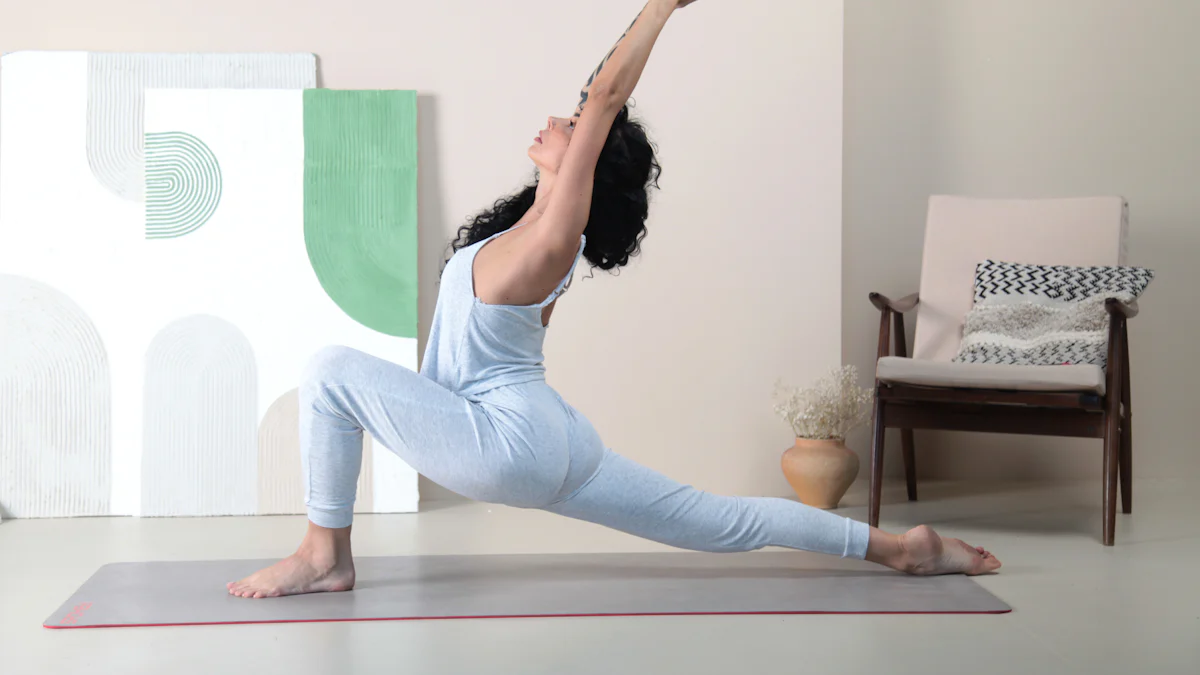
Vinyasa Yoga offers you a dynamic experience, seamlessly linking movement with breath. This style of yoga, often referred to as vinyasa in yoga, creates a harmonious flow of postures. You will find it characterised by fluid transitions and creative sequences, making it akin to a moving meditation. Engaging in vinyasa in yoga can enhance your cardiovascular fitness, as highlighted in a 2020 study published in The Journal of Sports Medicine and Physical Fitness. Additionally, practising vinyasa in yoga twice a week has been shown to increase positive feelings and reduce stress, according to research from 2014 and 2016. Embrace the dance-like quality of vinyasa in yoga and discover its transformative effects on both body and mind.
What is Vinyasa Yoga?
Definition and Core Principles
Vinyasa Yoga, often referred to as "flow yoga," emphasises the seamless connection between breath and movement. You will experience a steady flow from one asana, or position, to another. This style of yoga encourages you to synchronise your breath with each movement, creating a harmonious rhythm. The core principles of Vinyasa Yoga focus on fluidity, breath awareness, and the integration of mind and body. By practising Vinyasa, you engage in a dynamic sequence that not only enhances physical strength and flexibility but also cultivates mental clarity and focus.
History and Origin
Vinyasa Yoga has its roots in the ancient traditions of India, emerging from the foundational practices of Hatha Yoga. This historical connection highlights the deep cultural and spiritual significance of Vinyasa. As the influence of Vinyasa grew, many yoga teachers began to develop the style further. They aimed to accommodate the evolving needs of their students and their own growing expertise. This evolution led to the creation of various styles within Vinyasa Yoga, each offering unique approaches and benefits.
"Vinyasa’s encompassing progression has encouraged fusion with other disciplines, such as Pilates and dance, fostering innovation and continued relevance."
The adaptability of Vinyasa Yoga has allowed it to remain relevant and popular in modern times. You can find classes that incorporate elements from other disciplines, providing a diverse and enriching experience. Whether you are a beginner or an experienced practitioner, Vinyasa Yoga offers a versatile practice that can be tailored to suit your individual needs and preferences.
Characteristics of Vinyasa Yoga
Flow and Breath Connection
In vinyasa in yoga, the connection between flow and breath forms the core of the practice. You will find that each movement aligns with your breath, creating a seamless transition from one pose to the next. This synchronisation not only enhances your physical practice but also cultivates a meditative state of mind. As you move through the poses, your breath becomes the guiding force, allowing you to maintain focus and presence.
Yoga Instructors often describe vinyasa in yoga as a transformative practice. They emphasise how it merges movement and breath to craft sequences that foster strength and grace. By focusing on this connection, you engage in a practice that is both energising and calming. The breath acts as an anchor, helping you to stay grounded and centred throughout your practice.
Dynamic and Creative Sequences
Vinyasa in yoga is renowned for its dynamic and creative sequences. Unlike other styles, vinyasa encourages you to explore a variety of poses, linked together in a fluid manner. This approach allows for endless creativity, as you can modify and adapt sequences to suit your needs and preferences.
Yoga Instructors highlight that vinyasa in yoga involves stringing postures together so that you move seamlessly from one to another, using breath. This style, commonly referred to as 'flow' yoga, offers a diverse range of poses that engage the body and build strength. Expect to encounter several planks, side bends, back bends, and twists. These movements engage your core, enhancing strength, stability, and balance.
The beauty of vinyasa in yoga lies in its adaptability. Whether you are a beginner or an experienced practitioner, you can tailor the practice to match your skill level. The dynamic nature of vinyasa keeps the practice exciting and engaging, encouraging you to explore new possibilities and deepen your understanding of yoga.
Benefits of Vinyasa Yoga
Physical Health Benefits
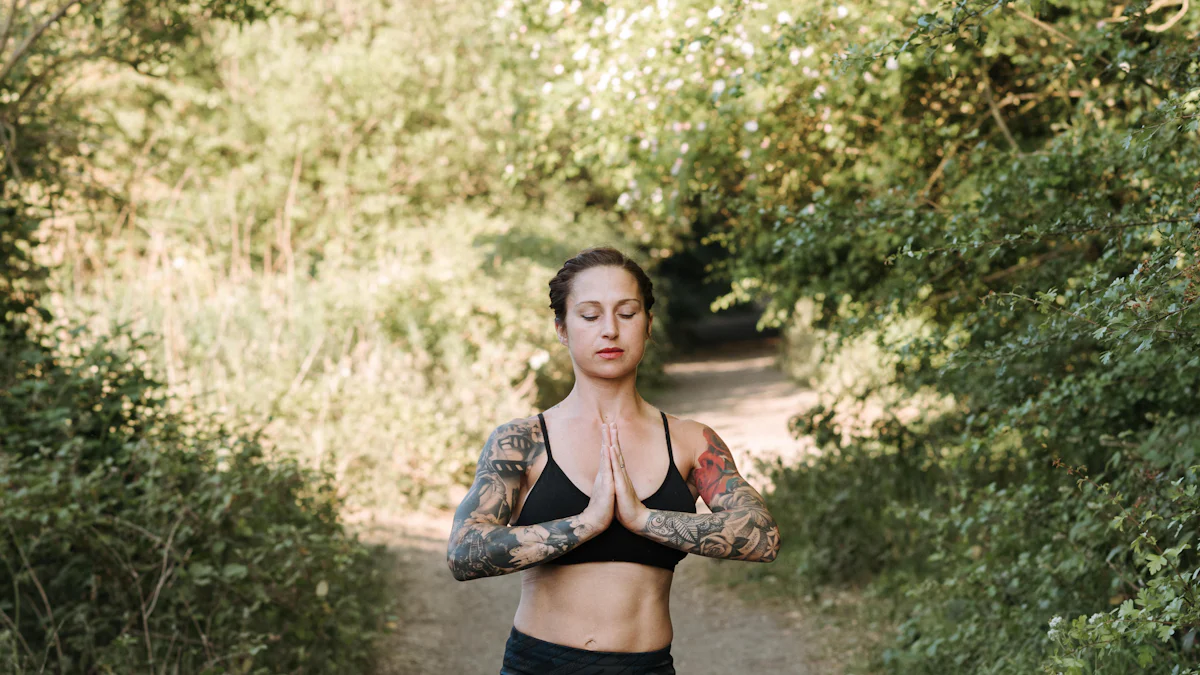
Engaging in vinyasa in yoga offers numerous physical health benefits. This dynamic practice serves as an excellent cardiovascular workout. The fast-paced movements elevate your heart rate, promoting cardiovascular fitness. A study published in The Journal of Sports Medicine and Physical Fitness in August 2020 highlighted that vinyasa yoga effectively improves cardiovascular health and aids in weight loss. By incorporating vinyasa in yoga into your routine, you can enjoy a light-intensity workout that enhances your overall fitness.
Vinyasa in yoga also strengthens your muscles and increases flexibility. The continuous flow of poses engages various muscle groups, building strength and endurance. You will find that regular practice improves your balance and stability. A 2015 study in PLoS One demonstrated that yoga significantly enhances balance, reducing the risk of falls. This benefit is particularly valuable for individuals with low vision or those seeking to improve their physical stability.
Moreover, vinyasa in yoga supports healthy weight management. The combination of movement and breath work helps you burn calories effectively. This practice encourages mindful eating habits, contributing to a balanced lifestyle. By participating in vinyasa in yoga, you can achieve a healthier body composition and maintain a healthy weight.
Mental Health Benefits
Vinyasa in yoga not only benefits your body but also nurtures your mind. This practice fosters mental clarity and concentration. As you synchronise your breath with movement, you cultivate a meditative state that enhances focus. Practising vinyasa in yoga regularly can lead to a profound sense of inner peace and mental well-being.
Research has shown that vinyasa in yoga reduces stress and anxiety levels. A 2012 study found that participants experienced lower stress and anxiety after engaging in vinyasa yoga training. Additionally, a 2016 study in the International Journal of Yoga Therapy revealed that attending a 60-minute vinyasa class twice a week helped individuals cope better with stress and cigarette cravings. By incorporating vinyasa in yoga into your life, you can manage stress more effectively and improve your emotional resilience.
Furthermore, vinyasa in yoga promotes positive feelings and reduces negative emotions. A 2014 study published in PubMed reported that college students who attended vinyasa yoga classes twice a week experienced increased positive feelings and decreased negative feelings. This practice encourages mindfulness and self-awareness, allowing you to cultivate a more positive outlook on life.
How Vinyasa Yoga Differs from Other Styles
Comparison with Hatha Yoga
When you explore different yoga styles, you will notice distinct characteristics that set them apart. Vinyasa in yoga and Hatha Yoga differ primarily in their pace and flow. In a Vinyasa class, you experience a continuous sequence of poses, each linked with your breath. This creates a dynamic and fluid practice. The focus remains on the seamless transition between postures, which can be both invigorating and challenging.
In contrast, Hatha Yoga adopts a slower pace. You hold each posture for a longer duration, allowing you to delve deeper into the alignment and structure of each pose. This style provides ample time for rest between poses, making it more accessible if you prefer a gentler approach. Hatha Yoga emphasises individual postures, encouraging you to focus on precision and mindfulness.
"The key difference between Hatha and Vinyasa comes down to the pace and flow of poses."
While both styles offer unique benefits, your choice may depend on your personal preferences and goals. If you seek a meditative and calming experience, Hatha Yoga might suit you. However, if you desire a more dynamic and energising practice, vinyasa in yoga could be the ideal choice.
Comparison with Ashtanga Yoga
Ashtanga Yoga shares some similarities with vinyasa in yoga, yet it maintains its own distinct identity. Both styles incorporate a lot of movement and endurance, providing a vigorous workout. In Ashtanga Yoga, you follow a set sequence of poses, progressing through a series of levels as your practice deepens. This structured approach offers consistency and discipline, allowing you to track your progress over time.
Vinyasa in yoga, on the other hand, offers more flexibility and creativity. You have the freedom to explore various sequences and modify them according to your needs. This adaptability makes Vinyasa classes diverse and engaging, as no two sessions are exactly alike. You can tailor your practice to suit your mood and energy levels, making it a versatile option for practitioners of all levels.
"Vinyasa usually falls somewhere between Hatha and Ashtanga styles, incorporating a lot of movement and endurance."
Ultimately, the choice between Ashtanga and vinyasa in yoga depends on your personal preferences and goals. If you appreciate structure and consistency, Ashtanga Yoga might resonate with you. However, if you enjoy variety and creativity, vinyasa in yoga offers a dynamic and ever-evolving practice.
Is Vinyasa Yoga Suitable for Beginners?
Beginner-Friendly Aspects
Vinyasa Yoga offers several aspects that make it accessible to beginners. You will find that this style of yoga focuses on improving fitness levels, flexibility, and strength. The practice involves a series of flowing movements that help stretch and elongate muscles while simultaneously strengthening them. This leads to greater mobility and range of motion, as noted by practitioners like Rebecca Wallace.
Low Impact: Vinyasa Yoga provides a low-impact workout, making it gentle on your joints. This aspect is particularly beneficial if you are new to exercise or recovering from an injury.
Breathing Control: The emphasis on synchronising breath with movement helps you develop better breathing control. This not only enhances your physical practice but also promotes a sense of calm and focus.
Body Awareness: As you move through the sequences, you cultivate a deeper connection to your body. This awareness helps you understand your physical limits and encourages mindful movement.
Stress Reduction: Engaging in Vinyasa Yoga can help reduce stress and promote inner peace. The practice encourages you to focus on the present moment, allowing you to let go of daily worries and tensions.
"Vinyasa yoga practice has provided flexibility, body control, breathing control, strength, and a sense of peace," shared a student from YogaPath Studio in Moorestown, NJ.
Challenges for Beginners
While Vinyasa Yoga offers many benefits, you may encounter some challenges as a beginner. Understanding these challenges can help you approach your practice with patience and perseverance.
Coordination: The continuous flow of poses requires coordination between breath and movement. Initially, you might find it challenging to maintain this synchronisation. However, with regular practice, your coordination will improve.
Strength and Endurance: Vinyasa Yoga involves dynamic sequences that build strength and endurance. As a beginner, you may find some poses demanding. It is important to listen to your body and modify poses as needed.
Flexibility: While Vinyasa Yoga enhances flexibility, you might initially struggle with certain poses. Remember that flexibility develops over time, and it is essential to be patient with your progress.
Pace: The fast-paced nature of Vinyasa classes can be overwhelming at first. You may feel pressured to keep up with the class. It is crucial to focus on your own pace and not compare yourself to others.
By recognising these challenges, you can approach Vinyasa Yoga with a positive mindset. Embrace the journey and celebrate your progress, no matter how small. With dedication and practice, you will find that Vinyasa Yoga becomes a rewarding and enriching experience.
What to Expect in a Vinyasa Yoga Class
Class Structure and Flow
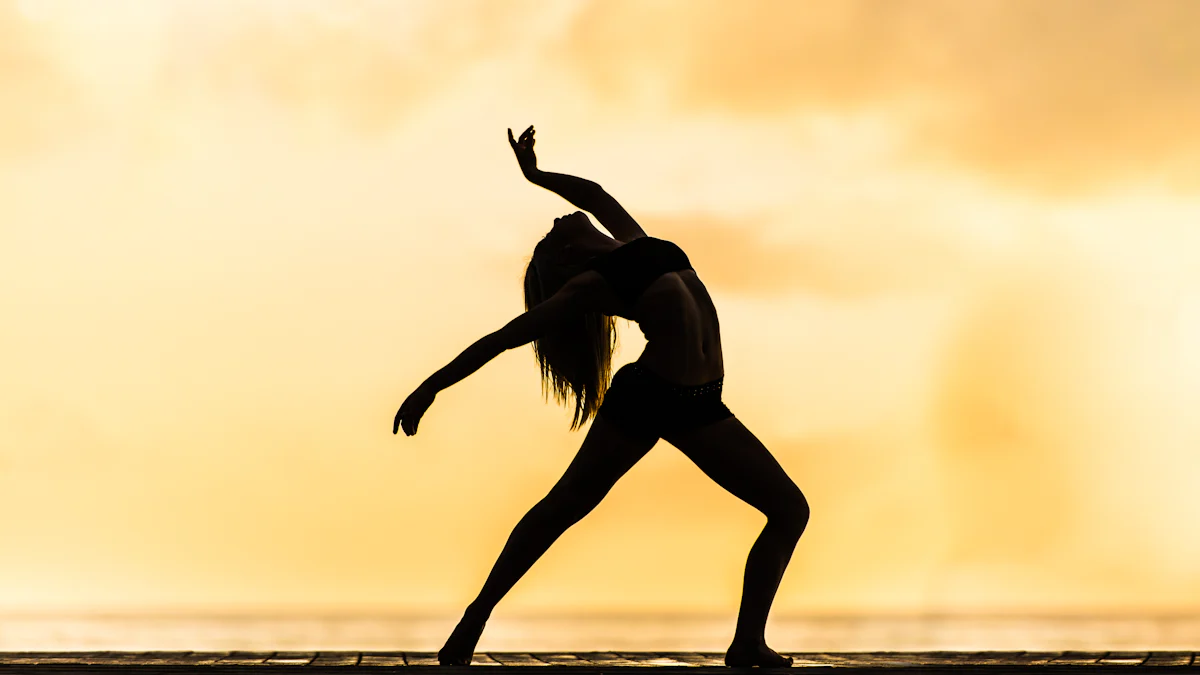
When you attend a Vinyasa Yoga class, you can expect a dynamic and engaging experience. The class typically begins with a warm-up to prepare your body for the practice. This might include gentle stretches and breathing exercises to help you centre your mind and focus on the present moment. As you progress, the instructor will guide you through a series of poses, known as asanas, linked together in a fluid sequence. This flow is the essence of vinyasa in yoga, where each movement synchronises with your breath.
The structure of a Vinyasa class often involves repeating sequences multiple times. This repetition allows you to become familiar with the movements and deepen your practice. You will find that the breath plays a crucial role, helping you move with intention and maintain focus. As you transition from one pose to another, the rhythmic dance of asanas fosters a meditative state, encouraging introspection and self-discovery.
Vinyasa classes can vary in intensity. Some sessions may be vigorous and stimulating, while others offer a softer, more restorative approach. This versatility makes vinyasa in yoga suitable for different preferences and fitness levels. You can choose a class that aligns with your energy and goals, whether you seek a challenging workout or a calming practice.
Common Postures and Sequences
In a Vinyasa Yoga class, you will encounter a variety of postures that form the foundation of the practice. These poses are often linked together in creative sequences, allowing for endless exploration and adaptation. Here are some common postures you might experience:
Downward-Facing Dog (Adho Mukha Svanasana): A staple in vinyasa in yoga, this pose stretches the entire body and strengthens the arms and legs. It serves as a transitional posture, connecting various sequences.
Plank Pose (Phalakasana): This pose builds core strength and stability. It is often used as a transition between other postures, challenging your endurance and focus.
Chaturanga Dandasana: Known as the four-limbed staff pose, Chaturanga requires strength and control. It is a key component of the vinyasa flow, linking poses like plank and upward-facing dog.
Warrior Poses (Virabhadrasana I, II, III): These poses enhance strength, balance, and concentration. They are commonly included in vinyasa sequences to build endurance and flexibility.
Cobra Pose (Bhujangasana): This gentle backbend opens the chest and strengthens the spine. It is often part of the vinyasa flow, providing a counterbalance to forward bends.
As you move through these postures, you will notice the emphasis on breath and alignment. The instructor may offer modifications to accommodate different skill levels, ensuring that everyone can participate comfortably. This inclusive approach creates a safe space where you can explore and do your best without comparison.
How to Start Practising Vinyasa Yoga
Embarking on your journey with vinyasa in yoga can be both exciting and rewarding. This practice offers a unique blend of physical movement and breathwork, creating a harmonious experience. To begin, you need to find the right class or instructor and equip yourself with some essential tips for beginners.
Finding the Right Class or Instructor
Choosing the right environment is crucial for your vinyasa in yoga journey. You might consider joining a local studio, streaming online classes, or practising in a serene space at home. Each option has its benefits, so select what suits your lifestyle best.
Research Classes: Before attending, research the type of vinyasa class available. Some classes may be fast-paced, while others offer a slower, more mindful approach. Understanding the class style helps you choose one that aligns with your preferences and fitness level.
Communicate with Instructors: Inform the instructor that you are new to vinyasa in yoga. A good instructor will provide guidance and adjustments tailored to your needs. They will encourage you to focus on how a pose feels rather than how it looks.
Trial and Error: It might take a few attempts to find the perfect fit. Don't be discouraged if the first class isn't ideal. Explore different instructors and styles until you find one that resonates with you.
"Remember, there can be a lot of variety in vinyasa yoga classes, so it may take a little trial and error to find your perfect fit."
Tips for Beginners
Starting vinyasa in yoga can feel overwhelming, but with the right mindset and preparation, you can enjoy a fulfilling practice.
Listen to Your Body: Pay attention to what feels good and what doesn't. If a pose feels uncomfortable, modify it or take a break. Respect your body's limits and progress at your own pace.
Focus on Breath: Synchronise your breath with each movement. This connection enhances your practice and helps maintain focus. Breathing control is a fundamental aspect of vinyasa in yoga.
Avoid Comparisons: It's natural to want to keep pace with others, but yoga is a personal journey. Focus on your progress and avoid comparing yourself to others in the class.
Embrace Flexibility: Vinyasa in yoga offers flexibility in practice. Explore different sequences and adapt them to suit your needs. This adaptability allows you to create a sustainable, lifelong practice.
Seek Guidance: Don't hesitate to ask for help or clarification from your instructor. They are there to support you and ensure you have a positive experience.
"Encourage rest when needed and remind them there’s no competition or comparison in yoga – only self-improvement."
By following these tips, you can start your vinyasa in yoga journey with confidence. Remember, the goal is self-discovery and improvement, not perfection. Enjoy the process and celebrate your progress along the way.
Vinyasa Yoga offers a transformative journey, seamlessly merging movement and breath. This dynamic practice enhances flexibility, builds muscular strength, and fosters mindfulness. You will find that Vinyasa Yoga adapts to various skill levels, making it accessible and engaging for everyone. The flowing sequences not only improve physical health but also nurture mental well-being, encouraging focus and self-discipline. Embrace the welcoming nature of Vinyasa Yoga and explore its diverse practices. Whether you are a beginner or seasoned yogi, this style invites you to discover strength and grace within yourself.
See Also
Essential Principles of Vinyasa Yoga Explained
The Advantages and Insights of Vinyasa Yoga
Choosing the Perfect Yoga Class for Newcomers

Hi my name is Lia and i am your host in this yoga journey in Portugal, Subscribe to our newsletter to receive every week the best of Yoga in Portugal.

We bring back the importance of initiation into womanhood by Roos-Veerle Krijnen & Ella-June Henrard
Welcome to the Women’s Initiation Retreat by Naked Truth Retreats, a transformative journey into the depths of your True Feminine Nature. This retreat invites you to remember the sacredness and wholeness of your being.
Roos-Veerle Krijnen & Ella-June Henrard