Trauma Yoga Training Made Easy for You


Trauma-informed yoga offers a compassionate approach to healing, focusing on the unique needs of individuals who have experienced trauma. This practice not only aids in reducing trauma-related symptoms but also enhances emotional regulation and self-efficacy. Studies highlight its effectiveness in alleviating PTSD symptoms, anxiety, and insomnia. By reconnecting the mind and body, trauma yoga provides a safe space for recovery. As you explore this transformative journey, you'll discover a supportive community dedicated to fostering resilience and well-being.
Understanding Trauma-Informed Yoga
What is Trauma-Informed Yoga?
Definition and Core Principles
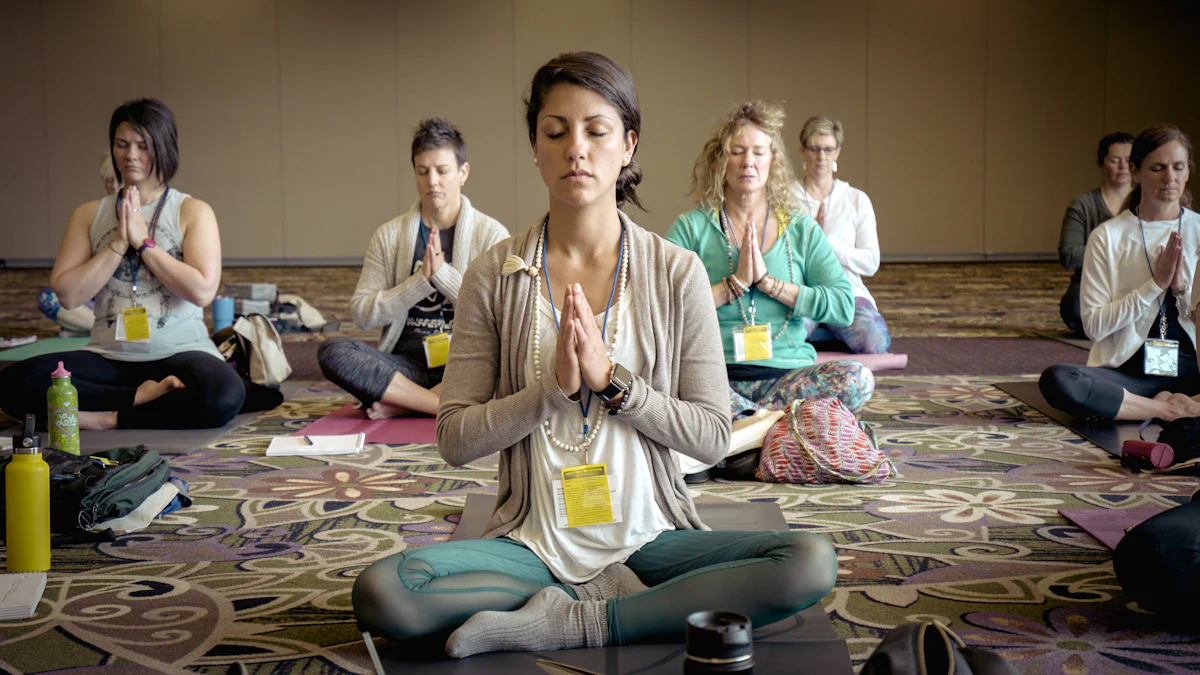
Trauma-informed yoga is a specialized approach that prioritizes safety, empowerment, and healing. It acknowledges the impact of trauma on the body and mind, offering a supportive environment for recovery. You engage in practices that emphasize choice, awareness, and self-regulation. This method respects your personal boundaries and encourages you to reconnect with your body at your own pace. The core principles focus on creating a safe space where you can explore your internal sensations without fear or judgment.
Importance in Healing and Recovery
Incorporating trauma yoga into your healing journey can be transformative. This practice helps you strengthen the mind-body connection, which is crucial for overcoming trauma. By participating in trauma-informed yoga, you experience a sense of safety and validation. It allows you to process emotions and sensations in a controlled and supportive setting. This approach not only aids in emotional recovery but also fosters resilience and self-efficacy. As you progress, you may find that trauma yoga becomes an essential part of your overall healing strategy.
Benefits of Trauma-Informed Yoga
Physical Benefits
Engaging in trauma yoga offers numerous physical benefits. Regular practice can improve your flexibility, strength, and balance. The gentle movements and stretches help release tension stored in your muscles, promoting relaxation and reducing stress. Additionally, trauma yoga encourages mindful breathing, which enhances oxygen flow and supports cardiovascular health. By focusing on body awareness, you develop a deeper understanding of your physical state, leading to improved posture and alignment.
Emotional and Psychological Benefits
The emotional and psychological benefits of trauma yoga are profound. This practice provides a safe space for you to explore and process difficult emotions. It encourages mindfulness and self-compassion, helping you cultivate a positive relationship with yourself. Trauma yoga can reduce symptoms of anxiety, depression, and PTSD by promoting emotional regulation and resilience. As you engage in this practice, you build coping skills that empower you to navigate life's challenges with greater ease and confidence. The supportive community within trauma yoga fosters a sense of belonging and connection, enhancing your overall well-being.
Overview of Trauma Yoga Training Programs
Types of Training Programs
Short-Term Workshops
Short-term workshops offer a quick and immersive introduction to trauma-informed yoga. These sessions typically last a few days and provide foundational knowledge. You gain insights into core principles and practical techniques. Workshops are ideal if you want to explore trauma yoga without a long-term commitment. They often include interactive activities, allowing you to practice and apply what you learn immediately.
Comprehensive Certification Courses
For a deeper dive, comprehensive certification courses are available. These programs range from 30 to 300 hours, offering extensive training. You learn to integrate trauma-informed practices into your teaching or personal practice. Courses like the TCYM℠ provide a blend of yoga and somatic therapy, equipping you with skills to support others. These certifications are perfect if you aim to specialize in trauma-informed yoga and expand your professional scope.
Key Features of Training Programs
Duration and Format
Training programs vary in duration and format. Some are intensive weekend retreats, while others spread over several months. You can choose between in-person and online formats, depending on your schedule and learning preference. Online courses often offer flexibility with live and recorded sessions, allowing you to learn at your own pace.
Accreditation and Certification
Accreditation ensures the quality and recognition of your training. Look for programs recognized by reputable organizations like Yoga Alliance. Certification not only validates your skills but also enhances your credibility as a trauma-informed yoga practitioner. It opens doors to teaching opportunities and community involvement.
Specific Focus Areas
Each program may focus on different aspects of trauma-informed yoga. Some emphasize physical practices, while others delve into emotional and psychological healing. You might find courses that integrate somatic therapy or mindfulness techniques. Understanding these focus areas helps you select a program that aligns with your interests and goals.
Comparing Training Programs
Factors to Consider
Personal Goals and Needs
When choosing a trauma yoga training program, focus on your personal goals and needs. Reflect on what you hope to achieve. Do you want to deepen your personal practice or teach others? Understanding your objectives helps you select a program that aligns with your aspirations.
Program Reputation and Reviews
Research the reputation of the programs you're considering. Look for reviews and testimonials from past participants. A program with positive feedback often indicates quality and effectiveness. Consider programs like The Trauma-Conscious Yoga Method℠, which integrates trauma-informed yoga with somatic psychotherapy practices. This approach can offer a comprehensive learning experience.
Making an Informed Choice
Aligning with Personal Values
Choose a program that resonates with your personal values. Some programs emphasize social justice and collective trauma healing, such as the Trauma-Informed Yoga Foundational Training. This program explores the relationship between trauma and broader societal issues. Aligning with a program that shares your values enhances your learning journey.
Budget and Time Considerations
Consider your budget and time availability. Training programs vary in cost and duration. Some offer short-term workshops, while others provide extensive courses. Balance your financial resources and schedule to find a program that fits your lifestyle. Online options often provide flexibility, allowing you to learn at your own pace.
By carefully evaluating these factors, you can make a choice that supports your growth and aligns with your vision. Embrace this opportunity to transform your practice and contribute to healing communities.
Getting Started with Trauma Yoga Training
Practical Tips for Beginners
Embarking on your trauma yoga training journey can feel both exciting and daunting. Here are some practical tips to help you get started.
Selecting the Right Program
Choosing the right program is crucial for your success. Begin by identifying your goals. Do you want to deepen your personal practice, or are you aiming to teach others? Research various programs and consider their reputation. Look for reviews and testimonials from past participants. Programs like The Trauma-Conscious Yoga Method℠ offer a comprehensive approach by integrating yoga with somatic psychotherapy practices. This can provide a well-rounded learning experience. Ensure the program aligns with your personal values and offers the flexibility you need, whether through online or in-person formats.
Preparing for Training
Preparation is key to making the most of your training. Start by setting a clear intention for your journey. What do you hope to achieve? Gather any necessary materials, such as yoga mats, blocks, or straps. Familiarize yourself with basic yoga poses and terminology if you're new to the practice. Create a dedicated space for your practice, free from distractions. This will help you focus and immerse yourself fully in the experience. Remember, consistency is vital. Commit to regular practice and embrace the learning process with an open mind.
Integrating Trauma-Informed Practices
As you progress in your training, you'll learn how to integrate trauma-informed practices into both teaching and personal practice.
In Teaching
When teaching trauma-informed yoga, prioritize creating a safe and supportive environment. Encourage your students to listen to their bodies and honor their limits. Offer multiple pose variations and emphasize choice, allowing them to explore what feels best for them. Use positive self-talk and model this behavior for your students. Incorporate elements like light music or guided meditation to enhance the experience. By fostering a sense of safety and empowerment, you help your students reconnect with their bodies and minds.
In Personal Practice
Integrating trauma-informed practices into your personal practice can be transformative. Focus on building a positive connection with your body and mind. Practice mindfulness and self-compassion, acknowledging your emotions without judgment. Use your practice as a tool for emotional regulation and resilience. Reflect on your progress and celebrate your achievements. As you continue your journey, you'll find that trauma-informed yoga becomes an essential part of your healing and growth. Embrace the supportive community around you and share your experiences to inspire others.
Trauma yoga training holds immense value in fostering healing and resilience. By engaging with these programs, you open doors to personal growth and empowerment. As one participant shared,
"Trauma-informed yoga gave me a positive connection to my body and mind."
Explore the diverse training options available. Trust your instincts and embrace this transformative journey. Remember, every step you take brings you closer to healing and self-discovery. You deserve this opportunity to thrive and inspire others along the way.
See Also
Beginner's Guide to Yoga Anatomy Essentials
Exploring the Advantages of Energetic Yoga
Unveiling the Health Benefits of Yoga Practice

Hi my name is Lia and i am your host in this yoga journey in Portugal, Subscribe to our newsletter to receive every week the best of Yoga in Portugal.

We bring back the importance of initiation into womanhood by Roos-Veerle Krijnen & Ella-June Henrard
Welcome to the Women’s Initiation Retreat by Naked Truth Retreats, a transformative journey into the depths of your True Feminine Nature. This retreat invites you to remember the sacredness and wholeness of your being.
Roos-Veerle Krijnen & Ella-June Henrard