Tracing the Roots of Ashtanga Yoga

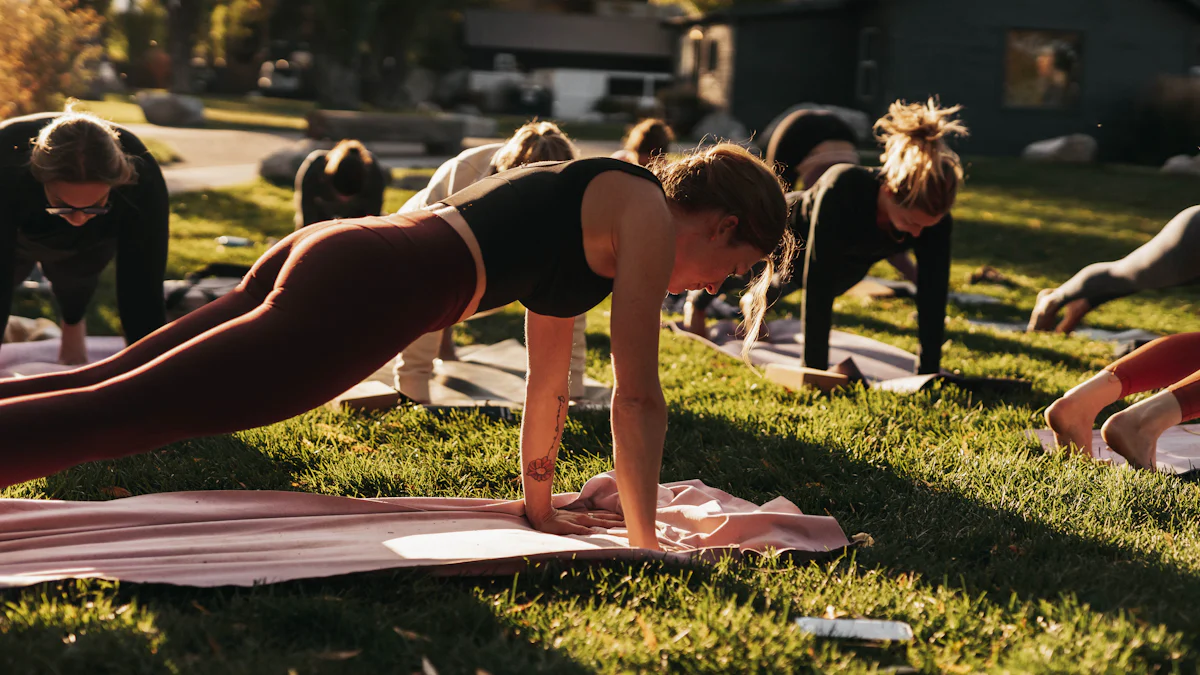
Ashtanga Yoga holds a significant place in the history of yoga, tracing its roots back to ancient India. This practice emerged within a rich cultural and spiritual context, shaped by the teachings of sages like Patanjali. For those interested in learning more, the ashtanga yoga wiki provides valuable insights into its origins and development. Understanding these roots enhances your practice today, connecting you to a lineage that spans centuries. As you explore Ashtanga Yoga, you engage with a tradition that emphasizes discipline, focus, and the pursuit of inner peace.
Key Takeaways
Ashtanga Yoga has ancient roots, tracing back over 4,000 years to the Indus-Sarasvati civilization, emphasizing a holistic approach to life.
Patanjali's Yoga Sutras provide a foundational framework for yoga practice, outlining the Eight Limbs of Yoga that guide practitioners toward self-realization.
T. Krishnamacharya revolutionized modern yoga by promoting adaptability in practice, allowing individuals to tailor their yoga experience to their unique needs.
K. Pattabhi Jois played a crucial role in popularizing Ashtanga Yoga globally, establishing a structured method that emphasizes discipline and mental focus.
Ashtanga Yoga continues to evolve, with contemporary practices blending traditional elements with mindfulness and self-awareness, making it accessible to a wider audience.
Engaging with the philosophical teachings of Ashtanga Yoga, such as the Yoga Sutras, can deepen your understanding and enrich your practice.
The supportive community surrounding Ashtanga Yoga fosters personal growth and inclusivity, encouraging practitioners of all backgrounds to explore their yoga journey.
The Early Beginnings of Yoga
Historical Context of Yoga in Ancient India
Yoga has deep roots in the history of ancient India. You can trace its origins back over 4,000 years to the Indus-Sarasvati civilization. This early society laid the groundwork for many spiritual practices. The ancient Rishis, or sages, shared their knowledge through oral traditions. They later documented their teachings in sacred texts like the Vedas and Upanishads.
The Rig Veda, one of the oldest Vedic texts, contains references to yogic practices. These practices focused on achieving harmony between the mind and body. As you explore these historical contexts, you will see how yoga evolved from simple physical exercises into a comprehensive system aimed at mental control and spiritual liberation.
The Philosophical Foundations of Yoga
The philosophical foundations of yoga emerged prominently with the work of Patanjali in the second century B.C. His compilation of the Yoga Sutras provided a structured approach to yoga. This text outlines the eight limbs of yoga, which guide practitioners toward self-realization.
Patanjali's teachings emphasize the importance of discipline, meditation, and ethical conduct. You can find that these principles remain relevant in modern practices. By understanding these foundational philosophies, you connect with the essence of yoga. This connection enriches your practice and deepens your understanding of its purpose.
As you delve into the early beginnings of yoga, remember that this journey is not just about physical postures. It encompasses a holistic approach to life, encouraging you to cultivate balance and awareness in every aspect of your being.
The Influence of Patanjali
The Yoga Sutras and Their Impact
Patanjali played a crucial role in shaping the practice of yoga through his compilation of the Yoga Sutras. This text consolidates a vast body of knowledge into a concise guide. It contains 196 Sutras divided into four chapters. Each chapter discusses the aims of yoga, the practice itself, the development of yogic powers, and the ultimate goal of liberation.
The Yoga Sutras introduce the Eight Limbs of Yoga, which serve as a roadmap for your spiritual journey. These limbs include:
Yama: Ethical restraints
Niyama: Self-discipline
Asana: Postures
Pranayama: Breath control
Pratyahara: Withdrawal of senses
Dharana: Concentration
Dhyana: Meditation
Samadhi: Union with the divine
By following these limbs, you can cultivate a balanced approach to your practice. The Yoga Sutras also warn you about potential pitfalls on your spiritual path. They provide practical means to overcome these challenges, ensuring you stay focused on your goals.
Patanjali's Role in Systematizing Yoga Practices
Patanjali's work systematized yoga practices, making them accessible to practitioners. His teachings emphasize the importance of mental steadiness and ethical conduct. He outlines practices essential for enhancing sattva, the quality of purity and harmony in your mind.
The aim of Patanjali's yoga is to achieve the cessation of mental modifications. This state leads to self-realization and deeper understanding of your true nature. By engaging with the Yoga Sutras, you connect with a comprehensive framework for spiritual growth. This framework remains relevant today, guiding you in your journey toward inner peace and enlightenment.
As you explore the ashtanga yoga wiki, you will find valuable insights into how Patanjali's teachings continue to influence modern yoga practices. Understanding his contributions enriches your experience and deepens your connection to this ancient tradition.
The Contributions of T. Krishnamacharya

Krishnamacharya's Teachings and Innovations
T. Krishnamacharya stands as a pivotal figure in the evolution of modern yoga. His teachings emphasized adaptability and personalization in practice. He believed that yoga should cater to individual needs rather than adhere to a rigid sequence. This approach allowed practitioners to experience yoga in a way that suited their unique physical and mental conditions.
For instance, when an advanced student named Krishnamurti sought lessons from Krishnamacharya, he faced challenges with tightness in his chest and neck. Instead of insisting on traditional headstands, Krishnamacharya recommended gentler alternatives like legs-up-the-wall. This adaptive teaching method showcased his understanding of the underlying principles of yoga. He prioritized the well-being of his students over strict adherence to form.
Krishnamacharya's innovations extended beyond physical adjustments. He integrated chanting and breath control into his teachings. These elements fostered a deeper connection between the mind and body. Many students found themselves mesmerized by his voice during chants, which created a profound atmosphere for learning. One student, Nrithya Jaganathan, recalled her first experience at the Mandiram, where she felt an immediate pull toward yoga. Her journey began with the enchanting sound of Krishnamacharya's chant.
The Revival of Traditional Yoga Practices
Krishnamacharya played a crucial role in reviving traditional yoga practices during a time when they faced decline. He sought to preserve ancient teachings while making them accessible to modern practitioners. His efforts led to the establishment of the Krishnamacharya Yoga Mandiram (KYM) in Chennai, where he trained countless students.
At KYM, Krishnamacharya emphasized the importance of understanding yoga's philosophical roots. He encouraged students to explore the Yoga Sutras and other ancient texts. This exploration helped them grasp the deeper meanings behind the postures and practices. By connecting with these traditions, you can enrich your own practice and appreciate the wisdom that has been passed down through generations.
Krishnamacharya's legacy continues to influence yoga today. His teachings inspire many modern styles, including Ashtanga Yoga. As you engage with these practices, remember the importance of adapting them to your own needs. This flexibility allows you to cultivate a meaningful and personal yoga journey.
The Legacy of K. Pattabhi Jois
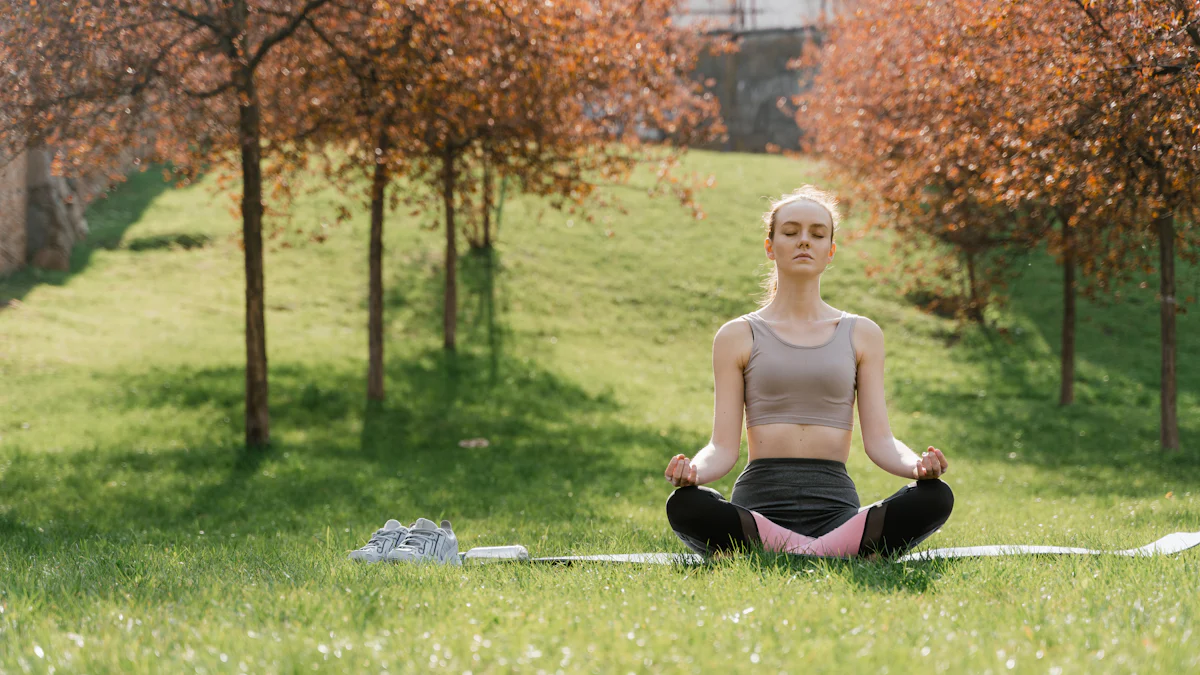
Jois's Role in Popularizing Ashtanga Yoga
K. Pattabhi Jois emerged as a key figure in the popularization of Ashtanga Yoga. He began his journey under the guidance of T. Krishnamacharya in the 1930s. This mentorship laid the foundation for his future teachings. In 1948, Jois founded the Ashtanga Yoga Research Institute in Mysore, India. This institute became a hub for yoga practitioners seeking to learn and deepen their practice.
Jois's dedication to Ashtanga Yoga helped introduce this dynamic style to the Western world. His teachings emphasized a structured approach, where practitioners follow a specific series of postures. This method not only challenged students physically but also encouraged them to cultivate mental focus and discipline. Many students traveled to Mysore to study with Jois, eager to experience his unique approach firsthand.
"The practice of Ashtanga Yoga is a journey of self-discovery," Jois often said, highlighting the transformative power of yoga.
The Development of the Ashtanga Method
Jois developed the Ashtanga method by integrating the teachings he learned from Krishnamacharya. He meticulously crafted a series of postures that practitioners could master progressively. This system allowed students to build strength and flexibility over time. Each series of postures, known as a "sequence," challenges you to deepen your practice while respecting your body's limits.
The Ashtanga method consists of six series, each with its own focus and intensity. As you advance through these series, you will notice significant improvements in your physical and mental well-being. Jois's approach encourages you to practice consistently, fostering a sense of commitment and dedication.
Through his teachings, Jois not only preserved traditional yoga practices but also adapted them for modern practitioners. His influence continues to resonate in yoga studios worldwide. As you explore the Ashtanga Yoga wiki, you will find valuable insights into Jois's contributions and the evolution of this powerful practice.
The Evolution of Ashtanga Yoga in the Modern Era
Global Spread and Adaptation of Ashtanga Yoga
Ashtanga Yoga has experienced remarkable growth and adaptation across the globe. You can find practitioners in every corner of the world, from bustling cities to serene retreats. The total number of yoga practitioners has surged significantly in recent years. In the United States alone, over 25,000 yoga studios operate, catering to millions of enthusiasts.
The global yoga market is projected to reach $66.22 billion by 2027, reflecting an annual growth rate of 9.6%. This expansion highlights the increasing interest in yoga as a holistic practice that promotes physical and mental well-being. Ashtanga Yoga, with its structured sequences and emphasis on breath, has become a popular choice among practitioners seeking discipline and focus.
You may notice that many studios now offer variations of Ashtanga Yoga, adapting the traditional sequences to meet the needs of modern students. Some instructors incorporate elements from other styles, creating a fusion that appeals to diverse audiences. This adaptability ensures that Ashtanga Yoga remains relevant and accessible, allowing you to explore its benefits in a way that resonates with your personal journey.
Contemporary Practices and Interpretations
Contemporary practices of Ashtanga Yoga reflect a blend of tradition and innovation. Many teachers emphasize the importance of mindfulness and self-awareness during practice. You will find that modern interpretations often focus on the mental aspects of yoga, encouraging you to cultivate a deeper connection with your breath and body.
In addition to the physical postures, contemporary classes may include meditation, chanting, and breathwork. These elements enhance your experience, fostering a sense of community and support among practitioners. As you engage with these practices, you can appreciate the rich tapestry of influences that shape modern Ashtanga Yoga.
Many practitioners also explore the philosophical teachings behind Ashtanga Yoga. By studying the Yoga Sutras and other ancient texts, you gain insights into the principles that guide your practice. This exploration deepens your understanding and enriches your journey on the mat.
As you navigate the evolving landscape of Ashtanga Yoga, remember that your practice is unique to you. Embrace the changes and adaptations that resonate with your personal goals. This flexibility allows you to cultivate a meaningful connection with Ashtanga Yoga, ensuring that it remains a vital part of your life.
The Significance of Ashtanga Yoga Today
Ashtanga Yoga's Influence on Modern Yoga Styles
Ashtanga Yoga significantly shapes many modern yoga styles. You can see its impact in various practices that emphasize breath, movement, and alignment. Many contemporary yoga classes incorporate elements of Ashtanga, such as vinyasa flow, which links breath with movement. This connection enhances your experience on the mat, promoting mindfulness and focus.
The structured sequences of Ashtanga also inspire other styles. For instance, power yoga draws from Ashtanga's dynamic approach, offering a vigorous workout that builds strength and flexibility. You may notice that studios often blend Ashtanga principles with other techniques, creating unique classes that cater to diverse needs.
Statistics reveal the growing popularity of yoga. Approximately 36 million Americans practice yoga, representing about 11% of the population. Globally, around 300 million people engage in yoga. This widespread interest highlights the relevance of Ashtanga Yoga in today's wellness culture.
The Community and Culture Surrounding Ashtanga Yoga
The community surrounding Ashtanga Yoga fosters a sense of belonging and support. You will find practitioners who share a commitment to discipline and personal growth. Many Ashtanga studios create an environment that encourages connection among students. This supportive atmosphere enhances your practice and motivates you to explore your limits.
Ashtanga Yoga also emphasizes the importance of tradition. You can participate in workshops, retreats, and teacher training programs that honor the lineage of this practice. Engaging with experienced teachers allows you to deepen your understanding and refine your skills.
The culture of Ashtanga Yoga promotes inclusivity. While the practice can be physically demanding, it welcomes individuals of all backgrounds and abilities. You may encounter practitioners who have transformed their lives through yoga, inspiring you to embark on your own journey.
Ashtanga Yoga Wiki
Overview of Ashtanga Yoga's Historical Development
Ashtanga Yoga has a rich historical development that spans centuries. You can trace its roots back to ancient texts and teachings. The sage Patanjali laid the groundwork with his Yoga Sutras, which provided a structured approach to yoga. His work emphasized the importance of discipline and ethical conduct.
In the 20th century, Sri K. Pattabhi Jois emerged as a pivotal figure in the evolution of Ashtanga Yoga. He began studying under T. Krishnamacharya at the age of 12 in the 1920s. This mentorship profoundly influenced his teachings. In 1948, Jois founded the Ashtanga Yoga Research Institute in Mysore, India. This institute became a center for practitioners seeking to learn the structured Ashtanga Vinyasa Yoga system.
Jois popularized Ashtanga Yoga globally. He taught the first 'led primary series' classes in the United States, introducing many to this dynamic practice. His teachings emphasized a specific series of postures linked by breath, known as vinyasa. This method challenged students physically while fostering mental focus.
Key Figures and Their Contributions
Several key figures shaped the development of Ashtanga Yoga.
Patanjali: His Yoga Sutras provided the philosophical foundation for yoga. He outlined the Eight Limbs of Yoga, guiding practitioners toward self-realization.
T. Krishnamacharya: Often called the father of modern yoga, he revived traditional practices and emphasized adaptability. His teachings allowed students to personalize their practice based on individual needs.
Sri K. Pattabhi Jois: He codified Ashtanga Yoga as a distinct style in the 20th century. His structured approach gained international acclaim. Jois trained countless students, leading to the exponential growth of Ashtanga Yoga worldwide.
These figures contributed significantly to the evolution of Ashtanga Yoga. Their teachings continue to influence contemporary practices. As you explore the ashtanga yoga wiki, you will find valuable insights into their legacies and the historical development of this transformative practice.
Ashtanga Yoga has a rich history marked by key milestones. You can trace its development from ancient texts to the teachings of Patanjali, Krishnamacharya, and Jois. Each figure contributed uniquely, shaping the practice into what it is today.
In contemporary society, Ashtanga Yoga remains relevant. It offers you a path to discipline, focus, and self-discovery. Many practitioners find meaning in this practice despite its complex history.
Explore Ashtanga Yoga in your own way. Embrace its teachings and adapt them to your journey. Your practice can lead to profound personal growth and connection to a timeless tradition.
FAQ
What is the difference between Ashtanga Vinyasa and Vinyasa Flow?
Ashtanga Vinyasa serves as the predecessor to Vinyasa Flow. In Ashtanga, you often repeat postures, and the sequence and intensity can vary based on the teacher's focus for that day. Both practices offer unique benefits. Ashtanga builds strength and flexibility, while also promoting mindfulness and mental well-being. You will likely sweat during an Ashtanga session, making it a great choice for those seeking a physically demanding practice. Engaging in Ashtanga can deepen your awareness, enhancing your Vinyasa practice.
How often should I practice Ashtanga Yoga?
You should aim to practice Ashtanga Yoga at least three to five times a week. Consistency helps you build strength, flexibility, and endurance. Regular practice allows you to connect more deeply with the sequences and develop a better understanding of your body. Listen to your body and adjust your practice frequency as needed. If you feel fatigued or overwhelmed, consider incorporating rest days to allow for recovery.
Can beginners practice Ashtanga Yoga?
Yes, beginners can practice Ashtanga Yoga. However, starting with a qualified instructor is essential. They can guide you through the foundational postures and help you understand the principles of the practice. Ashtanga emphasizes a strong foundation, so take your time to learn the basics. You may find it beneficial to start with a modified version of the sequences before progressing to the full practice.
What should I wear to an Ashtanga Yoga class?
Wear comfortable, breathable clothing that allows for movement. Opt for fitted clothes to prevent distractions during practice. Avoid loose garments that may get in the way of your postures. Many practitioners choose yoga pants or shorts paired with a fitted top. Ensure your clothing allows you to move freely and comfortably throughout the session.
Do I need any special equipment for Ashtanga Yoga?
You do not need much equipment for Ashtanga Yoga. A yoga mat is essential for providing grip and cushioning. You may also find yoga blocks and straps helpful, especially as you work on flexibility and alignment. These props can assist you in achieving proper form and making postures more accessible.
How long does an Ashtanga Yoga session typically last?
An Ashtanga Yoga session usually lasts between 60 to 90 minutes. The duration can vary based on the class format and the instructor's approach. Expect to spend time warming up, practicing the sequences, and cooling down. This timeframe allows you to engage fully with the practice and experience its benefits.
What are the benefits of practicing Ashtanga Yoga?
Practicing Ashtanga Yoga offers numerous benefits, including:
Increased strength: The dynamic sequences build muscle and improve overall strength.
Enhanced flexibility: Regular practice helps you achieve greater flexibility over time.
Improved focus: The emphasis on breath and movement cultivates mental clarity and concentration.
Stress relief: Engaging in Ashtanga promotes relaxation and reduces stress levels.
Mind-body connection: The practice fosters a deeper awareness of your body and mind.
Is Ashtanga Yoga suitable for everyone?
Ashtanga Yoga can be suitable for many individuals, but it may not be ideal for everyone. Those with specific injuries or health concerns should consult a healthcare professional before starting. Additionally, the physically demanding nature of Ashtanga may not appeal to everyone. If you prefer a gentler approach, consider exploring other styles of yoga that align better with your needs.
How can I deepen my Ashtanga Yoga practice?
To deepen your Ashtanga Yoga practice, consider the following tips:
Practice regularly: Consistency is key to improvement.
Focus on breath: Pay attention to your breath during each posture.
Set intentions: Establish personal goals for your practice.
Seek guidance: Work with experienced instructors who can provide feedback.
Explore philosophy: Study the Yoga Sutras and other texts to enrich your understanding.
Where can I find Ashtanga Yoga classes near me?
You can find Ashtanga Yoga classes at local yoga studios, community centers, or fitness facilities. Many studios offer introductory classes for beginners. Online platforms also provide virtual classes, allowing you to practice from home. Check local listings or websites to discover options that fit your schedule and preferences.
See Also
Exploring Yoga's Roots: A Journey Through History
A Beginner's Guide to Starting Ashtanga Yoga
Kickstart Your Yoga Practice at Home Today

Hi my name is Lia and i am your host in this yoga journey in Portugal, Subscribe to our newsletter to receive every week the best of Yoga in Portugal.

We bring back the importance of initiation into womanhood by Roos-Veerle Krijnen & Ella-June Henrard
Welcome to the Women’s Initiation Retreat by Naked Truth Retreats, a transformative journey into the depths of your True Feminine Nature. This retreat invites you to remember the sacredness and wholeness of your being.
Roos-Veerle Krijnen & Ella-June Henrard