Tracing the Roots and Importance of World Yoga Day

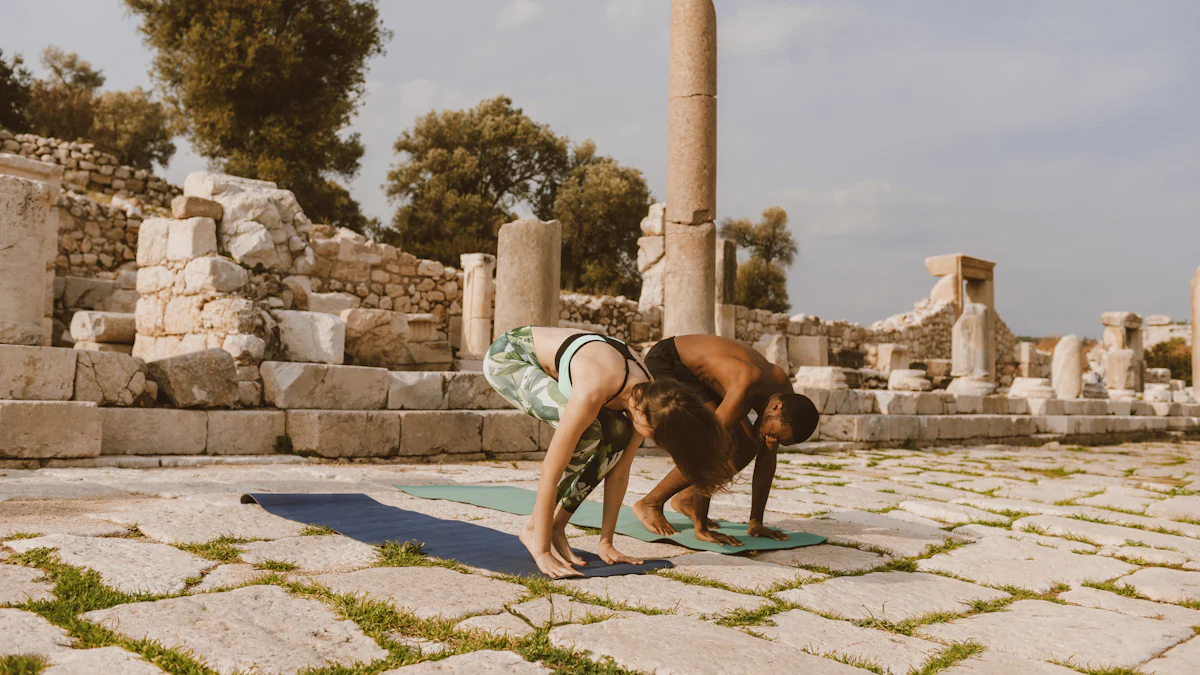
World Yoga Day, celebrated annually on June 21, highlights the profound impact of yoga on global health and wellness. This day unites millions worldwide, transcending cultural and geographical boundaries. In 2022, over 400 million people participated in the celebrations, showcasing yoga's universal appeal. Understanding the roots of World Yoga Day is crucial, as it emphasizes the ancient practice's significance in promoting physical, mental, and spiritual well-being. With more than 20 million Americans practicing yoga, its popularity continues to soar, reflecting its vital role in enhancing overall quality of life.
Origins of World Yoga Day
Historical Background
Ancient Yoga Practices
Yoga's roots trace back over 5,000 years to ancient India, where it began as a spiritual discipline. Early practitioners sought to achieve harmony between the mind, body, and spirit. They developed various postures, breathing techniques, and meditation practices. These elements formed the foundation of yoga, emphasizing self-awareness and inner peace.
Evolution of Yoga Over Time
Yoga's journey from ancient India to the modern world reflects its adaptability and enduring appeal. By the late 19th century, yoga had gained prominence in the West. Indian monks, such as Swami Vivekananda, played a pivotal role in introducing yoga to Western audiences. His tours in Europe and the United States in the 1890s sparked interest in Indian philosophy and yoga practices. The 1970s marked a significant turning point when Indian yoga teachers began attracting Western students. This period saw yoga's transformation into a global phenomenon, incorporating diverse styles and modern innovations. Today, yoga enjoys widespread popularity, with millions practicing it worldwide.
Proposal and Establishment
United Nations Involvement
The establishment of World Yoga Day, officially known as the International Day of Yoga, highlights yoga's universal appeal. In 2015, the United Nations declared June 21st as International Yoga Day. This decision recognized yoga's ability to foster harmony and peace among people of different cultures and backgrounds. The date holds special significance as it marks the summer solstice, the longest day of the year in the Northern Hemisphere.
Key Figures and Proponents
India's Prime Minister Narendra Modi played a crucial role in proposing World Yoga Day. During his address at the United Nations in September 2014, he emphasized yoga's benefits for physical, mental, and spiritual well-being. His advocacy, along with support from other key figures, led to the global recognition of yoga's importance. The first International Day of Yoga was celebrated on June 21, 2015, uniting millions worldwide in a shared appreciation for this ancient practice.
Significance of World Yoga Day
Global Recognition
Countries Participating
World Yoga Day has gained recognition across the globe. Over 190 countries participate in this annual celebration, highlighting yoga's universal appeal. Nations from every continent organize events to promote the practice, showcasing its adaptability to diverse cultures and lifestyles. This widespread participation underscores yoga's role in fostering global unity and understanding.
Cultural Exchange and Unity
Yoga serves as a bridge between cultures, promoting exchange and unity. By practicing yoga, individuals from different backgrounds connect through shared experiences. This cultural exchange enriches communities, fostering mutual respect and appreciation. World Yoga Day emphasizes these connections, encouraging people to embrace diversity and celebrate common values.
Health and Wellness Impact
Physical Benefits
Yoga offers numerous physical benefits. Regular practice enhances flexibility, strength, and balance. It also alleviates lower back pain and reduces inflammation. Many find that yoga boosts physical fitness and improves overall well-being. These benefits make yoga an effective tool for maintaining a healthy lifestyle.
Mental and Emotional Well-being
Yoga significantly impacts mental and emotional health. Practicing yoga reduces stress and anxiety, providing immediate psychological relief. It also improves concentration and emotional stability. Many studies show that yoga can help manage anxiety and depression by increasing serotonin levels and decreasing stress-related hormones. This holistic approach to wellness makes yoga a valuable practice for enhancing mental health.
Themes of World Yoga Day
Annual Themes
World Yoga Day features annual themes that highlight various aspects of yoga. These themes guide the celebrations and focus on different benefits of the practice.
Past Themes and Their Focus
Past themes have included:
Yoga for Health: Emphasizing physical well-being and fitness.
Yoga for Peace: Promoting inner tranquility and global harmony.
Yoga for Climate Action: Encouraging environmental awareness and sustainability.
These themes reflect yoga's diverse potential to enhance global well-being.
Current Year’s Theme
The current year's theme continues this tradition by focusing on a specific aspect of yoga's impact. It aims to inspire participants to explore new dimensions of the practice, fostering a deeper connection with themselves and the world.
Importance of Themes
Themes play a crucial role in shaping the celebration of World Yoga Day. They provide direction and purpose, ensuring that the day remains relevant and impactful.
Raising Awareness
Themes help raise awareness about yoga's benefits. By focusing on specific issues, they educate the public and encourage more people to engage with yoga. This awareness leads to a broader understanding of how yoga can improve lives.
Promoting Inclusivity
Themes also promote inclusivity by addressing diverse needs and interests. They invite people from all walks of life to participate, regardless of their background or experience level. This inclusivity strengthens the global yoga community, fostering unity and shared values.
Ways to Celebrate World Yoga Day
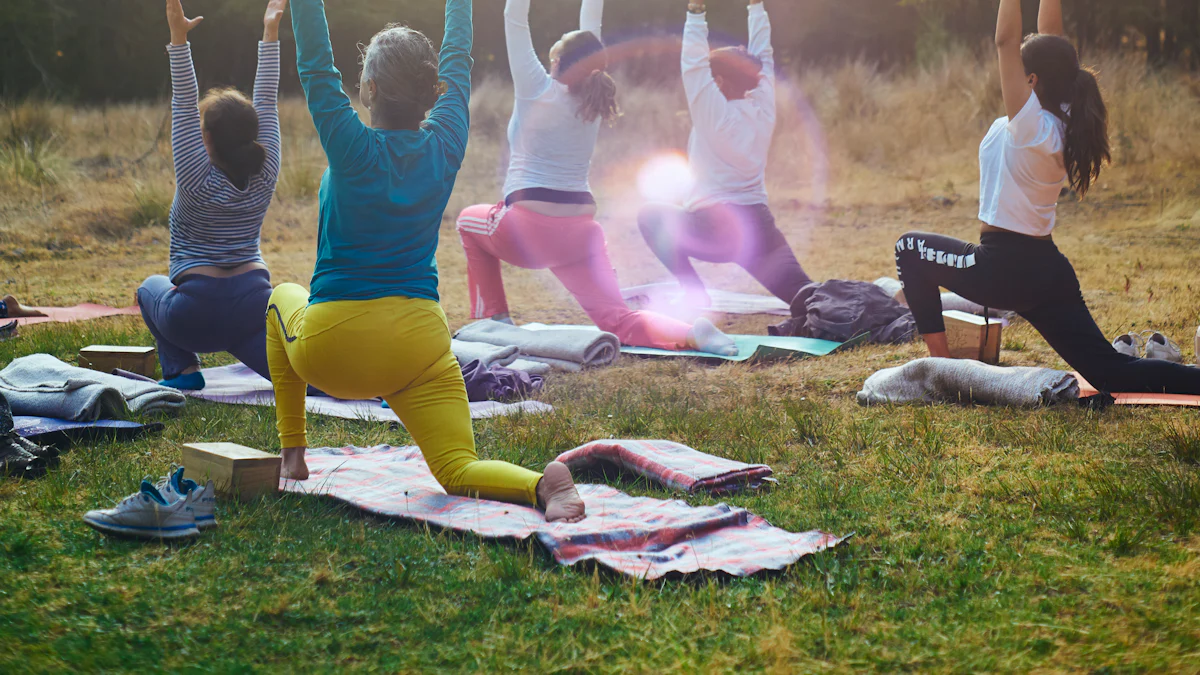
World Yoga Day offers a unique opportunity for individuals and communities to embrace the practice of yoga. Celebrating this day can take many forms, from participating in community events to engaging in personal practices.
Community Events
Local Yoga Sessions
Local yoga sessions provide a wonderful way for people to come together and celebrate World Yoga Day. Many communities organize outdoor classes in parks or public spaces, allowing participants to enjoy nature while practicing yoga. These sessions often cater to all skill levels, making them accessible to beginners and experienced yogis alike. By joining these events, individuals can connect with others who share a passion for yoga and wellness.
Online Workshops and Classes
For those unable to attend in-person events, online workshops and classes offer a convenient alternative. Many yoga instructors and organizations host virtual sessions, allowing participants to join from anywhere in the world. These online classes often feature diverse styles and themes, providing opportunities to explore new aspects of yoga. Engaging in these virtual events helps foster a sense of global unity and shared purpose.
Personal Practices
Home Yoga Routines
Practicing yoga at home offers flexibility and personalization. Individuals can create routines that suit their needs and preferences, focusing on specific postures or breathing techniques. Home practice allows for a deeper connection with oneself, promoting self-awareness and mindfulness. By dedicating time to personal yoga routines, individuals can experience the profound benefits of this ancient practice.
Meditation and Mindfulness
Meditation and mindfulness complement yoga practice by enhancing mental clarity and emotional balance. Incorporating these elements into daily life can lead to greater peace and well-being. On World Yoga Day, individuals can set aside time for meditation, focusing on breath and presence. This practice encourages a harmonious connection between mind, body, and spirit, embodying the essence of yoga.
Celebrating World Yoga Day through community events and personal practices enriches lives and strengthens connections. Whether participating in local sessions or exploring yoga at home, individuals can honor this day by embracing the transformative power of yoga.
Addressing Common Misconceptions
Misunderstandings About Yoga
Yoga as a Physical Exercise Only
Many people mistakenly view yoga solely as a physical exercise. While yoga does enhance flexibility and strength, it also nurtures mental and spiritual well-being. The practice involves meditation and breathing techniques that promote relaxation and mindfulness. These elements help individuals achieve a balanced state of mind and body. Yoga's holistic approach makes it more than just a workout; it becomes a path to overall wellness.
Cultural Appropriation Concerns
Cultural appropriation in yoga has sparked discussions. Some worry that practicing yoga outside its cultural context may disrespect its origins. However, understanding and respecting yoga's roots can foster appreciation rather than appropriation. Practitioners should educate themselves about yoga's history and philosophy. This awareness helps maintain the integrity of the practice and honors its rich heritage.
Clarifying FAQs
Who Can Practice Yoga?
Yoga is accessible to everyone, regardless of age or ability. Experts emphasize that yoga adapts to suit various needs. People of all body types and fitness levels can benefit from yoga. Modifications and different styles ensure that everyone can participate. This inclusivity makes yoga a universal practice that welcomes all.
Yoga for Different Age Groups
Yoga offers benefits for all age groups. Children can improve focus and coordination through playful poses. Adults find stress relief and increased flexibility. Seniors benefit from gentle movements that enhance mobility and balance. Yoga's adaptability ensures that it supports health and well-being at every stage of life.
World Yoga Day serves as a reminder of yoga's diverse benefits and its ability to unite people globally. By addressing misconceptions, individuals can embrace yoga with a deeper understanding and appreciation.
World Yoga Day plays a vital role in enhancing global health and wellness. It unites people across cultures, promoting peace and harmony. Millions have experienced improved health through yoga, highlighting its profound impact. This day spreads awareness about yoga's benefits for both physical and mental well-being. Participation encourages individuals to embrace a healthier lifestyle. By joining the celebrations, people contribute to a global movement that fosters unity and understanding. Embracing yoga enriches lives and strengthens communities, making World Yoga Day an essential celebration for all.
See Also
Exploring the Benefits of Yin Yoga Practice
Selecting the Perfect Yoga School for Your Path
Simple Ways to Introduce Yoga to Young Children

Hi my name is Lia and i am your host in this yoga journey in Portugal, Subscribe to our newsletter to receive every week the best of Yoga in Portugal.

We bring back the importance of initiation into womanhood by Roos-Veerle Krijnen & Ella-June Henrard
Welcome to the Women’s Initiation Retreat by Naked Truth Retreats, a transformative journey into the depths of your True Feminine Nature. This retreat invites you to remember the sacredness and wholeness of your being.
Roos-Veerle Krijnen & Ella-June Henrard