Tracing the Origins of Yoga: A Historical Journey

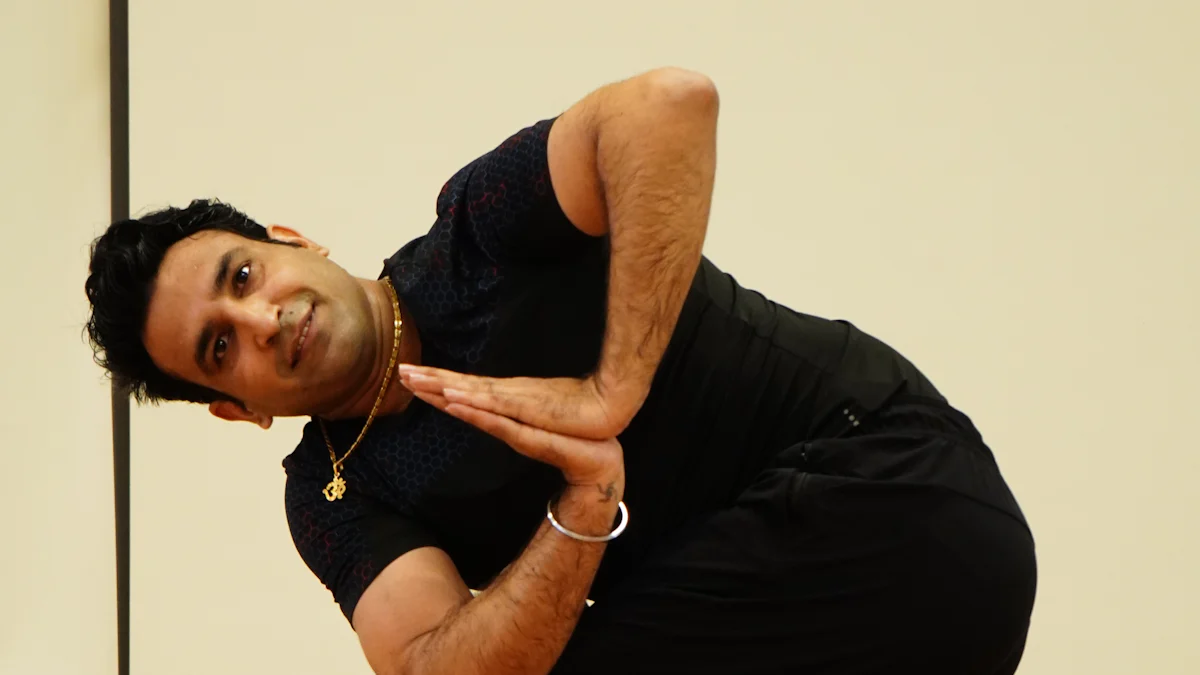
Yoga's ancient roots stretch back over 5,000 years to northern India. This practice, which unites mind, body, and spirit, has evolved significantly over millennia. Today, approximately 300 million people worldwide embrace yoga, highlighting its enduring appeal. In the U.S. alone, the number of practitioners surged from nearly 20 million in 2011 to over 55 million by 2020. The founder of yoga, often attributed to ancient Rishis, laid the groundwork for a practice that continues to enrich lives. Yoga's cultural and philosophical richness remains a beacon for those seeking balance and self-realization.
Pre-Vedic Period
Early Practices and Beliefs
Shamanistic Traditions
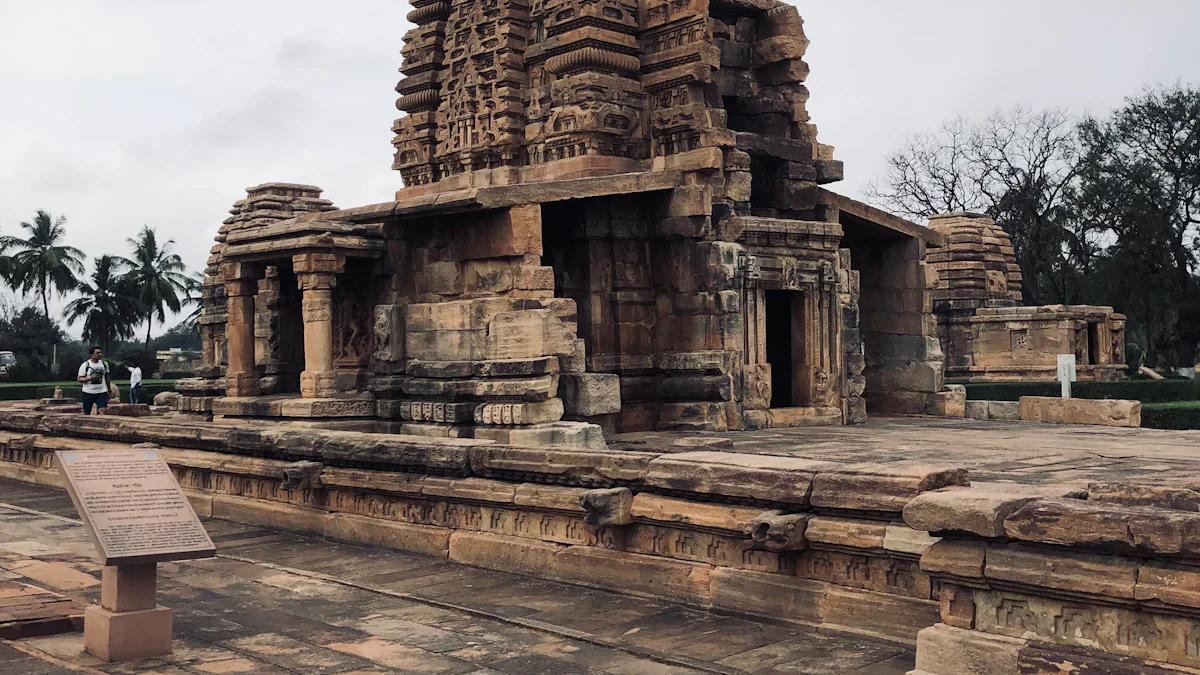
In the pre-Vedic period, shamanistic traditions played a crucial role in shaping early spiritual practices. Shamans, often regarded as spiritual leaders, engaged in rituals that connected them with the divine. They believed in the power of nature and the cosmos, seeking harmony between the physical and spiritual realms. These practices laid the groundwork for what would later evolve into yoga. The founder of yoga, often attributed to ancient Rishis, drew inspiration from these early traditions, incorporating elements of meditation and spiritual connection.
Proto-Yoga Practices
Proto-yoga practices emerged during this time, characterized by a focus on meditation and self-discipline. These early forms of yoga emphasized mental and physical control, aiming to achieve a state of inner peace and enlightenment. The founder of yoga recognized the importance of these practices, which eventually became integral to the development of yoga as a holistic discipline. The emphasis on meditation and self-awareness in proto-yoga practices set the stage for the more structured forms of yoga that would follow.
Archaeological Evidence
Indus Valley Civilization
The Indus Valley Civilization, which thrived between 3,300 and 1,300 BC, provides significant archaeological evidence of early yoga practices. Excavations in this region have uncovered stone seals depicting figures in yogic poses, suggesting the presence of proto-yoga practices. These artifacts indicate that the people of the Indus Valley engaged in spiritual and meditative activities, hinting at the early origins of yoga. The founder of yoga likely drew inspiration from these ancient practices, incorporating them into the evolving tradition of yoga.
Seals and Artifacts
Seals and artifacts from the Indus-Saraswati Valley civilization further support the existence of yoga during ancient times. These items often depict individuals performing yoga sadhana, or spiritual practice, highlighting the deep connection between the people of that era and yogic traditions. The Pashupati Seal, for example, may represent one of the earliest known depictions of yoga, pointing to a possible ancient origin. The founder of yoga likely recognized the significance of these practices, integrating them into the broader framework of yoga philosophy.
Vedic Period
The Vedas and Yoga
Hymns and Rituals
The Vedic period marks a significant chapter in the history of yoga. The Vedas, ancient Indian scriptures, serve as the earliest written records of yoga practices. These texts, composed around 1500 BCE, contain hymns and rituals that reflect the spiritual and philosophical beliefs of the time. The Vedic hymns often emphasize the importance of maintaining harmony between the individual and the cosmos. Rituals described in the Vedas involve offerings and chants aimed at connecting with divine forces. These practices laid the groundwork for the development of yoga as a spiritual discipline.
The Concept of Meditation
Meditation, a core component of yoga, finds its roots in the Vedic period. The Vedas introduce the concept of meditation as a means to achieve mental clarity and spiritual insight. Practitioners engaged in meditative practices to quiet the mind and connect with their inner selves. This focus on meditation highlights the Vedic understanding of the mind-body connection. The Vedic sages recognized meditation as a powerful tool for self-discovery and enlightenment, setting the stage for its integral role in yoga.
Philosophical Foundations
The Upanishads
The Upanishads, a collection of philosophical texts, emerged during the later Vedic period. These writings delve deeper into the spiritual and metaphysical aspects of yoga. The Upanishads shift the focus from external rituals to internal practices, emphasizing the dissolution of the ego. They introduce various paths to self-realization, such as Jnana Yoga (the path of knowledge), Karma Yoga (the path of action), Bhakti Yoga (the path of devotion), and Raja Yoga (the path of meditation). The Upanishads provide spiritual knowledge and guidance, offering insights into the meaning of life and the pursuit of wisdom.
"The Upanishads discuss methods of meditation and philosophy on the path to Self-realization."
The Emergence of Ascetic Practices
Ascetic practices began to take shape during the Vedic period, influenced by the philosophical teachings of the Upanishads. Ascetics, or individuals who renounce worldly pleasures, sought to attain spiritual liberation through self-discipline and meditation. These practices involved rigorous physical and mental exercises designed to purify the body and mind. The emergence of asceticism reflects the growing emphasis on personal transformation and spiritual growth. Ascetic practices became a cornerstone of yoga, highlighting the commitment to self-mastery and enlightenment.
Classical Period
The Yoga Sutras of Patanjali
Systematization of Yoga
During the Classical Period, the great sage Maharshi Patanjali emerged as a pivotal figure in the history of yoga. He is often regarded as the founder of yoga due to his significant contributions to its systematization. Patanjali compiled the Yoga Sutras, a foundational text that meticulously organized and classified existing yoga practices. This work provided a comprehensive framework for understanding yoga as a spiritual discipline. By outlining a systematic approach, Patanjali ensured the preservation and development of yoga, guiding practitioners toward moral perfection and spiritual fulfillment.
The Yoga Sutras consist of concise aphorisms that delve into the nature of the mind, the universe, and the path to salvation. Patanjali's insights offered a structured methodology for achieving inner peace and self-realization. His work emphasized the importance of discipline, meditation, and ethical conduct in the pursuit of spiritual growth. As the founder of yoga, Patanjali's contributions continue to influence modern yoga practices, providing a timeless guide for those seeking enlightenment.
The Eight Limbs of Yoga
Patanjali's Yoga Sutras introduced the concept of the Eight Limbs of Yoga, a comprehensive path to spiritual development. These limbs serve as a roadmap for practitioners, guiding them through various stages of self-discovery and transformation. The Eight Limbs include:
Yama: Ethical principles that promote moral conduct and social harmony.
Niyama: Personal observances that cultivate self-discipline and inner purity.
Asana: Physical postures that enhance strength, flexibility, and balance.
Pranayama: Breath control techniques that regulate energy flow and calm the mind.
Pratyahara: Withdrawal of the senses to focus inward and achieve mental clarity.
Dharana: Concentration practices that develop single-pointed focus.
Dhyana: Meditation techniques that foster deep contemplation and awareness.
Samadhi: The ultimate state of spiritual union and enlightenment.
These Eight Limbs form the core of Patanjali's teachings, offering a holistic approach to yoga that integrates physical, mental, and spiritual practices. As the founder of yoga, Patanjali's systematic presentation of these principles has left an indelible mark on the evolution of yoga.
Influence of Hindu Philosophy
Samkhya and Vedanta
The Classical Period witnessed the profound influence of Hindu philosophy on the development of yoga. Two major philosophical systems, Samkhya and Vedanta, played a crucial role in shaping yogic thought. Samkhya, one of the oldest schools of Indian philosophy, provided a dualistic framework that emphasized the distinction between consciousness (Purusha) and matter (Prakriti). This philosophy laid the groundwork for understanding the nature of the self and the universe.
Vedanta, on the other hand, offered a non-dualistic perspective that emphasized the unity of all existence. It taught that the individual soul (Atman) is identical to the universal soul (Brahman), highlighting the interconnectedness of all beings. These philosophical insights enriched the spiritual dimensions of yoga, guiding practitioners toward self-realization and liberation.
Integration with Spiritual Practices
The integration of Hindu philosophy with spiritual practices further enriched the tradition of yoga. Practitioners began to incorporate elements of Samkhya and Vedanta into their yogic journey, deepening their understanding of the self and the cosmos. This synthesis of philosophy and practice allowed individuals to explore the profound mysteries of existence and attain higher states of consciousness.
As the founder of yoga, Patanjali's teachings resonated with these philosophical currents, providing a structured approach to spiritual exploration. His Yoga Sutras served as a bridge between ancient wisdom and practical application, enabling practitioners to navigate the complexities of the mind and spirit. Through this integration, yoga evolved into a comprehensive system that continues to inspire seekers on their path to enlightenment.
Post-Classical Period
Development of Hatha Yoga
Physical Practices and Techniques
Hatha Yoga emerged during the post-classical period as a significant development in the history of yoga. This form of yoga focuses on physical practices and techniques designed to prepare the body for meditation. Practitioners engage in various asanas or postures that enhance flexibility, strength, and balance. These physical exercises aim to create harmony between the body and mind, promoting overall well-being.
Scientific Research Findings:
Hatha Yoga enhances flexibility, strength, and balance.
It improves respiratory function and mental focus.
Practitioners experience emotional balance, relaxation, and stress reduction.
The emphasis on physical practices in Hatha Yoga reflects a shift towards a more holistic approach to health and wellness. By incorporating these techniques, individuals can achieve a state of calmness and tranquility, paving the way for deeper spiritual exploration.
Influence of Tantra
Tantra significantly influenced the development of Hatha Yoga. This spiritual tradition emphasizes the unity of the physical and spiritual realms, encouraging practitioners to explore their inner selves through various rituals and practices. Tantra introduced new dimensions to yoga, including the use of mantras (sacred sounds) and mudras (hand gestures) to enhance meditation and energy flow.
The integration of Tantric elements into Hatha Yoga enriched its spiritual aspects, offering practitioners a comprehensive path to self-realization. By embracing these practices, individuals can cultivate a deeper connection with their inner selves and the universe.
Expansion of Yogic Literature
Texts and Manuals
The post-classical period witnessed a significant expansion of yogic literature. Scholars and practitioners began to compile texts and manuals that documented various yoga practices and philosophies. These writings served as valuable resources for those seeking to deepen their understanding of yoga.
Key Texts:
Hatha Yoga Pradipika: A foundational text that outlines the principles and practices of Hatha Yoga.
Gheranda Samhita: A comprehensive manual that covers physical postures, breathing techniques, and meditation practices.
These texts provided detailed instructions on the physical and spiritual aspects of yoga, guiding practitioners on their journey toward self-discovery and enlightenment.
Diverse Schools of Thought
The expansion of yogic literature led to the emergence of diverse schools of thought within the yoga tradition. Different lineages and philosophies began to develop, each offering unique perspectives on the practice of yoga. These schools emphasized various aspects of yoga, such as physical postures, meditation, or spiritual enlightenment.
The diversity of thought within the yoga tradition enriched its cultural and philosophical dimensions, allowing practitioners to explore different paths to self-realization. By embracing these diverse teachings, individuals can find a practice that resonates with their personal beliefs and aspirations.
Modern Period

Yoga's Global Spread
Introduction to the West
Yoga's journey to the West began in the late 19th and early 20th centuries. Swami Vivekananda, a prominent Indian monk, played a pivotal role in introducing yoga to Western audiences. He delivered lectures on yoga and Indian philosophy at the Parliament of the World's Religions in Chicago in 1893. This marked the beginning of yoga's global spread. Western interest in yoga grew as people became fascinated by its spiritual and physical benefits. The founder of yoga, often attributed to ancient Rishis, laid the groundwork for a practice that resonated with Western seekers of spiritual enlightenment.
Popularization and Adaptation
As yoga gained popularity in the West, it underwent significant adaptation to fit modern lifestyles. The practice evolved from a spiritual discipline into a holistic approach to health and wellness. Yoga studios began to emerge, offering classes that catered to diverse preferences and abilities. The founder of yoga's teachings inspired a variety of styles, such as Vinyasa, Ashtanga, and Bikram, each emphasizing different aspects of the practice. This adaptability contributed to yoga's widespread appeal, making it accessible to people of all ages and backgrounds.
Contemporary Practices
Fusion with Fitness and Wellness
In contemporary times, yoga has seamlessly integrated with the fitness and wellness industry. Many individuals incorporate yoga into their exercise routines to enhance flexibility, strength, and mental clarity. The founder of yoga's emphasis on balance and self-awareness aligns with modern health goals. Scientific research highlights yoga's benefits for mental and physical health, including stress reduction, improved respiratory function, and emotional balance. This fusion with fitness has led to the development of hybrid practices, such as yoga-Pilates and yoga-aerobics, which attract a broad audience seeking holistic well-being.
Yoga as a Global Phenomenon
Today, yoga stands as a global phenomenon embraced by millions worldwide. Its popularity continues to grow due to its adaptability and accessibility. Online classes and mobile apps have made yoga more accessible than ever, allowing individuals to practice from the comfort of their homes. The founder of yoga's teachings have transcended cultural boundaries, inspiring people to explore the practice's spiritual and physical dimensions. Yoga's ability to cater to various demographics and lifestyles underscores its enduring relevance in the modern world.
Yoga's journey from ancient India to the modern world showcases its enduring appeal and adaptability. Over millennia, yoga evolved from shamanistic traditions to a global phenomenon embraced by millions. Its teachings offer timeless wisdom for achieving holistic health and well-being. Today, yoga promotes physical fitness, mental clarity, and spiritual exploration. Its integration into mainstream wellness practices highlights its relevance in contemporary society. As a beacon of cultural and philosophical richness, yoga continues to inspire individuals worldwide, promising a healthier, more mindful future for all.
See Also
A Beginner's Guide To Starting Ashtanga Yoga
Uncover The Wellness Advantages Of Practicing Yoga
Exploring The Philosophy And Practice Of Gyan Yoga

Hi my name is Lia and i am your host in this yoga journey in Portugal, Subscribe to our newsletter to receive every week the best of Yoga in Portugal.

We bring back the importance of initiation into womanhood by Roos-Veerle Krijnen & Ella-June Henrard
Welcome to the Women’s Initiation Retreat by Naked Truth Retreats, a transformative journey into the depths of your True Feminine Nature. This retreat invites you to remember the sacredness and wholeness of your being.
Roos-Veerle Krijnen & Ella-June Henrard