Tracing the Ancient Origins and Growth of Yoga

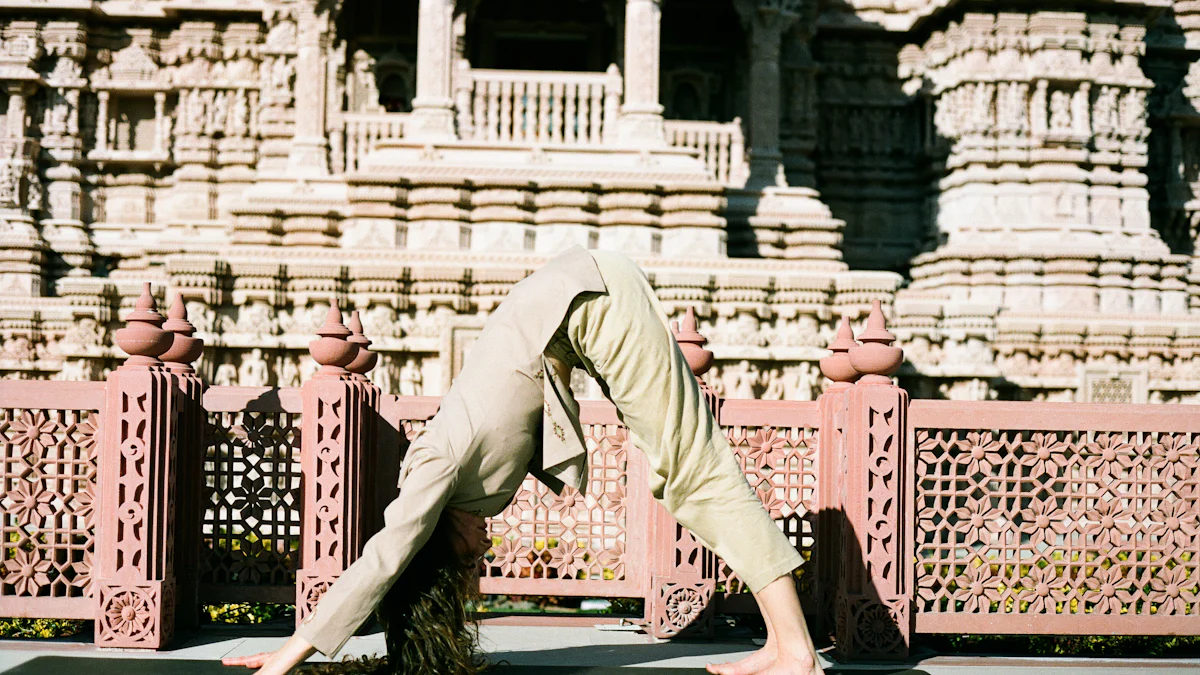
Yoga, an ancient practice originating from India, has evolved into a global phenomenon. Understanding its history enriches one's appreciation of its profound impact on both physical and mental well-being. Today, yoga in English-speaking countries continues to thrive, with 36 million people in the US practicing regularly. Its popularity stems from its adaptability and holistic benefits. The global yoga market is projected to reach $66.2 billion by 2027, reflecting its enduring influence. As more individuals embrace yoga, its historical roots offer valuable insights into its transformative power.
The Pre-Classical Period
Early Beginnings
Indus Valley Civilization
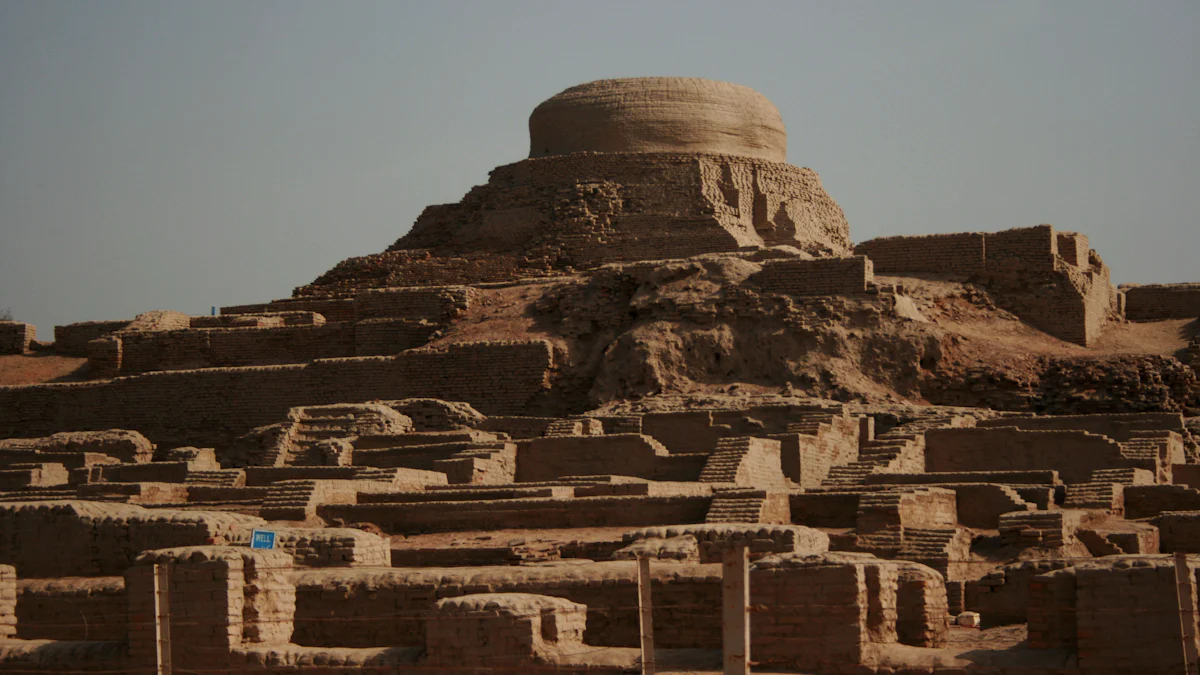
The Indus Valley Civilization, flourishing between 4000 B.C. and 2000 B.C., offers some of the earliest evidence of yoga practices. Archaeologists have discovered artifacts, such as stone seals, depicting figures in seated, cross-legged poses. These poses resemble modern yoga postures, suggesting that yoga's roots trace back to this ancient civilization. One notable artifact, the Pashupati Seal, found at the Mohenjo-Daro site, shows a figure in a yogic pose, indicating the practice of yoga during this period. These findings highlight the significance of yoga in the daily lives of the Indus Valley people.
Vedic Period
The Vedic Period, spanning from 1500 B.C. to 500 B.C., marks another crucial phase in the history of yoga. During this time, the word "yoga" first appeared in the Rig Veda, one of the oldest sacred texts of India. The Vedas, composed of hymns and rituals, laid the foundation for spiritual practices, including yoga. The Vedic texts emphasize the importance of meditation and self-discipline, which are integral components of yoga. This period saw the evolution of yoga from a physical practice to a more spiritual and philosophical discipline.
Development of Early Practices
Shamanism and Rituals
In the early stages of yoga's development, shamanistic practices and rituals played a vital role. Shamans, acting as intermediaries between the physical and spiritual worlds, used yoga-like techniques to achieve altered states of consciousness. These practices involved breath control, meditation, and physical postures, which later became essential elements of yoga. The integration of these techniques into daily rituals helped individuals connect with their inner selves and the universe.
The Upanishads
The Upanishads, a collection of over 200 scriptures, emerged during the later part of the Vedic Period. These texts significantly influenced the development of yoga by emphasizing self-study and the dismantling of the ego. The Upanishads introduced concepts such as Atman (the self) and Brahman (the ultimate reality), which became central to yoga philosophy. Through introspection and meditation, practitioners sought to understand their true nature and achieve spiritual enlightenment. The teachings of the Upanishads laid the groundwork for the philosophical foundations of yoga, shaping its evolution into a holistic practice.
The Classical Period
The Emergence of Classical Yoga
Patanjali's Yoga Sutras
Patanjali's Yoga Sutras stand as a cornerstone in the history of yoga. Written around the second century BCE, these texts systematically outline the philosophy and practice of yoga. Patanjali organized yoga into a coherent framework, making it accessible to practitioners. The Yoga Sutras emphasize achieving mental clarity and spiritual insight through disciplined practice. Scholars often compare the altered states of consciousness described in the sutras to those experienced in hypnosis, highlighting their therapeutic value. This connection underscores the transformative potential of yoga in personal development.
The Eight Limbs of Yoga
Patanjali introduced the concept of the Eight Limbs of Yoga, which serve as a guide for living a meaningful and purposeful life. These limbs include:
Yama: Ethical standards and sense of integrity.
Niyama: Self-discipline and spiritual observances.
Asana: Physical postures.
Pranayama: Breath control.
Pratyahara: Withdrawal of senses.
Dharana: Concentration.
Dhyana: Meditation.
Samadhi: State of ecstasy or enlightenment.
Each limb builds upon the previous one, creating a comprehensive path to self-realization. The Eight Limbs of Yoga emphasize the importance of balance between physical, mental, and spiritual practices, forming the foundation of classical yoga.
Philosophical Foundations
Samkhya Philosophy
Samkhya philosophy significantly influenced the development of yoga. It presents a dualistic view of reality, distinguishing between Purusha (consciousness) and Prakriti (matter). Yoga adopts this framework to explain the nature of existence and the path to liberation. Practitioners aim to transcend the limitations of the physical world and realize their true nature as pure consciousness. This philosophical foundation provides a deeper understanding of yoga's spiritual goals and its emphasis on inner transformation.
Influence of Buddhism and Jainism
Buddhism and Jainism also played crucial roles in shaping classical yoga. Both traditions share common goals with yoga, such as achieving liberation from suffering and attaining spiritual enlightenment. Buddhism introduced meditation techniques that focus on mindfulness and awareness, which became integral to yoga practice. Jainism emphasized non-violence and self-discipline, aligning with yoga's ethical principles. The integration of these philosophies enriched yoga, making it a diverse and adaptable practice that continues to evolve.
The Post-Classical Period
Evolution of Yoga Practices
Tantra and Hatha Yoga
During the post-classical period, yoga underwent significant transformations. Tantra Yoga emerged as a powerful practice, emphasizing the unity of the physical and spiritual realms. Practitioners sought to harness energy through rituals and meditative techniques. This approach marked a departure from earlier practices, focusing on personal experience and transformation.
Hatha Yoga also gained prominence during medieval times. It emphasized physical postures and breath control, laying the groundwork for modern yoga practices. Hatha Yoga aimed to prepare the body for meditation by enhancing physical strength and flexibility. This period saw the development of asanas (postures) and pranayama (breath control), which remain central to yoga today.
Bhakti and Karma Yoga
Bhakti Yoga, the path of devotion, became a popular practice during this era. It encouraged individuals to cultivate a deep, personal connection with the divine through love and devotion. Bhakti Yoga emphasized surrender and selflessness, offering a spiritual path accessible to all, regardless of social status or background.
Karma Yoga, the yoga of action, focused on selfless service and duty. Practitioners believed that performing actions without attachment to the results led to spiritual growth. This approach encouraged individuals to engage in their daily tasks with mindfulness and dedication, transforming ordinary activities into opportunities for spiritual development.
Key Texts and Teachers
The Hatha Yoga Pradipika
The Hatha Yoga Pradipika, written by Swami Swatmarama in the 15th century, stands as a seminal text in the history of yoga. It systematically outlines the principles and practices of Hatha Yoga, providing detailed instructions on asanas, pranayama, and meditation techniques. The text emphasizes the importance of balancing the body and mind to achieve spiritual enlightenment. The Hatha Yoga Pradipika remains a valuable resource for practitioners seeking to deepen their understanding of yoga's physical and spiritual dimensions.
Influence of Swami Vivekananda
Swami Vivekananda, a key figure in the modern revival of yoga, played a crucial role in introducing yoga to the Western world. In the late 19th century, he traveled to the United States and Europe, sharing the teachings of yoga and Vedanta. Vivekananda emphasized the universal nature of yoga, highlighting its potential to unite people across cultures and religions. His lectures and writings inspired a new generation of practitioners, sparking a global interest in yoga that continues to grow today.
The Modern Period
Globalization of Yoga
Introduction to the West
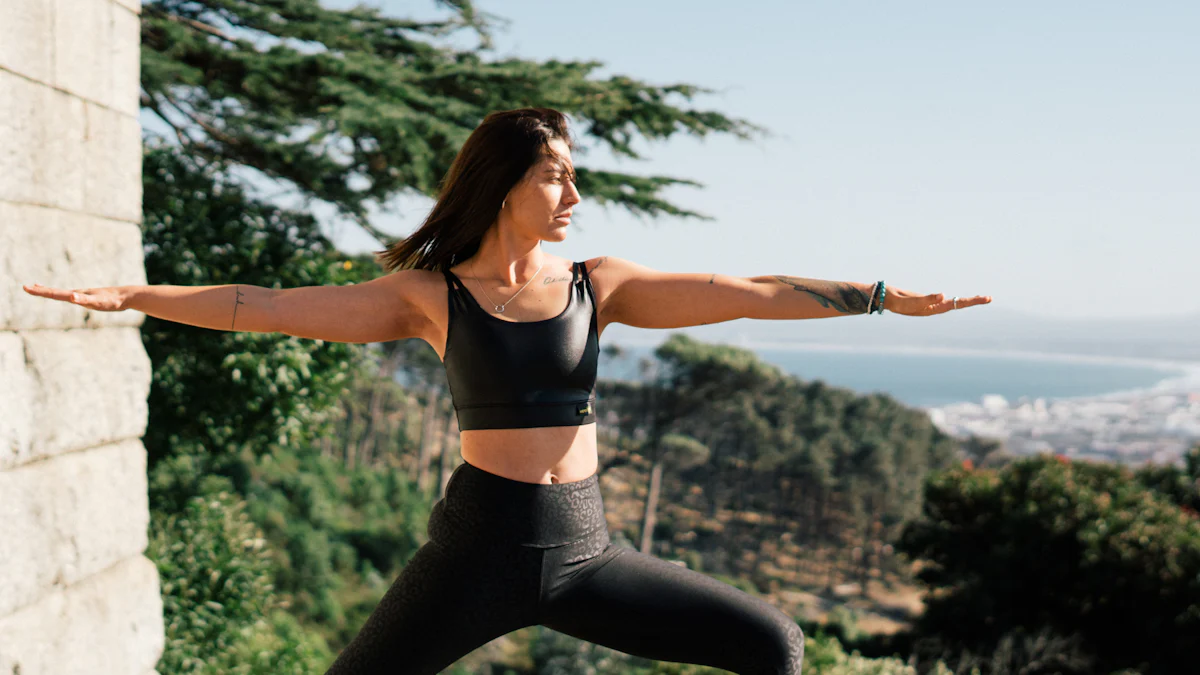
Yoga's journey to the Western world began in the late 19th and early 20th centuries. Pioneers like Swami Vivekananda played a crucial role in introducing yoga to Western audiences. He captivated audiences with his lectures on the universal principles of yoga and Vedanta. His teachings emphasized yoga's potential to transcend cultural and religious boundaries, making it accessible to a global audience.
In the 1960s and 1970s, yoga gained further popularity in the West. Influential figures such as B.K.S. Iyengar and Pattabhi Jois brought their unique styles of yoga, attracting students eager to explore its physical and spiritual benefits. These teachers established yoga schools and training programs, laying the foundation for yoga's widespread acceptance in Western culture.
Influence of Modern Gurus
Modern gurus have continued to shape the practice of yoga in the West. Teachers like Sri Sri Ravi Shankar and Sadhguru have expanded yoga's reach through workshops, retreats, and online platforms. They emphasize yoga's holistic approach to well-being, integrating physical postures, breath control, and meditation.
These modern gurus have also addressed contemporary issues, such as stress management and mental health. Their teachings resonate with individuals seeking balance in their fast-paced lives. As a result, yoga has become a valuable tool for personal growth and self-discovery.
Contemporary Yoga Practices
Popular Styles and Schools
Today, yoga in English-speaking countries encompasses a diverse range of styles and schools. Some popular styles include:
Hatha Yoga: Focuses on physical postures and breath control, providing a foundation for other yoga practices.
Vinyasa Yoga: Emphasizes fluid movement and breath synchronization, creating a dynamic and energizing practice.
Bikram Yoga: Conducted in a heated room, this style involves a set sequence of 26 postures, promoting flexibility and detoxification.
Ashtanga Yoga: A rigorous practice that follows a specific sequence of postures, building strength and endurance.
Each style offers unique benefits, catering to different preferences and fitness levels. Practitioners can choose a style that aligns with their goals, whether they seek physical fitness, stress relief, or spiritual growth.
Yoga in Popular Culture
Yoga's influence extends beyond the studio, permeating popular culture. Celebrities and influencers often share their yoga journeys on social media, inspiring millions to embrace the practice. Yoga festivals and events attract large crowds, celebrating the community and diversity of yoga practitioners.
Testimonials from individuals highlight yoga's transformative impact on daily life. For instance, Sarah C. from Evanston shares, "Being an 'older' student and one who came to yoga in my 50s, I am happily in my best physical & mental health ever." Another practitioner notes, "Yoga has kept me from succumbing to negativity and depression and quite literally has added years to my life."
These personal stories underscore yoga's ability to enhance well-being and resilience. As yoga continues to evolve, its presence in popular culture reinforces its relevance and accessibility to people of all ages and backgrounds.
The Future of Yoga
Current Trends and Innovations
Technological Integration
The yoga industry has embraced technological advancements, transforming how people practice and experience yoga. Online classes have surged in popularity, allowing practitioners to access sessions from the comfort of their homes. This shift became particularly significant during the COVID-19 pandemic, when many turned to virtual platforms for their yoga practice.
Digitalization has introduced innovative tools like AI-driven personalized practices. These technologies tailor yoga sessions to individual needs, enhancing the overall experience. Practitioners can now receive real-time feedback on their postures and breathing techniques, promoting a more mindful and effective practice.
Yoga and Wellness Industry
Yoga's integration into the broader wellness industry has expanded its reach and impact. The practice's physical and mental health benefits have driven its popularity, making it a staple in wellness routines worldwide. Yoga caters to various demographics and fitness levels, offering flexibility and adaptability.
The wellness industry has seen a rise in demand for yoga-related products, such as mats, blocks, and apparel. This trend reflects yoga's growing influence as a holistic approach to health and well-being. As more individuals seek balance and stress relief, yoga continues to play a pivotal role in promoting overall wellness.
Challenges and Opportunities
Cultural Appropriation
Cultural appropriation presents a significant challenge in the global expansion of yoga. As yoga gains popularity in Western countries, there is a risk of diluting its cultural and spiritual roots. Practitioners and instructors must remain mindful of yoga's origins and respect its traditions.
Educating individuals about yoga's history and philosophy can foster a deeper appreciation for the practice. By honoring its cultural significance, the yoga community can promote inclusivity and authenticity, ensuring that yoga remains a respectful and meaningful practice.
Sustainability and Inclusivity
Sustainability and inclusivity are crucial considerations for the future of yoga. The industry must address environmental concerns, such as the production and disposal of yoga mats and accessories. Embracing eco-friendly materials and practices can contribute to a more sustainable yoga community.
Inclusivity also plays a vital role in shaping yoga's future. The practice should be accessible to people of all ages, backgrounds, and abilities. By creating welcoming and diverse spaces, the yoga community can ensure that everyone can experience the transformative benefits of yoga.
In conclusion, the future of yoga holds exciting possibilities and challenges. Technological innovations and the wellness industry's growth offer opportunities for expansion and enhancement. However, addressing cultural appropriation, sustainability, and inclusivity will be essential in preserving yoga's integrity and ensuring its continued relevance in a rapidly changing world.
Yoga's historical journey reveals its profound evolution from ancient spiritual practice to a global phenomenon. Its impact today is undeniable, offering benefits like stress reduction and spiritual exploration. Yoga in English-speaking countries continues to thrive, adapting to diverse needs and preferences. This adaptability ensures its relevance, as it harmonizes individual geometry with the cosmic. As yoga evolves, it remains a powerful tool for achieving physical well-being and mental clarity. The ongoing growth of yoga in English-speaking regions highlights its enduring appeal and transformative potential.
See Also
Exploring the Origins of Yoga in India
Uncovering the Legacy of Yoga Narasimha Swamy Temple
Exploring 12 Varieties of Yoga and Their Special Advantages

Hi my name is Lia and i am your host in this yoga journey in Portugal, Subscribe to our newsletter to receive every week the best of Yoga in Portugal.

We bring back the importance of initiation into womanhood by Roos-Veerle Krijnen & Ella-June Henrard
Welcome to the Women’s Initiation Retreat by Naked Truth Retreats, a transformative journey into the depths of your True Feminine Nature. This retreat invites you to remember the sacredness and wholeness of your being.
Roos-Veerle Krijnen & Ella-June Henrard