Top Yoga Poses to Boost Prostate Health

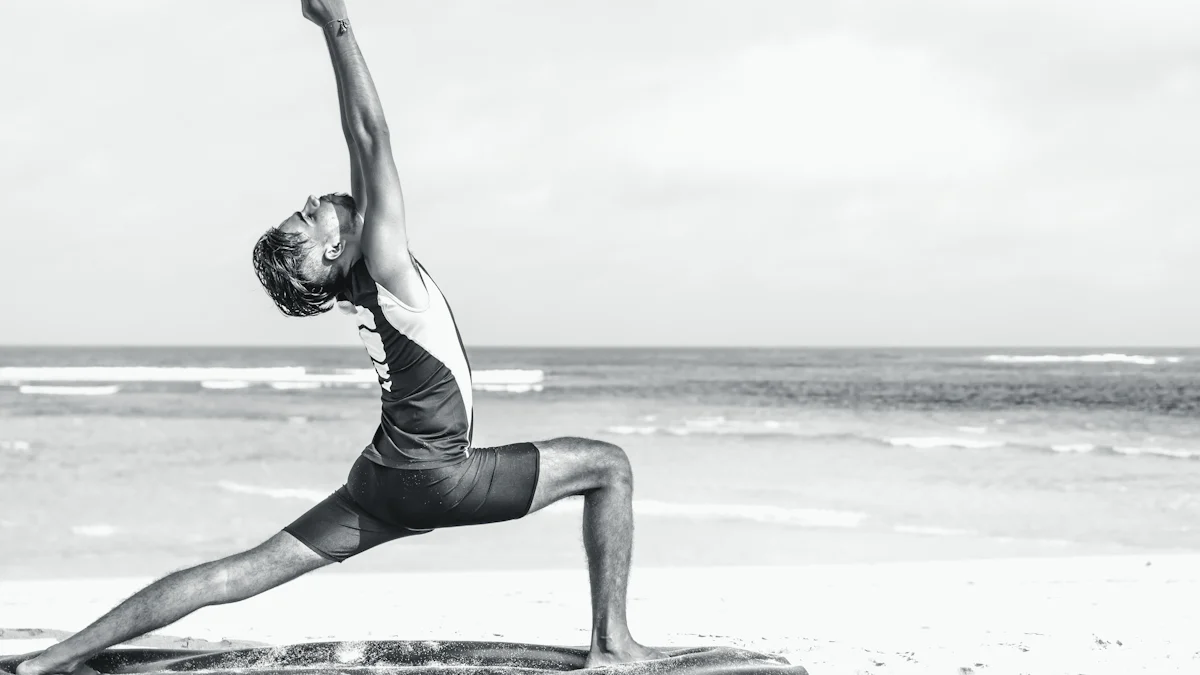
Prostate health plays a crucial role in your overall well-being, especially as you age. Over 33% of men above 50 experience prostate issues, often due to lifestyle factors and aging. Embracing yoga for prostate health can be a transformative step. Yoga not only enhances physical health but also boosts mental well-being. It reduces stress and fatigue, which are common among men undergoing prostate treatments. By incorporating yoga into your routine, you can improve circulation, reduce symptoms, and maintain a robust quality of life. This holistic approach empowers you to take charge of your health naturally.
Understanding Prostate Health
What is the Prostate?
The prostate is a small gland located below your bladder and in front of your rectum. It plays a vital role in male reproductive health.
Function and Importance
The prostate produces seminal fluid, which nourishes and transports sperm. This fluid is essential for fertility. A healthy prostate ensures proper urinary function and sexual health. By maintaining prostate health, you support your overall well-being.
Common Prostate Issues
As you age, you may encounter common prostate issues such as benign prostatic hyperplasia (BPH), prostatitis, or prostate cancer. BPH involves an enlarged prostate, leading to urinary problems. Prostatitis is inflammation of the prostate, causing pain and discomfort. Prostate cancer is a serious condition that requires medical attention. Early detection and lifestyle changes can help manage these issues effectively.
Factors Affecting Prostate Health
Your lifestyle choices and genetic factors significantly influence prostate health.
Lifestyle and Diet
A balanced diet and regular exercise are crucial for maintaining prostate health. Studies suggest that a diet rich in lycopene, found in tomatoes, may reduce the risk of prostate cancer. Regular physical activity lowers the risk of prostate cancer and improves survival outcomes. Increasing your intake of fruits and vegetables while reducing red meat and saturated fats can also decrease prostate cancer risk.
Age and Genetics
Age and genetics play a significant role in prostate health. As you age, the risk of prostate issues increases. Family history can also impact your likelihood of developing prostate problems. While you cannot change your age or genetics, you can adopt a proactive approach to your health. Regular screenings and a healthy lifestyle can help you manage these risks effectively.
Benefits of Yoga for Prostate Health
Yoga offers a multitude of benefits for prostate health, enhancing both physical and mental well-being. By incorporating yoga into your routine, you can experience improvements that support a healthier prostate and a more balanced life.
Physical Benefits
Improved Circulation
Yoga for prostate health significantly boosts blood circulation, especially in the pelvic region. This increased circulation helps nourish the prostate gland and supports its function. Poses like the Cobbler's Pose and Reclining Big Toe Pose are particularly effective. They open up the hips and stretch the lower body, promoting better blood flow. Improved circulation can alleviate symptoms associated with prostate enlargement and other prostate issues.
Stress Reduction
Stress is a common factor that exacerbates prostate problems. Yoga for prostate health includes stress-reducing techniques that can help you manage anxiety and tension. Regular practice of yoga has been shown to reduce stress levels, which is crucial for managing prostate hypertrophy. By engaging in mindful breathing and relaxation exercises, you can lower cortisol levels and create a calming effect on your body. This stress reduction not only benefits your prostate but also enhances your overall quality of life.
Mental and Emotional Benefits
Mindfulness and Relaxation
Yoga encourages mindfulness, allowing you to focus on the present moment. This practice fosters relaxation and helps you connect with your body. Mindfulness techniques in yoga for prostate health can lead to a more profound sense of peace and well-being. By practicing poses that promote relaxation, you can reduce mental clutter and find clarity. This mental calmness supports emotional stability, which is vital when dealing with prostate health challenges.
Enhanced Focus and Clarity
Yoga for prostate health also sharpens your focus and mental clarity. As you engage in yoga poses and breathing exercises, you train your mind to concentrate and stay present. This enhanced focus can improve your ability to make informed decisions about your health. It empowers you to take proactive steps in managing your prostate health effectively. With a clear mind, you can better understand your body's needs and respond to them with confidence.
Incorporating yoga into your daily routine can transform your approach to prostate health. By embracing the physical and mental benefits of yoga, you take a holistic step towards a healthier and more fulfilling life. Remember, every pose and breath you take is a step towards empowerment and well-being.
Top Yoga Poses for Prostate Health

Yoga for prostate health offers a natural way to support your well-being. By practicing specific poses, you can enhance circulation, reduce stress, and strengthen the pelvic floor. These benefits contribute to a healthier prostate and improved quality of life. Let's explore some effective yoga poses that can make a difference.
Cobbler's Pose (Baddha Konasana)
How to Perform
To perform Cobbler's Pose, sit on the floor with your legs extended. Bend your knees and bring the soles of your feet together, allowing your knees to drop to the sides. Hold your feet with your hands and gently pull them towards your pelvis. Keep your spine straight and breathe deeply. Hold this pose for several breaths, focusing on relaxation and opening your hips.
Benefits for Prostate
Cobbler's Pose is excellent for promoting blood circulation in the pelvic region. This increased circulation nourishes the prostate gland and supports its function. By opening the hips, this pose helps alleviate tension and enhances flexibility. Practicing Cobbler's Pose regularly can contribute to better prostate health and overall well-being.
Reclining Big Toe Pose (Supta Padangusthasana)
How to Perform
Begin by lying on your back with your legs extended. Lift one leg towards the ceiling, keeping it straight. Use a strap or your hand to hold your big toe. Keep your other leg grounded and your spine aligned. Breathe deeply and hold the pose for several breaths before switching to the other leg.
Benefits for Prostate
Reclining Big Toe Pose stretches the hamstrings and lower back, promoting relaxation in the pelvic area. This relaxation can help reduce tension and improve circulation, benefiting your prostate health. By incorporating this pose into your routine, you support a balanced and healthy prostate.
Bridge Pose (Setu Bandhasana)
How to Perform
Lie on your back with your knees bent and feet flat on the floor, hip-width apart. Place your arms alongside your body with palms facing down. Press your feet into the ground and lift your hips towards the ceiling. Keep your thighs parallel and hold the pose for several breaths, focusing on your breath and the stretch in your chest and thighs.
Benefits for Prostate
Bridge Pose strengthens the pelvic floor muscles, which play a crucial role in supporting prostate health. This pose also enhances blood flow to the pelvic region, aiding in the nourishment of the prostate gland. By practicing Bridge Pose, you can improve bladder control and reduce symptoms associated with prostate enlargement.
Incorporating these yoga poses into your daily routine can empower you to take charge of your prostate health. Each pose offers unique benefits that contribute to a healthier and more balanced life. Embrace the journey of yoga for prostate health and experience the positive changes it brings.
Head-to-Knee Forward Bend (Janu Sirsasana)
How to Perform
To perform the Head-to-Knee Forward Bend, start by sitting on the floor with your legs extended in front of you. Bend your right knee and bring the sole of your right foot to the inner thigh of your left leg. Keep your left leg straight and flex your foot. Inhale deeply, lengthening your spine, and as you exhale, gently fold forward over your extended leg. Reach for your foot or ankle with both hands, keeping your back straight. Hold this position for several breaths, feeling the stretch along your hamstring and lower back. Repeat the pose on the opposite side.
Benefits for Prostate
The Head-to-Knee Forward Bend offers numerous benefits for prostate health. This pose stretches the hamstrings and lower back, which helps release tension in the pelvic region. By promoting relaxation and flexibility, it enhances blood flow to the prostate area. Improved circulation supports the nourishment of the prostate gland, aiding in its function. Additionally, this pose encourages mindfulness and relaxation, reducing stress levels that can exacerbate prostate issues. Practicing Janu Sirsasana regularly can contribute to a healthier prostate and a more balanced life.
Expert Insight: Himalayan Siddhaa Akshar, a renowned yoga expert, emphasizes that asanas like the Head-to-Knee Forward Bend strengthen the pelvic floor muscles. This strengthening reduces pelvic tension, improves bladder control, and facilitates urination. By incorporating this pose into your routine, you take a proactive step towards enhancing your prostate health naturally.
Tips for Practicing Yoga Safely
Consult with a Healthcare Provider
Importance of Medical Advice
Before you embark on your yoga journey for prostate health, consulting with a healthcare provider is crucial. Medical advice ensures that your yoga practice aligns with your health needs. A healthcare professional can assess your current health status and provide personalized recommendations. This step helps you avoid potential risks and maximizes the benefits of yoga for your prostate health.
Understanding Personal Limitations
Understanding your personal limitations is vital when practicing yoga. Each individual's body is unique, and what works for one person may not work for another. By acknowledging your limitations, you can tailor your yoga practice to suit your abilities. This approach prevents injuries and promotes a safe and effective yoga experience. Remember, yoga is a journey, and progress comes with patience and self-awareness.
Yoga Practice Guidelines
Warm-up and Cool-down
Incorporating warm-up and cool-down routines into your yoga practice is essential. Warming up prepares your body for the poses, reducing the risk of injury. Simple stretches and gentle movements increase blood flow and flexibility. After your yoga session, cooling down helps your body transition back to a resting state. It aids in muscle recovery and enhances relaxation. By dedicating time to warm-up and cool-down, you create a balanced and mindful practice.
Listening to Your Body
Listening to your body is a fundamental principle of yoga. Pay attention to how your body feels during each pose. If you experience discomfort or pain, modify the pose or take a break. Your body communicates its needs, and honoring those signals fosters a safe practice. Himalayan Siddhaa Akshar, a renowned yoga guru, emphasizes the importance of strengthening pelvic floor muscles through yoga. He advises practitioners to be mindful of their body's responses to ensure a beneficial experience. By tuning into your body's cues, you cultivate a deeper connection with yourself and enhance your overall well-being.
"Asanas can aid in pelvic floor muscle strengthening, which lowers pelvic tension, helps to improve bladder control, and facilitates urination." - Himalayan Siddhaa Akshar
Embrace these tips as you integrate yoga into your routine. By prioritizing safety and mindfulness, you empower yourself to achieve optimal prostate health and a fulfilling yoga practice.
Additional Lifestyle Tips for Prostate Health
Enhancing your prostate health involves more than just yoga. By adopting a holistic lifestyle approach, you can significantly improve your well-being. Here are some additional lifestyle tips to support your prostate health journey.
Diet and Nutrition
Your diet plays a crucial role in maintaining prostate health. By making mindful food choices, you can nourish your body and support your prostate.
Foods to Include
Tomatoes: Rich in lycopene, tomatoes may help reduce the risk of prostate cancer. Enjoy them fresh, cooked, or in sauces.
Cruciferous Vegetables: Broccoli, cauliflower, and Brussels sprouts contain compounds that support prostate health.
Nuts and Seeds: Almonds, walnuts, and flaxseeds provide healthy fats and nutrients beneficial for the prostate.
Berries: Blueberries and strawberries are high in antioxidants, which protect your cells from damage.
Green Tea: Known for its anti-inflammatory properties, green tea can be a soothing addition to your daily routine.
Foods to Avoid
Red Meat: Limit consumption of red and processed meats, as they may increase the risk of prostate issues.
Dairy Products: High-fat dairy products can contribute to inflammation. Opt for low-fat or plant-based alternatives.
Sugary Foods: Excess sugar can lead to weight gain and inflammation, impacting prostate health.
Alcohol: Moderation is key. Excessive alcohol intake can negatively affect your prostate.
Regular Exercise
Physical activity complements your yoga practice and enhances prostate health. By staying active, you boost circulation and maintain a healthy weight.
Types of Exercises
Cardiovascular Activities: Walking, jogging, or cycling improve heart health and circulation.
Strength Training: Building muscle mass supports overall health and metabolism.
Pelvic Floor Exercises: Kegel exercises strengthen the pelvic floor muscles, aiding in bladder control and prostate function.
Flexibility Exercises: Stretching and yoga enhance flexibility and reduce tension.
Frequency and Duration
Cardio: Aim for at least 150 minutes of moderate-intensity cardio each week. Break it down into manageable sessions.
Strength Training: Include two to three sessions per week, focusing on major muscle groups.
Pelvic Floor Exercises: Practice daily for optimal results. Consistency is key.
Flexibility: Dedicate time to stretching after workouts or incorporate yoga into your routine.
Expert Testimony: Health Care Providers emphasize the importance of consulting with a healthcare provider before starting any new exercise regimen, especially if you have existing health conditions. They recommend starting with gentle exercises and gradually increasing intensity to ensure safety and effectiveness.
By integrating these dietary and exercise tips into your lifestyle, you empower yourself to take proactive steps towards better prostate health. Remember, small changes can lead to significant improvements in your overall well-being.
Yoga offers numerous benefits for prostate health. It enhances circulation, reduces stress, and strengthens the pelvic floor. By incorporating yoga into your daily routine, you take a proactive step towards better health. Studies show that exercise, including yoga, may lower the risk of prostate issues. Embrace this holistic approach to improve your well-being. Combine yoga with a healthy diet and regular exercise for optimal results. Remember, small lifestyle changes can lead to significant improvements. Take charge of your health today and enjoy a vibrant, fulfilling life.
See Also
Best Yoga Positions for Enhancing Intimacy
Favorite Yoga Poses for Sparking Intimate Moments
Seven Yoga Poses for Enhancing Pleasure

Hi my name is Lia and i am your host in this yoga journey in Portugal, Subscribe to our newsletter to receive every week the best of Yoga in Portugal.

We bring back the importance of initiation into womanhood by Roos-Veerle Krijnen & Ella-June Henrard
Welcome to the Women’s Initiation Retreat by Naked Truth Retreats, a transformative journey into the depths of your True Feminine Nature. This retreat invites you to remember the sacredness and wholeness of your being.
Roos-Veerle Krijnen & Ella-June Henrard