Top Thick Yoga Mats for Unmatched Comfort and Support

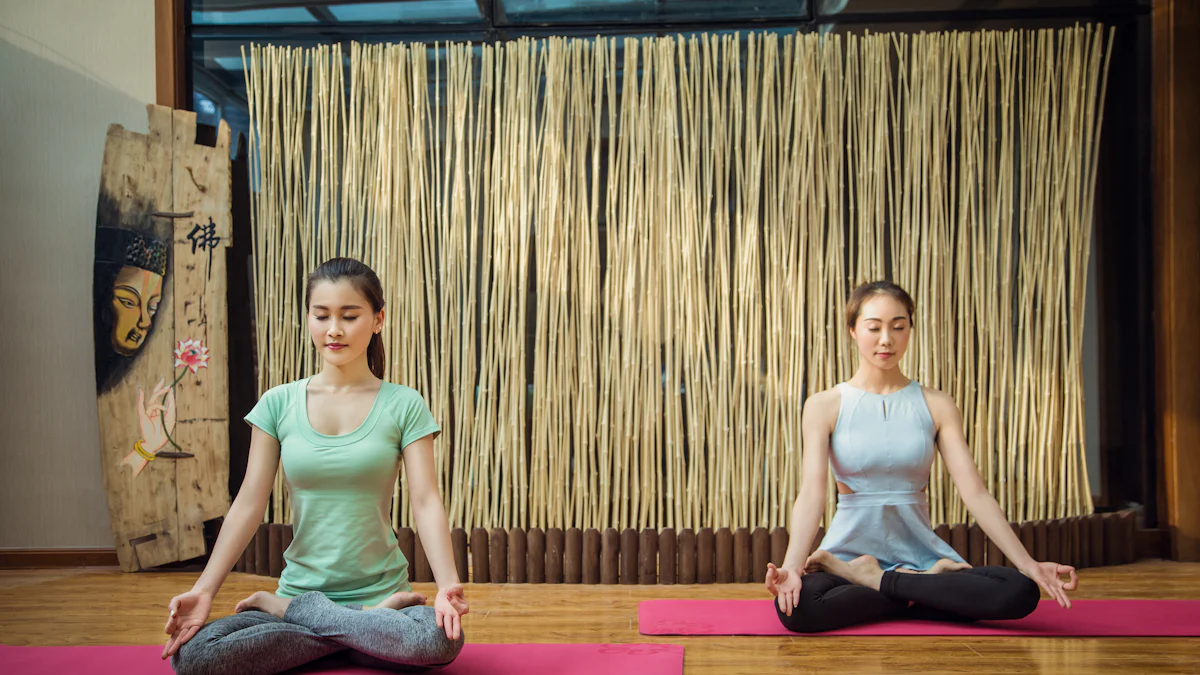
Thick yoga mats transform your practice by offering unparalleled comfort and support. They provide an extra layer of cushioning, which is essential for protecting sensitive joints, knees, and wrists. Many users praise these mats for their ability to blend comfort, support, and stability seamlessly. When choosing a mat, you need guidance to find one that meets your specific needs. The right thick yoga mat enhances your experience, ensuring you can focus on your poses without discomfort. By selecting a mat with the appropriate thickness and material density, you ensure optimal support and comfort during every session.
Key Features to Consider in Thick Yoga Mats
Material
When selecting a yoga mat, the material plays a crucial role in determining its comfort, durability, and environmental impact.
Natural vs Synthetic Materials
Yoga mats come in both natural and synthetic materials. Natural options, such as rubber or cork, offer excellent grip and cushioning. They are often preferred for their eco-friendly properties. On the other hand, synthetic materials like PVC and TPE (thermoplastic elastomer) provide durability and affordability. You should weigh the benefits of each type to find the best fit for your practice.
Eco-friendly Options
If sustainability matters to you, consider mats made from eco-friendly materials. Natural rubber and cork are popular choices due to their renewable nature. These materials not only reduce environmental impact but also offer superior grip and cushioning. Look for mats that are free from harmful chemicals to ensure a safe practice environment.
Thickness
The thickness of a yoga mat significantly affects your comfort and the type of practice it supports.
Ideal Thickness for Different Practices
Yoga mats vary in thickness, typically ranging from 2mm to 10mm. Thicker mats, usually 6mm and above, provide more cushioning, making them ideal for practices that require extra joint support, such as Yin yoga. Thinner mats, around 3mm, are better suited for balancing poses, where stability is key. Choose a thickness that aligns with your yoga style and personal comfort needs.
Impact on Portability
While thicker mats offer more comfort, they can be less portable. If you travel frequently or attend classes outside your home, consider the weight and bulkiness of the mat. A balance between thickness and portability ensures you can carry your mat with ease without compromising on comfort.
Grip and Texture
A yoga mat's grip and texture are essential for maintaining stability during poses.
Importance of Non-slip Surfaces
Non-slip surfaces prevent slipping and sliding, especially during intense sessions. Mats with a good grip enhance your stability, allowing you to focus on your practice without distractions. Rubber and TPE mats often provide excellent non-slip properties, ensuring you stay grounded.
Texture Preferences
Texture affects how a mat feels under your hands and feet. Some practitioners prefer a smooth surface, while others opt for a textured one for added grip. Consider your personal preference and the type of yoga you practice when choosing a mat with the right texture. A mat that feels comfortable and secure will enhance your overall yoga experience.
Durability and Affordability
When choosing a yoga mat, you must consider both durability and affordability. These factors ensure that your investment provides long-term value and meets your budgetary needs.
Balancing Cost and Longevity
You should aim to find a yoga mat that balances cost with longevity. High-quality mats often come with a higher price tag, but they offer extended durability. Materials like natural rubber and TPE (thermoplastic elastomer) provide excellent cushioning and grip, enhancing the mat's lifespan. While these options might require a larger initial investment, they save you money in the long run by reducing the need for frequent replacements.
"Investing in a durable yoga mat can save you money over time by reducing the need for frequent replacements."
Budget-friendly Options
If you're on a tight budget, there are still plenty of options available. PVC mats are often more affordable and provide decent durability and grip. However, if eco-friendliness is a priority, consider mats made from eco-friendly materials like cork or recycled rubber. These options offer a balance between cost and environmental impact.
PVC Mats: Affordable and durable, suitable for beginners.
Eco-friendly Mats: Made from sustainable materials, offering a balance between cost and environmental responsibility.
By considering these factors, you can select a yoga mat that not only fits your budget but also supports your practice effectively.
Best Thick Yoga Mats for Different Needs
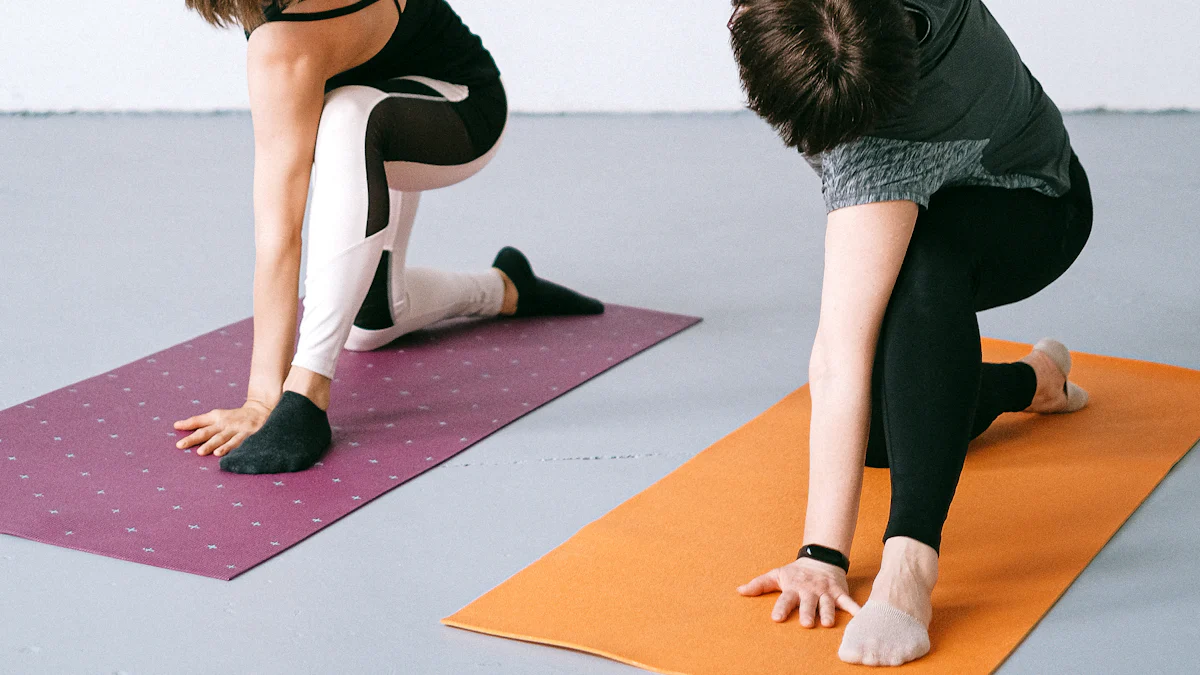
When selecting a yoga mat, you must consider your specific needs. Thick yoga mats cater to various requirements, ensuring you find the perfect match for your practice.
Joint Support
Mats with Extra Cushioning
For those seeking joint support, mats with extra cushioning are essential. These mats provide a soft landing for your knees, wrists, and elbows, reducing strain during poses. The ProsourceFit Extra Thick Yoga Mat is a popular choice, offering plushness that supports joints effectively. Its high-density foam ensures comfort without compromising stability.
Recommended Brands
Several brands excel in providing mats with superior joint support. Manduka Pro and Gaiam Premium are renowned for their quality and functionality. The Manduka Pro mat, with its 6mm thickness, offers a perfect balance between cushioning and stability. Meanwhile, the Gaiam Premium mat delivers excellent grip and durability, making it ideal for those who prioritise joint comfort.
Budget-friendly Choices
Affordable Yet Durable Mats
If you're on a budget, you can still find thick yoga mats that offer durability and comfort. Affordable options like the BalanceFrom GoYoga All-Purpose Mat provide good cushioning and are lightweight, making them easy to carry. These mats ensure you don't have to compromise on quality while staying within your budget.
User Reviews and Ratings
User reviews can guide you in selecting the best budget-friendly mats. Many users praise the Gaiam Essentials Thick Yoga Mat for its affordability and performance. It receives high ratings for its cushioning and grip, proving that you can find quality without breaking the bank. Always check user feedback to ensure the mat meets your expectations.
Eco-friendly Options
Sustainable Materials
For environmentally conscious practitioners, eco-friendly thick yoga mats are a great choice. Mats made from natural rubber or cork are sustainable and provide excellent grip and cushioning. These materials reduce environmental impact while offering the comfort you need for your practice.
Certifications to Look For
When choosing eco-friendly mats, look for certifications that guarantee sustainability. Certifications such as OEKO-TEX and GreenGuard ensure the mat is free from harmful chemicals and produced sustainably. These certifications give you peace of mind, knowing your mat supports both your practice and the planet.
By considering these factors, you can find thick yoga mats that cater to your specific needs, whether it's joint support, budget considerations, or eco-friendliness. Each option provides unique benefits, ensuring you enjoy a comfortable and supportive yoga experience.
User Reviews and Expert Opinions
Top-rated Mats by Users
Common Praises and Complaints
When you explore user reviews, you find a wealth of information about thick yoga mats. Many users praise these mats for their exceptional cushioning and support. They often highlight the comfort provided during long sessions, especially for poses that require kneeling or lying down. Users appreciate the stability these mats offer, which enhances their overall yoga experience.
However, some users express concerns about the weight and bulkiness of thicker mats. They mention that carrying these mats to classes can be cumbersome. Additionally, a few users note that certain mats may lose their grip over time, particularly if not maintained properly. Despite these complaints, the positive feedback generally outweighs the negatives, making thick yoga mats a popular choice among practitioners.
User Experience Highlights
Users frequently share their personal experiences with thick yoga mats. Many describe how these mats have transformed their practice by reducing joint pain and providing a stable surface for various poses. They often mention the relief felt in their knees and wrists, attributing it to the extra cushioning.
Some users highlight the durability of their mats, noting that they withstand regular use without showing signs of wear. Others appreciate the variety of designs and colours available, allowing them to express their personal style while practising. Overall, user experiences reflect the significant benefits of investing in a quality thick yoga mat.
Expert Recommendations
Insights from Yoga Instructors
Yoga instructors and fitness experts often recommend thick yoga mats for their numerous benefits. They stress the importance of a good mat in maintaining proper alignment and preventing injuries. Experts suggest these mats for both beginners and advanced practitioners, particularly for those practising on hard surfaces.
"Yoga mats were created to enhance the practice of yoga and they do a great job of it," says Meffen, a yoga expert. "If someone had the choice of doing yoga without a mat or not doing yoga at all, I would always urge them to just start."
Instructors also advise considering the type of yoga you practise when selecting a mat. For instance, they recommend thicker mats for restorative practices like Yin yoga, where comfort is paramount.
Industry Standards and Innovations
The yoga mat industry continually evolves, introducing new standards and innovations. Manufacturers now focus on creating mats that balance comfort, durability, and eco-friendliness. Many brands incorporate sustainable materials, such as natural rubber and cork, to meet the growing demand for environmentally responsible products.
Innovations in texture and grip technology also enhance user experience. Some mats feature advanced non-slip surfaces, ensuring stability even during intense sessions. These developments reflect the industry's commitment to improving the quality and functionality of yoga mats, providing you with the best possible tools for your practice.
Tips for Maintaining and Caring for Your Yoga Mat
Proper care extends the life of your yoga mat, ensuring it remains supportive and comfortable. Here are some essential tips to help you maintain your mat effectively.
Cleaning and Storage
Best Practices for Longevity
Regular cleaning keeps your yoga mat fresh and hygienic. Use a mild soap or a specialised yoga mat cleaner. Mix it with water and gently wipe the surface with a soft cloth. Avoid soaking the mat, as excessive moisture can damage it. After cleaning, let your mat air dry completely before rolling it up. This prevents mould and unpleasant odours.
Store your mat in a cool, dry place. Avoid direct sunlight, which can cause the material to degrade. Rolling your mat loosely helps maintain its shape and prevents creases. If possible, use a yoga mat bag for added protection during storage and transport.
Common Mistakes to Avoid
Avoid using harsh chemicals or abrasive scrubbers on your mat. These can damage the surface and reduce its lifespan. Do not machine wash or tumble dry your mat, as this can lead to wear and tear. When storing, do not place heavy objects on top of your mat, as this can cause permanent indentations.
When to Replace Your Mat
Signs of Wear and Tear
Over time, even the best yoga mats show signs of wear. Look for thinning areas, especially where your hands and feet frequently rest. Notice any loss of grip or increased slipperiness. If your mat starts to flake or crack, it is time for a replacement. These signs indicate that the mat no longer provides the necessary support and safety for your practice.
Recommendations for Replacement
Replace your yoga mat every one to two years, depending on usage and material quality. High-quality mats, like those made from natural rubber or TPE, often last longer. Consider investing in a durable mat that balances cost and longevity. According to a survey by Råd & Rön, the Grip & Cushion yoga mat was named "BEST IN TEST" for its durability and support, making it a worthwhile investment.
By following these maintenance tips, you ensure your yoga mat remains in excellent condition, providing you with a safe and comfortable practice environment.
Frequently Asked Questions
How Thick Should a Yoga Mat Be?
When choosing a yoga mat, thickness plays a crucial role in your comfort and support. Generally, mats range from 2mm to 10mm in thickness. For most practitioners, a mat with a thickness of 6mm or more provides ample cushioning, especially for those with joint concerns. Thicker mats, like those above 6mm, offer enhanced support for practices such as Yin yoga, where prolonged poses require extra comfort. However, if you prefer balancing poses, a thinner mat around 3mm might suit you better, as it offers more stability.
Are Thick Mats Suitable for All Types of Yoga?
Thick mats excel in providing comfort and support, making them ideal for many yoga styles. They are particularly beneficial for restorative practices like Yin yoga and yoga Nidra, where comfort is paramount. However, for dynamic styles such as Vinyasa or Ashtanga, which involve quick transitions and balancing poses, a slightly thinner mat might be preferable. This is because thinner mats offer better stability and connection to the ground. Ultimately, the suitability of a thick mat depends on your personal preference and the type of yoga you practise.
How Do I Improve the Grip of My Yoga Mat?
Maintaining a good grip on your yoga mat is essential for stability during practice. If you find your mat becoming slippery, there are several ways to enhance its grip:
Regular Cleaning: Keep your mat clean by wiping it down with a damp cloth and a mild soap solution. This removes sweat and oils that can make the surface slippery. For a deeper clean, soak your mat in soapy water, scrub gently, and rinse thoroughly. Always let it dry completely before use.
Use a Yoga Mat Spray: Consider using a yoga mat spray or a homemade solution of water and white vinegar. This not only cleans but also helps maintain the mat's grip. You can add a few drops of essential oils for a pleasant scent, provided the manufacturer's guidelines allow it.
Spot Clean with Antibacterial Sprays: For quick spot cleaning, use antibacterial sprays designed for yoga mats. These sprays kill germs and eliminate odours, keeping your mat fresh and grippy.
By following these tips, you ensure your yoga mat remains in excellent condition, providing you with a stable and comfortable practice environment.
Thick yoga mats offer unparalleled comfort and support, especially for sensitive joints like knees and wrists. They provide the extra cushioning needed for a variety of practices, ensuring you can focus on your poses without discomfort. When selecting a mat, consider your personal needs and preferences. Choose a thickness that aligns with your practice and body requirements. To maintain your mat's quality, clean it regularly and store it properly. Share your experiences and preferences in the comments. Your insights could help others find their perfect mat.
See Also
In-Depth Review of Yogamatters Sticky Yoga Mat
Best 10 Yoga Mats Available on Amazon for Everyone
10 Best Women's Yoga Tops for Comfort and Fashion

Hi my name is Lia and i am your host in this yoga journey in Portugal, Subscribe to our newsletter to receive every week the best of Yoga in Portugal.

We bring back the importance of initiation into womanhood by Roos-Veerle Krijnen & Ella-June Henrard
Welcome to the Women’s Initiation Retreat by Naked Truth Retreats, a transformative journey into the depths of your True Feminine Nature. This retreat invites you to remember the sacredness and wholeness of your being.
Roos-Veerle Krijnen & Ella-June Henrard