Top 12 Seated Yoga Poses for Enhanced Flexibility and Posture

Discover the transformative power of seated poses for yoga. These poses can significantly enhance your flexibility and improve your posture. By incorporating them into your daily routine, you can experience numerous benefits. Seated yoga poses are accessible to everyone, regardless of your strength or flexibility level. They offer a gentle yet effective way to boost your physical and mental well-being. Regular practice can improve balance, muscle strength, and overall vitality. Embrace seated yoga as a feasible intervention to enhance your quality of life.
Seated Forward Bend (Paschimottanasana)
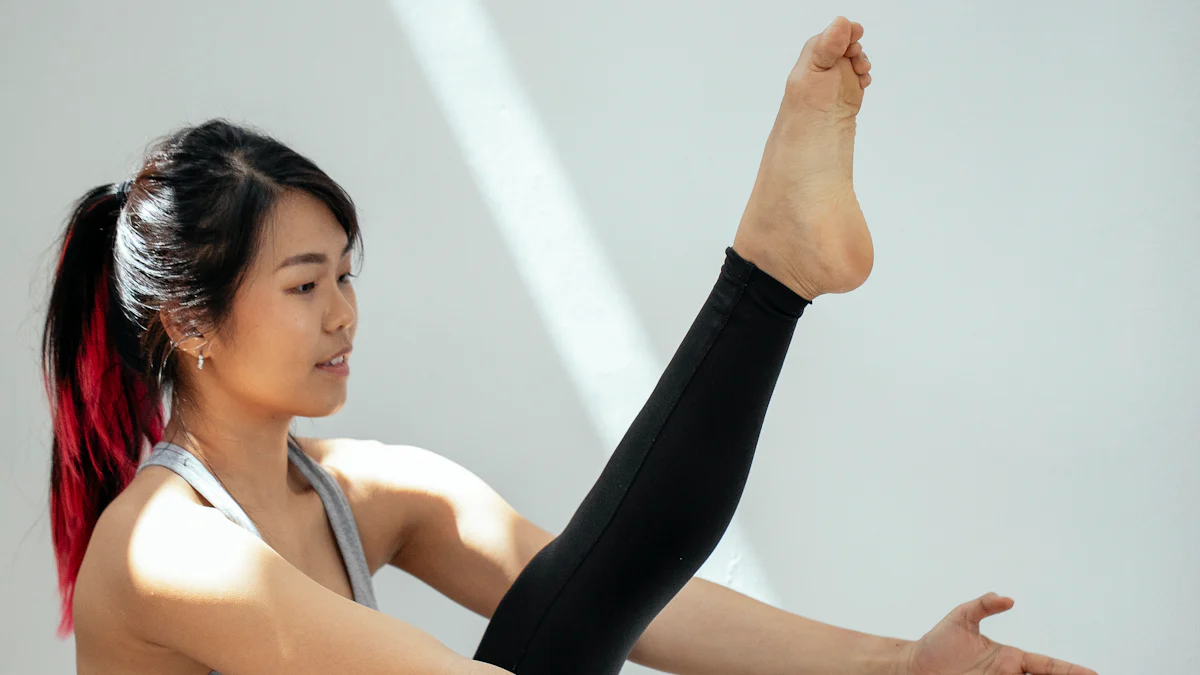
How to Perform
To perform the Seated Forward Bend, begin by sitting on the floor with your legs extended straight in front of you. Keep your spine erect and your feet flexed. Inhale deeply, raising your arms overhead to lengthen your spine. As you exhale, hinge at your hips and lean forward, reaching towards your feet. If you can, grasp your feet or ankles. If not, rest your hands on your shins or thighs. Maintain a gentle bend in your knees if necessary to avoid straining your hamstrings. Hold this position for several breaths, allowing your body to relax deeper into the stretch with each exhale.
Benefits
The Seated Forward Bend offers numerous benefits. This pose stretches your entire back, including the spine, shoulders, and hamstrings. Regular practice helps relieve tension and stiffness in these areas, enhancing flexibility and posture. According to a study published in Times Now News on 4th July 2024, practising this forward bend can significantly improve your flexibility and posture by alleviating tension in your back and shoulders. Additionally, this pose promotes a sense of calm and relaxation, making it an excellent addition to your seated poses for yoga routine.
Bound Angle Pose (Baddha Konasana)
How to Perform
To perform the Bound Angle Pose, sit on the floor with your legs extended in front of you. Bend your knees and bring the soles of your feet together, allowing your knees to drop out to the sides. Hold your feet or ankles with your hands. Sit up straight, lengthening your spine. If your knees are high off the ground, place cushions or blocks under them for support. Inhale deeply, and as you exhale, gently press your knees towards the floor. Maintain this position for several breaths, focusing on relaxing your inner thighs and groins.
Benefits
The Bound Angle Pose offers a multitude of benefits. It stretches the inner thighs, groins, and knees, enhancing flexibility in the hip region. Regular practice can improve intestinal and bowel movement, providing relief from fatigue. This pose is particularly beneficial for women, as it alleviates menstrual discomfort and menopause symptoms. Practising it regularly during pregnancy can aid in a smooth delivery. According to Mr. Iyengar, this pose positively affects the elimination and reproduction organs, and it soothes sciatica. It is also calming and revitalising for the nervous system, making it a respected pose in major yoga traditions. Incorporating this pose into your seated poses for yoga routine can significantly enhance your overall well-being.
Seated Spinal Twist (Ardha Matsyendrasana)
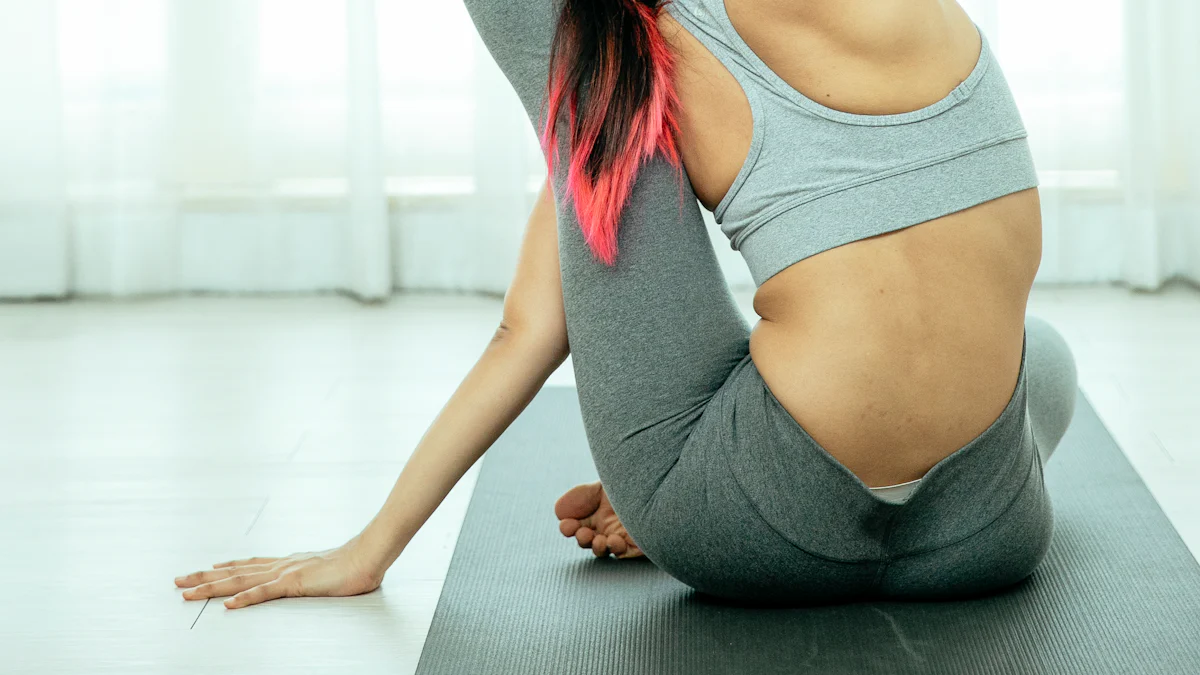
How to Perform
To perform the Seated Spinal Twist, sit on the floor with your legs extended in front of you. Bend your right knee and place your right foot on the outside of your left thigh. Keep your left leg straight or bend it, bringing your left foot near your right hip. Sit up tall, lengthening your spine. Place your right hand behind you for support. Inhale deeply, and as you exhale, twist your torso to the right. Hook your left elbow on the outside of your right knee to deepen the twist. Gaze over your right shoulder. Hold this position for several breaths, then repeat on the other side.
Benefits
The Seated Spinal Twist offers numerous benefits. This pose stretches your spine and opens your hips, enhancing flexibility and mobility. It helps with bloating and digestion by gently massaging your abdominal organs. Twisting poses like this one are beginner-friendly and effective, bringing balance to your body and aiding in the release of toxins. Regular practice of seated poses for yoga, including the Seated Spinal Twist, can significantly improve your overall well-being.
Cow Face Pose (Gomukhasana)
How to Perform
To perform the Cow Face Pose, begin by sitting comfortably on the floor. Extend your legs in front of you. Bend your knees and stack your right knee directly over your left knee. Your feet should be positioned close to your hips. If this feels challenging, you can sit on a cushion or block for added support. Next, raise your left arm overhead and bend it at the elbow, allowing your hand to reach down your back. Simultaneously, bring your right arm behind your back and try to clasp your hands together. If your hands do not meet, use a strap or towel to bridge the gap. Keep your spine straight and your chest open. Hold this position for several breaths, then switch sides to ensure balance.
Benefits
The Cow Face Pose offers a range of benefits that enhance both flexibility and posture. This pose stretches the muscles of your shoulders, arms, and chest, which can significantly improve shoulder joint mobility. It also targets the hips, providing a deep stretch that enhances hip flexibility. By practising this pose regularly, you can improve your posture, as it encourages an upright spine and open chest. According to findings from the Hatha Yoga Pradipika, Gomukhasana is a powerful seated yoga posture that contributes to overall physical alignment and balance. Incorporating this pose into your seated poses for yoga routine can help you achieve greater flexibility and a more balanced posture.
Hero Pose (Virasana)
How to Perform
To perform the Hero Pose, start by kneeling on the floor. Keep your knees together and your feet slightly apart, with the tops of your feet flat on the ground. Sit back between your feet, ensuring your buttocks rest on the floor. If this position feels uncomfortable, place a cushion or block under your hips for support. Maintain an upright posture by lengthening your spine and keeping your shoulders relaxed. Rest your hands on your thighs, palms facing down. Close your eyes and take deep breaths, holding the pose for several minutes.
Benefits
The Hero Pose offers numerous benefits that enhance both flexibility and posture. This pose stretches the thighs, knees, and ankles, promoting flexibility in the lower body. Regular practice can improve circulation in the legs, reducing fatigue and swelling. By sitting in this position, you also strengthen the arches of your feet, which can alleviate foot pain. The Hero Pose encourages an upright posture, helping to align the spine and open the chest. According to studies, seated poses for yoga like Virasana allow you to maintain a pose for longer durations, deepening the stretch and gradually increasing your range of motion. This enhanced flexibility not only supports physical activities but also contributes to better mental well-being by reducing stress and improving mood.
Fire Log Pose (Agnistambhasana)
How to Perform
To perform the Fire Log Pose, sit on the floor with your legs extended in front of you. Bend your right knee and place your right shin parallel to the front of your mat. Then, bend your left knee and stack your left shin on top of your right, aligning your ankles with your knees. If your knees do not align comfortably, use a cushion or block under your top knee for support. Sit up straight, lengthening your spine. Rest your hands on your feet or thighs. Inhale deeply, and as you exhale, lean slightly forward to deepen the stretch. Hold this position for several breaths, then switch sides.
Benefits
The Fire Log Pose offers numerous benefits that enhance both flexibility and posture. This pose stretches the hips, groins, and outer thighs, promoting flexibility in the lower body. Regular practice can alleviate tension in these areas, which is particularly beneficial for those who spend long hours sitting. According to Mr. Iyengar, this pose positively affects the elimination and reproduction organs, providing relief from sciatica. It is also soothing and can be integrated into pranayama and meditation practices. By incorporating the Fire Log Pose into your seated poses for yoga routine, you can experience improved flexibility and a sense of calm.
Seated Wide Angle Pose (Upavistha Konasana)
How to Perform
To perform the Seated Wide Angle Pose, begin by sitting on the floor with your legs extended wide apart. Ensure your toes point upwards and your knees remain straight. Sit up tall, lengthening your spine. Place your hands on the floor in front of you. Inhale deeply, and as you exhale, lean forward from your hips, not your waist. Reach your hands forward, sliding them along the floor. If possible, rest your forearms on the ground. Keep your back straight and avoid rounding your shoulders. Hold this position for several breaths, allowing your body to relax deeper into the stretch with each exhale.
Benefits
The Seated Wide Angle Pose offers numerous benefits that enhance both flexibility and posture. This pose stretches the inner thighs, hamstrings, and lower back, promoting flexibility in the legs and spine. Regular practice can improve circulation and relieve tension in the lower body. According to studies, seated poses for yoga like Upavistha Konasana allow you to maintain a pose for longer durations, deepening the stretch and gradually increasing your range of motion. This enhanced flexibility supports physical activities and contributes to better mental well-being by reducing stress and improving mood. By incorporating this pose into your seated poses for yoga routine, you can achieve greater flexibility and a more balanced posture.
Easy Pose (Sukhasana)
How to Perform
To perform the Easy Pose, sit on the floor with your legs crossed. Ensure your knees are lower than your hips for comfort. You may sit on a cushion or folded blanket to elevate your hips if needed. Keep your spine straight and shoulders relaxed. Rest your hands on your knees, palms facing up or down. Close your eyes and take deep, calming breaths. Focus on maintaining an upright posture while allowing your body to relax. Hold this position for several minutes, gradually increasing the duration as you become more comfortable.
Benefits
The Easy Pose offers numerous benefits for both flexibility and mental relaxation. This pose requires hip flexibility and back strength, which can improve over time with regular practice. By sitting in this position, you promote relaxation and reduce stress. Scientific research findings indicate that holding seated poses for extended periods helps lower cortisol levels, which contributes to a sense of calm and well-being. Incorporating the Easy Pose into your seated poses for yoga routine can enhance your posture and mental clarity, making it a valuable addition to your daily practice.
Seated Cat-Cow Stretch
How to Perform
To perform the Seated Cat-Cow Stretch, begin by sitting comfortably on the floor or a chair. Ensure your feet are flat on the ground and your spine is straight. Place your hands on your knees. As you inhale, arch your back, pushing your chest forward and lifting your chin slightly. This is the Cow position. As you exhale, round your back, tucking your chin towards your chest and pulling your belly button inwards. This is the Cat position. Continue to alternate between these two positions, synchronising your movements with your breath. Repeat this cycle for several breaths, allowing your spine to move fluidly.
Benefits
The Seated Cat-Cow Stretch offers numerous benefits for your flexibility and posture. This gentle movement enhances spinal flexibility by encouraging the vertebrae to move freely. According to a study on the impact of the Cat-Cow stretch, this exercise not only improves flexibility but also reduces stress and enhances posture. Regular practice of seated poses for yoga, including the Seated Cat-Cow Stretch, can significantly improve your overall well-being. By incorporating this stretch into your routine, you can experience a reduction in tension and an increase in mobility, making it an excellent addition to your seated yoga practice.
Seated Side Bend
How to Perform
To perform the Seated Side Bend, start by sitting comfortably on the floor with your legs crossed or extended in front of you. Ensure your spine is straight and your shoulders are relaxed. Place your right hand on the floor beside you for support. Inhale deeply, and as you exhale, raise your left arm overhead, reaching towards the right side. Keep your left arm straight and your palm facing down. Feel the stretch along the left side of your body. Hold this position for several breaths, allowing your body to relax deeper into the stretch with each exhale. Return to the starting position and repeat on the other side.
Benefits
The Seated Side Bend offers numerous benefits for your flexibility and posture. This pose targets the muscles of the side body, including the obliques and intercostal muscles. Regular practice can improve flexibility and relieve tightness in these areas. According to scientific research findings, side bending enhances flexibility in the spine, rib cage, legs, arms, and abdomen. By incorporating this pose into your seated poses for yoga routine, you can experience improved posture and a greater range of motion. This stretch also promotes relaxation and helps reduce tension, making it a valuable addition to your daily practice.
Seated Forward Fold with Crossed Legs
How to Perform
To perform the Seated Forward Fold with Crossed Legs, begin by sitting comfortably on the floor. Cross your legs at the shins, allowing your knees to fall naturally to the sides. Sit up tall, ensuring your spine remains straight. Place your hands on your knees or thighs. Inhale deeply, lengthening your spine. As you exhale, hinge forward from your hips, reaching your hands towards the floor in front of you. Keep your back straight and avoid rounding your shoulders. If you can, rest your forearms on the ground. Hold this position for several breaths, allowing your body to relax deeper into the stretch with each exhale.
Benefits
The Seated Forward Fold with Crossed Legs offers numerous benefits for your flexibility and posture. This pose stretches your back, hips, and thighs, promoting flexibility in these areas. Regular practice can help ease back pain by stretching and strengthening the back muscles. According to a study published in Healthcare in 2023, seated poses for yoga, like this one, are particularly beneficial for individuals dealing with arthritis or chronic pain. By incorporating this pose into your routine, you can experience improved flexibility and a reduction in tension, making it an excellent addition to your seated yoga practice.
Seated Shoulder Stretch
How to Perform
To perform the Seated Shoulder Stretch, sit comfortably on the floor or a chair. Ensure your spine remains straight and your feet rest flat on the ground. Begin by extending your right arm across your chest. Use your left hand to gently press your right arm closer to your body, just above the elbow. Keep your shoulders relaxed and avoid hunching them up towards your ears. Hold this position for several breaths, feeling the stretch in your shoulder and upper back. Release and repeat the stretch on the opposite side. This simple yet effective stretch can be easily incorporated into your seated poses for yoga routine.
Benefits
The Seated Shoulder Stretch offers numerous benefits that enhance both flexibility and posture. This pose targets the shoulder muscles, promoting flexibility and relieving tension. Regular practice can improve your range of motion, which is essential for maintaining healthy joints. According to a study on the benefits of seated yoga poses, these exercises can enhance flexibility, reduce stress, and improve mental clarity. By incorporating the Seated Shoulder Stretch into your daily routine, you can experience increased blood flow to your muscles, which contributes to overall well-being. This stretch also helps reduce stress, making it a valuable addition to your seated yoga practice.
Practising seated yoga poses regularly offers numerous benefits. You can enhance your flexibility, reduce stiffness, and improve posture. These poses also help in building strength and stability, making them a valuable addition to your daily routine. By incorporating seated poses for yoga, you can experience reduced stress and anxiety, leading to better mental resilience. Whether you're a beginner or have limited mobility, these poses are accessible and effective. Start your journey today and embrace the holistic benefits of seated yoga for a healthier lifestyle.
See Also
15 Essential Yoga Poses for Couples to Explore
10 Best Yoga Positions for Partners to Enjoy
Achieving Perfection in the Lotus Yoga Pose

Hi my name is Lia and i am your host in this yoga journey in Portugal, Subscribe to our newsletter to receive every week the best of Yoga in Portugal.

We bring back the importance of initiation into womanhood by Roos-Veerle Krijnen & Ella-June Henrard
Welcome to the Women’s Initiation Retreat by Naked Truth Retreats, a transformative journey into the depths of your True Feminine Nature. This retreat invites you to remember the sacredness and wholeness of your being.
Roos-Veerle Krijnen & Ella-June Henrard