Top Prenatal Yoga Tips for a Safe Pregnancy


Prenatal yoga offers a gentle and effective way to support your body and mind during pregnancy. It provides numerous benefits, helping you manage anxiety and stress while preparing for childbirth. By practicing prenatal yoga, you can reduce common pregnancy-related symptoms like gastrointestinal and respiratory issues. This practice also empowers you, enhancing your confidence and coping strategies for labor. Embrace these prenatal yoga tips to ensure a safe and healthy pregnancy journey. With regular practice, you can experience shorter labor durations and improved birth outcomes, making prenatal yoga an invaluable part of your prenatal care routine.
Understanding Prenatal Yoga
What is Prenatal Yoga?
Definition and Purpose
Prenatal yoga is a specialized form of yoga designed to support you during pregnancy. It combines gentle stretching, focused breathing, and relaxation techniques to help you maintain physical and mental well-being. The primary purpose of prenatal yoga is to prepare your body for childbirth while promoting a sense of calm and balance. This practice encourages you to connect with your changing body and growing baby, fostering a nurturing environment for both.
Differences from Regular Yoga
While regular yoga focuses on flexibility, strength, and mindfulness, prenatal yoga tailors these elements to suit the needs of expectant mothers. You will find that prenatal yoga classes emphasize safety and comfort, avoiding poses that may strain your abdomen or cause discomfort. Instructors often incorporate props and modifications to accommodate your body's changes, ensuring a safe and supportive practice. Unlike regular yoga, prenatal yoga prioritizes gentle movements and breathing exercises that can ease pregnancy-related discomforts.
Benefits of Prenatal Yoga
Physical Benefits
Engaging in prenatal yoga offers numerous physical benefits that can enhance your pregnancy experience. This practice helps improve your strength and flexibility, which can alleviate common pregnancy symptoms like lower back pain and swollen ankles. By incorporating prenatal yoga into your routine, you can also maintain bone health and tone muscles, preparing your body for the demands of labor and delivery. Additionally, prenatal yoga promotes better sleep and reduces the risk of hypertension-related complications, contributing to a healthier pregnancy.
Mental and Emotional Benefits
Prenatal yoga not only supports your physical health but also nurtures your mental and emotional well-being. This practice provides a safe space for you to manage anxiety, stress, and depression, empowering you with effective coping strategies. Through mindful breathing and relaxation techniques, prenatal yoga helps you cultivate a sense of calm and resilience. As you connect with your body and baby, you may experience enhanced bonding and a greater sense of empowerment. By reducing anxiety levels, prenatal yoga can improve your overall quality of life during pregnancy, allowing you to embrace this transformative journey with confidence and optimism.
Prenatal Yoga Tips for Safety
Embarking on your prenatal yoga journey requires careful consideration to ensure both your safety and that of your baby. Here are some essential prenatal yoga tips to guide you through a safe and beneficial practice.
Consult with Healthcare Provider
Importance of Medical Advice
Before you begin any prenatal yoga routine, consulting with your healthcare provider is crucial. They can offer personalized advice based on your unique health profile. This step ensures that your yoga practice aligns with your pregnancy needs and conditions. Your doctor can help identify any potential risks and provide guidance on how to proceed safely.
Discussing Health Conditions
Openly discuss any pre-existing health conditions with your healthcare provider. Conditions like high blood pressure or a history of preterm labor may require specific modifications to your yoga practice. By sharing this information, you empower yourself to make informed decisions about which poses and practices are suitable for you.
Choosing the Right Yoga Class
Certified Prenatal Yoga Instructors
Selecting a class led by a certified prenatal yoga instructor is vital. These instructors have specialized training to understand the unique needs of pregnant women. They can guide you through safe poses and offer modifications tailored to your trimester. As one expert notes, "As a prenatal yoga instructor, it is your responsibility to understand the risks associated with practicing yoga during pregnancy."
Class Environment and Safety
The environment of your yoga class plays a significant role in your safety. Look for classes that maintain a calm and supportive atmosphere. Avoid hot yoga classes, as they can lead to overheating, which is not safe during pregnancy. Ensure the studio provides props like blocks and straps, which can help you modify poses for comfort and safety.
Listening to Your Body
Recognizing Limits
Your body undergoes many changes during pregnancy, and it's essential to listen to its signals. Recognize your limits and avoid pushing yourself too hard. If a pose feels uncomfortable or causes pain, stop immediately. Pregnancy is a time to nurture your body, not to test its limits.
Avoiding Certain Poses
Certain yoga poses should be avoided during pregnancy to protect your abdomen and ensure comfort. Deep twists and backbends can strain your body and should be modified or skipped. Instead, focus on gentle poses that support your changing body, like the Cat-Cow stretch. These poses can help alleviate common discomforts and promote relaxation.
By following these prenatal yoga tips, you can create a safe and nurturing practice that supports your well-being throughout your pregnancy. Remember, the goal is to enhance your physical and emotional health while preparing for the beautiful journey of childbirth.
Essential Prenatal Yoga Poses
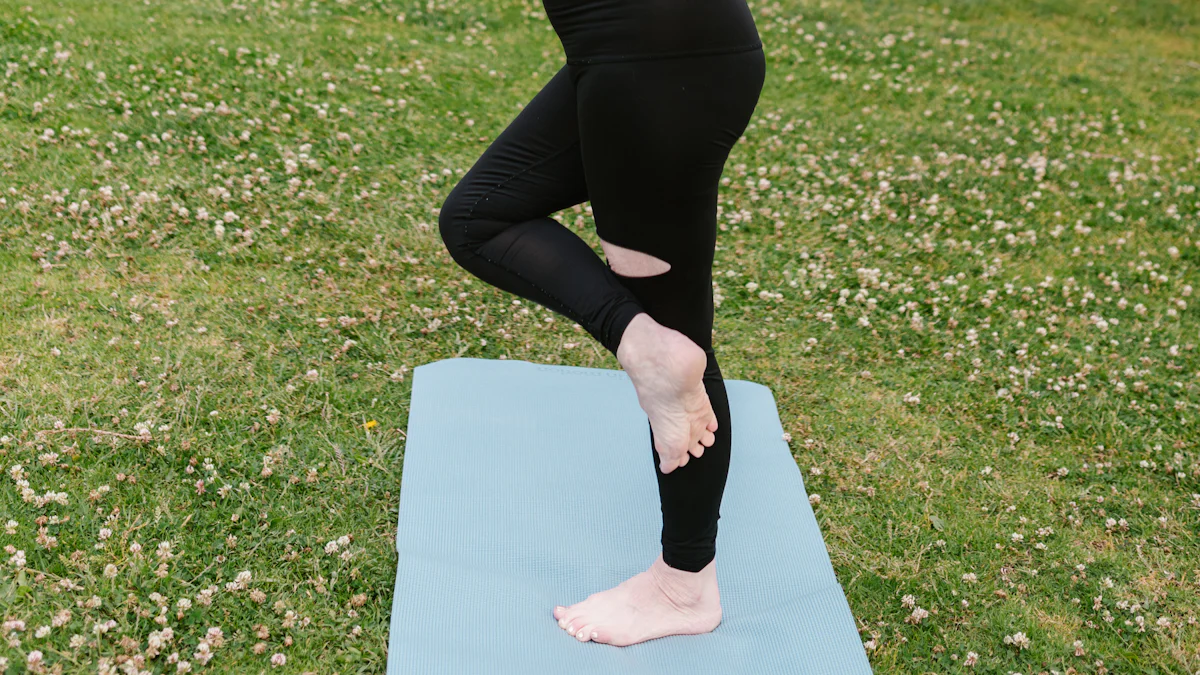
Embarking on your prenatal yoga journey involves understanding which poses are safe and beneficial for you and your baby. Here, you'll discover some essential poses that can enhance your well-being during pregnancy, as well as those you should avoid to ensure safety.
Safe and Beneficial Poses
Cat-Cow Stretch
The Cat-Cow Stretch is a gentle and effective pose that can help you maintain flexibility and relieve tension in your spine. This pose involves moving between two positions: the cat pose, where you arch your back, and the cow pose, where you dip your back. By practicing this stretch, you can improve your posture and alleviate back pain, a common discomfort during pregnancy. The rhythmic movement also encourages deep breathing, which can calm your mind and reduce stress.
Warrior II Pose
Warrior II Pose is another excellent choice for expectant mothers. This pose strengthens your legs and opens your hips, preparing your body for labor. By holding this pose, you can build endurance and stability, which are crucial during childbirth. Warrior II also promotes balance and concentration, helping you stay grounded and focused. As you practice, visualize yourself as a strong and empowered warrior, ready to embrace the challenges of pregnancy and motherhood.
Poses to Avoid
Deep Twists
During pregnancy, it's important to avoid deep twisting poses. These poses can compress your abdomen and potentially harm your baby. Instead, opt for gentle twists that allow you to rotate your upper body without straining your belly. By modifying these poses, you can still enjoy the benefits of spinal rotation while ensuring your safety and comfort.
Backbends
Backbends are another category of poses to approach with caution. While they can increase flexibility, they also place significant pressure on your lower back and abdomen. During pregnancy, your body undergoes many changes, and it's crucial to protect your spine and core. Focus on gentle backbends that support your body's natural curves and avoid any movements that cause discomfort or pain.
By incorporating these safe and beneficial poses into your prenatal yoga routine, you can nurture your body and mind throughout your pregnancy. Remember, the goal is to create a practice that supports your well-being and prepares you for the beautiful journey of childbirth. Stay mindful of your body's signals and prioritize your safety and comfort at all times.
Tips for a Successful Prenatal Yoga Practice
Embarking on a prenatal yoga journey can be transformative. By setting a routine and using props, you can enhance your practice and ensure it aligns with your pregnancy needs.
Setting a Routine
Creating a consistent yoga routine can significantly impact your pregnancy experience. It helps you stay committed and reap the full benefits of prenatal yoga.
Consistency and Commitment
Consistency is key to a successful prenatal yoga practice. Regular sessions help you build strength and flexibility, which are essential during pregnancy. By committing to a routine, you can manage discomforts like back pain and swelling more effectively. As one participant shared, "If I missed too many classes in a row, I would get increased aches and discomfort." This highlights the importance of staying committed to your practice.
Finding the Right Time
Finding the right time for your yoga practice can make a difference. Choose a time when you feel most energetic and relaxed. Morning sessions can invigorate you for the day ahead, while evening practices can help you unwind and prepare for restful sleep. Listen to your body and adjust your schedule as needed. Remember, the goal is to create a routine that fits seamlessly into your life and supports your well-being.
Using Props and Modifications
Incorporating props and modifications into your practice can enhance comfort and safety. They allow you to adapt poses to suit your changing body.
Benefits of Props
Props like blocks, straps, and bolsters can be invaluable during prenatal yoga. They provide support and stability, helping you maintain proper alignment. By using props, you can perform poses with greater ease and confidence. One attendee noted, "I always leave class with my body feeling stronger, more comfortable, and relaxed." This underscores the positive impact of props on your practice.
Adapting Poses for Comfort
Adapting poses to your comfort level is crucial during pregnancy. Modify poses to accommodate your growing belly and changing body. Avoid any movements that cause discomfort or strain. Focus on gentle stretches and breathing exercises that promote relaxation and well-being. As another participant expressed, "Prenatal yoga made me feel physically and emotionally strong." By adapting poses, you can nurture both your body and mind throughout your pregnancy journey.
By setting a routine and using props, you can create a successful prenatal yoga practice that supports your physical and emotional health. Embrace this journey with confidence and optimism, knowing that each session brings you closer to a safe and healthy pregnancy.
Prenatal yoga plays a vital role in ensuring a safe and healthy pregnancy. It offers both physical and mental benefits, helping you feel stronger, more comfortable, and relaxed. As one participant shared, "Prenatal yoga made me feel physically and emotionally strong." This practice fosters a deep connection with your baby and prepares you for labor and postpartum recovery. Always prioritize safety by consulting healthcare professionals and choosing certified instructors. Embrace this journey with confidence, knowing that each session brings you closer to a joyful and empowered motherhood experience.
See Also
Simple Ways to Teach Yoga to Young Children
Safely Achieving Inversions in Home Yoga Practice
Essential Anatomy Knowledge for Yoga Newbies

Hi my name is Lia and i am your host in this yoga journey in Portugal, Subscribe to our newsletter to receive every week the best of Yoga in Portugal.

We bring back the importance of initiation into womanhood by Roos-Veerle Krijnen & Ella-June Henrard
Welcome to the Women’s Initiation Retreat by Naked Truth Retreats, a transformative journey into the depths of your True Feminine Nature. This retreat invites you to remember the sacredness and wholeness of your being.
Roos-Veerle Krijnen & Ella-June Henrard