Top 10 Tips for Mastering Acoustic Guitar Techniques

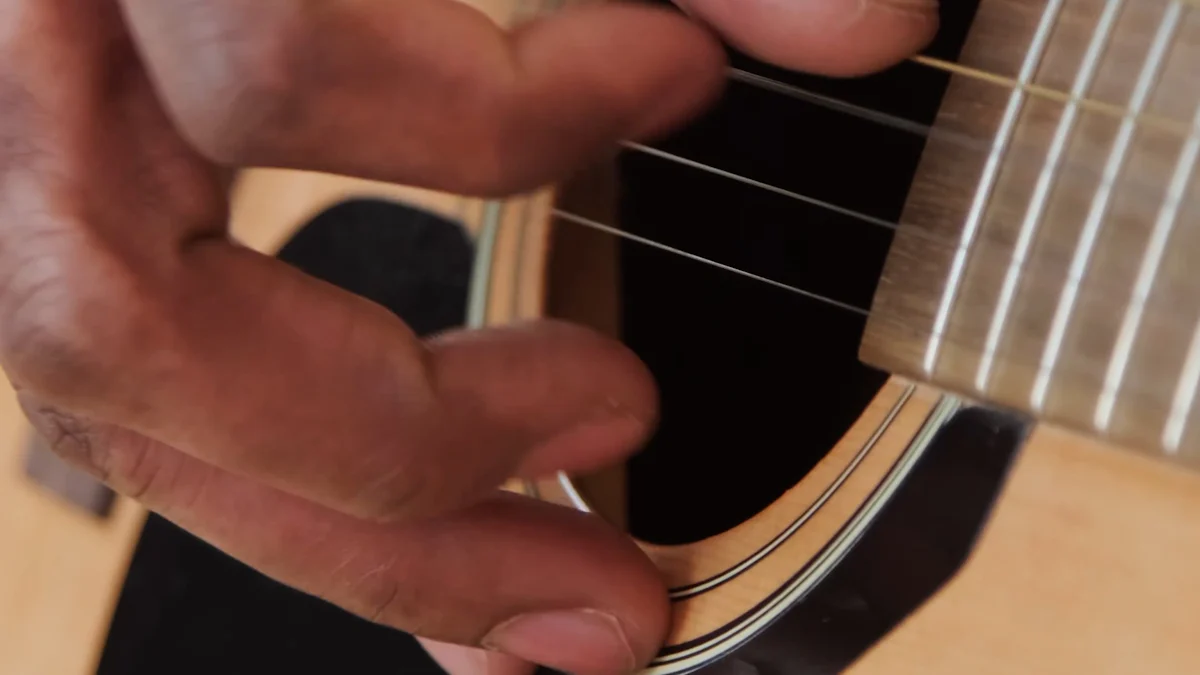
Mastering acoustic guitar techniques opens up a world of musical possibilities. Whether you're just starting or looking to refine your skills, the journey can be incredibly rewarding. Many people pick up the guitar to gain a life skill or for self-betterment. You might find that learning these techniques not only enhances your playing but also brings benefits beyond technical proficiency. So, grab your guitar and dive into this exciting adventure. Remember, every strum and chord brings you closer to becoming the guitarist you aspire to be. Embrace the process and enjoy the music you create with your yoga gitar akustik.
Start with the Basics
Proper Posture and Hand Positioning
Importance of Correct Posture
When you start playing the acoustic guitar, getting your posture right is super important. It helps you play comfortably and prevents injuries. Imagine sitting with your back straight and shoulders relaxed. This position makes it easier to reach the strings and frets. You won't feel any strain on your back or arms. Good posture also lets you play for longer without getting tired. So, always check your posture before you start strumming.
Hand Positioning for Optimal Playability
Your hand positioning can make a big difference in how well you play. Place your thumb behind the neck of the guitar. This gives your fingers the freedom to move around the fretboard. Keep your fingers curved and press down on the strings with your fingertips. This technique helps you play clean notes without any buzzing. Proper hand placement is like yoga for your fingers, making your guitar playing smooth and enjoyable.
Understanding Guitar Anatomy
Familiarize with Guitar Parts
Knowing your guitar inside out can boost your confidence as a player. Take a moment to explore the different parts of your acoustic guitar. The body, neck, headstock, and strings all play a role in creating sound. Understanding these parts helps you make adjustments when needed. For example, if a string sounds off, you might need to check the tuning pegs on the headstock. Familiarity with your instrument makes you a more skilled guitarist.
Importance of Knowing Your Instrument
When you know your guitar well, you can take better care of it. Regular maintenance keeps your guitar in top shape. Clean the strings and body to ensure it sounds great every time you play. Knowing your instrument also helps you experiment with different sounds. You might try using a capo to change the key of a song. This knowledge adds variety to your playing and keeps things exciting. Embrace your guitar like a partner in your musical journey, and you'll find joy in every note you play.
Develop Finger Strength and Dexterity

Finger Exercises
Simple Finger Stretching Techniques
Building finger strength and dexterity is crucial for playing the acoustic guitar. You can start with simple finger stretching techniques. These exercises target the muscles in your wrists, forearms, and fingers. They improve your flexibility and reduce the risk of injury. Try spreading your fingers wide apart and holding them for a few seconds. Then, bring them back together. Repeat this several times. This exercise helps you gain control over your fingers, making it easier to play complex chords.
Exercises to Improve Dexterity
Improving dexterity involves more than just stretching. You need exercises that challenge your fingers to move quickly and accurately. Practice alternate picking and string skipping. These exercises enhance your picking techniques and increase your accuracy when moving between strings. Start slow and gradually increase your speed. Consistent practice will make your fingers more agile, allowing you to play faster and more intricate pieces with ease.
Building Calluses
Importance of Calluses for Playing
Calluses are your best friends when it comes to playing the guitar. They form on your fingertips as you practice regularly. Calluses protect your fingers from the pain of pressing down on the strings. Without them, playing can be uncomfortable and even painful. As you develop calluses, you'll notice that you can play for longer periods without discomfort. This allows you to focus more on your technique and less on the pain.
Tips for Developing Calluses
Developing calluses takes time and patience. Here are some tips to help you along the way:
Practice Regularly: Consistent practice is key. Even short daily sessions can help build calluses.
Press Firmly: Make sure you're pressing down on the strings with enough force. This encourages callus formation.
Avoid Overplaying: Don't overdo it. Give your fingers time to rest and heal. Overplaying can lead to blisters instead of calluses.
Use the Right Strings: Consider using medium-gauge strings. They provide enough resistance to help build calluses without being too harsh on your fingers.
By incorporating these exercises and tips into your routine, you'll strengthen your fingers and develop the dexterity needed to master the acoustic guitar. Keep practicing, and soon you'll notice significant improvements in your playing.
Master Basic Chords and Strumming Patterns
Mastering basic chords and strumming patterns is a crucial step in your acoustic guitar journey. These foundational skills open up a world of musical possibilities and set the stage for more advanced techniques.
Essential Chords for Beginners
Open Chords
Start with open chords. They're the building blocks of many songs. Open chords use some open strings, making them easier to play. You'll find chords like C, G, D, E, and A in this category. These chords are essential for beginners because they form the basis of countless songs. As you practice, you'll notice your fingers becoming more comfortable with these shapes.
Transitioning Between Chords
Once you're familiar with open chords, focus on transitioning smoothly between them. This skill is vital for playing songs fluidly. Practice moving from one chord to another without pausing. Start slowly, then gradually increase your speed. *Learning a few chords first and practicing transitioning between them smoothly is essential.* This practice will improve your timing and make your playing sound more polished.
Basic Strumming Techniques
Downstrokes and Upstrokes
Strumming patterns add rhythm and texture to your playing. Begin with downstrokes, where you strum all the strings in a downward motion. Once you're comfortable, incorporate upstrokes. This involves strumming upward, creating a fuller sound. Mastering different strumming patterns gives you greater control over the mood and energy of your playing. Experiment with combining downstrokes and upstrokes to create varied rhythms.
Rhythm and Timing
Rhythm and timing are key to making your strumming patterns sound great. Use a metronome to keep a steady beat. This tool helps you maintain consistent timing, which is crucial for playing along with others or backing tracks. The ability to master various strumming patterns is like unlocking a secret language that adds depth, emotion, and flair to your playing. As you practice, you'll develop a natural sense of rhythm that enhances your overall performance.
By focusing on these basic chords and strumming techniques, you'll lay a strong foundation for your acoustic guitar skills. Remember, every practice session brings you closer to mastering the yoga gitar akustik. Enjoy the process and have fun exploring new musical horizons.
Practice Scales and Fingerpicking

Practicing scales and fingerpicking can transform your guitar playing from basic to brilliant. These techniques enhance your musicality and open up new avenues for creativity. Let's dive into how you can incorporate these skills into your practice routine.
Introduction to Scales
Major and Minor Scales
Scales are the backbone of music. They help you understand the structure of songs and improve your finger accuracy. Start with major and minor scales. Major scales have a happy sound, while minor scales sound more somber. Practicing these scales will train your ears and fingers to recognize different musical patterns. You'll find that scales are not just exercises; they are tools that enhance your overall playing ability.
Scale Practice Routines
Developing a routine for practicing scales is essential. Begin by playing scales slowly, focusing on each note's clarity. Gradually increase your speed as you become more comfortable. Use a metronome to keep a steady tempo. This practice will improve your timing and coordination between your fretting and plucking hands. Remember, consistency is key. Regular scale practice will lead to noticeable improvements in your playing.
Fingerpicking Basics
Simple Fingerpicking Patterns
Fingerpicking adds a layer of complexity and beauty to your guitar playing. Start with simple patterns. Assign specific roles to each finger: your thumb for the bass strings and your index, middle, and ring fingers for the higher strings. Practice these patterns slowly, ensuring each note rings clearly. As you become more confident, explore different patterns to add variety to your playing.
Coordination Between Fingers
Coordination is crucial in fingerpicking. Your fingers must work together seamlessly to produce a harmonious sound. Practice exercises that focus on finger independence and coordination. For example, try alternating between plucking different strings with your fingers. This exercise will improve your finger control and accuracy. As you master these basics, you'll find that fingerpicking opens up a world of musical possibilities.
By incorporating scales and fingerpicking into your practice, you'll elevate your guitar skills to new heights. These techniques not only improve your technical abilities but also enrich your musical expression. Embrace the journey of learning and enjoy the beautiful sounds you create with your yoga gitar akustik.
Explore Advanced Techniques
As you advance in your acoustic guitar journey, exploring advanced techniques can add flair and sophistication to your playing. These techniques, like hammer-ons, pull-offs, slides, and bends, can transform your sound and elevate your musical expression.
Hammer-ons and Pull-offs
Technique Explanation
Hammer-ons and pull-offs are essential techniques for creating smooth, flowing melodies on the guitar. A hammer-on involves striking a string with your finger to produce a note without picking it again. You start by playing a note and then "hammer" your finger onto a higher fret. This action creates a seamless transition between notes. On the other hand, a pull-off is the reverse. You play a note and then "pull" your finger off the string to let a lower note ring out. These techniques allow you to play faster and more fluidly, adding a legato feel to your music.
Practice Tips
To master hammer-ons and pull-offs, practice is key. Start by choosing a simple scale or melody. Focus on clean execution. Ensure each note rings clearly without unwanted noise. Here are some tips to help you:
Start Slow: Begin at a slow tempo. Concentrate on accuracy before increasing speed.
Use a Metronome: Keep a steady rhythm. This tool helps maintain consistent timing.
Isolate Movements: Practice hammer-ons and pull-offs separately. Then combine them for a smoother transition.
Strengthen Fingers: Regular finger exercises improve strength and control, making these techniques easier.
By incorporating these tips into your practice routine, you'll soon find hammer-ons and pull-offs becoming second nature.
Slides and Bends
How to Execute Slides
Slides add a dynamic element to your playing. To execute a slide, start by playing a note and then glide your finger up or down the fretboard to another note. This technique creates a smooth, continuous sound. For a successful slide, maintain firm pressure on the string throughout the movement. This ensures the note sustains and transitions smoothly.
Bending Strings Correctly
String bending is a powerful technique that adds emotion and expression to your music. To bend a string, push or pull it across the fretboard to raise the pitch. The key to a good bend is control. Use your wrist and fingers to apply pressure evenly. Start with small bends and gradually increase the pitch as you gain confidence. Here are some tips for mastering bends:
Use Multiple Fingers: Support the bending finger with others for added strength.
Listen Carefully: Aim for precise pitch changes. Use your ear to guide the bend.
Practice with a Tuner: Ensure your bends reach the correct pitch by checking with a tuner.
By mastering slides and bends, you'll add depth and emotion to your playing, making your yoga gitar akustik experience even more rewarding.
Incorporate Dynamics and Expression
Playing with Dynamics
Soft and Loud Playing
Playing with dynamics can transform your guitar music from ordinary to extraordinary. Dynamics refer to the volume of your playing, ranging from soft to loud. When you play softly, you create an intimate and gentle atmosphere. This approach is perfect for conveying tenderness or melancholy. On the other hand, playing loudly adds energy and excitement. It can make your music feel powerful and intense. By mastering both soft and loud playing, you can take your audience on an emotional journey.
Using Dynamics for Expression
Dynamics are not just about volume; they are a tool for expression. You can use them to highlight certain parts of a song or to create contrast. For example, start a verse softly and gradually increase the volume as you reach the chorus. This technique draws listeners in and keeps them engaged. Dynamics allow you to convey emotions like joy, sadness, or tension. They give your music a voice that speaks directly to the heart.
"Expression, music is not just about keeping time and playing the right notes or chords. In order for music to have an emotional effect, it needs a sense of expression." - Unknown Guitar Expert
Adding Emotion to Your Playing
Techniques for Expressive Playing
Adding emotion to your playing involves more than just dynamics. It requires techniques that bring out the soul of the music. One way to achieve this is through phrasing. Phrasing is how you shape the notes and rhythms to create a musical sentence. Think of it as telling a story with your guitar. Use pauses, accents, and variations in tempo to add depth and meaning to your music. Experiment with different strumming patterns to convey various emotions and moods.
Connecting Emotionally with Music
Connecting emotionally with your music is essential for expressive playing. To do this, immerse yourself in the song's story or message. Feel the emotions it conveys and let them guide your playing. When you connect with the music, your audience will feel it too. This connection transforms a simple performance into a memorable experience. Remember, music is a language of the heart, and your guitar is the voice that speaks it.
By incorporating dynamics and expression into your playing, you elevate your guitar skills to a new level. These techniques allow you to communicate emotions and create a rich tapestry of sound. Embrace the power of dynamics and expression, and watch your music come alive.
Learn to Read Guitar Tabs and Sheet Music
Learning to read guitar tabs and sheet music can significantly enhance your guitar-playing skills. These tools provide a visual representation of music, making it easier for you to understand and play your favorite songs.
Understanding Guitar Tabs
Guitar tabs, or tablature, offer a simple way to read music specifically for the guitar. They show you where to place your fingers on the fretboard.
Basics of Reading Tabs
Tabs consist of six lines representing the six strings of the guitar. Numbers on these lines indicate which fret to press. For example, a "3" on the top line means you press the third fret on the high E string. Tabs are straightforward and don't require you to learn traditional music notation. This makes them perfect for beginners eager to start playing right away.
Practice with Simple Songs
Start with simple songs to get comfortable with tabs. Choose tunes you enjoy, as this will keep you motivated. As you practice, you'll notice your ability to read tabs improves. You'll also find that playing becomes more intuitive. Regular practice with tabs can boost your confidence and make learning new songs a breeze.
Introduction to Sheet Music
While tabs are great for beginners, sheet music offers a deeper understanding of music. It provides information about rhythm, dynamics, and expression.
Reading Music Notation
Sheet music uses a staff with notes placed on lines and spaces. Each note represents a specific pitch and duration. Learning to read music notation might seem challenging at first, but it opens up a world of musical possibilities. You'll gain insights into how music is structured and composed.
Benefits of Learning Sheet Music
Understanding sheet music enhances your musical knowledge and skills. It allows you to play a wider range of music, from classical to contemporary. Reading sheet music also improves your timing and rhythm. Moreover, studies show that learning to play an instrument, like the guitar, can boost cognitive function, memory, and creativity. It even helps with hand-eye coordination and brain development. By mastering sheet music, you enrich your yoga gitar akustik journey and unlock new levels of musical expression.
Embrace the challenge of learning both guitar tabs and sheet music. These skills will make you a more versatile and accomplished guitarist. Enjoy the process, and let your guitar playing flourish.
Practice Consistently and Set Goals
Consistent practice and setting goals are your keys to mastering the acoustic guitar. They provide structure and motivation, helping you progress steadily on your musical journey.
Importance of Regular Practice
Regular practice is the backbone of skill development. It transforms your guitar playing from a hobby into a rewarding experience. Practicing consistently, even for just five minutes a day, can lead to significant improvements in your playing ability. This routine helps you build muscle memory, making it easier to play complex pieces over time.
Creating a Practice Schedule
Creating a practice schedule keeps you on track. Start by setting aside specific times each day for practice. Consistency is crucial, so choose a time that fits your daily routine. You might find mornings or evenings work best. Break your practice into manageable sessions, focusing on different techniques or songs. This approach prevents burnout and keeps your practice sessions enjoyable.
Staying Motivated
Staying motivated can be challenging, but it's essential for progress. Find inspiration in your favorite songs or guitarists. Set small, achievable goals to maintain your enthusiasm. Celebrate your achievements, no matter how minor they seem. Remember, every chord you master and every song you learn brings you closer to your musical aspirations.
"Practicing consistently is the holy grail of guitar playing – it’s the one act that is going to take you from guitar zero to guitar hero."
Setting Achievable Goals
Setting goals gives your practice purpose and direction. They help you measure progress and stay focused on your musical journey.
Short-term and Long-term Goals
Start with short-term goals. These might include learning a new chord or mastering a simple song. Short-term goals provide quick wins, boosting your confidence. As you achieve these, set long-term goals. These could involve playing more complex pieces or performing in front of others. Long-term goals require dedication and patience, but they offer immense satisfaction when achieved.
Tracking Progress
Tracking your progress keeps you motivated and accountable. Keep a practice journal to note what you work on each session. Record your achievements and challenges. This record helps you see how far you've come and identify areas for improvement. Use technology, like apps or online tools, to track your practice time and progress. Seeing your growth in black and white can be incredibly motivating.
By practicing consistently and setting achievable goals, you'll find joy and fulfillment in your guitar journey. Embrace the process, and watch your skills flourish.
Seek Feedback and Learn from Others
Learning to play the acoustic guitar is a journey best taken with others. Seeking feedback and learning from fellow guitarists can accelerate your progress and enrich your experience. Let's explore how you can benefit from constructive criticism and community learning.
Importance of Feedback
Feedback plays a crucial role in your development as a guitarist. It helps you identify areas for improvement and refine your skills.
Getting Constructive Criticism
Constructive criticism is like a mirror reflecting your strengths and weaknesses. When you receive feedback, listen carefully and consider the suggestions. Ask experienced guitarists or teachers for their insights. They can offer valuable advice on your technique, posture, and musicality. Remember, feedback is not about pointing out flaws but guiding you toward better playing. Embrace it as an opportunity to grow and enhance your yoga gitar akustik skills.
Learning from Mistakes
Mistakes are stepping stones to mastery. When you make a mistake, don't get discouraged. Instead, analyze what went wrong and how you can fix it. Use feedback to understand your errors and learn from them. This process builds resilience and confidence. Over time, you'll find that mistakes become less frequent, and your playing becomes more polished.
Joining Guitar Communities
Being part of a guitar community offers numerous benefits. It connects you with like-minded individuals who share your passion for music.
Benefits of Community Learning
Community learning provides a supportive environment where you can exchange ideas and experiences. Joining a guitar group or online forum allows you to learn from others' successes and challenges. You can participate in group lessons, workshops, or jam sessions. These activities expose you to different playing styles and techniques. They also motivate you to practice regularly and stay committed to your yoga gitar akustik journey.
Sharing Experiences and Tips
Sharing your experiences and tips with others fosters a sense of camaraderie. When you teach someone a new chord or strumming pattern, you reinforce your own knowledge. Engaging in discussions about music theory or favorite songs broadens your understanding. Plus, you might discover new genres or artists that inspire you. As you contribute to the community, you'll find that the support and encouragement you receive are invaluable.
Enjoy the Journey and Have Fun
Embracing the Learning Process
Patience and Persistence
Learning the acoustic guitar is a journey, not a race. You might feel frustrated when progress seems slow, but patience is your best friend. Every guitarist, even the pros, started where you are now. Keep practicing, and you'll see improvement over time. Persistence pays off. When you stick with it, you'll find that each practice session builds on the last. Your fingers will move more smoothly, and your confidence will grow.
Celebrating Small Wins
Don't wait for big milestones to celebrate. Every small achievement deserves recognition. Did you finally nail that tricky chord transition? Give yourself a pat on the back. Managed to play a song all the way through without mistakes? That's worth celebrating too. These small wins keep you motivated and remind you of how far you've come. They make the learning process enjoyable and rewarding.
Finding Joy in Playing
Exploring Different Music Styles
One of the joys of playing the guitar is the ability to explore various music styles. Don't limit yourself to just one genre. Try playing blues, rock, folk, or even classical. Each style offers unique techniques and challenges. Exploring different genres keeps your practice sessions exciting and broadens your musical horizons. You might discover a new favorite style or artist along the way.
Playing for Personal Enjoyment
Remember why you picked up the guitar in the first place. It's not just about mastering techniques or impressing others. It's about enjoying the music you create. Play songs that make you happy. Experiment with new sounds and rhythms. Let your guitar be an outlet for your emotions and creativity. When you play for personal enjoyment, you'll find that the guitar becomes a source of relaxation and joy.
"The guitar is a small orchestra. It is polyphonic. Every string is a different color, a different voice." - Andres Segovia
Embrace the journey of learning the acoustic guitar. Enjoy every strum and chord. Celebrate your progress, explore new styles, and most importantly, have fun. Your guitar journey is unique to you, and it's filled with endless possibilities.
Mastering acoustic guitar techniques is more than just a skill; it's a journey filled with creativity and self-expression. As you continue to practice, remember the joy that comes with each strum and chord. Embrace the process, and don't rush. Enjoy the small victories, like smoother chord transitions or clearer notes. Keep experimenting with new styles and techniques. Let your guitar be a source of relaxation and fun. Stay patient and persistent, and you'll find that your dedication pays off. Your musical journey is unique, so savor every moment and keep strumming!

Hi my name is Lia and i am your host in this yoga journey in Portugal, Subscribe to our newsletter to receive every week the best of Yoga in Portugal.

We bring back the importance of initiation into womanhood by Roos-Veerle Krijnen & Ella-June Henrard
Welcome to the Women’s Initiation Retreat by Naked Truth Retreats, a transformative journey into the depths of your True Feminine Nature. This retreat invites you to remember the sacredness and wholeness of your being.
Roos-Veerle Krijnen & Ella-June Henrard