Top 10 Hot Yoga Poses to Boost Flexibility

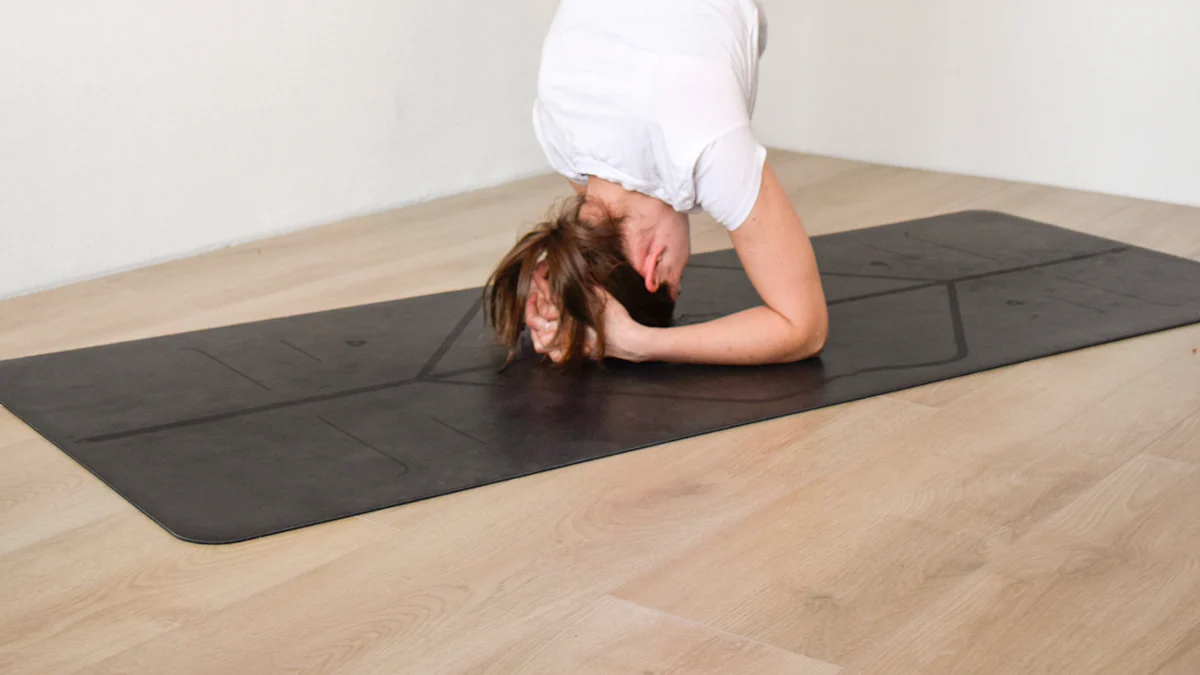
Hot yoga offers a unique twist to traditional yoga by adding heat to the mix. This practice not only helps you sweat out toxins but also enhances your flexibility. Imagine feeling more limber and agile after just a few sessions. Studies show that participants in heated yoga classes experience increased flexibility in their shoulders, lower back, and hamstrings within eight weeks. Flexibility is crucial in yoga because it allows you to perform poses with ease and grace. So, if you're looking to become one of those yoga hotties who can bend and stretch effortlessly, hot yoga might be your perfect match.
Understanding Hot Yoga
What is Hot Yoga?
Definition and origins
Hot yoga is a style of yoga practiced in a heated room, typically ranging from 80 to 105 degrees Fahrenheit. This practice originated from the traditional Bikram yoga, which was developed by Bikram Choudhury in the 1970s. The heat aims to replicate the warm climate of India, where yoga was born. You might wonder why the heat is necessary. Well, it helps your muscles relax, allowing you to stretch deeper and achieve those impressive poses that yoga hotties are known for.
Key characteristics of hot yoga
Hot yoga sessions usually last about 60 to 90 minutes and include a series of poses and breathing exercises. The heat not only makes you sweat but also increases your heart rate, providing a cardiovascular workout. You’ll find that the warmth encourages flexibility and helps prevent injuries. Plus, the intense environment challenges your mental focus, making it a holistic workout for both body and mind. If you’ve ever seen yoga hotties effortlessly holding complex poses, the secret often lies in their dedication to hot yoga.
Benefits of Hot Yoga
Physical benefits
Hot yoga offers numerous physical benefits. The heat allows your muscles to stretch more easily, which can lead to improved flexibility. This is why many yoga hotties swear by it. The practice also enhances your strength and balance. As you hold poses in the heat, you engage various muscle groups, building endurance and toning your body. Additionally, hot yoga can aid in weight loss. The increased heart rate and sweating help burn calories, making it an effective workout for those looking to shed some pounds.
Mental and emotional benefits
Beyond the physical perks, hot yoga provides significant mental and emotional benefits. Studies have shown that hot yoga can reduce stress levels and improve overall well-being. The practice encourages mindfulness, helping you stay present and focused. As you move through the poses, you’ll find a sense of peace and calmness washing over you. This mental clarity is one reason why yoga hotties often appear so serene and composed. Moreover, hot yoga can boost your mood and enhance your quality of life, making it a valuable addition to your wellness routine.
Preparing for Hot Yoga
Essential Gear and Attire
Getting ready for hot yoga involves more than just showing up. You need the right gear to make the most of your session.
Recommended clothing
When it comes to clothing, think moisture-wicking. Fabrics like Nike Dri-FIT are perfect for regulating your body temperature and keeping you comfortable. Choose snug-fitting bottoms with minimal seams to allow freedom of movement. This way, you can focus on your poses without any distractions. A good sports bra or tank top will also help keep you cool and dry.
Necessary equipment
Your yoga mat is your best friend in hot yoga. Opt for a non-slip yoga mat to prevent sliding during poses. Adding a yoga mat towel on top can further reduce slipping due to sweat. A yoga towel is also handy to keep sweat from dripping onto your mat. Don't forget a water bottle to stay hydrated throughout the session. Consider bringing a small hand towel to wipe sweat from your face. For extra grip, you might want to try special gloves and socks designed for hot yoga.
Hydration and Nutrition Tips
Staying hydrated and well-nourished is crucial for a successful hot yoga experience.
Importance of staying hydrated
Hydration is key in hot yoga. The heat makes you sweat more, which can lead to dehydration if you're not careful. Always bring a water bottle to class. Consider adding an electrolyte replacement to your water to replenish lost electrolytes. This helps prevent muscle cramping and lightheadedness. Remember, it's better to sip water throughout the session rather than gulping it down all at once.
Pre and post-yoga nutrition
What you eat before and after yoga can impact your performance and recovery. Before class, opt for a light meal or snack that includes carbohydrates and protein. Think a banana with almond butter or a small smoothie. After your session, refuel with a balanced meal to restore energy levels. Include lean proteins, whole grains, and plenty of vegetables. This will help your body recover and prepare for your next hot yoga adventure.
Top 10 Hot Yoga Poses
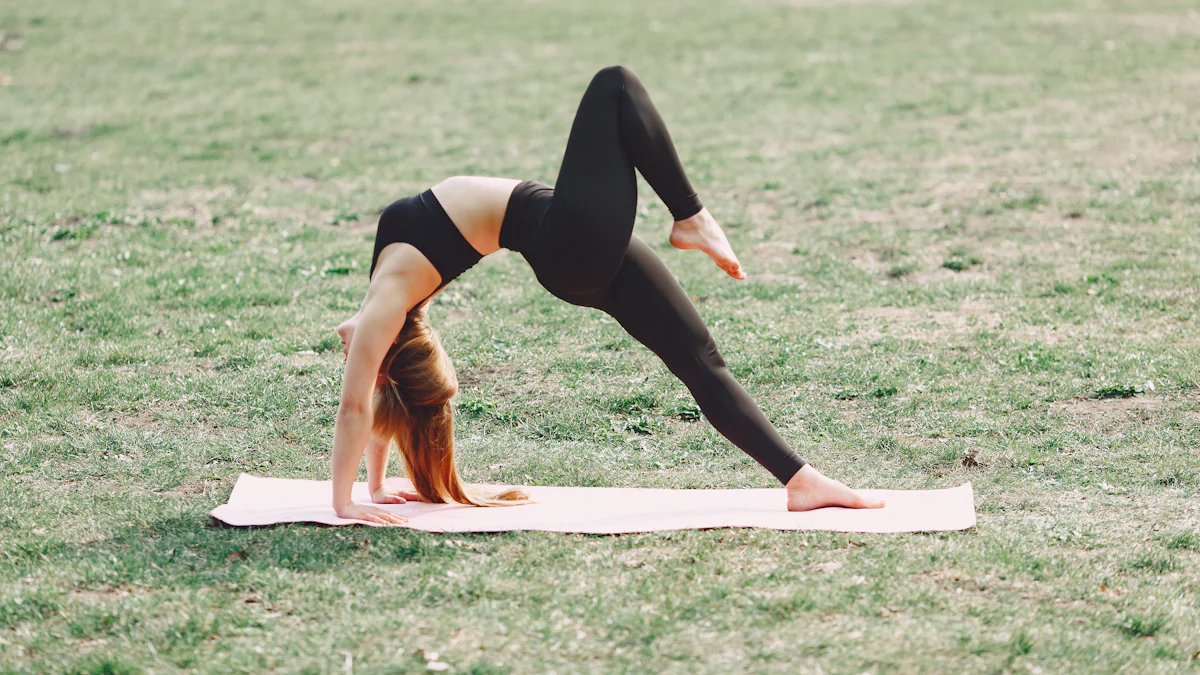
Pose 1: Mountain Pose Namaste (Pranamasana)
Description and benefits
Mountain Pose Namaste, or Pranamasana, serves as a foundational pose in yoga. It promotes grounding and stability, which are essential for enhancing flexibility. This pose helps you connect with your breath and center your mind, preparing you for more challenging poses. By practicing Mountain Pose, you improve your posture and balance, making it a great starting point for any yoga session.
Step-by-step instructions
Stand tall with your feet together and arms by your sides.
Press your palms together in front of your chest in a prayer position.
Distribute your weight evenly across both feet.
Engage your thighs and lift your kneecaps slightly.
Lengthen your spine and tuck your tailbone under.
Relax your shoulders away from your ears.
Close your eyes and take deep breaths, focusing on your alignment and balance.
Pose 2: Palm Tree Pose Side Bend (Parsva Bhanga)
Description and benefits
Palm Tree Pose Side Bend, or Parsva Bhanga, stretches the sides of your body. This pose improves lateral flexibility and balance. It opens up your rib cage, allowing for deeper breathing. Practicing this pose regularly can enhance your overall flexibility and help you achieve a more balanced posture.
Step-by-step instructions
Stand with your feet hip-width apart and arms by your sides.
Inhale and raise your arms overhead, interlocking your fingers.
Keep your palms facing upward.
Exhale and gently bend to the right, keeping your arms straight.
Hold the pose for a few breaths, feeling the stretch along your left side.
Inhale and return to the center.
Exhale and repeat the bend to the left side.
Return to the center and release your arms.
Pose 3: Chair Pose Flow (Utkatasana Flow)
Description and benefits
Chair Pose Flow, or Utkatasana Flow, engages your legs and core while promoting flexibility in your hips and spine. This dynamic pose strengthens your lower body and enhances your endurance. It also helps improve your focus and concentration, making it a valuable addition to your yoga practice.
Step-by-step instructions
Stand with your feet together and arms by your sides.
Inhale and raise your arms overhead, palms facing each other.
Exhale and bend your knees, lowering your hips as if sitting in a chair.
Keep your weight in your heels and your chest lifted.
Inhale and straighten your legs, returning to a standing position.
Exhale and repeat the flow, moving smoothly between the poses.
Continue the flow for several breaths, focusing on your alignment and breath.
Pose 4: Eagle Pose (Garudasana)
Description and benefits
Eagle Pose, or Garudasana, is a fantastic way to boost flexibility in your shoulders and legs. This pose challenges your balance and concentration, making it a great addition to your yoga routine. By practicing Eagle Pose, you enhance your focus and coordination. It also helps release tension in your upper back and shoulders, which can be especially beneficial if you spend a lot of time sitting.
Step-by-step instructions
Stand tall with your feet together and arms by your sides.
Bend your knees slightly and lift your right foot, crossing it over your left thigh.
Hook your right foot behind your left calf if possible.
Extend your arms forward and cross your left arm over your right at the elbows.
Bend your elbows and bring your palms together, forming an "eagle beak."
Keep your gaze focused on a point in front of you to maintain balance.
Hold the pose for a few breaths, then gently release and switch sides.
Pose 5: Standing Hand To Big Toe Pose Forward Bend (Utthita Hasta Padangusthasana Forward Bend)
Description and benefits
Standing Hand To Big Toe Pose Forward Bend, or Utthita Hasta Padangusthasana Forward Bend, is a powerful stretch for your hamstrings and calves. This pose improves your overall leg flexibility and strengthens your core. It also enhances your balance and concentration, helping you stay grounded and focused.
Step-by-step instructions
Stand with your feet hip-width apart and arms by your sides.
Shift your weight onto your left foot and lift your right leg.
Grab your right big toe with your right hand, keeping your left hand on your hip.
Inhale and extend your right leg forward, straightening it as much as possible.
Exhale and fold forward, bringing your forehead towards your knee.
Hold the pose for a few breaths, feeling the stretch in your hamstrings.
Release and switch sides, repeating the steps with your left leg.
Pose 6: Dancer Pose (Natarajasana)
Description and benefits
Dancer Pose, or Natarajasana, combines balance and flexibility in a graceful movement. This pose stretches the front of your body, including your chest, abdomen, and thighs, while strengthening your back and legs. Practicing Dancer Pose enhances your posture and opens your heart, promoting a sense of openness and confidence.
Step-by-step instructions
Stand tall with your feet together and arms by your sides.
Shift your weight onto your left foot and bend your right knee, bringing your right heel towards your glutes.
Reach back with your right hand and grab the inside of your right foot or ankle.
Inhale and lift your left arm overhead, reaching towards the sky.
Exhale and lean forward slightly, kicking your right foot back and up.
Keep your gaze focused on a point in front of you to maintain balance.
Hold the pose for a few breaths, then gently release and switch sides.
Pose 7: Warrior II (Virabhadrasana II)
Description and benefits
Warrior II, or Virabhadrasana II, is a powerful pose that strengthens your legs and opens your hips. This pose enhances your stamina and stability, making it a staple in many yoga practices. By practicing Warrior II, you improve your focus and concentration. It also stretches your shoulders and chest, promoting better posture and breathing.
Step-by-step instructions
Begin in a standing position with your feet wide apart.
Turn your right foot out 90 degrees and your left foot slightly in.
Raise your arms parallel to the floor, palms facing down.
Bend your right knee over your right ankle, keeping your thigh parallel to the floor.
Keep your gaze over your right hand, maintaining a strong and steady posture.
Hold the pose for several breaths, feeling the strength in your legs and the stretch in your arms.
Straighten your right leg and repeat on the opposite side.
Pose 8: Triangle Pose (Trikonasana)
Description and benefits
Triangle Pose, or Trikonasana, is excellent for stretching your entire body. This pose improves flexibility in your legs, hips, and spine. It also strengthens your core and enhances your balance. Practicing Triangle Pose regularly can help you achieve a more aligned and balanced posture.
Step-by-step instructions
Stand with your feet wide apart, turning your right foot out 90 degrees and your left foot slightly in.
Extend your arms out to the sides, parallel to the floor.
Shift your hips to the left and reach your right hand forward.
Lower your right hand to your shin, ankle, or the floor outside your right foot.
Extend your left arm towards the sky, keeping your chest open.
Gaze up at your left hand, maintaining a strong and steady posture.
Hold the pose for several breaths, then switch sides.
Pose 9: Bridge Pose (Setu Bandhasana)
Description and benefits
Bridge Pose, or Setu Bandhasana, is a gentle backbend that opens your chest and stretches your spine. This pose strengthens your back, glutes, and hamstrings. It also helps calm your mind and relieve stress. Practicing Bridge Pose can improve your posture and increase your overall flexibility.
Step-by-step instructions
Lie on your back with your knees bent and feet flat on the floor, hip-width apart.
Place your arms by your sides, palms facing down.
Press your feet into the floor and lift your hips towards the sky.
Roll your shoulders underneath you and clasp your hands together.
Keep your thighs parallel and your chest open.
Hold the pose for several breaths, feeling the stretch in your spine and the strength in your legs.
Release your hands and slowly lower your hips back to the floor.
Pose 10: Pigeon Pose (Eka Pada Rajakapotasana)
Description and benefits
Pigeon Pose, or Eka Pada Rajakapotasana, is a deep hip opener that targets the hip flexors and glutes. This pose is fantastic for releasing tension and stress stored in your hips. By practicing Pigeon Pose, you enhance your flexibility and mobility in the hip region. It also helps improve posture and alignment, making it a valuable addition to your yoga routine. Many people find this pose therapeutic, as it encourages relaxation and mindfulness.
Step-by-step instructions
Begin in a tabletop position on your hands and knees.
Bring your right knee forward towards your right wrist. Your right ankle should be near your left wrist.
Extend your left leg straight back, keeping your hips square to the mat.
Inhale deeply, lengthening your spine.
Exhale and fold forward, lowering your torso over your right leg. You can rest your forehead on the mat or on your forearms.
Hold the pose for several breaths, feeling the stretch in your right hip.
To release, press your hands into the mat and lift your torso. Gently bring your right leg back to the starting position.
Repeat the pose on the opposite side, bringing your left knee forward and extending your right leg back.
"Pigeon Pose is a powerful way to open the hips and release emotional tension," says renowned yoga instructor Rodney Yee. "It allows you to connect with your breath and find stillness in the moment."
Remember to listen to your body and avoid pushing yourself too hard. If you experience any discomfort, adjust the pose or use props like a yoga block or bolster for support.
Modifications and Safety Tips
Modifying Poses for Different Skill Levels
Beginner modifications
Starting hot yoga can feel a bit overwhelming, especially if you're new to the practice. But don't worry! You can modify poses to suit your skill level. For instance, if you're struggling with balance in Dancer Pose, use a wall for support. This will help you focus on your form without the fear of toppling over. In Triangle Pose, place a yoga block under your hand if reaching the floor feels too intense. These small adjustments make a big difference, allowing you to build confidence and strength gradually.
Advanced variations
If you're more experienced, you might want to challenge yourself with advanced variations. In Eagle Pose, try wrapping your arms and legs tighter to deepen the stretch. For Warrior II, hold the pose longer to build endurance and strength. You can also explore transitioning smoothly between poses, like moving from Mountain Pose to Chair Pose Flow without pausing. These variations keep your practice exciting and push your limits, helping you grow as a yogi.
Safety Precautions
Common risks and how to avoid them
Hot yoga offers many benefits, but it's important to be aware of potential risks. Overstretching is a common issue due to the heat, which can make your muscles feel more flexible than they actually are. To avoid injury, always warm up properly and listen to your body. If a pose feels uncomfortable or painful, ease out of it. Dehydration is another risk, so drink plenty of water before, during, and after your session. Staying hydrated helps maintain your energy levels and prevents dizziness.
Listening to your body
Your body knows best, so pay attention to its signals. If you feel lightheaded or dizzy, take a break and rest in Child's Pose. It's okay to skip a pose if you're not feeling up to it. Yoga is about personal growth, not competition. Remember, every day is different, and your body might have varying needs. By listening to your body, you ensure a safe and enjoyable hot yoga experience.
Incorporating hot yoga into your routine offers numerous benefits. You'll notice increased flexibility, strength, and balance. Studies show that regular practice can enhance your flexibility in areas like shoulders, lower back, and hamstrings. These poses not only improve physical health but also boost mental well-being by reducing stress and anxiety. So, why not give these poses a try? Explore further and discover the transformative power of hot yoga. We'd love to hear about your experiences or answer any questions you might have. Feel free to share your journey with us!

Hi my name is Lia and i am your host in this yoga journey in Portugal, Subscribe to our newsletter to receive every week the best of Yoga in Portugal.

We bring back the importance of initiation into womanhood by Roos-Veerle Krijnen & Ella-June Henrard
Welcome to the Women’s Initiation Retreat by Naked Truth Retreats, a transformative journey into the depths of your True Feminine Nature. This retreat invites you to remember the sacredness and wholeness of your being.
Roos-Veerle Krijnen & Ella-June Henrard