Tapis de Yoga Bio: Find Your Perfect Match

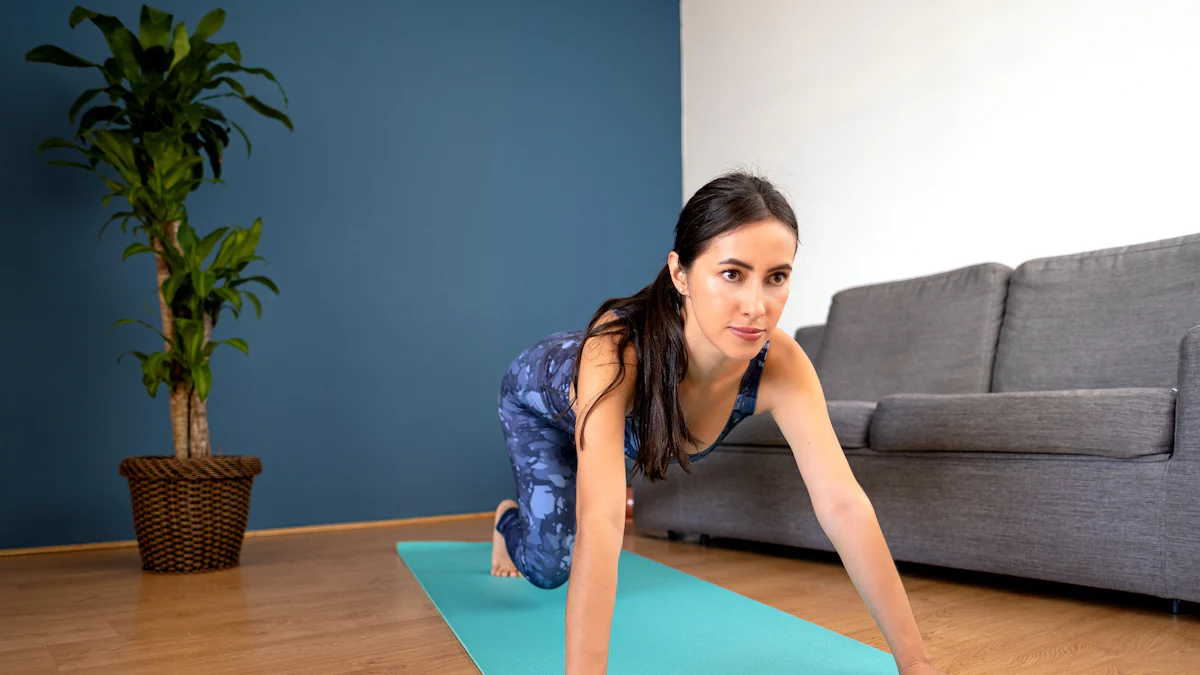
Choosing a sustainable yoga mat isn't just about your practice; it's about making a positive impact on the planet. When you opt for a tapis de yoga bio, you embrace an eco-friendly lifestyle that benefits both your health and the environment. These mats, crafted from natural or recycled materials, reduce the use of harmful plastics and chemicals. Imagine practicing on a mat that respects nature and supports your well-being. By making this choice, you contribute to a healthier planet and a healthier you.
Understanding Eco-Friendly Yoga Mats

What Makes a Yoga Mat Eco-Friendly?
Definition and Criteria
When you think about an eco-friendly yoga mat, consider what sets it apart. These mats, often called tapis de yoga bio, are crafted from natural or recycled materials. They avoid harmful substances like PVC and single-use plastics. Brands like Manduka and Jade Yoga focus on using sustainably harvested rubber and other renewable resources. This approach ensures that your mat not only supports your practice but also respects the planet.
Importance of Sustainability
Sustainability plays a crucial role in choosing a yoga mat. By opting for eco-friendly options, you embrace an ethical lifestyle aligned with yoga's principles. These mats reduce environmental waste and minimize chemical use. You contribute to a healthier planet by selecting materials that can be reused or biodegraded. This choice reflects a commitment to both personal well-being and ecological responsibility.
Benefits of Using Eco-Friendly Mats
Health Benefits
Eco-friendly mats offer significant health advantages. They are free from toxic chemicals, ensuring a safer practice environment. When you use a mat made from natural rubber or cork, you avoid exposure to harmful substances. This choice supports your health, allowing you to focus on your yoga without worrying about potential toxins.
Environmental Impact
The environmental benefits of eco-friendly mats are substantial. These mats, made from materials like jute and organic cotton, drastically reduce plastic usage. They are designed to last, minimizing waste and promoting sustainability. By choosing a tapis de yoga bio, you actively participate in protecting the environment. Your decision helps preserve natural resources and reduces pollution, making a positive impact on the world around you.
Exploring Different Materials
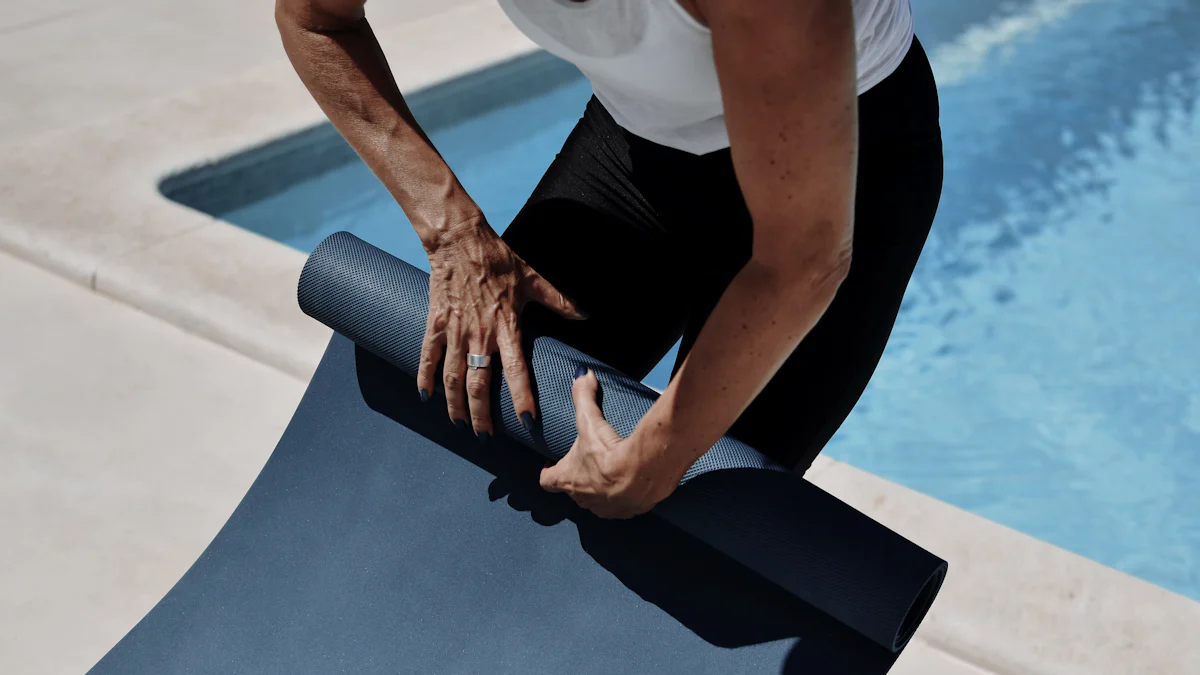
When you're on the hunt for the perfect tapis de yoga bio, understanding the materials can make all the difference. Let's dive into some popular eco-friendly options.
Natural Rubber
Characteristics and Benefits
Natural rubber yoga mats stand out for their excellent grip. Even during heated yoga sessions or fast vinyasas, these mats keep you steady. They offer superb cushioning, which is great if you need joint support and comfort. Plus, rubber is an all-natural material, making it both biodegradable and eco-friendly. You can practice with peace of mind, knowing your mat supports both your body and the planet.
Environmental Impact
Natural rubber is a sustainable choice. It comes from rubber trees, which are tapped for their latex without harming the tree. This process makes rubber mats a renewable resource. When you choose a natural rubber tapis de yoga bio, you contribute to reducing waste and promoting sustainability. These mats break down naturally, leaving no harmful residues behind.
Cork
Characteristics and Benefits
Cork yoga mats offer a unique blend of comfort and hygiene. The cork surface is anti-bacterial and anti-slip, providing a hygienic practice environment. It pairs well with a rubber base, offering stability and cushioning. Cork mats are ideal for those who want a firm yet comfortable surface. They also provide excellent grip, even when wet, making them perfect for hot yoga sessions.
Environmental Impact
Cork is harvested from the bark of cork oak trees, which regenerate their bark, making it a sustainable material. However, the carbon footprint can be high if the cork is imported from far away. Despite this, cork remains a biodegradable and recyclable option. By choosing a cork tapis de yoga bio, you support a material that respects nature's cycles.
Jute
Characteristics and Benefits
Jute yoga mats combine natural fibers with durability. They offer a textured surface that provides good grip, even when wet. Jute is a breathable material, which helps keep your mat fresh. If you prefer a mat with a natural look and feel, jute is a fantastic choice. It offers a balance of firmness and flexibility, supporting various yoga styles.
Environmental Impact
Jute is a plant-based fiber, making it a biodegradable and eco-friendly option. It grows quickly and requires minimal pesticides, reducing its environmental impact. When you opt for a jute tapis de yoga bio, you choose a mat that aligns with sustainable practices. This choice helps reduce pollution and supports a healthier planet.
By exploring these materials, you can find a tapis de yoga bio that matches your values and needs. Each material offers unique benefits, allowing you to practice yoga in harmony with the environment.
Organic Cotton
Characteristics and Benefits
When you think of organic cotton, imagine a soft, breathable surface that feels gentle against your skin. This material is perfect for those who appreciate a natural touch during their yoga practice. Organic cotton mats provide a comfortable and supportive base, making them ideal for various yoga styles. They absorb moisture well, which helps maintain grip even during intense sessions. Plus, they are lightweight, so you can easily carry your tapis de yoga bio to and from class.
Organic cotton is not just about comfort; it's about quality. These mats are crafted without synthetic fertilizers or pesticides, ensuring a pure and safe surface for your practice. You can enjoy your yoga knowing that your mat is free from harmful chemicals. This makes organic cotton mats a great choice for those with sensitive skin or allergies.
Environmental Impact
Choosing an organic cotton tapis de yoga bio means you're supporting sustainable farming practices. Organic cotton grows without the use of toxic chemicals, which reduces pollution and conserves water. This approach protects the soil and promotes biodiversity, making it a truly eco-friendly option.
The production of organic cotton mats also emphasizes ethical labor practices. By opting for these mats, you contribute to fair wages and safe working conditions for farmers and workers. This choice reflects a commitment to social responsibility and environmental stewardship.
Organic cotton mats are biodegradable, which means they won't contribute to landfill waste. When your mat reaches the end of its life, it will naturally decompose, leaving no harmful residues behind. This aligns perfectly with the principles of sustainability and respect for the planet.
Comparing Materials
When choosing a tapis de yoga bio, understanding how different materials perform can help you find the perfect match for your practice.
Performance Features
Durability
You want a yoga mat that lasts. Natural rubber mats, like those from Achamana, offer excellent durability. They withstand intense sessions and frequent use. Cork mats also hold up well over time, resisting wear and tear. If you prefer a softer touch, organic cotton mats, such as those from De Uria, provide durability with a gentle feel. Each material offers unique strengths, so consider how often you practice and the intensity of your sessions.
Grip and Comfort
Grip is crucial for a stable practice. Natural rubber provides a firm grip, even during sweaty sessions. Cork mats, with their anti-slip surface, keep you grounded. Organic cotton mats offer a soft, comfortable base, perfect for restorative yoga. Yogatilife mats, made from natural or recycled materials, ensure comfort without compromising on grip. Think about what feels best under your hands and feet as you flow through poses.
Environmental Impact
Biodegradability
A tapis de yoga bio should align with your eco-friendly values. Natural rubber and jute mats break down naturally, leaving no harmful residues. Cork and organic cotton are also biodegradable, supporting a sustainable lifestyle. By choosing these materials, you contribute to reducing landfill waste and promoting a healthier planet.
Production Process
The production process matters. Brands like De Uria use herbal dyes and organic cotton, supporting local craftsmen and ethical practices. Achamana combines natural rubber with hemp, creating mats that harmonize with nature. Yogatilife emphasizes reducing plastics and chemicals, ensuring a mat that respects both your health and the environment. Knowing how your mat is made builds trust and enhances your practice.
Choosing the right tapis de yoga bio involves balancing performance and environmental impact. Each material offers distinct benefits, allowing you to practice yoga in harmony with your values and the planet.
Making Your Choice
Choosing the right tapis de yoga bio involves more than just picking a material. You need to consider your personal preferences and lifestyle. Let's explore how you can make the best choice for your yoga journey.
Personal Preferences
Lifestyle Considerations
Your lifestyle plays a big role in selecting the perfect tapis de yoga bio. If you travel frequently, a lightweight mat like those made from organic cotton might suit you best. These mats are easy to carry and provide a soft, comfortable surface for practice. For those who enjoy hot yoga, a cork mat offers excellent grip even when wet, ensuring stability during intense sessions. Think about where and how often you practice yoga. This will guide you in choosing a mat that fits seamlessly into your routine.
Budget and Availability
Budget is another crucial factor. Natural rubber mats, known for their durability and grip, might be on the pricier side. However, they offer long-term value due to their longevity. If you're looking for a more budget-friendly option, consider TPE mats. They are recyclable and provide a good balance of comfort and sustainability. Availability also matters. Some materials, like bamboo, might not be as readily available as others. Check local stores or online platforms to find a tapis de yoga bio that meets your needs without breaking the bank.
Testimonials and Real-Life Examples
User Experiences
Hearing from others can provide valuable insights. Many yoga practitioners rave about the comfort and grip of natural rubber mats. One user shared, "My natural rubber mat has transformed my practice. The grip is unbeatable, and I feel grounded in every pose." Another yogi mentioned, "I love my cork mat for hot yoga. It stays dry and provides excellent support." These real-life experiences can help you understand what to expect from different materials.
Expert Opinions
Experts in the yoga community often recommend eco-friendly mats for their health and environmental benefits. A yoga instructor noted, "Choosing a tapis de yoga bio aligns with the principles of yoga. It supports both personal well-being and environmental responsibility." Experts also highlight the importance of considering the production process. Mats made from sustainable materials like jute and organic cotton often come from ethical manufacturing practices. This ensures that your choice supports fair labor and reduces environmental impact.
By considering your lifestyle, budget, and the experiences of others, you can find a tapis de yoga bio that perfectly matches your needs. Whether you prioritize grip, comfort, or sustainability, there's a mat out there for you. Embrace the journey of finding your perfect match and enjoy the benefits of practicing on a mat that respects both you and the planet.
Choosing the right tapis de yoga bio is a journey that reflects your personal values and commitment to sustainability. We've explored various eco-friendly materials like natural rubber, cork, jute, and organic cotton, each offering unique benefits for your practice and the planet. Remember, your choice of a tapis de yoga bio should align with what matters most to you—whether it's grip, comfort, or environmental impact. As one user shared, "My cork yoga mat allows my body to flow easily, enhancing my practice." Embrace a tapis de yoga bio that supports both your well-being and the Earth.
See Also
Journeying Through Top Travel Yoga Mats
Is Decathlon's Travel Yoga Mat Your Best Pick?
Uncovering Ideal Yoga Classes at Virgin Active

Hi my name is Lia and i am your host in this yoga journey in Portugal, Subscribe to our newsletter to receive every week the best of Yoga in Portugal.

We bring back the importance of initiation into womanhood by Roos-Veerle Krijnen & Ella-June Henrard
Welcome to the Women’s Initiation Retreat by Naked Truth Retreats, a transformative journey into the depths of your True Feminine Nature. This retreat invites you to remember the sacredness and wholeness of your being.
Roos-Veerle Krijnen & Ella-June Henrard