SUP Yoga: Your Easy Start Guide

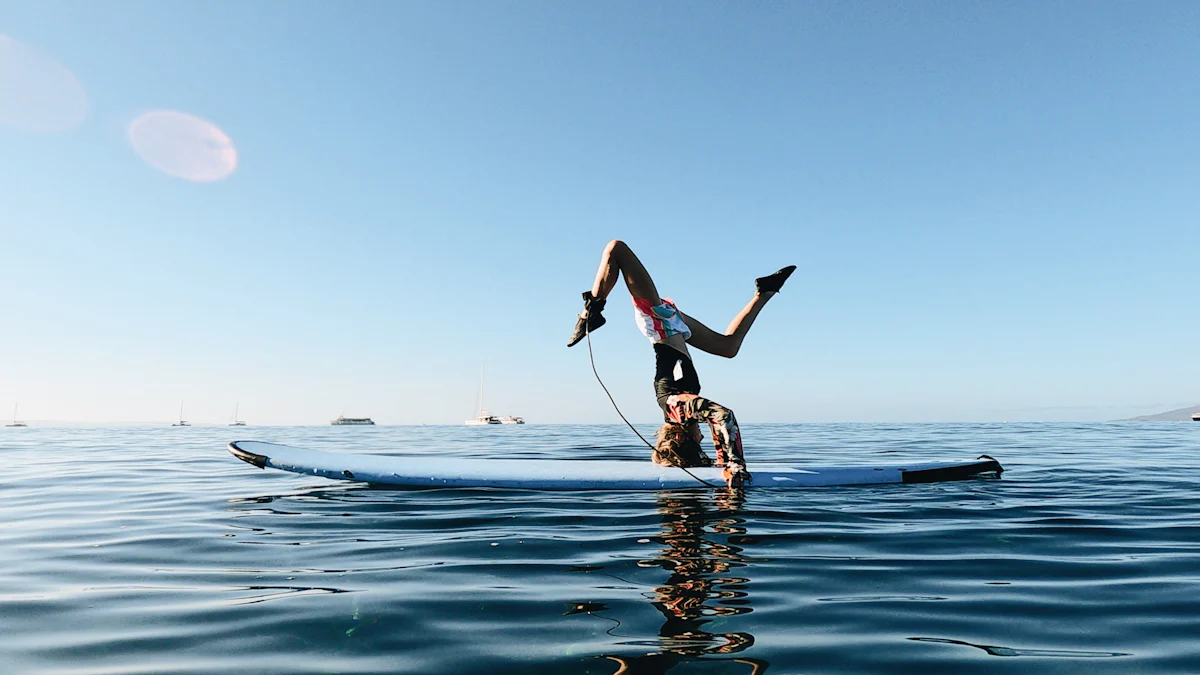
SUP yoga blends the tranquility of yoga with the invigorating challenge of stand-up paddleboarding. Imagine practicing your favorite yoga poses on a paddleboard, floating gently on a serene body of water. This unique activity not only enhances your balance and concentration but also offers a refreshing change from traditional workouts. For beginners, SUP yoga provides numerous benefits. It strengthens your core, improves flexibility, and boosts mental well-being. Plus, the natural setting adds an extra layer of peace and relaxation. Dive into this exciting fitness journey and experience the harmony of nature and movement.
Essential Equipment for SUP Yoga
Paddleboard
Types of paddleboards suitable for yoga
When it comes to SUP yoga, not all paddleboards are created equal. You need a board that offers stability and comfort. Look for boards labeled as "yoga paddleboards." These boards usually have a wider and longer design, providing a stable platform for your poses. Inflatable paddleboards are also a great choice. They offer a soft surface, which can be more forgiving on your joints.
How to choose the right size and type
Choosing the right paddleboard size is crucial for a good SUP yoga experience. Consider your height and weight. A longer and wider board provides more stability, which is ideal for beginners. If you're taller or heavier, opt for a board that's at least 10 feet long and 32 inches wide. Remember, the right board will make your practice more enjoyable and safe.
Paddle
Selecting the right paddle
Your paddle is just as important as your board. For SUP yoga, you want a lightweight paddle that's easy to handle. Look for paddles made from materials like carbon fiber or fiberglass. These materials offer durability without adding extra weight. The paddle should feel comfortable in your hands, allowing you to maneuver easily.
Adjusting paddle length
Adjusting your paddle to the correct length is key. Stand the paddle upright next to you. The handle should reach your wrist when you raise your arm above your head. This length ensures efficient paddling and helps maintain balance. Most paddles come with adjustable shafts, making it easy to find the perfect fit.
Safety Gear
Importance of a personal flotation device (PFD)
Safety should always be a priority. Wearing a personal flotation device (PFD) is essential. It keeps you safe in case of an unexpected fall into the water. Choose a PFD that's comfortable and doesn't restrict your movement. Many options are designed specifically for paddleboarding, offering both safety and comfort.
Other safety equipment to consider
Besides a PFD, consider other safety gear. A leash is crucial. It keeps you connected to your board, preventing it from drifting away. Also, think about wearing a hat and sunscreen to protect against sun exposure. A whistle can be handy for signaling in case of emergencies. These items ensure a safe and enjoyable SUP yoga session.
Finding the Right Location
Water Conditions
Importance of calm waters
When you're starting with SUP yoga, calm waters are your best friend. They provide a stable environment, making it easier for you to focus on your poses without worrying about balance. Calm waters reduce the risk of falling and help you build confidence as you practice. Look for locations like lakes, bays, or harbors, where the water is typically more tranquil. These spots offer the perfect setting for a peaceful and enjoyable SUP yoga session.
Checking weather and tides
Before heading out, always check the weather and tides. Weather conditions can change quickly, and it's essential to ensure a safe experience. A sunny day with light winds is ideal for SUP yoga. Avoid days with strong winds or storms, as they can make the water choppy and challenging to navigate. Tides also play a crucial role. Low tide often means calmer waters, while high tide can bring stronger currents. By staying informed, you can choose the best time for your practice.
Accessibility
Choosing a location with easy access
Selecting a location with easy access makes your SUP yoga experience more enjoyable. You want a spot where you can easily carry your paddleboard to the water without too much hassle. Look for places with designated launch areas or beaches that allow for smooth entry into the water. This convenience saves you time and energy, letting you focus more on your practice.
Considering facilities and amenities
Facilities and amenities can enhance your SUP yoga outing. Consider locations that offer parking, restrooms, and changing areas. These amenities add comfort and convenience to your experience. Some places might even have rental shops nearby, providing equipment if you don't have your own. Having these facilities at your disposal ensures a stress-free and enjoyable time on the water.
Basic SUP Techniques
Balancing on the Board
Tips for maintaining balance
Balancing on a paddleboard might seem tricky at first, but with a few tips, you'll find your footing in no time. Start by positioning yourself in the center of the board. Keep your feet parallel and about hip-width apart. Bend your knees slightly to lower your center of gravity. This stance helps you stay steady. Focus on a fixed point on the horizon to maintain your balance. It prevents you from getting dizzy and keeps your mind centered. Remember, practice makes perfect. The more you practice, the more comfortable you'll become.
Expert Tip: "Engage your core muscles to help stabilize your body. This engagement not only aids in balance but also strengthens your core over time."
Common mistakes to avoid
Avoiding common mistakes can make your SUP yoga experience much smoother. Don't stand too close to the edges of the board. It increases the risk of tipping over. Keep your weight evenly distributed between both feet. Leaning too far forward or backward can throw you off balance. Also, avoid locking your knees. It restricts movement and makes it harder to adjust your balance. Stay relaxed and flexible. This flexibility allows you to respond to the board's movements naturally.
Paddling Effectively
Proper paddling techniques
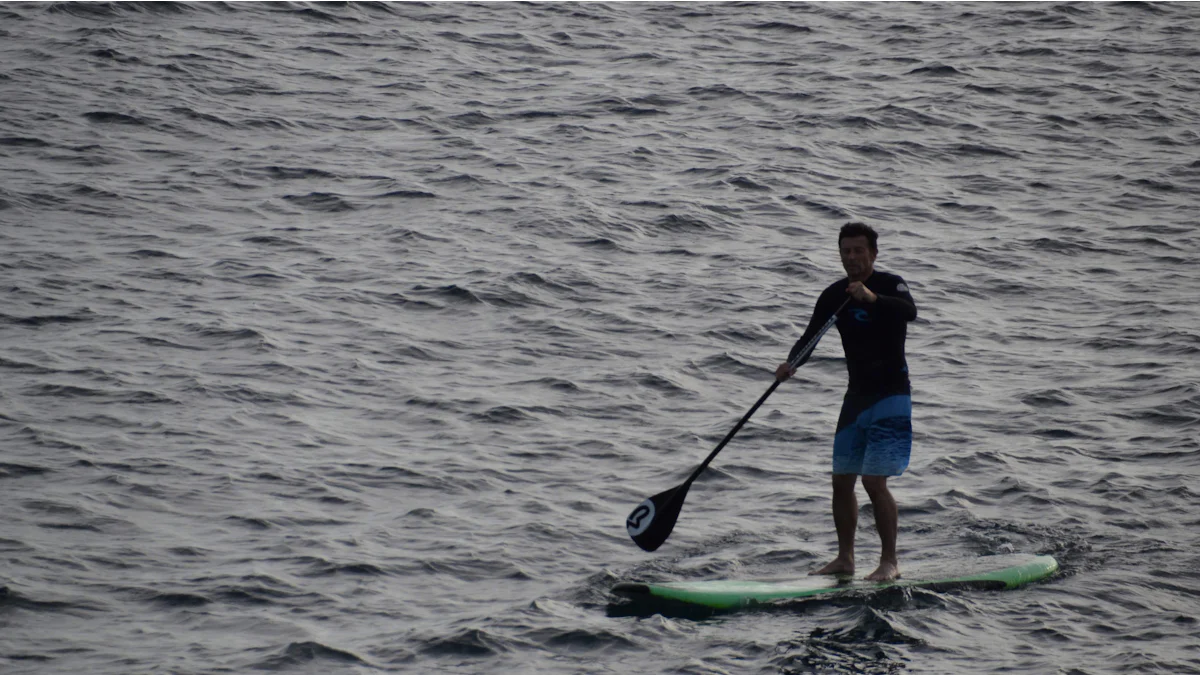
Paddling effectively is key to a successful SUP yoga session. Hold the paddle with one hand on the top handle and the other on the shaft. Keep your arms straight and use your core to power each stroke. Dip the paddle blade fully into the water and pull it back in a smooth motion. This technique propels you forward efficiently. Switch sides every few strokes to maintain a straight path. Consistent practice will improve your paddling skills.
Expert Advice: "Think of paddling as a full-body workout. Engage your shoulders, back, and core to maximize each stroke's power."
How to turn and stop
Turning and stopping on a paddleboard requires some practice but is essential for maneuvering. To turn, paddle on one side while slightly leaning in the opposite direction. This action will pivot the board. For a sharper turn, use a reverse stroke on the opposite side. To stop, drag the paddle blade gently in the water behind you. This drag creates resistance and slows you down. Mastering these techniques will give you better control over your board, enhancing your overall SUP yoga experience.
Beginner-Friendly Yoga Poses
Starting SUP yoga can feel like a thrilling adventure. The gentle sway of the water adds a unique twist to traditional yoga poses. Even the simplest poses become exciting challenges. Let's explore some beginner-friendly poses that will help you find your balance and enjoy the experience.
Seated Poses
Easy seated pose
The easy seated pose is a great way to begin your SUP yoga session. Sit comfortably in the center of your board. Cross your legs and rest your hands on your knees. Focus on your breathing. Inhale deeply and exhale slowly. This pose helps you connect with the water and find your center. It’s a perfect way to calm your mind and prepare for more challenging poses.
Tip: "Engage your core and lengthen your spine. This engagement helps you maintain balance and enhances your posture."
Seated forward bend
The seated forward bend stretches your back and hamstrings. Sit with your legs extended in front of you. Inhale and reach your arms overhead. As you exhale, lean forward and try to touch your toes. Don’t worry if you can’t reach them yet. The key is to keep your back straight and breathe deeply. This pose improves flexibility and helps you relax.
Standing Poses
Mountain pose
The mountain pose is all about finding stability. Stand tall with your feet hip-width apart. Distribute your weight evenly on both feet. Let your arms hang by your sides. Focus on a point in the distance to help maintain your balance. This pose strengthens your legs and improves your posture. It’s a simple yet powerful way to ground yourself on the board.
Personal Experience: "Even experienced yogis find the mountain pose challenging on a paddleboard. The gentle movement of the water adds a new dimension to this basic pose."
Warrior II
Warrior II is a dynamic pose that builds strength and concentration. Start in a standing position. Step one foot back and turn it slightly outward. Bend your front knee and extend your arms parallel to the board. Look over your front hand. This pose engages your legs and core, helping you stay steady. It’s a fantastic way to boost your confidence on the water.
Lesson Learned: "SUP yoga transforms basic poses into exciting balancing exercises. The outdoor elements and floating on water bring a unique energy to every session."
These beginner-friendly poses offer a wonderful introduction to SUP yoga. They help you build strength, improve flexibility, and enhance your balance. Remember, practice makes perfect. Enjoy the journey and embrace the challenges that come with practicing yoga on water.
Safety Tips for SUP Yoga
General Safety Guidelines
Importance of wearing a leash
When you're out on the water, wearing a leash is crucial. It keeps you connected to your paddleboard, preventing it from drifting away if you fall. Imagine the hassle of swimming after your board in open water. A leash saves you from that trouble. Choose a leash that's comfortable and fits securely around your ankle. This simple piece of equipment ensures you stay close to your board, enhancing your safety during your SUP yoga session.
Staying aware of surroundings
Awareness of your surroundings is key to a safe SUP yoga experience. Keep an eye on other water users, like boats or swimmers. They might not see you, so it's up to you to stay alert. Pay attention to any obstacles in the water, such as rocks or buoys. These can pose a risk if you're not careful. By staying aware, you can enjoy your practice without unexpected interruptions.
Weather and Water Safety
Checking weather forecasts
Before heading out, always check the weather forecast. It helps you plan your session and avoid unpleasant surprises. Look for clear skies and light winds. These conditions make for a pleasant and safe SUP yoga experience. If the forecast predicts storms or strong winds, it's best to reschedule. Safety should always come first, and knowing the weather helps you make informed decisions.
Understanding water currents
Understanding water currents is vital for your safety. Calm waters are ideal for SUP yoga, but currents can change quickly. Learn about the area where you'll be practicing. Are there strong currents or tides? Knowing this information helps you choose the best time and place for your session. If you're unsure, ask local experts or fellow paddleboarders for advice. Being informed keeps you safe and lets you focus on enjoying your SUP yoga practice.
SUP yoga offers a fantastic blend of fitness and tranquility. You gain improved balance and core strength as you practice on the water. The gentle instability of the board enhances your flexibility and muscle tone. These benefits make SUP yoga a unique addition to your fitness routine. Why not give it a try? Embrace the challenge and enjoy the peaceful connection with nature. You'll find yourself not only stronger but also more centered. Dive into this rewarding experience and let the water guide your journey to wellness.
See Also
Starting Your Yoga Practice From The Comfort Of Home
A Comprehensive Guide For New Yogis At Alam Sutera
Five Essential Yoga Poses For New Practitioners
Hi my name is Lia and i am your host in this yoga journey in Portugal, Subscribe to our newsletter to receive every week the best of Yoga in Portugal.

We bring back the importance of initiation into womanhood by Roos-Veerle Krijnen & Ella-June Henrard
Welcome to the Women’s Initiation Retreat by Naked Truth Retreats, a transformative journey into the depths of your True Feminine Nature. This retreat invites you to remember the sacredness and wholeness of your being.
Roos-Veerle Krijnen & Ella-June Henrard