The Stories Behind Popular Yoga Pose Names

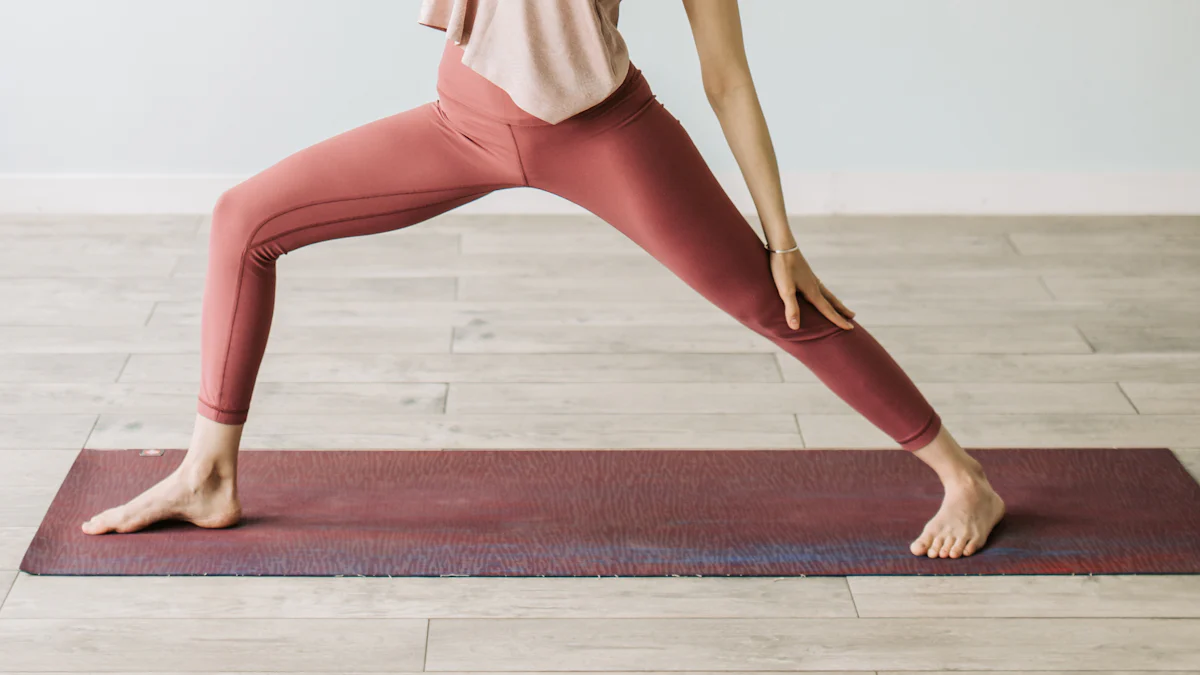
Have you ever wondered why yoga poses have such unique and intriguing names? These names aren’t just labels; they carry stories, meanings, and connections that deepen your practice. Many of them come from Sanskrit, a language rich in symbolism and history. Each pose reflects something profound—whether it’s a connection to nature, a mythological tale, or a philosophical idea. By understanding the roots of nama pose yoga, you unlock a new layer of appreciation. It’s not just about movement; it’s about embracing the essence behind every posture.
Key Takeaways
Yoga pose names are rich in meaning and history, often derived from Sanskrit, which enhances your understanding and appreciation of the practice.
Recognizing common themes in pose names—such as nature, animals, and mythology—can deepen your connection to each posture and its significance.
Practicing poses like Warrior and Tree Pose not only builds physical strength but also embodies qualities like courage, focus, and balance, inspiring personal growth.
Downward-Facing Dog serves as a reminder to pause and reconnect with your body, promoting both physical benefits and mental clarity.
Embrace the symbolism of poses like Cobra and Lotus to awaken your inner strength and cultivate a sense of peace and resilience.
Child’s Pose highlights the importance of rest and surrender, reminding you that taking a moment to pause is essential for growth and healing.
Exploring the stories behind yoga poses transforms your practice from mere movement into a meaningful journey of self-discovery.
The Significance of Sanskrit in Nama Pose Yoga
Yoga’s roots run deep, and Sanskrit plays a vital role in connecting you to its origins. The names of yoga poses, or asanas, are more than just labels. They carry the essence of yoga’s philosophy, history, and spirituality. By learning these names, you gain a richer understanding of the practice and its purpose.
Why Sanskrit is Central to Yoga
Sanskrit, often called the language of yoga, holds a special place in the tradition. Each word in Sanskrit is precise and layered with meaning. When you hear or say a pose’s name in Sanskrit, you’re not just identifying a movement. You’re connecting to centuries of wisdom and intention.
For example, the word “asana” itself means “seat” or “posture.” It reminds you that every pose should feel stable and comfortable, no matter how challenging it seems. Sanskrit names also reflect the qualities or stories behind each pose. Take “Adho Mukha Svanasana,” or Downward-Facing Dog. The name describes the physical shape of the pose while also evoking the grounded, instinctive nature of a dog.
Understanding Sanskrit names can also deepen your connection to yoga as a teacher or practitioner. If you’re a teacher, knowing these names adds credibility and allows you to explain the deeper meanings behind the poses. For practitioners, it’s a way to honor yoga’s origins and approach your practice with greater mindfulness.
Common Themes in Yoga Pose Names
Yoga pose names often fall into specific themes, making them easier to remember and more meaningful. Here are some common categories you’ll notice:
Nature-Inspired Poses: Many asanas draw inspiration from the natural world. Poses like “Vrikshasana” (Tree Pose) and “Bhujangasana” (Cobra Pose) reflect the qualities of stability, growth, or awakening found in nature.
Animal-Inspired Poses: Animals play a significant role in yoga pose names. “Simhasana” (Lion Pose) embodies courage, while “Bakasana” (Crane Pose) symbolizes focus and balance.
Mythological and Spiritual References: Some poses are named after Hindu deities or mythological figures. “Virabhadrasana” (Warrior Pose) tells the story of Virabhadra, a fierce warrior created by Shiva. These names remind you of the strength, resilience, or devotion they represent.
Everyday Actions or Objects: Simple names like “Tadasana” (Mountain Pose) or “Balasana” (Child’s Pose) reflect everyday forms or actions. They ground your practice in simplicity and mindfulness.
By recognizing these themes, you can start to see how nama pose yoga connects movement with meaning. Each name tells a story, whether it’s about nature, mythology, or the human experience. This understanding transforms your practice from a series of physical exercises into a journey of self-discovery.
Warrior Poses (Virabhadrasana): The Tale of Strength and Courage
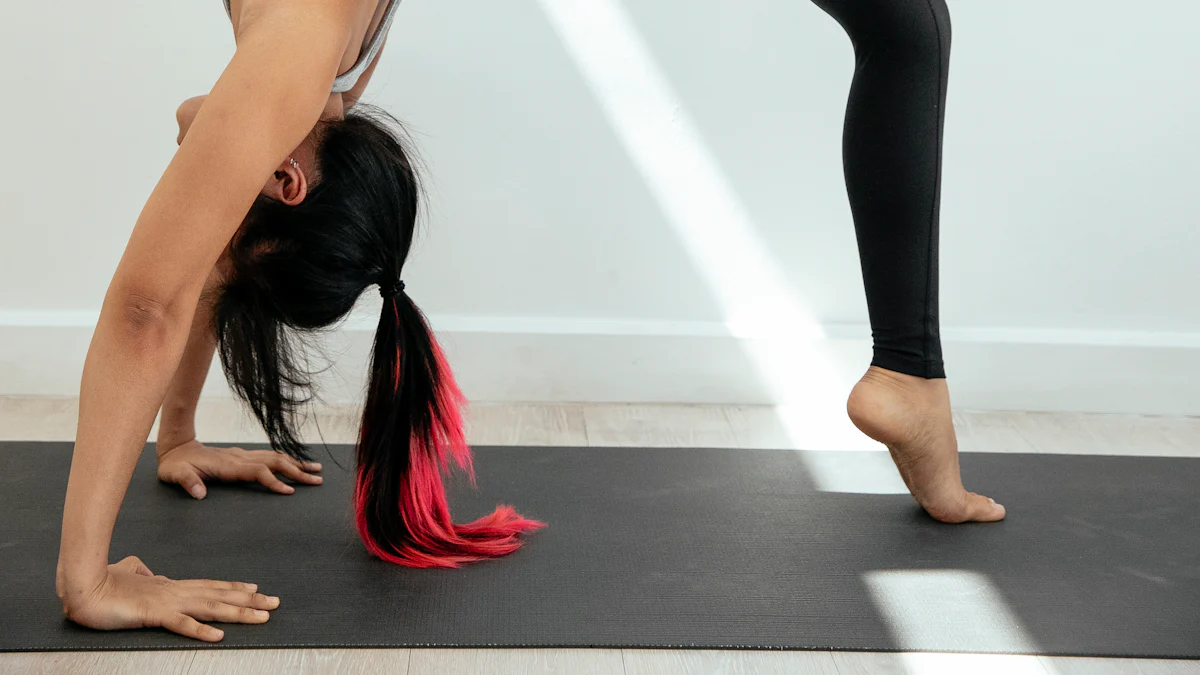
The Warrior Poses, or Virabhadrasana, are some of the most iconic postures in yoga. They embody strength, focus, and resilience. But did you know these poses are rooted in a powerful mythological story? Understanding the tale behind Virabhadrasana can transform your practice, helping you channel the courage and determination it represents.
The Myth of Virabhadra
The story of Virabhadra begins with Lord Shiva, one of the principal deities in Hindu mythology. Shiva’s wife, Sati, faced rejection from her father, Daksha, who disapproved of her marriage. When Daksha held a grand yajna (a sacred ritual), he deliberately excluded Shiva and Sati. Feeling humiliated and heartbroken, Sati sacrificed herself in the fire of the yajna as an act of protest.
When Shiva learned of Sati’s tragic death, his grief turned into uncontrollable rage. In his sorrow, he tore a lock of his hair and flung it to the ground. From this act, Virabhadra, a fierce warrior, emerged. Virabhadra descended upon Daksha’s yajna with a mission of divine retribution. His arrival was dramatic—he thrust his way up through the earth, sword in hand, ready to destroy everything in his path.
Each Warrior Pose reflects a moment from this tale:
Virabhadrasana I: This pose symbolizes Virabhadra’s emergence from the earth, standing tall and powerful, ready for battle.
Virabhadrasana II: Here, Virabhadra locks eyes on his target, Daksha, with unwavering focus and determination.
Virabhadrasana III: This final pose captures the swift and precise action of Virabhadra as he strikes, completing his mission.
This myth isn’t just a tale of vengeance. It represents the inner battle between ego and higher truth. Virabhadra’s story reminds you to face challenges with courage and to stay grounded in your purpose, even when emotions run high.
Symbolism and Practice of Warrior Poses
The Warrior Poses are more than physical postures. They carry deep symbolism that can inspire your practice. Each pose invites you to embody the qualities of a warrior—strength, focus, and balance. When you step into Virabhadrasana, you’re not just moving your body; you’re stepping into a mindset of resilience and determination.
Strength: Warrior Poses build physical strength, especially in your legs, core, and arms. They also cultivate mental strength, teaching you to hold steady even when discomfort arises.
Focus: These poses demand concentration. Whether you’re gazing forward in Virabhadrasana II or balancing in Virabhadrasana III, your mind must stay present.
Balance: Warriors don’t just charge forward; they move with intention and grace. Practicing these poses helps you find balance—both physically and emotionally.
In nama pose yoga, the Warrior Poses serve as a reminder that every movement carries meaning. They encourage you to connect with the story behind the posture and to bring that energy into your practice. The next time you flow through Virabhadrasana, think of Virabhadra’s journey. Let it inspire you to face your own challenges with courage and purpose.
Downward-Facing Dog (Adho Mukha Svanasana): A Connection to Nature
Literal Translation and Physical Form
Downward-Facing Dog, or Adho Mukha Svanasana, is one of the most recognizable poses in yoga. The Sanskrit name breaks down into three parts: "Adho" means downward, "Mukha" translates to face, and "Svanasana" refers to a dog. Together, the name describes the physical shape of the pose, resembling a dog stretching with its head down and tail up.
To practice this pose, you start on your hands and knees. Press your palms firmly into the ground, tuck your toes, and lift your hips toward the ceiling. Your body forms an inverted "V" shape, with your hands and feet grounding you. This posture stretches your spine, hamstrings, and calves while strengthening your arms and shoulders. It’s a full-body experience that combines strength and flexibility.
The physical form of this pose mirrors the natural movement of dogs when they stretch after rest. This connection to nature reminds you to honor your body’s need for movement and release. The simplicity of the pose makes it accessible to beginners, yet its benefits make it a staple for advanced practitioners.
Symbolism and Benefits of the Pose
Adho Mukha Svanasana goes beyond its physical form. It carries symbolic meaning that connects you to nature and your inner self. The pose encourages you to pause, ground yourself, and find balance—just as animals instinctively do in their natural environment.
This posture symbolizes humility and surrender. By bowing your head below your heart, you let go of ego and embrace a sense of calm. The grounded position also fosters a connection to the earth, reminding you of the stability and support it provides.
The benefits of this pose extend to both your body and mind. Physically, it stretches and strengthens key muscle groups, improving posture and relieving tension. It also boosts circulation, sending fresh blood to your brain and energizing your body. Mentally, the pose calms your mind and reduces stress. The rhythmic breathing you practice in this posture helps you stay present and focused.
In nama pose yoga, Downward-Facing Dog serves as a bridge between movements. It’s a resting pose that allows you to reset and reconnect. Whether you’re flowing through a sequence or holding the pose for several breaths, it offers a moment of reflection. The next time you practice Adho Mukha Svanasana, think about its connection to nature and its grounding energy. Let it remind you to find balance and strength in both your practice and your daily life.
Tree Pose (Vrikshasana): Balancing Stability and Growth
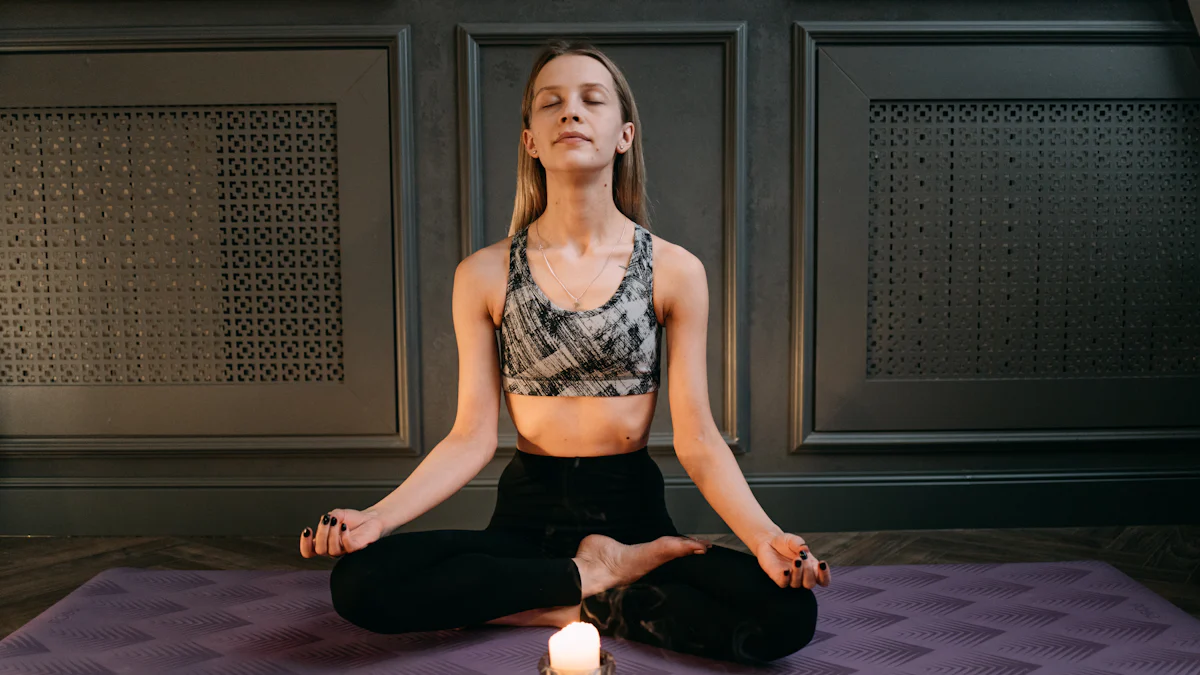
Tree Pose, or Vrikshasana, is a beautiful representation of balance and growth. It’s one of those poses that looks simple but carries profound meaning. When you stand in Tree Pose, you embody the qualities of a tree—rooted, stable, and ever-growing. This pose challenges your physical balance while encouraging mental focus and inner calm. It’s not just about standing on one leg; it’s about finding your center and staying grounded, no matter what.
The Meaning and Symbolism of Vrikshasana
Vrikshasana symbolizes the harmony between stability and growth. Just like a tree, you need strong roots to stand tall. In this pose, your grounded foot represents those roots, anchoring you to the earth. Your raised leg and arms mimic the branches of a tree, reaching upward toward the sky. This duality reminds you that growth is only possible when you have a solid foundation.
The pose also reflects the interconnectedness of life. Trees don’t exist in isolation—they’re part of a larger ecosystem. Similarly, when you practice Tree Pose, you connect with the world around you. You feel the ground beneath your foot, the air around your body, and the energy within yourself. This awareness fosters a sense of unity and mindfulness.
Practicing Vrikshasana can also teach you patience and resilience. Balancing on one leg isn’t easy, especially if you’re new to yoga. You might wobble or even fall, but that’s part of the journey. Each time you try again, you strengthen not just your body but also your determination and focus.
Philosophical Insights from Tree Pose
Tree Pose offers more than physical benefits—it holds deep philosophical lessons. In yoga, the tree often symbolizes life, growth, and connection. By embodying this pose, you tap into these ideas and bring them into your practice.
One key insight from Vrikshasana is the importance of balance. Life constantly pulls you in different directions, just like the sway of a tree in the wind. This pose teaches you to find steadiness amidst the chaos. It’s a reminder that balance isn’t about perfection; it’s about adapting and staying present.
Another lesson comes from the tree’s ability to grow while staying rooted. In nama pose yoga, this idea reflects the balance between grounding yourself in tradition and reaching for personal growth. You honor yoga’s ancient roots while exploring how it fits into your modern life. Tree Pose encourages you to embrace this duality and find your unique path.
Finally, Vrikshasana invites you to connect with nature. When you stand like a tree, you feel a deeper appreciation for the natural world. This connection aligns with yoga’s philosophy of unity and interconnectedness. It reminds you that you’re not separate from nature—you’re part of it.
The next time you practice Tree Pose, think about these lessons. Feel your roots, reach for growth, and embrace the balance between the two. Let Vrikshasana inspire you to stay grounded while striving for new heights.
Cobra Pose (Bhujangasana): Awakening the Serpent’s Wisdom
The Symbolism of the Cobra in Yoga
The cobra holds a special place in yoga, symbolizing power, transformation, and wisdom. In Hindu philosophy, the serpent represents kundalini, the dormant energy coiled at the base of your spine. When awakened, this energy rises upward, unlocking vitality, intuition, and spiritual awareness. Practicing Cobra Pose, or Bhujangasana, mirrors this awakening, encouraging you to tap into your inner strength and potential.
Cobras also embody the cycle of life—birth, death, and rebirth. Their ability to shed their skin reflects renewal and growth. When you practice Bhujangasana, you embrace this symbolism, shedding old limitations and stepping into a more empowered version of yourself. The pose invites you to rise with grace, just as a cobra lifts its hood, embodying confidence and alertness.
This posture also connects you to the qualities of the serpent: intuition and calm. By opening your chest and lifting your heart, you create space for deeper breaths and a clearer mind. The cobra’s poised stance reminds you to stay grounded while remaining aware of your surroundings. It’s a balance of strength and serenity that you can carry into your daily life.
Mythological and Cultural Context of Bhujangasana
In Indian mythology, cobras often appear as protectors and symbols of divine energy. Sheshnag, the king of serpents, is said to support Lord Vishnu as he rests on the cosmic ocean. This imagery highlights the serpent’s role as a guardian of balance and creation. Similarly, Bhujangasana encourages you to find balance within yourself—between effort and ease, strength and flexibility.
The serpent also plays a key role in the story of Lord Shiva. He is often depicted with a cobra coiled around his neck, symbolizing control over fear and mastery of primal energy. When you practice Cobra Pose, you channel this energy, learning to face challenges with courage and composure.
Culturally, the cobra represents protection and wisdom. In yoga, Bhujangasana reflects these qualities by strengthening your spine and opening your heart. The pose not only improves physical health but also fosters emotional resilience. It reminds you that true strength comes from within, just as the serpent’s power lies in its quiet yet commanding presence.
Bhujangasana also serves as a reminder of your connection to the earth. As you press your palms into the ground and lift your chest, you draw energy from the earth beneath you. This grounding action helps you feel supported and steady, even as you rise upward. The pose becomes a metaphor for life—rooted in stability yet always reaching for growth.
When you practice Cobra Pose, think about its rich symbolism and cultural roots. Let it inspire you to awaken your inner strength, embrace transformation, and move forward with wisdom and grace.
Lotus Pose (Padmasana): The Journey to Enlightenment
The Lotus in Indian Culture and Philosophy
The lotus flower holds a special place in Indian culture and philosophy. It symbolizes purity, enlightenment, and spiritual awakening. Despite growing in muddy waters, the lotus remains pristine and untouched by its surroundings. This quality reflects the human potential to rise above challenges and maintain inner peace, no matter the circumstances.
In yoga, Padmasana, or Lotus Pose, embodies these qualities. The name itself connects directly to the lotus flower, highlighting its significance. When you sit in this pose, you mirror the lotus—grounded yet reaching upward, serene yet strong. This posture encourages you to cultivate a sense of calm and focus, even when life feels chaotic.
The lotus also represents the journey toward enlightenment. In many spiritual traditions, it serves as a metaphor for personal growth. Just as the lotus rises from the mud to bloom in the sunlight, you can overcome obstacles and reach your highest potential. Practicing Padmasana reminds you of this journey, inspiring you to stay committed to your path.
“Just like the lotus, we too have the ability to rise from the mud, bloom out of the darkness, and radiate into the world.” – Unknown
By embracing the symbolism of the lotus, you bring deeper meaning to your practice. Padmasana becomes more than a physical posture—it becomes a reflection of your inner strength and resilience.
Padmasana’s Role in Meditation and Spirituality
Padmasana plays a central role in meditation and spiritual practices. Its design promotes stability and relaxation, making it an ideal posture for deep focus. When you sit in Lotus Pose, your body forms a strong, grounded base. This stability allows your mind to settle, creating the perfect environment for mindfulness and introspection.
The pose also encourages proper alignment. Sitting with your spine straight and your chest open helps you breathe deeply and evenly. This steady breath supports meditation by calming your thoughts and enhancing your concentration. Over time, practicing Padmasana can improve your posture, making it easier to sit comfortably for extended periods.
In many traditions, Padmasana is considered the ultimate meditative pose. Ancient yogis believed that sitting in this posture helped channel energy upward through the spine, awakening higher states of consciousness. The pose aligns with the concept of kundalini, the dormant energy at the base of your spine. By practicing Padmasana, you create a pathway for this energy to flow, fostering spiritual growth and awareness.
The simplicity of Padmasana also reflects its spiritual essence. It strips away distractions, allowing you to focus on the present moment. Whether you’re practicing mindfulness, chanting a mantra, or simply observing your breath, this pose supports your journey inward. It reminds you that true peace comes from within, not from external circumstances.
When you practice Padmasana, think about its deeper purpose. Feel the connection between your body, mind, and spirit. Let the pose guide you toward stillness and clarity, just as the lotus rises toward the light.
Child’s Pose (Balasana): Embracing Simplicity and Rest
The Meaning and Symbolism of Balasana
Child’s Pose, or Balasana, is one of the most grounding and restorative postures in yoga. The name itself, derived from the Sanskrit word bala, meaning child, reflects the essence of this pose. It invites you to return to a state of simplicity, innocence, and surrender—qualities often associated with childhood. When you fold forward into this posture, you mimic the natural resting position of a child, evoking feelings of safety and comfort.
This pose serves as a reminder to pause and reconnect with yourself. In the midst of a busy yoga flow or a hectic day, Balasana offers a moment to breathe and reset. It’s not about pushing your limits or achieving perfection. Instead, it’s about letting go and embracing stillness. By resting your forehead on the mat and grounding your body, you create a sense of stability and calm.
Balasana also symbolizes humility and trust. Bowing forward in this pose encourages you to release control and surrender to the present moment. It’s a physical expression of letting go—of stress, tension, or even ego. This act of surrender can feel deeply liberating, reminding you that rest is not a weakness but a vital part of growth and healing.
Emotional and Spiritual Significance of the Pose
Beyond its physical benefits, Child’s Pose holds profound emotional and spiritual significance. It’s often described as a “home base” in yoga—a place where you can retreat when you feel overwhelmed or need a moment to gather your thoughts. Think of it as a safe harbor in the middle of a storm, offering you a chance to find your footing again.
Emotionally, Balasana provides a sense of security and grounding. The act of curling inward mirrors the protective posture of a child seeking comfort. This position can help soothe anxiety and promote feelings of peace. After a long day or an intense yoga session, folding into Child’s Pose can feel like a warm embrace, allowing you to release built-up tension and reconnect with your inner self.
Spiritually, this pose encourages introspection and mindfulness. By closing your eyes and focusing on your breath, you create space for reflection. It’s a moment to tune out external distractions and turn your attention inward. Many practitioners find that Balasana helps them cultivate gratitude and self-awareness, fostering a deeper connection to their practice and their inner world.
“Child’s Pose reminds us that sometimes, the most powerful thing we can do is rest.” – Unknown
The restorative nature of Balasana makes it a favorite among yoga instructors and practitioners alike. It’s a gentle yet powerful reminder that rest is essential—not just in yoga but in life. The next time you find yourself in Child’s Pose, take a moment to truly embrace its simplicity. Feel the support of the ground beneath you, the rhythm of your breath, and the quiet strength that comes from pausing. Let it remind you that rest is not just a break; it’s a vital part of your journey.
Understanding the names of yoga poses opens a door to their cultural, mythological, and philosophical roots. These stories add depth to your practice, transforming each pose into more than just a movement. They connect you to yoga’s rich history and its timeless wisdom. By exploring these meanings, you can deepen your connection to the practice and find inspiration in every posture.
Take a moment to reflect on your favorite poses. What do they mean to you? Share your interpretations or explore new ones. Yoga is a journey, and every name tells a story worth discovering.
See Also
Unraveling Yoga's Significance and Historical Roots
Investigating Yoga's Cultural Interpretations and Significance
A Comprehensive Guide to Hot Yoga Techniques

Hi my name is Lia and i am your host in this yoga journey in Portugal, Subscribe to our newsletter to receive every week the best of Yoga in Portugal.

We bring back the importance of initiation into womanhood by Roos-Veerle Krijnen & Ella-June Henrard
Welcome to the Women’s Initiation Retreat by Naked Truth Retreats, a transformative journey into the depths of your True Feminine Nature. This retreat invites you to remember the sacredness and wholeness of your being.
Roos-Veerle Krijnen & Ella-June Henrard