Steps to Becoming a Certified Hot Yoga Instructor


Are you ready to transform your passion for yoga into a fulfilling career as a hot yoga trainer? Becoming a certified hot yoga trainer opens doors to a world of opportunities. This path not only allows you to share the transformative power of yoga but also offers a rewarding career with high demand globally. As a hot yoga trainer, you can earn between $31k to well over $100k annually, depending on your experience and location. The yoga industry is growing rapidly, with a projected growth rate of 13% from 2018 to 2028. Embrace this journey and inspire others while achieving personal and professional growth.
Understanding Hot Yoga and Its Benefits

What is Hot Yoga?
Hot yoga is a dynamic form of yoga practiced in a heated room, typically set between 90 to 105 degrees Fahrenheit. This environment mimics the warmth of the tropics, allowing your muscles to stretch more deeply and safely. As a hot yoga trainer, you guide students through a series of poses that promote flexibility, strength, and balance. The heat intensifies the workout, making it a unique and invigorating experience. You help students push their limits, encouraging them to embrace the challenge and enjoy the journey.
Physical and Mental Benefits of Hot Yoga
Hot yoga offers numerous physical and mental benefits. Physically, it enhances flexibility, builds muscle tone, and improves cardiovascular health. The heat helps detoxify the body by promoting sweating, which flushes out toxins. Mentally, hot yoga reduces stress and anxiety, fostering a sense of calm and focus. Studies, such as those by Hewett, Cheema, Pumpa & Smith (2015), have shown that Bikram yoga, a popular form of hot yoga, can significantly improve overall health. As a hot yoga trainer, you witness these transformations firsthand, inspiring others to achieve their wellness goals.
Why Choose a Career in Hot Yoga?
Choosing a career as a hot yoga trainer allows you to make a positive impact on people's lives. You become a part of their wellness journey, helping them discover their potential and achieve their fitness goals. The demand for hot yoga trainers continues to grow, offering you a stable and rewarding career path. You have the opportunity to work in diverse settings, from yoga studios to wellness retreats, or even start your own business. By becoming a hot yoga trainer, you not only enhance your own well-being but also inspire others to lead healthier, more balanced lives.
Necessary Qualifications and Certifications
Embarking on the journey to become a hot yoga trainer requires specific qualifications and certifications. These credentials ensure you possess the necessary skills to guide students safely and effectively in their practice.
Basic Qualifications Needed
To start your path as a hot yoga trainer, you need a solid foundation in yoga practice. Regular personal practice is essential. It helps you understand the poses and their benefits deeply. You should also have a passion for teaching and a desire to help others improve their well-being. A high school diploma or equivalent is typically required. This basic educational background ensures you can comprehend the training materials and communicate effectively with your students.
Overview of Certification Requirements
Certification is a crucial step in becoming a hot yoga trainer. Most programs require you to complete a minimum of 200 hours of yoga teacher training. This training covers various aspects of yoga, including anatomy, philosophy, and teaching techniques. Some programs offer a combination of 200 and 300-hour training, leading to a 500-hour certification. This advanced certification enhances your qualifications and opens more opportunities in the yoga industry. Certification from recognized bodies, such as Yoga Alliance, is often necessary. It validates your skills and allows you to teach hot yoga classes globally.
Importance of CPR and First Aid Certification
As a hot yoga trainer, ensuring the safety of your students is paramount. Obtaining CPR and First Aid Certification is vital. You never know when an emergency might occur during a class. Many yoga teacher training courses include this certification. If not, numerous organizations offer it separately. Being certified in CPR and First Aid equips you with the skills to handle emergencies confidently. It reassures your students that they are in safe hands, enhancing their trust in your abilities as a trainer.
By meeting these qualifications and certifications, you position yourself as a competent and reliable hot yoga trainer. You gain the confidence to lead classes effectively and inspire your students on their wellness journeys.
Choosing the Right Training Program
Embarking on your journey to become a hot yoga trainer requires selecting the right training program. This decision shapes your future career and influences your teaching style. You must choose wisely to ensure you receive comprehensive and effective training.
Factors to Consider When Selecting a Program
When choosing a training program, consider several key factors:
Accreditation: Ensure the program is accredited by a recognized body, such as Yoga Alliance. Accreditation guarantees that the program meets industry standards and provides quality education.
Curriculum: Look for a program with a well-rounded curriculum. It should cover essential topics like anatomy, yoga philosophy, and teaching techniques. A comprehensive curriculum prepares you to become a knowledgeable and confident hot yoga trainer.
Instructors: Research the instructors' qualifications and experience. Learning from seasoned professionals enhances your training experience and provides valuable insights into the industry.
Class Size: Smaller class sizes offer more personalized attention and support. This environment fosters better learning and allows you to build strong connections with your peers and instructors.
Cost and Location: Consider the program's cost and location. Ensure it fits your budget and is conveniently located or offers flexible online options.
Types of Hot Yoga Certification Programs
Hot yoga certification programs come in various forms. Understanding these types helps you choose the one that aligns with your goals:
200-Hour Programs: These are the most common entry-level programs. They provide a solid foundation in yoga practice and teaching. Completing a 200-hour program qualifies you to teach hot yoga classes.
300-Hour Programs: These advanced programs build on the 200-hour training. They delve deeper into specialized topics and enhance your skills as a hot yoga trainer. Completing both 200 and 300-hour programs leads to a 500-hour certification, which opens more career opportunities.
Specialized Hot Yoga Training: Some programs focus specifically on hot yoga styles, such as Bikram yoga. These programs offer in-depth training in the unique aspects of hot yoga, preparing you to excel in this niche.
Online vs. In-Person Training Options
Deciding between online and in-person training depends on your learning preferences and lifestyle:
Online Training: Offers flexibility and convenience. You can learn at your own pace and from the comfort of your home. Online programs often provide recorded sessions, allowing you to revisit lessons as needed. However, they may lack the hands-on experience of in-person training.
In-Person Training: Provides immersive learning experiences. You benefit from real-time feedback and interaction with instructors and peers. In-person training often includes practical teaching sessions, which are invaluable for developing your skills as a hot yoga trainer.
Choosing the right training program sets the foundation for your success as a hot yoga trainer. By considering these factors and options, you ensure that your training aligns with your career aspirations and personal needs. Embrace this journey with confidence, knowing that you are taking the first step toward a fulfilling and impactful career.
Completing the Training and Certification Process
What to Expect During Training
Embarking on your hot yoga training journey promises an enriching experience. You will dive deep into the history and philosophy of yoga, gaining insights into its ancient roots and modern adaptations. Expect to explore various styles of yoga, with a focus on the unique aspects of hot yoga. Your training will cover essential topics such as anatomy, teaching methodology, and class management. This comprehensive approach ensures you develop a strong foundation for your teaching career.
During your training, you will engage in both theoretical and practical sessions. Theoretical lessons will enhance your understanding of yoga principles, while practical sessions will allow you to apply this knowledge. You will practice teaching under the guidance of experienced instructors, receiving valuable feedback to refine your skills. This hands-on experience is crucial for building confidence and competence as a future hot yoga instructor.
Key Components of Certification
Certification marks a significant milestone in your journey to becoming a hot yoga instructor. The process involves several key components that ensure you are well-prepared to lead classes effectively.
Completion of Required Hours: Most certification programs require you to complete a minimum of 200 hours of training. This includes both classroom instruction and practical teaching experience.
Assessment and Evaluation: You will undergo assessments to evaluate your understanding of yoga concepts and your ability to teach. These assessments may include written exams, practical demonstrations, and teaching evaluations.
Accreditation: Upon successful completion of your training, you will receive certification from a recognized body, such as the Yoga Certificate Board. This accreditation validates your skills and qualifies you to teach hot yoga classes.
CPR and First Aid Certification: As part of your certification, you must obtain CPR and First Aid certification. This ensures you can handle emergencies confidently, prioritizing the safety of your students.
Tips for Success in Training
To excel in your hot yoga training, consider these tips:
Stay Committed: Dedicate time and effort to your training. Consistent practice and study will enhance your learning experience and prepare you for success.
Embrace Feedback: Welcome constructive criticism from your instructors and peers. Use this feedback to improve your teaching skills and deepen your understanding of yoga.
Cultivate a Personal Practice: Maintain a regular personal yoga practice. This will help you connect with the poses and develop a deeper appreciation for the practice.
Network with Peers: Build relationships with fellow trainees. Sharing experiences and insights can enrich your learning journey and create a supportive community.
Stay Open-Minded: Approach your training with an open mind. Be willing to explore new ideas and techniques, and adapt your teaching style as you grow.
By following these tips and embracing the training process, you will emerge as a confident and capable hot yoga instructor. Your dedication and passion will inspire others, leading them on their own paths to wellness and transformation.
Registering with Relevant Yoga Alliances
Benefits of Registering with Yoga Alliances
Registering with a yoga alliance offers numerous advantages. As a certified hot yoga instructor, joining a recognized body like the Yoga Alliance enhances your credibility. This membership signals to potential employers and students that you meet high standards in yoga education. It also provides access to a network of professionals, opening doors to job opportunities and collaborations.
Membership in a yoga alliance often includes resources for continuing education. You can stay updated with the latest trends and techniques in yoga, ensuring your skills remain relevant. Additionally, alliances offer workshops and events where you can learn from experienced instructors and expand your knowledge. This continuous learning fosters personal growth and enriches your teaching practice.
How to Register and Maintain Membership
To register with a yoga alliance, follow these steps:
Complete Your Training: Ensure you have completed a yoga teacher training program from a school registered with the alliance. This is a prerequisite for membership.
Submit Your Application: Fill out the registration form on the alliance's website. Provide details of your training and any additional certifications, such as CPR and First Aid.
Pay the Membership Fee: Most alliances require an annual fee. This fee supports the resources and services they provide to members.
Maintain Your Membership: Stay active by participating in continuing education programs. Many alliances require a certain number of hours of additional training each year to maintain your status.
By following these steps, you ensure your membership remains in good standing. This commitment to professional development reflects your dedication to excellence in teaching hot yoga.
Overview of Major Yoga Alliances
Several major yoga alliances exist, each offering unique benefits:
Yoga Alliance: The most recognized body in the United States. It sets standards for yoga teacher training programs and offers a comprehensive directory of registered schools worldwide. Membership here is highly regarded by employers and students alike.
Yoga Alliance USA: This organization governs international standards for yoga instructors. If you plan to teach abroad, registering with Yoga Alliance USA can enhance your global career prospects. It allows you to work internationally and even start your own studio overseas.
Other Regional Alliances: Depending on your location, consider joining regional alliances. These organizations focus on local yoga communities and offer region-specific resources and networking opportunities.
Choosing the right alliance depends on your career goals and where you plan to teach. Each offers valuable resources and support to help you thrive as a hot yoga instructor. Embrace this opportunity to connect with a community of like-minded professionals and continue your journey of growth and inspiration.
Gaining Experience and Building a Clientele
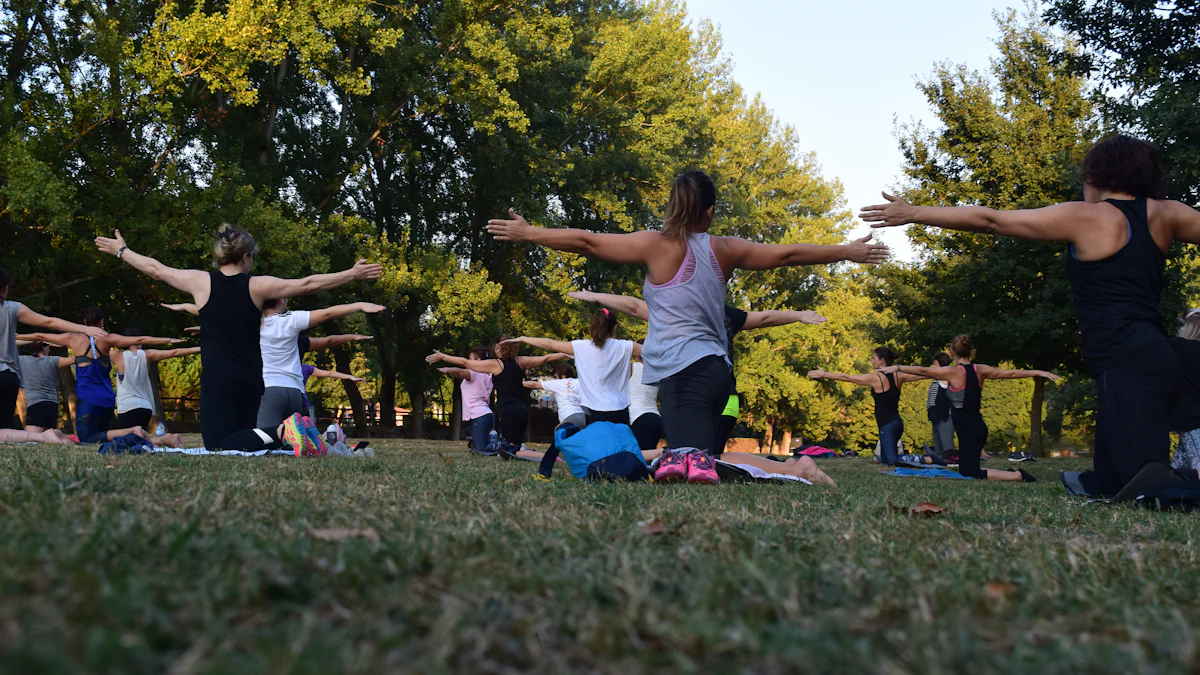
Embarking on your journey as a hot yoga trainer involves more than just acquiring certifications. You need to gain experience and build a clientele to establish yourself in the industry. This section will guide you through the initial steps to kickstart your career and attract loyal students.
Starting as an Assistant or Volunteer
Begin your career by assisting experienced instructors or volunteering at yoga studios. This hands-on experience allows you to observe seasoned hot yoga trainers in action. You will learn valuable teaching techniques and class management skills. Assisting also helps you understand the dynamics of a yoga class, from setting up the room to guiding students through poses.
Volunteering offers a chance to connect with the yoga community. You will meet fellow enthusiasts and potential mentors who can support your growth. By immersing yourself in this environment, you gain insights into the daily operations of a yoga studio. This knowledge proves invaluable when you start leading your own classes.
Networking and Marketing Strategies
Building a network is crucial for your success as a hot yoga trainer. Attend yoga workshops, retreats, and events to meet other professionals and enthusiasts. These gatherings provide opportunities to exchange ideas and learn from others' experiences. Networking helps you stay informed about industry trends and opens doors to collaborations.
Marketing yourself effectively is essential to attract students. Create a professional online presence through social media platforms and a personal website. Share your journey, insights, and tips related to hot yoga. Engaging content will draw potential clients and showcase your expertise. Consider offering free introductory classes or workshops to introduce yourself to the community. These sessions allow people to experience your teaching style and build trust.
Building a Loyal Client Base
Developing a loyal client base requires dedication and consistency. Focus on creating a welcoming and supportive environment for your students. Encourage open communication and listen to their needs and feedback. Personalize your classes to cater to different skill levels and preferences. This attention to detail fosters a sense of belonging and encourages students to return.
Offer incentives such as loyalty programs or referral discounts to reward regular attendees. These initiatives motivate students to continue their practice with you and invite friends to join. Building strong relationships with your clients enhances their experience and strengthens your reputation as a hot yoga trainer.
By following these steps, you will gain valuable experience and establish a thriving clientele. Your passion and commitment will inspire others to embark on their own wellness journeys, creating a positive impact in the world of hot yoga.
Exploring Career Opportunities
As a certified hot yoga instructor, you have a world of opportunities at your fingertips. The demand for skilled instructors continues to rise, offering you various paths to explore and grow in your career.
Employment Options for Hot Yoga Instructors
You can find employment in diverse settings. Yoga studios are the most common places where instructors teach classes. These studios often seek passionate trainers who can inspire and guide students through their practice. You might also consider working at fitness centers or gyms. These venues often incorporate yoga into their wellness programs, providing you with a broader audience.
Wellness retreats and spas offer another exciting avenue. These establishments focus on holistic health and relaxation, making them ideal for hot yoga sessions. Teaching at retreats allows you to connect with individuals seeking rejuvenation and personal growth. Additionally, some instructors choose to work in corporate settings, offering yoga classes to employees as part of workplace wellness programs. This option lets you introduce the benefits of hot yoga to a new audience, enhancing their work-life balance.
Opportunities for Specialization and Advancement
Specializing in a particular style or aspect of hot yoga can set you apart from other instructors. Bikram yoga, founded by Bikram Choudhury in 1973, is a well-known form of hot yoga. Although many people mistakenly think Bikram yoga is the only type of hot yoga, it is just one of many styles practiced in heated environments. By mastering a specific style, you can attract students interested in that particular practice.
Consider advancing your skills through additional certifications or workshops. These opportunities allow you to deepen your knowledge and refine your teaching techniques. As you gain experience, you might explore roles such as lead instructor or studio manager. These positions offer leadership opportunities and the chance to mentor new instructors.
Considerations for Opening Your Own Studio
Opening your own hot yoga studio is a dream for many instructors. This venture allows you to create a space that reflects your vision and teaching philosophy. Before taking this step, consider several factors. Location is crucial; choose a place accessible to your target audience. The studio's ambiance should be welcoming and conducive to a positive yoga experience.
Financial planning is essential. Develop a business plan that outlines your goals, budget, and marketing strategies. Consider the costs of leasing a space, purchasing equipment, and hiring staff. Building a loyal client base is vital for your studio's success. Offer introductory classes or promotions to attract new students and encourage word-of-mouth referrals.
Owning a studio requires dedication and hard work, but it offers immense rewards. You have the freedom to design your schedule, create unique class offerings, and build a community of like-minded individuals. Your passion and commitment will inspire others, fostering a thriving environment for personal and professional growth.
By exploring these career opportunities, you can carve a fulfilling path as a hot yoga instructor. Embrace the possibilities and let your passion for teaching guide you toward success.
Embarking on the journey to become a certified hot yoga instructor involves several key steps. You start with understanding hot yoga's unique benefits, then pursue necessary qualifications and certifications. Choosing the right training program and gaining experience are crucial milestones. As you progress, remember that this path offers immense personal and professional growth.
"Becoming a hot yoga instructor can be an incredibly rewarding experience."
Pursue your passion for teaching hot yoga. Inspire others while enhancing your own well-being. Specializing in hot yoga not only increases your earning potential but also enriches your life with purpose and fulfillment.
See Also
Guide to Becoming a Yoga Instructor This Year
Essential Steps for Mastering Sudarshan Kriya Yoga
Beginner's Guide to Isha Hatha Yoga Practice

Hi my name is Lia and i am your host in this yoga journey in Portugal, Subscribe to our newsletter to receive every week the best of Yoga in Portugal.

We bring back the importance of initiation into womanhood by Roos-Veerle Krijnen & Ella-June Henrard
Welcome to the Women’s Initiation Retreat by Naked Truth Retreats, a transformative journey into the depths of your True Feminine Nature. This retreat invites you to remember the sacredness and wholeness of your being.
Roos-Veerle Krijnen & Ella-June Henrard