Step-by-Step Guide to Surya Namaskar with Images

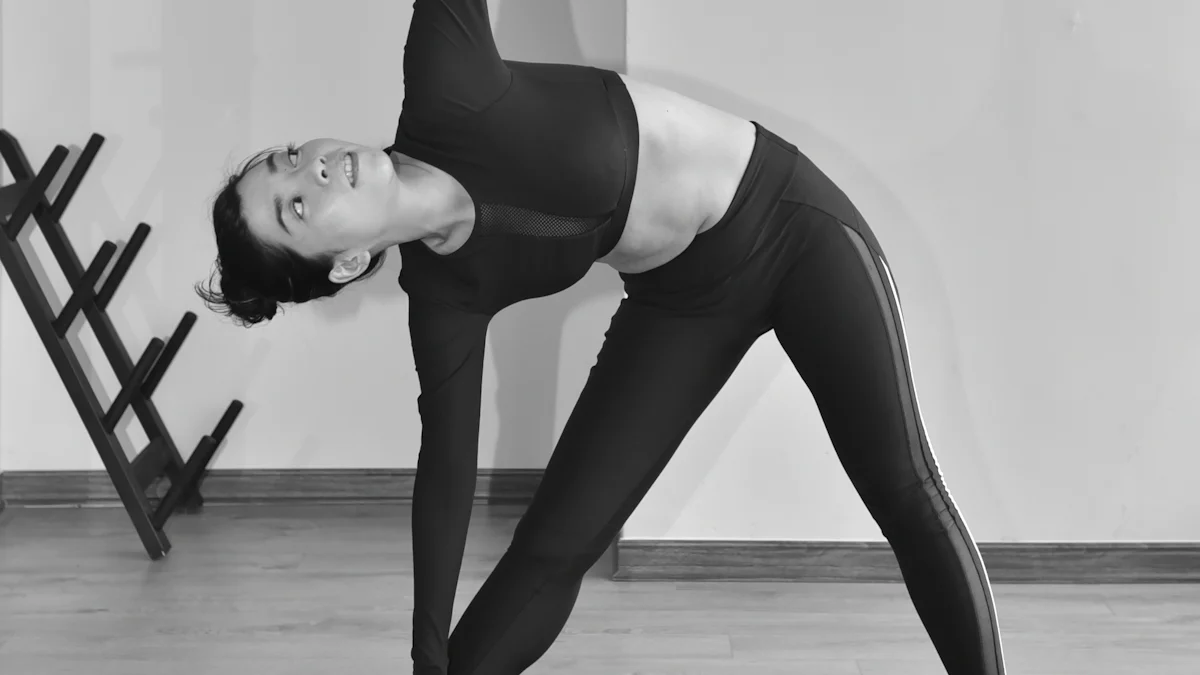
Surya Namaskar, or Sun Salutation, is a revered sequence in yoga practice that is often depicted in various surya namaskar yoga images. It consists of 12 postures that flow seamlessly, each synchronized with your breath. This practice not only honors the sun as a source of energy but also enhances your flexibility and strength. Learning the correct technique is crucial to reap its full benefits. By incorporating Surya Namaskar into your daily routine, as shown in many surya namaskar yoga images, you can experience holistic benefits. It improves blood circulation, strengthens your heart, and boosts your mental focus. Plus, it’s a fantastic way to start your day with vitality and balance.
Benefits of Surya Namaskar
Surya Namaskar, or Sun Salutation, offers a wealth of benefits that extend beyond the physical realm. By practicing this sequence regularly, you can enhance your overall well-being. Let's dive into the specific advantages you can gain from incorporating Surya Namaskar into your daily routine.
Physical Benefits
Improved Flexibility and Strength: Surya Namaskar involves a series of 12 poses that stretch and strengthen various muscle groups. This practice enhances your flexibility and builds muscle strength over time. As you flow through each pose, you'll notice increased agility and endurance.
Cardiovascular Health: The dynamic nature of Surya Namaskar makes it an excellent cardiovascular workout. It gets your heart pumping and improves blood circulation. This not only boosts your heart health but also increases your stamina.
Weight Management: If you're looking to shed some pounds, Surya Namaskar can be a valuable addition to your fitness routine. The sequence helps burn calories and tones your muscles, aiding in weight loss and management.
Enhanced Respiratory Function: As you move through the poses, you synchronize your breath with each movement. This practice improves your lung capacity and breathing efficiency, promoting better respiratory health.
Digestive Health: The forward bends and stretches in Surya Namaskar stimulate your digestive organs. This can lead to improved digestion and a more efficient metabolism.
Glowing Skin and Healthy Hair: Regular practice of Surya Namaskar increases blood flow to your skin and scalp. This results in a natural glow and healthier hair.
Mental and Emotional Benefits
Stress Reduction: Surya Namaskar is not just a physical exercise; it's a meditative practice. The rhythmic flow of poses, combined with deep breathing, helps calm your mind and reduce stress levels.
Improved Focus and Concentration: As you concentrate on your breath and movements, you enhance your mental focus. This practice can improve your concentration and cognitive abilities.
Emotional Balance: Engaging in Surya Namaskar can lead to greater emotional maturity and psychological well-being. It helps you manage your emotions better and fosters a sense of inner peace.
Better Sleep Quality: If you struggle with insomnia, Surya Namaskar might be the solution. The practice relaxes your body and mind, promoting better sleep patterns.
Boosted Immune System: By reducing stress and improving circulation, Surya Namaskar strengthens your immune system. This makes you more resilient to illnesses and infections.
Incorporating Surya Namaskar into your daily routine can transform your life. Whether you're looking at surya namaskar yoga images for inspiration or practicing the sequence yourself, the benefits are undeniable. Embrace this holistic practice and experience the positive changes it brings to your body and mind.
Step-by-Step Guide to Performing Surya Namaskar
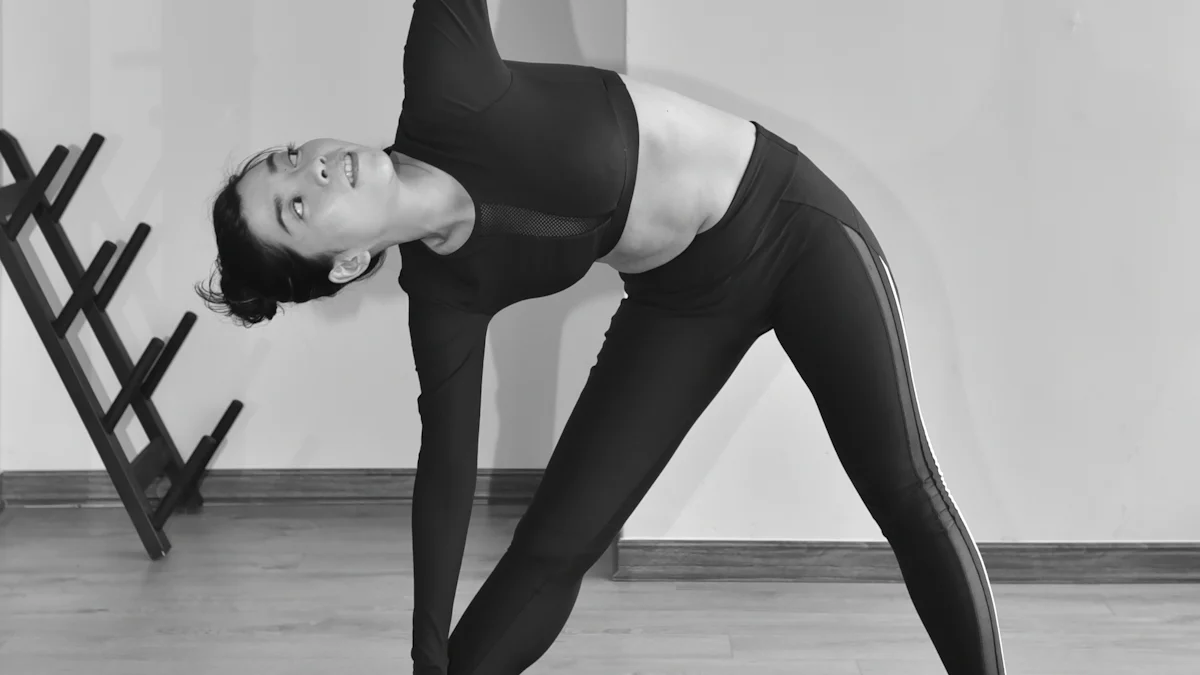
Embarking on the journey of Surya Namaskar, or Sun Salutation, can transform your yoga practice. This sequence of 12 poses flows with your breath, creating a harmonious balance between body and mind. Let's explore the first three poses in detail, ensuring you grasp the essence of each posture.
Pose 1: Pranamasana (Prayer Pose)
Begin your Surya Namaskar with Pranamasana. Stand tall with your feet together. Bring your palms together in front of your chest, as if in prayer. This pose centers your mind and prepares you for the sequence ahead. Focus on your breath. Inhale deeply and exhale slowly. Feel the connection between your body and the earth beneath you.
Certified Yoga Instructor: "Surya Namaskar aids in improving your posture and alignment. By practicing this yoga sequence, you train your body to maintain a straight and balanced position."
Pose 2: Hasta Uttanasana (Raised Arms Pose)
Transition smoothly into Hasta Uttanasana. Raise your arms overhead. Stretch your body upward. Arch your back slightly. This pose opens your chest and stretches your spine. Keep your gaze on your fingertips. Breathe deeply. Feel the energy flowing through your body. This pose enhances your flexibility and strengthens your core.
Certified Yoga Teacher: "We always suggest that you practice yoga under the guidance of a certified yoga teacher to achieve maximum benefits and to restrain yourself from any kind of injuries."
Pose 3: Padahastasana (Hand to Foot Pose)
Move gracefully into Padahastasana. Bend forward from your hips. Try to touch your toes with your fingers. Keep your knees straight. This pose stretches your hamstrings and calves. It also improves your digestion. Let your head hang freely. Relax your neck and shoulders. Breathe deeply. Feel the stretch in your legs and back.
Certified Yoga Instructors: "It is highly recommended to practice the posture under the supervision of a trained yoga instructor."
As you practice these poses, remember to refer to surya namaskar yoga images for visual guidance. These images can help you understand the alignment and flow of each pose. Practicing with images ensures you maintain the correct posture and avoid injuries. Surya namaskar yoga images serve as a valuable tool in your yoga journey, offering insights into the nuances of each pose.
Incorporating these poses into your daily routine can bring about significant changes in your physical and mental well-being. Surya Namaskar not only enhances your flexibility and strength but also boosts your mental focus and emotional balance. As you continue to explore this sequence, you'll discover the profound impact it has on your life.
Pose 4: Ashwa Sanchalanasana (Equestrian Pose)
Step into Ashwa Sanchalanasana with confidence. Begin by stepping one foot back, keeping the other foot forward. Lower your hips and look up. This pose stretches your quadriceps and opens your hips. Feel the stretch in your thighs and the expansion in your chest. Keep your hands on the floor beside your front foot for balance.
Certified Yoga Instructor: "Surya Namaskar aids in improving your posture and alignment. By practicing this yoga sequence, you train your body to maintain a straight and balanced position."
Pose 5: Dandasana (Stick Pose)
Transition smoothly into Dandasana. Move your body into a plank position. Align your shoulders over your wrists. Keep your body in a straight line from head to heels. Engage your core and maintain a firm stance. This pose strengthens your arms, shoulders, and core muscles. Focus on your breath. Inhale deeply and exhale slowly.
Certified Yoga Teacher: "We always suggest that you practice yoga under the guidance of a certified yoga teacher to achieve maximum benefits and to restrain yourself from any kind of injuries."
Pose 6: Ashtanga Namaskara (Salute with Eight Parts or Points)
Lower your body into Ashtanga Namaskara. Bring your knees, chest, and chin to the floor. Keep your hips slightly raised. This pose engages eight points of contact with the ground. It strengthens your arms and opens your chest. Feel the connection between your body and the earth. Breathe deeply and hold the pose for a few seconds.
Certified Yoga Instructors: "It is highly recommended to practice the posture under the supervision of a trained yoga instructor."
As you practice these poses, remember to focus on your breath and maintain proper alignment. Practicing under the guidance of a certified yoga instructor can help you achieve the best results and prevent injuries. Embrace the journey of Surya Namaskar and enjoy the benefits it brings to your body and mind.
Pose 7: Bhujangasana (Cobra Pose)
Slide into Bhujangasana with grace. Lie flat on your stomach. Place your palms under your shoulders. As you inhale, lift your chest off the ground. Keep your elbows close to your body. This pose opens your chest and strengthens your back muscles. Feel the stretch in your spine and the expansion in your lungs. Look slightly upward. Maintain a relaxed neck.
Certified Yoga Instructor: "Surya Namaskar aids in improving your posture and alignment. By practicing this yoga sequence, you train your body to maintain a straight and balanced position."
Pose 8: Adho Mukha Svanasana (Downward Facing Dog Pose)
Transition smoothly into Adho Mukha Svanasana. Lift your hips high. Form an inverted V shape with your body. Keep your hands shoulder-width apart. Press your heels toward the ground. This pose stretches your hamstrings and calves. It also strengthens your arms and shoulders. Breathe deeply. Feel the energy flowing through your body.
Certified Yoga Teacher: "We always suggest that you practice yoga under the guidance of a certified yoga teacher to achieve maximum benefits and to restrain yourself from any kind of injuries."
Pose 9: Ashwa Sanchalanasana (Equestrian Pose)
Step forward into Ashwa Sanchalanasana again. Bring one foot between your hands. Lower your hips. Look up. This pose opens your hips and stretches your quadriceps. Feel the stretch in your thighs and the expansion in your chest. Keep your back leg straight. Balance your weight evenly.
Certified Yoga Instructors: "It is highly recommended to practice the posture under the supervision of a trained yoga instructor."
As you practice these poses, focus on your breath and maintain proper alignment. Practicing under the guidance of a certified yoga instructor can help you achieve the best results and prevent injuries. Embrace the journey of Surya Namaskar and enjoy the benefits it brings to your body and mind.
Pose 10: Padahastasana (Hand to Foot Pose)
In Padahastasana, you bend forward from your hips and aim to touch your toes with your fingers. Keep your knees straight as you fold your body. This pose stretches your hamstrings and calves, promoting flexibility in your legs. Let your head hang freely and relax your neck and shoulders. Breathe deeply and feel the stretch in your back and legs. This posture not only enhances your flexibility but also aids in improving digestion.
Certified Yoga Instructors: "It is highly recommended to practice the posture under the supervision of a trained yoga instructor."
Pose 11: Hasta Uttanasana (Raised Arms Pose)
Transition smoothly into Hasta Uttanasana by raising your arms overhead. Stretch your body upward and arch your back slightly. This pose opens your chest and stretches your spine, enhancing your flexibility and strengthening your core. Keep your gaze on your fingertips and breathe deeply. Feel the energy flowing through your body as you maintain this posture.
Certified Yoga Teacher: "We always suggest that you practice yoga under the guidance of a certified yoga teacher to achieve maximum benefits and to restrain yourself from any kind of injuries."
Pose 12: Tadasana (Mountain Pose)
Conclude your Surya Namaskar sequence with Tadasana. Stand tall with your feet together and arms by your sides. Distribute your weight evenly on both feet. This pose helps improve your posture and balance. Focus on your breath and feel the connection between your body and the earth. Tadasana serves as a grounding pose, bringing a sense of calm and stability to your practice.
Yoga Instructor: "Surya Namaskar aids in improving your posture and alignment. By practicing this yoga sequence, you train your body to maintain a straight and balanced position."
As you complete these poses, remember to focus on your breath and maintain proper alignment. Practicing under the guidance of a certified yoga instructor can help you achieve the best results and prevent injuries. Embrace the journey of Surya Namaskar and enjoy the benefits it brings to your body and mind.
Variations of Surya Namaskar
Surya Namaskar, or Sun Salutation, offers several variations that cater to different yoga styles and preferences. Exploring these variations can enrich your practice and provide new challenges. Let's dive into two popular variations: the Sivananda Variation and the Ashtanga Variation.
Sivananda Variation
The Sivananda Variation of Surya Namaskar emphasizes a gentle and meditative approach. This variation focuses on slow, deliberate movements and deep breathing. You will find it beneficial if you seek a calming and restorative practice.
Begin with Pranamasana (Prayer Pose): Stand tall with your feet together. Bring your palms together in front of your chest. Take a moment to center yourself and focus on your breath.
Move into Hasta Uttanasana (Raised Arms Pose): Raise your arms overhead. Stretch your body upward. Feel the gentle arch in your back.
Transition to Padahastasana (Hand to Foot Pose): Bend forward from your hips. Try to touch your toes. Keep your knees straight.
Step into Ashwa Sanchalanasana (Equestrian Pose): Step one foot back. Lower your hips. Look up and feel the stretch in your thighs.
Flow into Dandasana (Stick Pose): Move into a plank position. Keep your body in a straight line. Engage your core.
Lower into Ashtanga Namaskara (Salute with Eight Parts or Points): Bring your knees, chest, and chin to the floor. Keep your hips slightly raised.
Lift into Bhujangasana (Cobra Pose): Raise your chest off the ground. Keep your elbows close to your body.
Shift to Adho Mukha Svanasana (Downward Facing Dog Pose): Lift your hips high. Form an inverted V shape with your body.
Return to Ashwa Sanchalanasana (Equestrian Pose): Step forward with one foot. Lower your hips. Look up.
Move back to Padahastasana (Hand to Foot Pose): Bend forward and touch your toes.
Rise into Hasta Uttanasana (Raised Arms Pose): Stretch your arms overhead. Arch your back slightly.
Conclude with Tadasana (Mountain Pose): Stand tall. Feel the connection between your body and the earth.
Yoga Enthusiast: "The Sivananda Variation is perfect for those who want a more meditative and calming practice."
Ashtanga Variation
The Ashtanga Variation of Surya Namaskar is dynamic and energetic. It involves a faster pace and more vigorous movements. This variation is ideal if you seek a challenging and invigorating practice.
Start with Samasthiti (Equal Standing Pose): Stand with your feet together. Focus on your breath and prepare for the sequence.
Flow into Urdhva Hastasana (Upward Salute): Raise your arms overhead. Stretch your body upward.
Dive into Uttanasana (Standing Forward Bend): Bend forward from your hips. Touch your toes.
Step or jump back into Chaturanga Dandasana (Four-Limbed Staff Pose): Lower your body into a low plank position. Keep your elbows close to your body.
Lift into Urdhva Mukha Svanasana (Upward Facing Dog Pose): Raise your chest. Keep your thighs off the ground.
Transition to Adho Mukha Svanasana (Downward Facing Dog Pose): Lift your hips high. Form an inverted V shape.
Step or jump forward into Uttanasana (Standing Forward Bend): Bend forward and touch your toes.
Rise into Urdhva Hastasana (Upward Salute): Stretch your arms overhead.
Finish with Samasthiti (Equal Standing Pose): Stand tall. Focus on your breath.
Yoga Practitioner: "The Ashtanga Variation is great for building strength and stamina."
Exploring these variations can add depth to your Surya Namaskar practice. Whether you prefer the gentle flow of the Sivananda Variation or the dynamic energy of the Ashtanga Variation, each offers unique benefits. Embrace the diversity of Surya Namaskar and discover what resonates with you.
Frequently Asked Questions
Who can perform Surya Namaskar?
Surya Namaskar is a versatile practice suitable for most people. Whether you're a beginner or an experienced yogi, you can incorporate this sequence into your routine. However, if you have specific health concerns like back pain or joint issues, it's wise to consult a healthcare professional first. Trained Yoga Instructor advises, "If you are experiencing back ache, joint ache, or weakness in the body, then it is highly recommended to practice the posture under the supervision of a trained yoga instructor." This ensures you perform the poses safely and effectively.
How many repetitions are ideal for beginners?
Starting with a manageable number of repetitions is key. For beginners, 3 to 5 rounds of Surya Namaskar can be a good starting point. This allows you to focus on mastering the poses and synchronizing your breath without feeling overwhelmed. As you become more comfortable, you can gradually increase the number of repetitions. Remember, quality matters more than quantity. It's better to perform fewer rounds with proper form than to rush through many.
What precautions should be taken before practicing?
Before diving into Surya Namaskar, consider a few precautions to ensure a safe practice:
Warm-Up: Begin with gentle stretches to prepare your body.
Breathing: Focus on deep, controlled breaths throughout the sequence.
Hydration: Drink water before starting, but avoid heavy meals right before practice.
Environment: Choose a quiet, well-ventilated space with enough room to move freely.
Listen to Your Body: If you feel any discomfort or pain, stop and adjust your posture.
By keeping these precautions in mind, you can enjoy a fulfilling and injury-free Surya Namaskar practice.
Practicing Surya Namaskar regularly can transform your life. You should start with a few repetitions and gradually increase as you become more comfortable. This approach helps you build strength and flexibility without overwhelming yourself. The holistic benefits of Surya Namaskar are immense. It enhances your physical health, boosts mental clarity, and fosters emotional balance.
Yoga Chaitanya, a renowned yoga expert, emphasizes the importance of consistency in practice: "Regular practice of Padahastasana (Hand to foot pose) can significantly improve your flexibility and posture."
Explore the various Surya Namaskar variations to find what suits you best. Embrace this journey and enjoy the positive changes it brings to your body and mind.
See Also
Begin Your Yoga Journey at Home: A Complete Guide
A Beginner's Guide to Practicing Yoga Asanas in Hindi
A Beginner's Introduction to Vinyasa Yoga Essentials

Hi my name is Lia and i am your host in this yoga journey in Portugal, Subscribe to our newsletter to receive every week the best of Yoga in Portugal.

We bring back the importance of initiation into womanhood by Roos-Veerle Krijnen & Ella-June Henrard
Welcome to the Women’s Initiation Retreat by Naked Truth Retreats, a transformative journey into the depths of your True Feminine Nature. This retreat invites you to remember the sacredness and wholeness of your being.
Roos-Veerle Krijnen & Ella-June Henrard