Step-by-Step Guide to Mastering Yoga Asanas

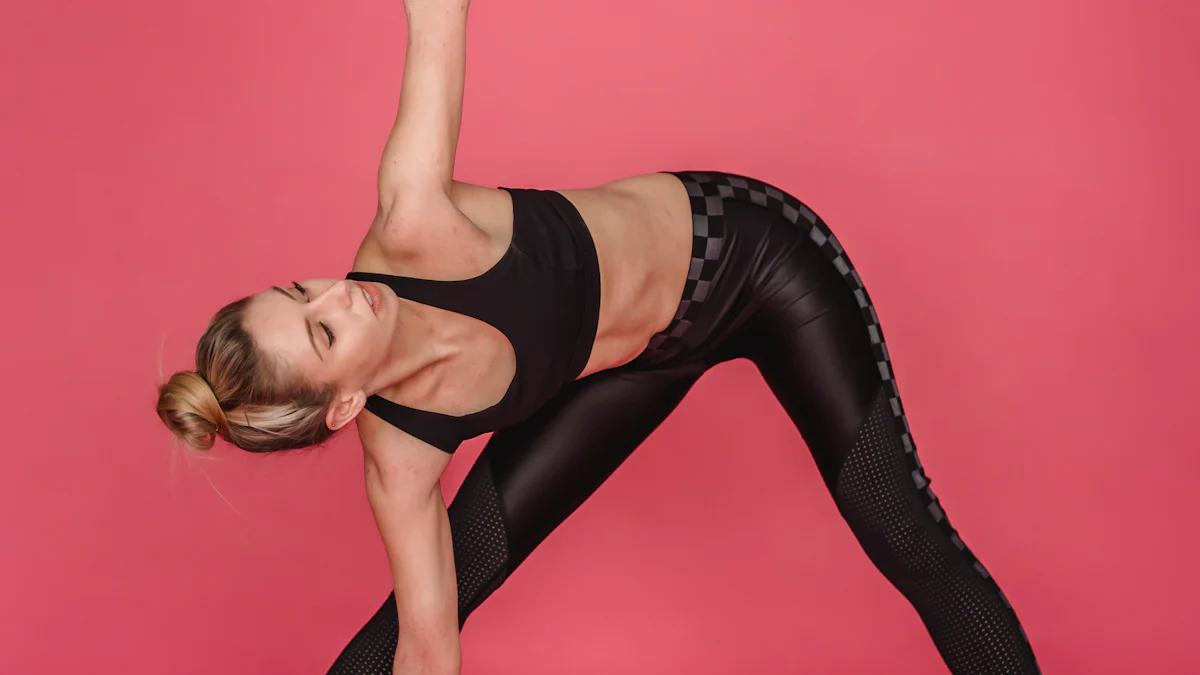
Mastering yoga asanas can transform your physical and mental well-being. Yoga helps alleviate chronic pain, reduce stress, and improve flexibility. It also boosts self-esteem and satisfaction with life. Practicing yoga regularly enhances cardiovascular fitness and muscular strength. To reap these benefits, focus on correct form and alignment. This ensures you practice safely and effectively. Approach learning yoga asanas with patience and mindfulness. Progress at your own pace and listen to your body. A yoga asan chart can guide your practice, helping you track your progress and stay motivated.
Standing Asanas
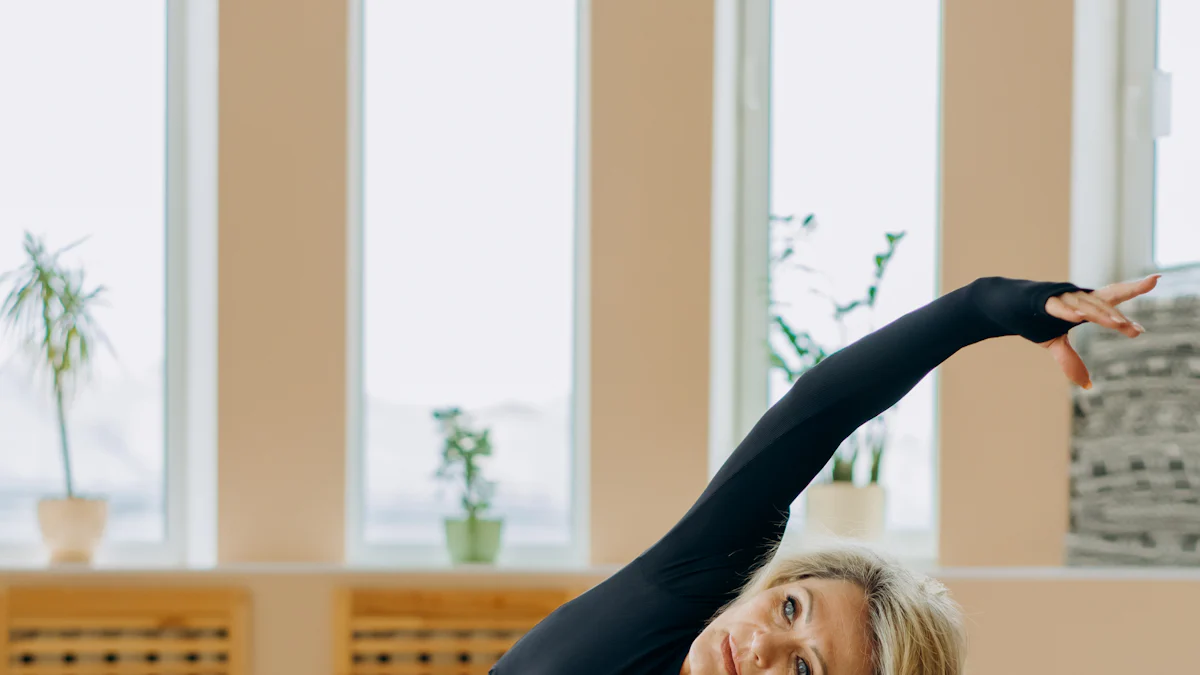
Standing asanas form the foundation of your yoga practice. They help you build strength, balance, and focus. Let's dive into two essential standing poses: Mountain Pose and Warrior I.
Mountain Pose (Tadasana)
Step-by-step instructions
Stand tall with your feet together. Keep your arms relaxed at your sides.
Distribute your weight evenly across both feet. Feel grounded.
Engage your thighs and lift your kneecaps slightly.
Lengthen your spine by lifting your chest and drawing your shoulders back.
Keep your chin parallel to the floor. Gaze forward.
Hold the pose for several breaths, maintaining a steady and calm demeanor.
Benefits of Mountain Pose
Mountain Pose might seem simple, but it offers numerous benefits. It improves posture and strengthens your legs and core. This pose also enhances your awareness and concentration. According to a study published in Frontiers in Psychology, performing standing yoga poses like Tadasana can boost your energy and self-esteem. You feel more empowered and in control.
Precautions and contraindications
While Tadasana is generally safe, be mindful if you have low blood pressure or dizziness. Always listen to your body. If you feel discomfort, ease out of the pose.
Warrior I (Virabhadrasana I)
Step-by-step instructions
Begin in Mountain Pose. Step your left foot back about 3-4 feet.
Bend your right knee over your ankle. Keep your left leg straight.
Turn your left foot slightly inward. Align your hips forward.
Raise your arms overhead. Palms face each other.
Keep your gaze forward or look up at your hands.
Hold the pose for several breaths. Feel the strength and stability.
Benefits of Warrior I
Warrior I is a powerful pose that builds strength in your legs, shoulders, and arms. It opens your chest and lungs, improving your breathing capacity. This pose also enhances your focus and determination. The same study in Frontiers in Psychology found that standing poses like Warrior I can increase your sense of empowerment and positive self-view.
Precautions and contraindications
If you have knee or hip issues, modify the pose by shortening your stance. Avoid straining your neck by keeping your gaze forward. Always prioritize comfort and safety in your practice.
By incorporating these standing asanas into your routine, you can experience both physical and mental benefits. Remember, yoga is a journey. Enjoy each step along the way!
Sitting Asanas
Sitting asanas offer a calming and grounding experience. They help you cultivate flexibility and inner peace. Let's explore two essential sitting poses: Easy Pose and Seated Forward Bend.
Easy Pose (Sukhasana)
Step-by-step instructions
Sit on the floor with your legs crossed. Keep your spine straight.
Rest your hands on your knees, palms facing up or down.
Relax your shoulders and lengthen your neck.
Close your eyes and take deep breaths. Focus on your breath.
Hold the pose for several minutes, maintaining a calm and steady mind.
Benefits of Easy Pose
Easy Pose provides a solid foundation for meditation and relaxation. It helps reduce stress and anxiety, promoting a sense of inner peace. This pose also improves flexibility in your hips and knees. According to research, sitting yoga poses like Sukhasana can foster a sense of tranquility and enhance your overall well-being.
Precautions and contraindications
If you have knee or hip discomfort, use a cushion or blanket under your hips for support. Avoid forcing your knees to the ground. Always listen to your body and adjust the pose as needed.
Seated Forward Bend (Paschimottanasana)
Step-by-step instructions
Sit with your legs extended in front of you. Keep your spine straight.
Inhale and raise your arms overhead, lengthening your spine.
Exhale and hinge at your hips, reaching for your feet or shins.
Keep your back straight and avoid rounding your shoulders.
Hold the pose for several breaths, feeling a gentle stretch in your hamstrings.
Benefits of Seated Forward Bend
Seated Forward Bend stretches your spine, shoulders, and hamstrings. It calms your mind and relieves stress. This pose also stimulates your digestive organs, promoting better digestion. Practicing Paschimottanasana regularly can improve your flexibility and mental clarity.
Precautions and contraindications
If you have lower back issues, bend your knees slightly to reduce strain. Avoid forcing yourself into the pose. Focus on a gentle stretch and maintain a relaxed breath.
By incorporating these sitting asanas into your practice, you can enjoy both physical and mental benefits. Remember, yoga is about finding balance and peace within yourself. Enjoy the journey!
Lying on the Stomach Asanas
Lying on the stomach asanas are fantastic for strengthening your back and improving flexibility. They also help open up your chest and shoulders, promoting better posture. Let's explore two essential poses: Cobra Pose and Bow Pose.
Cobra Pose (Bhujangasana)
Step-by-step instructions
Lie face down on your mat. Keep your legs together and your toes pointed.
Place your hands under your shoulders. Elbows should be close to your body.
Inhale deeply. Lift your chest off the ground using your back muscles.
Keep your elbows slightly bent. Shoulders should be relaxed and away from your ears.
Hold the pose for a few breaths. Feel the stretch in your chest and abdomen.
Exhale and gently lower your chest back to the mat.
Benefits of Cobra Pose
Cobra Pose strengthens your spine and tones your buttocks. It stretches your chest, lungs, shoulders, and abdomen. This pose can also help relieve stress and fatigue. Practicing Bhujangasana regularly can improve your posture and increase your flexibility.
Precautions and contraindications
Avoid Cobra Pose if you have a recent back injury or carpal tunnel syndrome. Listen to your body. If you feel any discomfort, ease out of the pose. Always prioritize your safety and comfort.
Bow Pose (Dhanurasana)
Step-by-step instructions
Lie on your stomach. Keep your arms at your sides.
Bend your knees. Reach back with your hands to grab your ankles.
Inhale and lift your chest and thighs off the ground. Pull your ankles up and back.
Keep your gaze forward. Hold the pose for a few breaths.
Exhale and gently release your ankles. Lower your body back to the mat.
Benefits of Bow Pose
Bow Pose strengthens your back muscles and improves your posture. It stretches your entire front body, including your chest, abdomen, and thighs. This pose also stimulates your digestive organs, promoting better digestion. Practicing Dhanurasana can enhance your flexibility and boost your energy levels.
Precautions and contraindications
If you have neck or back issues, approach Bow Pose with caution. Avoid this pose if you have high blood pressure or a hernia. Always listen to your body and modify the pose as needed. Your comfort and safety should always come first.
Incorporating these lying on the stomach asanas into your practice can bring both physical and mental benefits. Enjoy the journey and embrace the positive changes yoga brings to your life!
Lying on the Back Asanas
Lying on the back asanas offer a soothing and restorative experience. They help you relax and rejuvenate your body and mind. Let's explore two essential poses: Bridge Pose and Corpse Pose.
Bridge Pose (Setu Bandhasana)
Step-by-step instructions
Lie on your back with your knees bent and feet flat on the floor. Keep your arms at your sides.
Press your feet into the mat and lift your hips toward the ceiling.
Clasp your hands under your back, extending your arms.
Keep your thighs parallel and engage your core.
Hold the pose for several breaths, feeling the stretch in your spine and hips.
Gently lower your hips back to the mat.
Benefits of Bridge Pose
Bridge Pose offers numerous benefits for both your body and mind. It strengthens your core and back muscles, improving posture and reducing back pain. This pose also stretches your spine, hips, and hamstrings, enhancing flexibility. According to studies, Setu Bandhasana increases oxygen supply to the lungs, promoting better breathing. Practicing this pose regularly can help alleviate tension and stress, leaving you feeling refreshed and energized.
Precautions and contraindications
If you have neck or shoulder issues, avoid clasping your hands under your back. Instead, keep your arms at your sides. Always listen to your body and modify the pose as needed. Your comfort and safety should be your top priority.
Corpse Pose (Savasana)
Step-by-step instructions
Lie flat on your back with your legs extended and arms at your sides.
Close your eyes and relax your entire body.
Breathe deeply and evenly, letting go of any tension.
Focus on your breath and allow your mind to become calm and still.
Stay in the pose for 5-15 minutes, enjoying the sense of peace and relaxation.
Benefits of Corpse Pose
Corpse Pose is the ultimate relaxation pose. It helps you release stress and tension, promoting a deep sense of calm. This pose allows your body to rest and rejuvenate, enhancing your overall well-being. Practicing Savasana regularly can improve your mental clarity and focus, helping you feel more centered and balanced.
Precautions and contraindications
If you have lower back discomfort, place a cushion or rolled blanket under your knees for support. Avoid falling asleep during the pose. Stay present and aware, focusing on your breath and relaxation.
Incorporating these lying on the back asanas into your practice can bring profound physical and mental benefits. Embrace the journey and enjoy the positive changes yoga brings to your life!
Yoga Asan Chart
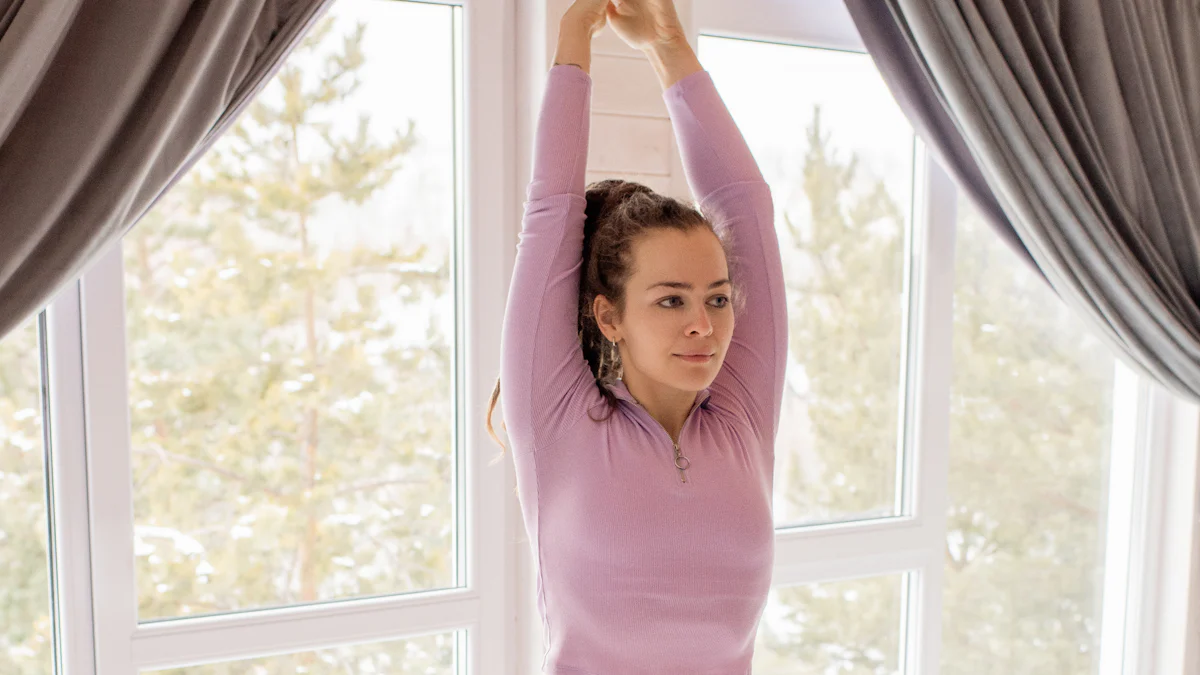
Overview of a Yoga Asan Chart
A yoga asan chart serves as a visual guide to help you navigate through various yoga poses. It typically includes images and names of different asanas, organized into categories like standing, seated, kneeling, supine, and prone positions. This organization makes it easier for you to understand and remember the poses. The Yoga Asanas Chart Book is an excellent resource, featuring 60 beginner to intermediate poses with names in both Sanskrit and English. This dual-language approach aids in learning and deepens your understanding of yoga's rich heritage.
Using a yoga asan chart can enhance your practice by providing a clear reference point. You can quickly glance at the chart to ensure you're performing the poses correctly. This tool is especially beneficial for beginners who are still familiarizing themselves with the vast array of yoga asanas. By having a visual representation, you can better grasp the alignment and form required for each pose.
How to Use a Yoga Asan Chart for Practice
Incorporating a yoga asan chart into your practice is straightforward and highly beneficial. Here's how you can make the most of it:
Select Your Poses: Start by choosing a few poses from the chart that align with your current skill level and goals. If you're a beginner, focus on basic poses that build strength and flexibility.
Set Up Your Space: Find a quiet and comfortable space where you can lay out your mat and place the chart within view. This setup allows you to easily refer to the chart as you move through your practice.
Follow the Visuals: Use the images and instructions on the chart to guide your movements. Pay attention to the alignment cues and ensure you're replicating the poses accurately.
Track Your Progress: As you become more familiar with the poses, use the chart to track your progress. Note which poses you've mastered and which ones need more attention. This tracking helps you stay motivated and focused on your yoga journey.
Expand Your Practice: Once you're comfortable with the initial set of poses, gradually introduce new ones from the chart. This expansion keeps your practice dynamic and challenging.
A yoga asan chart is more than just a reference tool; it's a companion on your yoga journey. By using it effectively, you can deepen your practice, enhance your understanding of yoga, and achieve a greater sense of balance and well-being.
To master yoga, consistency and body awareness are key. Practice regularly to enhance your mental clarity and increase body awareness. This helps relieve chronic stress patterns and improve overall well-being. Incorporate yoga into your daily routine for sustained benefits. Remember, correct form is crucial. Each asana offers unique advantages, from improving lower back pain to reducing inflammation. Embrace yoga as a journey. Enjoy the process and the positive changes it brings to your life. Keep practicing, stay mindful, and let yoga transform your body and mind.
See Also
In-Depth Exploration of Yoga Poses with Visuals
Fundamental Yoga Poses for New Practitioners: A Guide
Perfecting the Yoga Plank: A Detailed Instructional

Hi my name is Lia and i am your host in this yoga journey in Portugal, Subscribe to our newsletter to receive every week the best of Yoga in Portugal.

We bring back the importance of initiation into womanhood by Roos-Veerle Krijnen & Ella-June Henrard
Welcome to the Women’s Initiation Retreat by Naked Truth Retreats, a transformative journey into the depths of your True Feminine Nature. This retreat invites you to remember the sacredness and wholeness of your being.
Roos-Veerle Krijnen & Ella-June Henrard