Step-by-Step Guide to Becoming a Certified Yoga Instructor

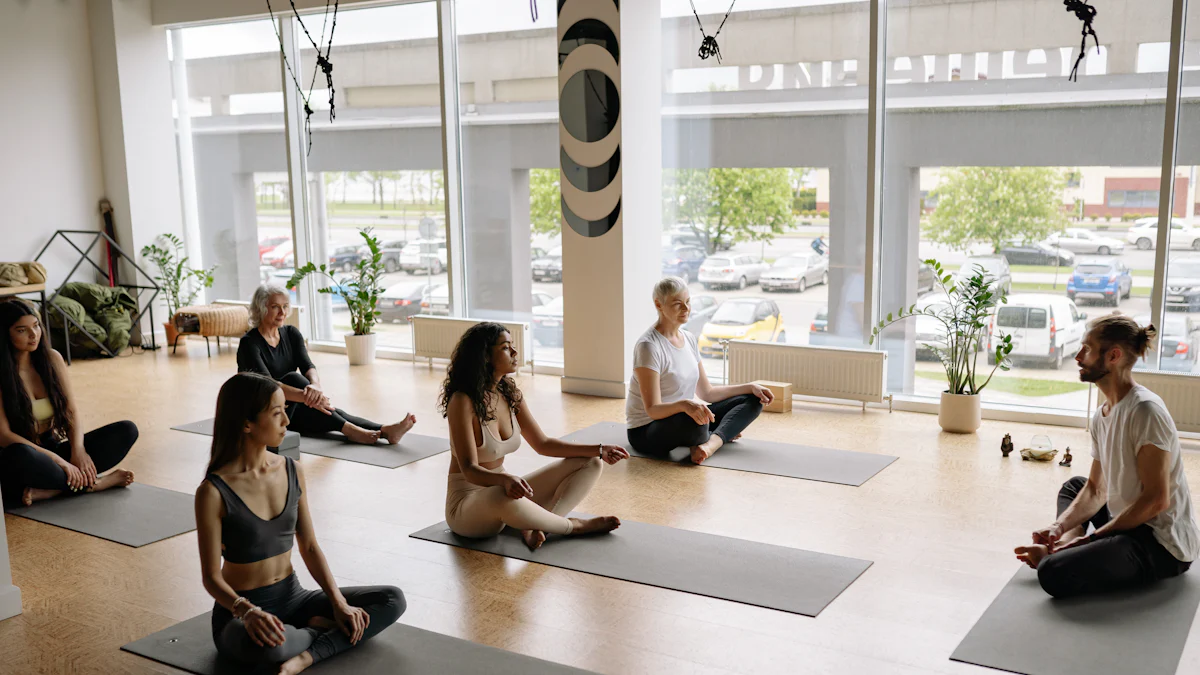
Becoming a certified yoga instructor opens doors to a rewarding career in a rapidly growing field. With over 38.4 million Americans practicing yoga in 2022, the demand for skilled instructors continues to rise. Certification not only enhances your credibility but also equips you with the necessary skills to guide others on their yoga journey. As you get yoga instructor certified, you join a community of over 14,752 yoga teachers in the United States, predominantly women, who are passionate about sharing the benefits of yoga. This certification process ensures you are well-prepared to meet the needs of diverse students and thrive in this fulfilling profession.
Understanding the Role of a Yoga Instructor
Responsibilities and Duties
As a yoga instructor, you take on a vital role in guiding students through their yoga journey. Your primary responsibility is teaching yoga classes. This involves planning and leading sessions that cater to the needs and abilities of your students. You create a welcoming environment where everyone feels comfortable exploring their practice.
Teaching yoga classes
In each class, you demonstrate poses, offer modifications, and ensure that students practice safely. You must be fully present, bringing your undivided attention to each session. This presence helps you connect with your students and respond to their needs effectively. As one experienced yoga instructor puts it:
"Yoga teaches the art of living in the moment. That is something yoga instructors must integrate into their lives and teaching style."
Guiding students in practice
Beyond teaching poses, you guide students in their practice by fostering self-awareness and the mind-body connection. You introduce them to concepts like self-love and mindfulness, helping them grow both physically and mentally. Your guidance can be a beacon for students, resonating with them long after the class ends.
Skills and Qualities Required
To excel as a yoga instructor, you need a unique set of skills and qualities. These attributes enable you to lead classes effectively and create a positive impact on your students' lives.
Communication skills
Strong communication skills are essential. You must clearly convey instructions and provide feedback in a way that is encouraging and supportive. Effective communication helps build trust and rapport with your students, making them feel valued and understood.
Physical fitness and knowledge of yoga
Physical fitness and a deep understanding of yoga are also crucial. You should be able to demonstrate poses with ease and explain their benefits. A solid foundation in yoga philosophy, anatomy, and safety practices ensures that you teach responsibly. As another expert highlights:
"A yoga teacher training is more than simply learning a few postures. You learn important aspects of safety, anatomy, business, and other areas important for any yoga instructor to have."
By honing these skills and embracing your responsibilities, you can become a yoga instructor who inspires and empowers students on their path to wellness.
Prerequisites for Certification
Personal Practice and Experience
Before you embark on the journey to become a certified yoga instructor, it's essential to have a solid foundation in personal practice and experience. This foundation not only enhances your teaching skills but also deepens your understanding of yoga's transformative power.
Minimum years of practice
To qualify for certification, you should have a minimum of one to two years of consistent yoga practice. This experience allows you to develop a strong connection with your own practice, which is crucial when guiding others. Regular practice helps you understand the nuances of different poses and the importance of breath control. It also fosters self-discipline and commitment, qualities that are vital for any yoga instructor.
Familiarity with different yoga styles
Exploring various yoga styles enriches your practice and broadens your perspective as an instructor. Whether it's Hatha, Vinyasa, or Ashtanga, each style offers unique benefits and challenges. Familiarity with these styles enables you to cater to diverse student needs and preferences. It also equips you with the versatility to adapt your teaching methods, ensuring that your classes remain engaging and effective.
Educational Background
Your educational background plays a significant role in your journey to becoming a certified yoga instructor. While formal education is not the sole determinant of your success, it provides a foundation upon which you can build your teaching career.
High school diploma or equivalent
Most certification programs require you to have at least a high school diploma or its equivalent. This requirement ensures that you possess the basic educational skills necessary for understanding the course material and communicating effectively with your students. A solid educational foundation also prepares you for the written exams and assessments that are part of the certification process.
Additional courses or workshops
Participating in additional courses or workshops can enhance your knowledge and skills as a yoga instructor. These opportunities allow you to delve deeper into specific areas of interest, such as anatomy, yoga philosophy, or meditation techniques. Workshops often provide hands-on experience and the chance to learn from seasoned instructors. By investing in your education, you demonstrate a commitment to personal growth and professional development, which ultimately benefits your students.
Incorporating these prerequisites into your journey not only prepares you for certification but also enriches your overall experience as a yoga instructor. By building a strong foundation in personal practice and education, you set yourself up for success in this fulfilling and rewarding career.
Choosing the Right Yoga Teacher Training Program
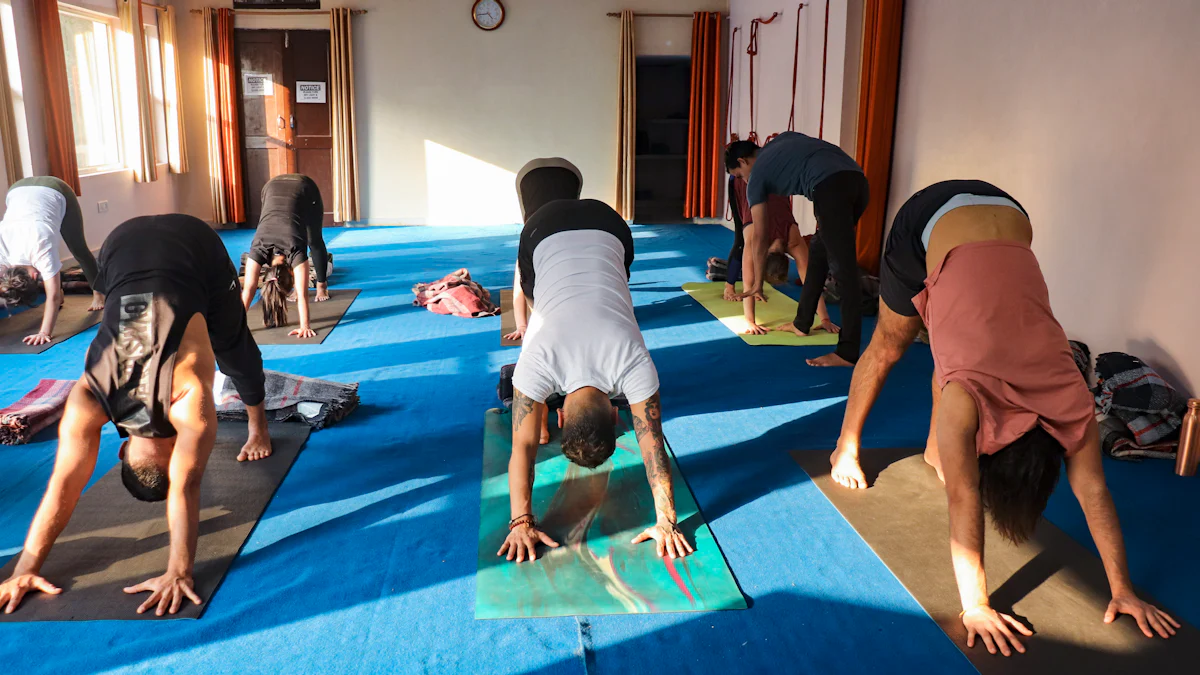
Embarking on the journey to get yoga instructor certified requires selecting the right training program. This decision shapes your teaching style and influences your career path. With numerous options available, understanding the types of certification programs and the factors to consider will help you make an informed choice.
Types of Certification Programs
Yoga teacher training programs come in various formats, each designed to meet different needs and goals. Here are the primary types:
200-hour certification
The 200-hour certification is the foundational program for aspiring yoga instructors. It covers essential topics like yoga philosophy, anatomy, and teaching methodology. This program provides a comprehensive introduction to teaching yoga and is accredited through The Yoga Alliance. Completing this certification is the first step to get yoga instructor certified and start your teaching career.
500-hour certification
For those looking to deepen their practice and expand their teaching skills, the 500-hour certification offers advanced training. This program builds on the 200-hour certification, delving into more complex aspects of yoga. It includes specialized topics such as prenatal yoga, children’s yoga, and yoga anatomy. By completing this program, you enhance your expertise and increase your credibility as a yoga instructor.
Factors to Consider
Choosing the right program involves evaluating several key factors. These considerations ensure that you select a program that aligns with your goals and values.
Accreditation and reputation
Accreditation is crucial when selecting a yoga teacher training program. Ensure that the program is accredited by a recognized organization like The Yoga Alliance. This accreditation guarantees that the program meets industry standards and enhances your credibility. Additionally, research the program's reputation by reading reviews and testimonials from past participants. A reputable program will have positive feedback and a track record of successful graduates.
Curriculum and teaching methodology
Examine the curriculum and teaching methodology of each program. A well-rounded curriculum should cover essential topics such as yoga philosophy, anatomy, and teaching techniques. Look for programs that offer hands-on experience and opportunities for practical teaching. This experience is invaluable as you get yoga instructor certified and begin your teaching journey. Consider the teaching style and approach of the instructors, ensuring that it resonates with your learning preferences.
By carefully considering these factors, you can choose a yoga teacher training program that sets you up for success. Whether you opt for a 200-hour or 500-hour certification, the right program will equip you with the skills and knowledge needed to thrive as a certified yoga instructor.
Completing the Certification Process
Embarking on the certification journey is an exciting step toward becoming a yoga instructor. This process involves several key components that equip you with the knowledge and skills needed to teach effectively.
Training Components
Your training will cover essential topics that form the foundation of your teaching practice.
Anatomy and Physiology
Understanding anatomy and physiology is crucial for any yoga instructor. You will learn about the human body's structure and how it functions during yoga practice. This knowledge helps you guide students safely through poses, preventing injuries and enhancing their experience. You'll explore how different muscles work together and how to modify poses for various body types. This understanding ensures that you can tailor your classes to meet the needs of all students.
Teaching Methodology
Teaching methodology is another vital component of your training. You'll discover effective ways to plan and lead yoga classes. This includes learning how to sequence poses, use props, and create a supportive environment. You'll also develop skills in cueing and adjusting students, ensuring they get the most out of their practice. By mastering these techniques, you can deliver engaging and impactful classes that resonate with your students.
Assessment and Evaluation
To complete your certification, you'll undergo assessments that evaluate your understanding and teaching abilities.
Written Exams
Written exams test your knowledge of yoga philosophy, anatomy, and teaching principles. These exams ensure that you have a solid grasp of the theoretical aspects of yoga. Preparing for these exams involves reviewing course materials and reflecting on your learning. Success in these exams demonstrates your readiness to share your knowledge with others.
Practical Teaching Assessments
Practical teaching assessments provide an opportunity to showcase your skills in a real-world setting. You'll lead a class or session, applying what you've learned throughout your training. This hands-on experience is invaluable, allowing you to gain confidence and receive feedback from experienced instructors. As highlighted in yoga therapy case studies, practical assessments are often the most exciting and fulfilling part of training. They offer a glimpse into your future work as a yoga instructor, helping you refine your approach and develop your unique teaching style.
Completing the certification process is a rewarding journey that prepares you for a successful career as a yoga instructor. By engaging with each component of your training, you build a strong foundation for guiding others on their yoga journey.
Starting Your Career as a Certified Yoga Instructor

Congratulations on completing your certification! Now, it's time to embark on your journey as a certified yoga instructor. This exciting phase involves finding job opportunities and building a clientele. Let's explore how you can kickstart your career and make a meaningful impact in the yoga community.
Finding Job Opportunities
As a new yoga instructor, you'll want to explore various avenues to find teaching opportunities. Here are some common paths you can take:
Yoga Studios and Gyms
Yoga studios and gyms are popular places to start your teaching career. They offer structured environments where you can hone your skills and gain valuable experience. Reach out to local studios and inquire about open positions or substitute teaching opportunities. Many studios appreciate fresh perspectives and are eager to welcome new instructors. By teaching at a studio, you can connect with a diverse group of students and learn from experienced colleagues.
Freelance and Private Classes
If you prefer more flexibility, consider offering freelance or private yoga classes. This approach allows you to set your schedule and tailor sessions to individual needs. You can teach in clients' homes, local parks, or even online. Building a freelance business requires self-promotion and networking, but it offers the freedom to create a unique teaching style. As one student from the YogaWorks teacher training shared:
"I started teaching a week after coming back from my training, feeling positive and honored every day to have taken part of this journey along amazing humans; students and teachers alike."
Building a Clientele
Once you've secured teaching opportunities, focus on building a loyal clientele. This involves marketing your services and engaging with the community.
Marketing and Promotion
Effective marketing is crucial for attracting students to your classes. Utilize social media platforms to showcase your teaching style and share valuable content. Create a professional website that highlights your qualifications, class offerings, and testimonials from satisfied students. Consider offering introductory discounts or free trial classes to encourage new students to try your sessions. Word-of-mouth referrals are powerful, so encourage your current students to spread the word.
Networking and Community Involvement
Networking plays a vital role in expanding your reach as a yoga instructor. Attend local yoga events, workshops, and retreats to connect with fellow instructors and potential students. Collaborate with other wellness professionals, such as nutritionists or massage therapists, to offer joint workshops or events. Engaging with the community not only helps you build relationships but also establishes your presence as a dedicated and passionate instructor.
By actively seeking job opportunities and building a strong clientele, you can establish a successful career as a certified yoga instructor. Embrace the journey with enthusiasm and dedication, and you'll find fulfillment in guiding others on their yoga path.
You've embarked on an incredible journey to become a certified yoga instructor. From understanding the role of a yoga teacher to completing your certification, each step has equipped you with valuable skills and insights. Remember, the path doesn't end here. Keep learning and growing. Embrace every opportunity to teach and inspire others. Stay true to yourself and your unique teaching style. As you continue this journey, you'll not only transform your own life but also touch the lives of countless students. Welcome to the vibrant community of yoga instructors!
See Also
Perfecting the Crescent Pose in Yoga
Grasping Hatha Yoga Fundamentals
Exploring Top Aerial Yoga Classes Nearby

Hi my name is Lia and i am your host in this yoga journey in Portugal, Subscribe to our newsletter to receive every week the best of Yoga in Portugal.

We bring back the importance of initiation into womanhood by Roos-Veerle Krijnen & Ella-June Henrard
Welcome to the Women’s Initiation Retreat by Naked Truth Retreats, a transformative journey into the depths of your True Feminine Nature. This retreat invites you to remember the sacredness and wholeness of your being.
Roos-Veerle Krijnen & Ella-June Henrard