Step by Step Guide to Mastering Lotus Pose


The Lotus Pose, or Padmasana, holds significant importance in yoga practice. This pose not only enhances flexibility but also promotes mental clarity and calmness. By mastering the lotus asana yoga, you connect with a tradition that has been cherished for centuries. To perform this pose correctly, focus on key steps such as positioning your legs and aligning your spine. Embrace the journey of learning this pose, as it offers profound benefits for both body and mind.
Key Takeaways
Choose a comfortable and quiet space for your practice to enhance focus and connection with your body.
Incorporate hip-opening stretches like Butterfly Stretch and Pigeon Pose to improve flexibility before attempting the Lotus Pose.
Listen to your body and recognise your limits; if full Lotus Pose is challenging, consider starting with Half Lotus.
Maintain a straight spine and engage your core to support your back and prevent strain during the pose.
Use props like cushions or blocks for added support, especially if your knees do not touch the ground.
Practice deep breathing techniques to calm your mind and enhance your meditation experience while in the pose.
Regular practice of Lotus Pose can lead to improved flexibility, better posture, and enhanced mental clarity.
Preparing for the Lotus Pose
Finding a Comfortable Space
Before you begin your practice, choose a comfortable and quiet space. This area should allow you to sit without distractions. A yoga mat or a soft surface can provide the necessary comfort. Ensure that the temperature is pleasant, as this will help you focus better. A serene environment enhances your ability to connect with your body and mind during the practice.
Warm-Up Exercises
Hip-opening stretches to increase flexibility
To prepare your body for the Lotus Pose, engage in hip-opening stretches. These exercises increase flexibility in your hips, knees, and ankles. Here are some effective stretches to consider:
Butterfly Stretch: Sit with your feet together and let your knees fall out to the sides. Hold your feet and gently press your knees towards the ground.
Pigeon Pose: From a tabletop position, bring one knee forward and extend the opposite leg back. This stretch opens the hips and prepares them for deeper poses.
Seated Forward Bend: Sit with your legs extended. Inhale, lengthen your spine, and exhale as you reach towards your toes. This stretch helps to loosen the hamstrings and lower back.
Incorporating these stretches into your routine will make it easier to achieve the Lotus Pose.
Deep breathing techniques to calm the mind
Deep breathing techniques play a crucial role in your preparation. They help calm your mind and centre your focus. Try the following method:
Diaphragmatic Breathing: Sit comfortably and place one hand on your chest and the other on your abdomen. Inhale deeply through your nose, allowing your abdomen to rise. Exhale slowly through your mouth. Repeat this for several minutes. This technique reduces stress and prepares you mentally for the pose.
Understanding Your Body's Limits
Recognising your body's limits is essential for a safe practice. Lotus Pose can be challenging, especially if you lack flexibility in your hips. Listen to your body and avoid pushing yourself too hard. If you feel discomfort or strain, take a step back.
Yoga teacher insights emphasise the importance of alignment and safety. Regular practice of Lotus Pose increases flexibility, but it takes time. If you cannot achieve the full pose, consider transitioning to Half Lotus. This modification allows you to enjoy the benefits without risking injury. Always consult a professional if you are unsure about your practice.
By preparing adequately, you set the stage for a successful experience in mastering the Lotus Pose.
Step-by-Step Guide to Entering the Lotus Pose
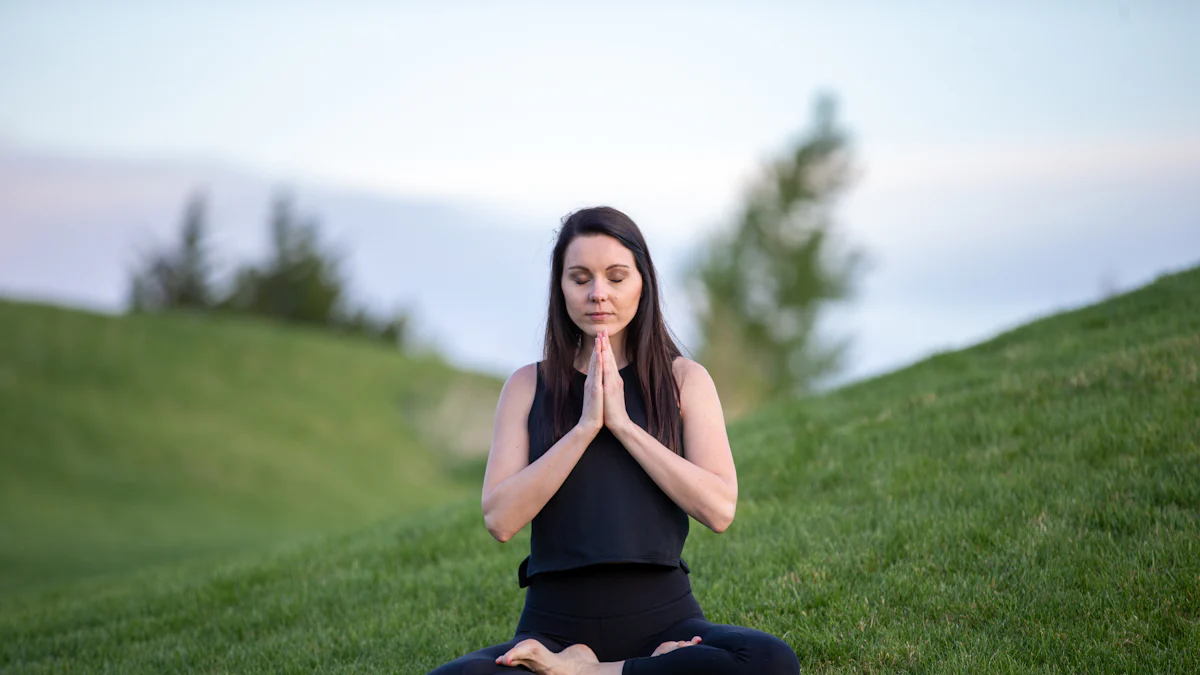
Positioning Your Legs
To begin, sit comfortably on your mat. Start by bending your right knee and bringing your right heel towards your right sitting bone. Ensure that you do not simply drag your foot into position; instead, lift it gently. This movement prepares your body for the next step.
Next, bend your left knee and place your left foot on your right thigh, with the sole facing upwards. This positioning creates the classic shape of the lotus asana yoga. Your knees should ideally rest on the ground. If they do not touch, this indicates that your hips may need more flexibility.
Aligning Your Spine
Maintaining a straight spine is crucial throughout the pose. Sit tall and engage your core muscles. This alignment supports your back and prevents any curvature. Focus on keeping your shoulders relaxed and away from your ears.
A neutral posture helps you avoid unnecessary strain. As you settle into the pose, remind yourself to breathe deeply. This practice enhances your focus and promotes relaxation.
Settling into the Pose
Once you have positioned your legs and aligned your spine, hold the pose until you feel comfortable. Allow your knees to rest gently on the ground. If you experience discomfort, do not hesitate to adjust your position.
Focus on your breath and mental clarity. Inhale deeply through your nose and exhale slowly through your mouth. This breathing technique calms your mind and enhances your meditation experience.
As you practice, remember the words of a yoga teacher:
"As a yoga teacher guiding students through Lotus Pose (Padmasana), here are some helpful tips to ensure a safe and effective practice."
This guidance emphasises the importance of listening to your body. If you feel any strain, consider transitioning to Half Lotus or Easy Pose until you develop more flexibility.
By following these steps, you will gradually master the Lotus Pose, enjoying its numerous benefits for both body and mind.
Modifications for Different Skill Levels
Beginner Modifications
Transition to Half Lotus as a less rigorous alternative
If you find the full Lotus Pose challenging, consider transitioning to Half Lotus. This modification allows you to enjoy the benefits of the lotus asana yoga without straining your knees or hips. In Half Lotus, you place one foot on the opposite thigh while keeping the other foot on the ground. This position eases tension in your hips and makes it easier to maintain comfort during your practice.
Use cushions or blocks for support
Using cushions or blocks can significantly enhance your experience in Lotus Pose. Place a cushion under your sitting bones to elevate your hips. This adjustment helps you maintain a straight spine and reduces pressure on your knees. You can also use blocks to support your knees if they do not touch the ground. These props provide stability and comfort, allowing you to focus on your breath and mental clarity.
Advanced Techniques
Deepening the pose by gradually increasing duration
As you become more comfortable in Lotus Pose, aim to deepen your practice by gradually increasing the duration you hold the pose. Start with shorter holds and slowly extend the time as your body adapts. This approach enhances your flexibility and strengthens your muscles. Listen to your body and avoid pushing yourself too hard.
Incorporate arm positions for added stability
Incorporating arm positions can further enhance your practice. Try placing your hands on your knees with palms facing up or down. This positioning helps ground you and provides added stability. You can also experiment with mudras, which are symbolic hand gestures that promote energy flow and focus.
By making these modifications and exploring advanced techniques, you can tailor your practice to suit your skill level. Embrace the journey of mastering the Lotus Pose, and remember that every step you take brings you closer to your goals.
Safety Precautions and Contraindications
Common Injuries to Avoid
Recognise signs of strain or discomfort
As you practice the Lotus Pose, pay close attention to your body. You may experience signs of strain or discomfort, particularly in your knees, hips, or ankles. If you feel any unusual sensations, stop immediately. Ignoring these signals can lead to injuries that may hinder your practice.
Many practitioners encounter knee pain in Lotus Pose. This pain often arises from a lack of mobility in the hips, which forces the knees and ankles to compensate. Therefore, ensure you develop adequate flexibility in your lower body before attempting this pose.
Know when to stop if experiencing pain
You should never push through pain. If you feel sharp or persistent pain while in the pose, it is crucial to exit the position. Continuing despite discomfort can lead to serious injuries. Always prioritise your safety and well-being over achieving the pose.
Contraindications for Specific Conditions
Be aware of health issues that may affect your ability to perform the pose
Certain health conditions may prevent you from safely practising Lotus Pose. If you have a recent or chronic injury to your knees, ankles, or hips, avoid this pose altogether. Practising with existing injuries can exacerbate your condition and lead to further complications.
*Before attempting Padmasana, ensure your lower body flexibility is well developed by practising other yoga poses. This preparation helps you avoid unnecessary strain and enhances your overall practice.*
Consult a professional if unsure about your practice
If you are unsure about your ability to perform the Lotus Pose, consult a qualified yoga instructor or healthcare professional. They can provide personalised guidance based on your individual needs and limitations. Seeking professional advice ensures you practice safely and effectively, allowing you to enjoy the benefits of yoga without risking injury.
By recognising these safety precautions and contraindications, you can create a safer and more enjoyable yoga experience. Always listen to your body and prioritise your health as you embark on your journey to mastering the Lotus Pose.
Benefits of the Lotus Pose

Physical Benefits
Enhances flexibility and strength in the hips
Practising the Lotus Pose significantly improves flexibility in your hips, knees, and ankles. This pose requires deep external rotation of the thighs, which helps loosen tight muscles and enhances joint mobility. As you engage in regular practice, you will notice increased comfort in the posture. The gentle compression of the lower abdomen also stimulates digestion and promotes overall abdominal health.
Promotes improved posture and spinal alignment
Lotus Pose encourages you to maintain a straight spine, which promotes better posture. By sitting upright, you strengthen your back and upper body. Improved spinal alignment reduces tension and discomfort in your back. Regularly practising this pose can lead to long-term benefits for your posture, making it easier to sit comfortably for extended periods.
Mental and Spiritual Benefits
Encourages meditative focus and mindfulness
Lotus Pose serves as a foundation for meditation practices. This posture calms your mind and prepares you for deep meditation. You will find that focusing on your breath while in this pose enhances your ability to concentrate. The meditative aspect nurtures inner peace and tranquillity, allowing you to reconnect with yourself amidst life's challenges.
Aids in stress relief and emotional balance
Engaging in Lotus Pose helps manage stress effectively. The controlled breathing associated with this pose activates the relaxation response in your body, calming your nervous system. You will experience a sense of emotional balance as you practise regularly. This pose not only settles your nerves but also awakens your energy, promoting a feeling of overall well-being.
Incorporate Lotus Pose into your daily yoga routine, even if just for a few minutes. With consistent practice, you will gradually notice improvements in both your physical and mental health.
Regular practice of the Lotus Pose brings numerous benefits for both body and mind. You can enhance your flexibility, improve posture, and cultivate mental clarity through consistent engagement with this pose. Explore related poses to further enrich your yoga journey. Consider incorporating Half Lotus or Easy Pose if you need a gentler approach. Always listen to your body and progress at your own pace. Remember, yoga is a personal journey, and each step you take contributes to your growth.
FAQ
What is the Lotus Pose?
The Lotus Pose, or Padmasana, is a seated posture in yoga. It involves crossing your legs and placing your feet on your thighs. This pose promotes relaxation and prepares you for meditation.
How do I know if I am ready for the Lotus Pose?
You should assess your hip flexibility and comfort level. If you can sit comfortably with your knees on the ground, you may be ready. If you feel pain or discomfort, consider practising hip-opening stretches first.
Can beginners perform the Lotus Pose?
Yes, beginners can attempt the Lotus Pose. However, you may find it challenging. Start with modifications like Half Lotus or use cushions for support. Gradually work towards the full pose as your flexibility improves.
How long should I hold the Lotus Pose?
Start by holding the pose for a few minutes. As you gain comfort and confidence, gradually increase the duration. Aim for 5 to 10 minutes, focusing on your breath and mental clarity.
What are the benefits of practising the Lotus Pose?
Practising the Lotus Pose enhances flexibility in your hips and promotes better posture. It also calms your mind, aids in stress relief, and encourages mindfulness during meditation.
Are there any risks associated with the Lotus Pose?
Yes, risks exist, especially if you have knee or hip injuries. You should avoid this pose if you experience pain or discomfort. Always listen to your body and consult a professional if unsure.
How can I improve my flexibility for the Lotus Pose?
Incorporate hip-opening stretches into your routine. Poses like Butterfly Stretch and Pigeon Pose can help. Regular practice will gradually increase your flexibility and comfort in the Lotus Pose.
What should I do if my knees do not touch the ground?
If your knees do not touch the ground, it indicates that your hips may need more flexibility. Use cushions or blocks for support. Focus on gentle stretching to improve your hip mobility over time.
Can I practise the Lotus Pose during pregnancy?
You should consult your healthcare provider before practising the Lotus Pose during pregnancy. Modifications may be necessary to ensure safety and comfort.
How does the Lotus Pose relate to meditation?
The Lotus Pose serves as a foundation for meditation. It helps you maintain a stable and comfortable position, allowing you to focus on your breath and achieve a meditative state more easily.
See Also
Achieving Perfection in the Lotus Pose Practice
Perfecting the Full Lotus Pose Technique
A Comprehensive Guide to Mastering Tree Pose

Hi my name is Lia and i am your host in this yoga journey in Portugal, Subscribe to our newsletter to receive every week the best of Yoga in Portugal.

We bring back the importance of initiation into womanhood by Roos-Veerle Krijnen & Ella-June Henrard
Welcome to the Women’s Initiation Retreat by Naked Truth Retreats, a transformative journey into the depths of your True Feminine Nature. This retreat invites you to remember the sacredness and wholeness of your being.
Roos-Veerle Krijnen & Ella-June Henrard