Step-by-Step Guide to Becoming an RYT Certified Yoga Instructor


Becoming an RYT certified yoga instructor opens doors to a rewarding career. This certification holds great importance in the yoga community. It ensures you meet high standards of teaching and practice. With over 85,000 registered yoga teachers in the U.S., the demand for qualified instructors continues to grow. As a certified instructor, you can earn an average salary of $48,294 per year. This path not only enhances your skills but also allows you to share the benefits of yoga with others. Embrace this journey and transform your passion into a fulfilling profession.
Understanding RYT Certification
Becoming a ryt certified yoga instructor involves understanding the certification process and its significance. Let's dive into what it means to hold this prestigious title and explore the different levels of certification available to you.
What is RYT Certification?
Definition and significance
RYT certification stands for Registered Yoga Teacher certification. It signifies that you have completed a yoga teacher training program that meets the standards set by the Yoga Alliance. This certification ensures that you possess the necessary skills and knowledge to teach yoga safely and effectively. As a ryt certified yoga instructor, you gain credibility and recognition in the yoga community. This certification not only enhances your teaching abilities but also opens up opportunities for personal and professional growth.
Yoga Alliance and its role
By becoming a ryt certified yoga instructor through a Yoga Alliance registered school, you align yourself with a globally recognized standard of excellence.
Levels of RYT Certification
RYT 200
The RYT 200 certification serves as the foundational level for aspiring yoga instructors. It requires you to complete a minimum of 200 hours of teacher training. This level provides you with essential skills and knowledge to teach basic yoga classes. As a ryt certified yoga instructor at this level, you can start your teaching career and gain valuable experience in the field.
RYT 500
For those seeking advanced training, the RYT 500 certification offers a deeper dive into the practice. This level requires an additional 300 hours of training beyond the RYT 200, totaling 500 hours. With this certification, you can lead workshops, conduct teacher training programs, and even open your own yoga studio. The RYT 500 designation signifies a high level of expertise and dedication to the practice.
Certified Instructors from Yoga Alliance emphasize that "A certification of RYT-500 will open the doors to unmatched opportunities for personal growth. Graduates from the RYT-500 teacher training program go on to lead their own teacher training programs, open their own studios, become yoga therapy specialists, and even teach meditation instruction."
Specialty certifications
In addition to the standard RYT certifications, you can pursue specialty certifications to enhance your teaching repertoire. These certifications focus on specific areas such as prenatal yoga, children's yoga, or yoga therapy. By obtaining a specialty certification, you can cater to diverse student needs and expand your teaching opportunities. As a ryt certified yoga instructor with specialized training, you can offer unique classes that attract a wider audience.
Embarking on the journey to become a ryt certified yoga instructor involves understanding the certification process and choosing the right path for your goals. Whether you start with the RYT 200 or aim for the RYT 500, each level brings new opportunities for growth and development. Embrace the journey and let your passion for yoga guide you toward a fulfilling career.
Preparing for Your Yoga Journey
Embarking on the path to becoming a yoga instructor is an exciting adventure. It requires introspection and dedication. Let's explore how you can prepare for this transformative journey.
Assessing Your Interest and Commitment
Before diving into yoga teacher training, take a moment to reflect on your motivations and commitment.
Personal motivations
Why do you want to become a yoga instructor? Maybe yoga has profoundly impacted your life, and you wish to share its benefits with others. Perhaps you see it as a way to deepen your practice or explore new career opportunities. Whatever your reasons, understanding your personal motivations will guide your journey. As one aspiring instructor shared, "Yoga teacher training empowered me to know and accept myself. My worldview expanded through exposure to yoga philosophy applied practically off the mat."
Time and financial investment
Becoming a certified yoga instructor requires both time and financial investment. Consider how much time you can dedicate to training and practice. Teacher training programs often require a significant commitment, sometimes spanning several weeks or months. Financially, you'll need to budget for tuition, materials, and possibly travel expenses. Planning ahead ensures you can fully immerse yourself in the experience without unnecessary stress.
Choosing the Right Yoga Style
Selecting the right yoga style is crucial for aligning your training with your personal goals and interests.
Popular yoga styles
Yoga offers a variety of styles, each with its unique focus and benefits. Some popular styles include:
Hatha Yoga: A gentle introduction to basic yoga postures.
Vinyasa Yoga: A dynamic flow that links breath with movement.
Ashtanga Yoga: A rigorous style following a specific sequence of postures.
Iyengar Yoga: Emphasizes precision and alignment, often using props.
Bikram Yoga: Practiced in a heated room, following a set sequence of 26 poses.
Exploring different styles helps you find the one that resonates with you.
Aligning style with personal goals
Consider how each style aligns with your personal goals. Do you want to focus on physical fitness, mental clarity, or spiritual growth? Maybe you're interested in teaching a specific demographic, like children or seniors. Aligning your chosen style with your goals ensures a fulfilling and rewarding teaching experience. One trainee expressed, "The Alchemy program is designed to help you acquire the knowledge needed not just to teach yoga, but to really live yoga."
Preparing for your yoga journey involves thoughtful reflection and informed choices. By assessing your motivations and selecting the right style, you set the foundation for a successful and enriching experience. Embrace this opportunity to grow and evolve, both as a practitioner and a future instructor.
Selecting a Yoga Teacher Training Program
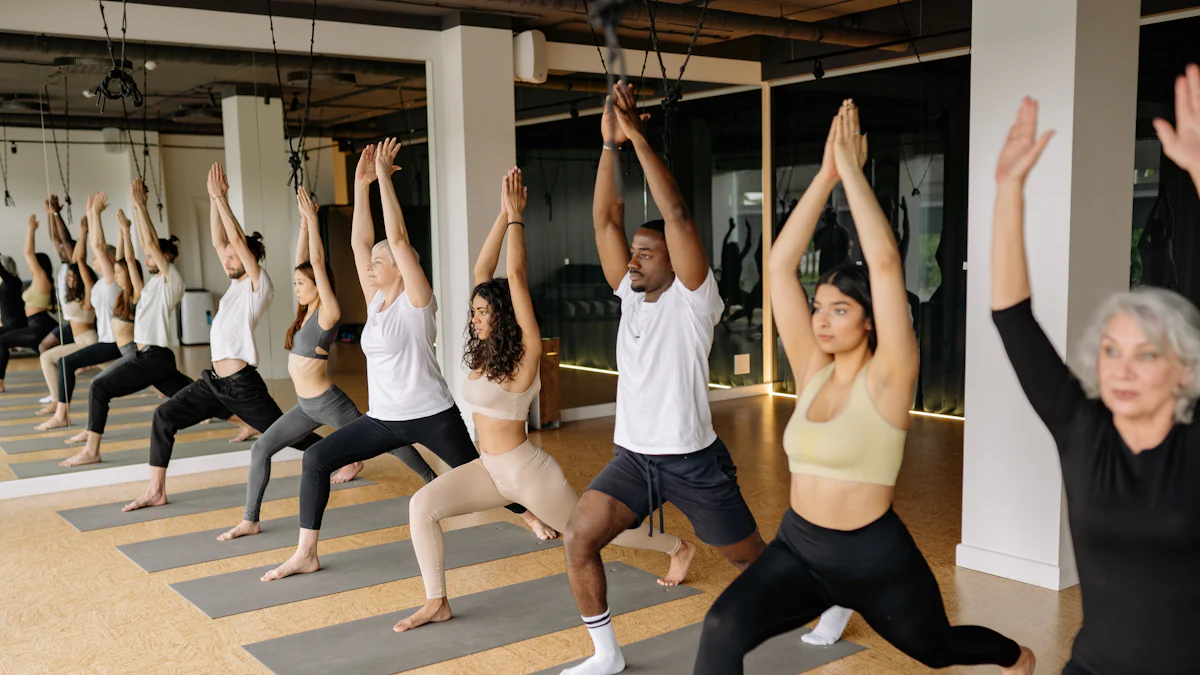
Choosing the right yoga teacher training program is a crucial step in your journey to becoming a certified instructor. This decision will shape your teaching style and influence your future career. Let's explore how to find the best program for you.
Researching Accredited Programs
When selecting a yoga teacher training program, accreditation should be at the top of your list. Accreditation ensures that the program meets the standards set by the Yoga Alliance, a globally recognized organization. By choosing an accredited program, you align yourself with a standard of excellence that enhances your credibility as a yoga instructor.
Importance of accreditation
Accreditation guarantees that the program covers essential topics such as anatomy, philosophy, and teaching methodology. It also ensures that the instructors are qualified and experienced. An accredited program provides you with a comprehensive education that prepares you to teach yoga safely and effectively. As one program highlights, "Our yoga teacher training not only emphasizes the practice and teaching of yoga asanas but also views yoga as a profound path of healing and spiritual awakening."
Factors to consider
When researching programs, consider factors such as location, cost, and duration. Some programs offer intensive courses that last a few weeks, while others spread the training over several months. Think about what fits best with your schedule and lifestyle. Additionally, look into the program's reputation and read reviews from past students. A well-regarded program can provide valuable networking opportunities and support as you begin your teaching career.
Evaluating Program Curriculum
The curriculum of a yoga teacher training program is another critical aspect to consider. A well-rounded curriculum will equip you with the knowledge and skills needed to become a successful instructor.
Core subjects covered
A comprehensive program should cover core subjects like yoga philosophy, anatomy, and teaching techniques. These subjects form the foundation of your teaching practice. For example, a 200-hour Yoga Instructor Training course is designed to provide you with the knowledge, skills, and confidence to teach yoga authentically and safely. This foundational training is just the beginning of your lifelong journey with yoga.
Teaching methodology
Understanding the teaching methodology of a program is essential. Look for programs that offer a balance between theory and practice. Practical experience, such as observing and assisting classes, is invaluable. It allows you to apply what you've learned in a real-world setting. As one program describes, "We provide an outstanding program of yoga techniques and practices that go beyond the basic requirements of the Yoga Alliance, offering you a deeply enriching training experience."
Selecting the right yoga teacher training program requires careful consideration and research. By focusing on accreditation, curriculum, and teaching methodology, you can find a program that aligns with your goals and sets you on the path to becoming a successful yoga instructor. Embrace this opportunity to deepen your practice and share the transformative power of yoga with others.
Completing Your Training

Completing your yoga teacher training is an exciting milestone. This phase involves gaining practical experience and meeting certification requirements. Let's explore how you can successfully navigate this crucial stage.
Engaging in Practical Experience
Practical experience is a vital component of your training. It allows you to apply what you've learned in a real-world setting.
Practicum requirements
During your training, you'll engage in a practicum. This hands-on experience involves teaching yoga classes under the supervision of experienced instructors. You'll practice designing class sequences, giving instructions, and adjusting students' postures. This experience builds your confidence and prepares you for leading your own classes.
Observing and assisting classes
Observing and assisting classes offer valuable insights into teaching dynamics. You'll watch seasoned instructors in action, learning how they manage class flow and address students' needs. Assisting in classes gives you the chance to interact with students and refine your teaching techniques. This exposure helps you develop your unique teaching style.
Meeting Certification Requirements
To become a certified yoga instructor, you must meet specific certification requirements. These ensure you possess the necessary skills and knowledge to teach yoga effectively.
Examination and assessments
Certification involves passing examinations and assessments. These tests evaluate your understanding of yoga philosophy, anatomy, and teaching methodology. You'll demonstrate your ability to lead a class and apply your knowledge in practical scenarios. Preparing for these assessments requires dedication and practice, but they are essential for your growth as an instructor.
Continuing education
Continuing education is crucial for maintaining your certification and staying updated with the latest developments in yoga. Many programs offer workshops and advanced courses to deepen your knowledge and skills. Engaging in ongoing learning ensures you remain a competent and effective instructor. As you continue your education, you'll discover new techniques and approaches that enhance your teaching.
Completing your training is a rewarding journey that equips you with the tools needed to become a successful yoga instructor. By engaging in practical experience and meeting certification requirements, you lay a strong foundation for your teaching career. Embrace this opportunity to grow and evolve, both as a practitioner and a guide for others on their yoga journey.
Registering with Yoga Alliance
Becoming a Registered Yoga Teacher (RYT) with Yoga Alliance is a significant step in your yoga teaching journey. This registration not only enhances your credibility but also connects you with a global community of yoga professionals.
Application Process
To register with Yoga Alliance, you need to follow a straightforward application process. Here's what you need to know:
Required documentation
First, gather all necessary documents. You must provide proof of completing a teacher training program from a Yoga Alliance-registered school. This includes a certificate that verifies your training hours and the curriculum you followed. Ensure your documents are clear and accurate to avoid any delays in the process.
Application fees
Next, prepare for the application fees. Yoga Alliance charges a fee for processing your registration. This fee supports the organization's efforts to maintain high standards in yoga education. Check the Yoga Alliance website for the most current fee structure. Paying this fee is an investment in your professional development and recognition.
Maintaining Your Certification
Once you become a registered yoga teacher, maintaining your certification is crucial. It ensures you stay updated with the latest practices and continue to grow as an instructor.
Renewal process
Yoga Alliance requires you to renew your registration periodically. This involves submitting proof of continuing education and paying a renewal fee. The renewal process keeps your teaching skills sharp and aligns you with the evolving standards of the yoga community. Mark your calendar to avoid missing renewal deadlines.
Ongoing professional development
Continuing education is key to your growth as a yoga instructor. Engage in workshops, advanced courses, and seminars to expand your knowledge and skills. Yoga Alliance encourages ongoing learning to help you stay informed about new techniques and trends. This commitment to professional development enriches your teaching and benefits your students.
Registering with Yoga Alliance solidifies your status as a qualified yoga instructor. By following the application process and maintaining your certification, you ensure a successful and fulfilling career in yoga instruction. Embrace this opportunity to connect with a vibrant community and continue your journey of growth and learning.
Becoming an RYT certified yoga instructor involves several key steps. You start by understanding the certification levels, then choose a suitable training program, and finally register with Yoga Alliance. This journey requires dedication and passion. As you embark on this path, remember that yoga is more than just poses. It's about living authentically and sharing that with others.
"The Alchemy Yoga program is designed to help you acquire the knowledge needed not just to teach yoga, but to really live yoga."
Explore additional resources and connect with support networks to enrich your teaching experience. Embrace this opportunity to inspire and transform lives through yoga.
See Also
Comprehensive Manual for Earning RYT Yoga Instructor Certification
Insight into RYT Yoga Certification Criteria
Tips for Instructing Yoga to Children: A Detailed Approach

Hi my name is Lia and i am your host in this yoga journey in Portugal, Subscribe to our newsletter to receive every week the best of Yoga in Portugal.

We bring back the importance of initiation into womanhood by Roos-Veerle Krijnen & Ella-June Henrard
Welcome to the Women’s Initiation Retreat by Naked Truth Retreats, a transformative journey into the depths of your True Feminine Nature. This retreat invites you to remember the sacredness and wholeness of your being.
Roos-Veerle Krijnen & Ella-June Henrard