Step by Step Guide to Lotus Pose Yoga

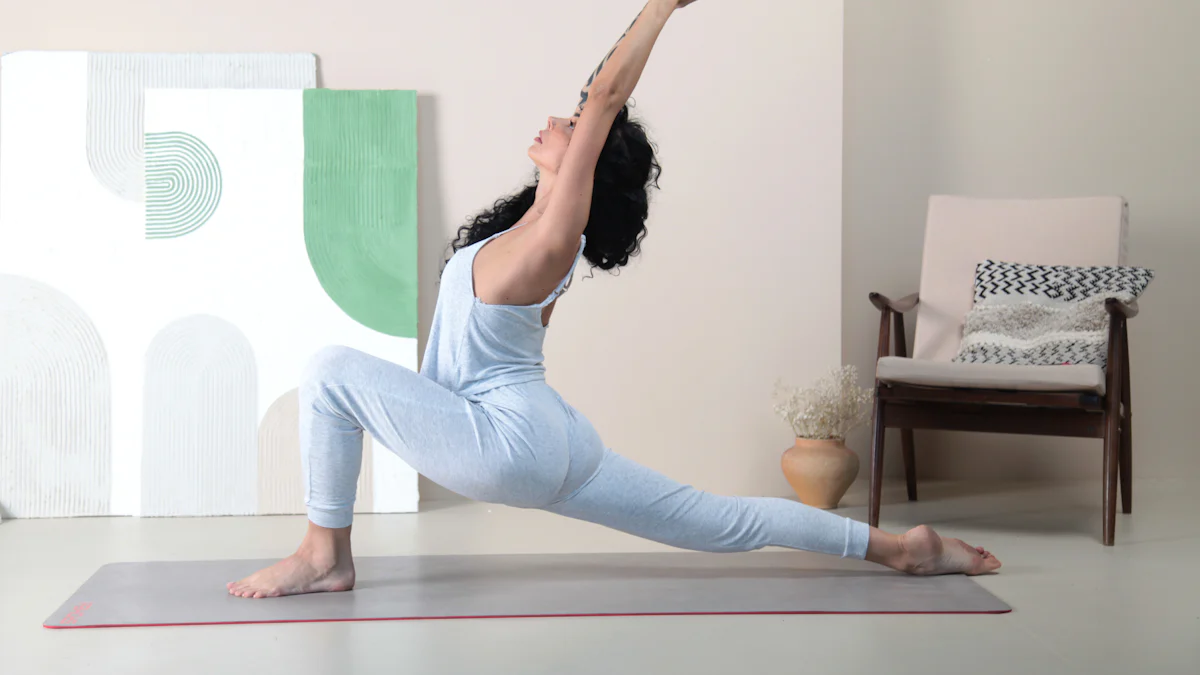
The Lotus Pose, or Padmasana, offers a serene foundation for meditation. To perform this pose correctly, you must focus on your technique and alignment. Proper posture not only enhances your practice but also prevents discomfort. Mindfulness plays a crucial role in yoga, allowing you to connect with your body and breath. As you engage in Lotus Pose yoga, embrace the stillness and cultivate awareness within yourself.
Key Takeaways
Lotus Pose (Padmasana) is an excellent foundation for meditation, promoting mindfulness and inner peace.
Proper preparation and warm-up are essential; consider poses like Butterfly Pose to enhance flexibility before attempting Lotus Pose.
Always listen to your body; slight discomfort is normal, but sharp pain indicates a need to adjust or exit the pose.
Utilise modifications such as using a cushion or crossing your legs to make the pose more accessible, especially for beginners.
Regular practice of Lotus Pose can improve flexibility, posture, and overall well-being, making it easier to engage in other yoga poses.
Be aware of common mistakes, such as incorrect foot placement and poor posture, to avoid discomfort and injury.
Embrace the journey of yoga; take your time with the pose and enjoy the process of connecting with your body and breath.
How to Perform the Lotus Pose Yoga
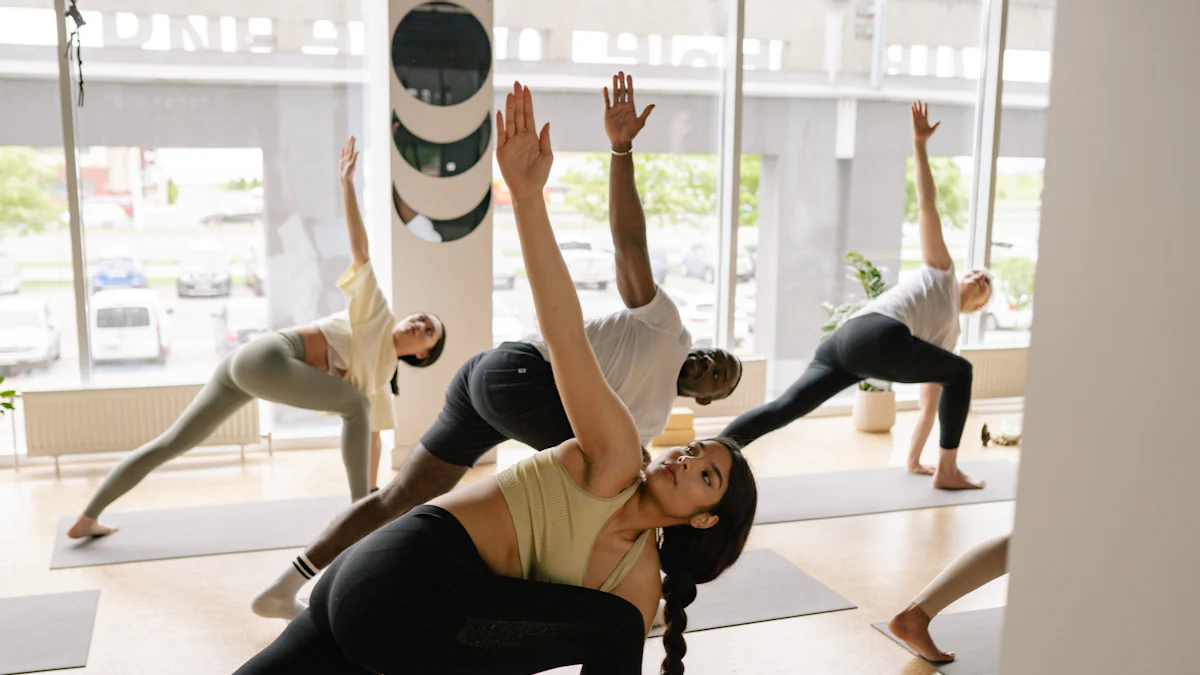
Preparing for the Pose
Before you attempt the Lotus Pose, ensure you prepare your body adequately. Start by sitting on a yoga mat or a comfortable surface. Keep your legs extended in front of you. Sit up tall with your spine straight. This position helps you maintain balance and stability throughout the pose.
Consider warming up your hips and legs with gentle stretches. Poses like Butterfly Pose or Seated Forward Bend can help increase flexibility. If you experience tightness in your hips, use a blanket or cushion under your sit bones for added support. This adjustment can make the pose more accessible.
Step-by-Step Instructions
Begin in a Seated Position: Sit comfortably with your legs extended in front of you. Keep your back straight and shoulders relaxed.
Bend Your Right Knee: Bring your right foot towards your left thigh. Ensure you rotate your leg externally from the hip.
Position Your Right Foot: Place your right foot on your left thigh, with the sole facing upwards. Your knee should ideally rest on the ground.
Repeat with the Left Leg: Bend your left knee and bring your left foot to your right thigh. Again, rotate your leg externally from the hip.
Adjust Your Posture: Ensure both knees touch the ground. If they do not, use a cushion for support. Maintain an upright spine throughout the pose.
Place Your Hands: Rest your hands on your knees, palms facing upwards or downwards. This position helps you centre your energy.
Focus on Your Breath: Close your eyes and take deep, calming breaths. Allow your body to relax into the pose.
Expert Testimony: “Slight discomfort is normal but only perform this posture as long as it feels restful. The body and breathing should remain relaxed the entire time, and there should be no pain or tingling when you practice Lotus Pose,” says Jenna, a yoga instructor.
Exiting the Pose Safely
To exit the Lotus Pose, reverse the steps you took to enter. Start by gently placing your hands on the ground beside you. Slowly lift your right foot off your left thigh, followed by your left foot. Extend your legs in front of you and shake them out to release any tension.
Take a moment to sit quietly and observe how your body feels after the pose. This reflection helps you integrate the benefits of the Lotus Pose into your practice.
Practising Lotus Pose yoga can enhance your meditation experience. Remember to listen to your body and adjust as needed.
Modifications for Different Skill Levels
Modifications for Beginners
If you find the traditional Lotus Pose challenging, consider trying a modified version. This adjustment allows you to experience the benefits of lotus pose yoga without straining your body. Here are some helpful modifications:
Use a Blanket or Cushion: Place a blanket or cushion under your sit bones. This support elevates your hips and makes it easier to keep your spine straight.
Cross Your Legs: Instead of placing your feet on your thighs, simply cross your legs at the ankles. This position still promotes relaxation and mindfulness.
Keep One Leg Extended: If bending both knees feels uncomfortable, extend one leg while bending the other. This variation helps you ease into the pose gradually.
Practice with Support: Sit against a wall for added stability. This support allows you to focus on your breath and alignment without worrying about balance.
These modifications create a harmonious blend of physical and mental benefits. They provide a gateway to enhanced mindfulness and well-being, making lotus pose yoga accessible to practitioners of all levels.
Advanced Variations
Once you master the traditional Lotus Pose, you can explore advanced variations to deepen your practice. These options challenge your flexibility and strength while maintaining the essence of the pose. Consider these advanced variations:
Bound Lotus Pose (Baddha Padmasana): In this variation, you bind your hands behind your back. This position opens your chest and shoulders, enhancing your posture.
Forward Bend in Lotus (Padmasana Paschimottanasana): From the Lotus Pose, gently lean forward, reaching your hands towards your feet. This stretch increases flexibility in your spine and hamstrings.
Lotus with a Twist: While seated in Lotus Pose, place your right hand on your left knee and twist your torso to the left. This movement improves spinal mobility and stimulates digestion.
Lotus Pose with Arm Variations: Experiment with different arm positions, such as raising your arms overhead or placing them in front of your heart. These variations can enhance your energy flow and focus.
As you explore these advanced options, remember to listen to your body. Each variation offers unique benefits, so choose what feels right for you.
Benefits of the Lotus Pose Yoga
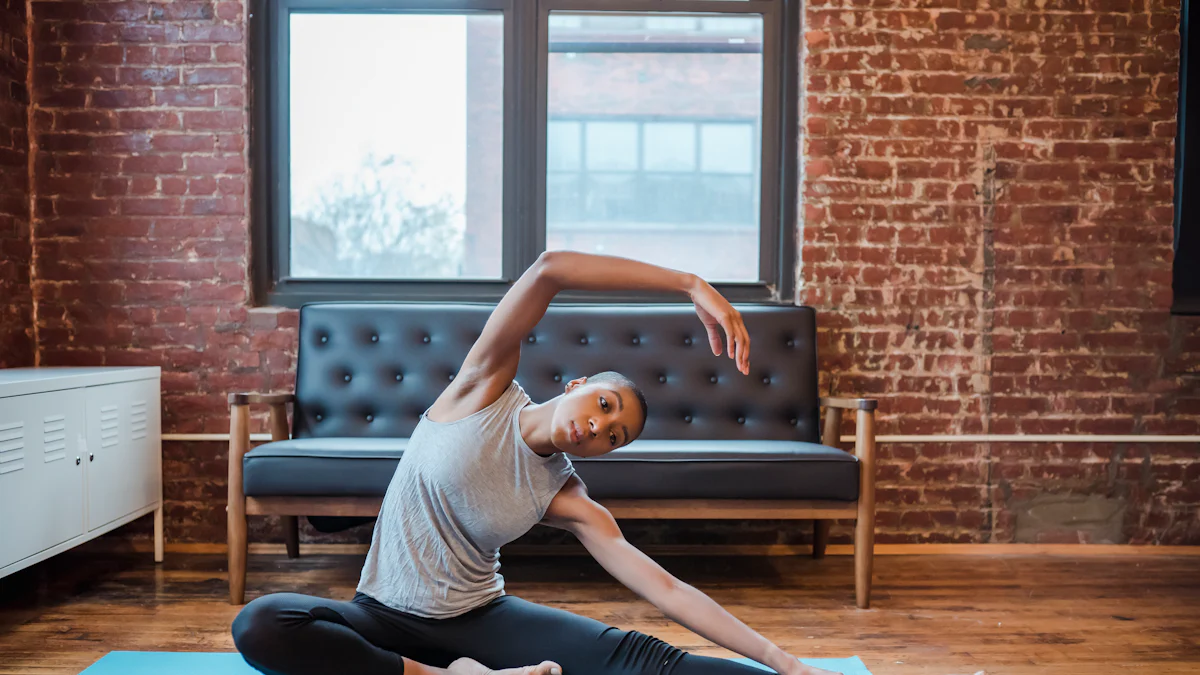
Physical Benefits
Practising the Lotus Pose yoga offers numerous physical advantages. This pose stretches your ankles and opens your hips, promoting flexibility. You will notice a reduction in muscular tension in your legs. Increased blood flow relaxes your entire body, creating a deep meditative experience.
The pose strengthens your upper back and spine, enhancing your posture. As you sit in this position, you engage your core muscles, which helps improve stability. Regular practice can lead to greater flexibility, making it easier to perform other yoga poses.
Scientific Research Findings highlight that the Lotus Pose creates a foundation for meditation practices. It activates the relaxation response in your body, helping to manage stress effectively. When you perform this pose in a relaxed manner, you deactivate the stress response, allowing your body to find balance.
Mental and Emotional Benefits
The mental and emotional benefits of Lotus Pose yoga are equally significant. This pose calms your mind and body, making it an ideal choice for meditation. As you focus on your breath, you cultivate mindfulness, which enhances your overall well-being.
Improved concentration is another key benefit. Research shows that practising Padmasana enhances your brain functioning, preparing you for more complex variations of the pose. You will find that your ability to focus increases, allowing you to engage more fully in your daily activities.
Moreover, the Lotus Pose encourages a sense of inner peace. By calming your mind, you create space for positive thoughts and emotions. This practice helps you manage anxiety and stress, fostering emotional resilience.
Safety Precautions for Lotus Pose Yoga
Common Mistakes to Avoid
Practising the Lotus Pose yoga requires attention to detail. Many beginners make common mistakes that can lead to discomfort or injury. Here are some pitfalls to watch out for:
Neglecting Flexibility: Attempting the Lotus Pose without adequate flexibility in your hips, knees, and ankles can cause strain. Ensure you develop lower body flexibility through other yoga poses before trying Padmasana.
Incorrect Foot Placement: Placing your feet incorrectly can lead to knee stress. Your feet should rest comfortably on your thighs, with the soles facing upwards. Avoid forcing your legs into position.
Poor Posture: Slouching or leaning forward compromises your alignment. Maintain an upright spine throughout the pose. This posture supports your balance and enhances your breathing.
Ignoring Discomfort: Feeling slight discomfort is normal, but sharp pain signals a need to adjust or exit the pose. Always listen to your body and modify as necessary.
Rushing the Process: Yoga is about mindfulness and patience. Take your time entering and exiting the pose. Rushing can lead to injuries.
When to Avoid the Pose
Certain conditions may prevent you from safely practising the Lotus Pose. Recognising these limitations is crucial for your safety. Avoid this pose if you experience:
Recent Injuries: If you have sustained injuries to your hips, knees, or ankles, refrain from attempting the Lotus Pose. Healing takes precedence over practice.
Chronic Pain: Individuals with chronic knee pain or hip injuries should avoid this pose. The pressure on these areas can exacerbate discomfort.
Limited Flexibility: If your hips are tight, the Lotus Pose may not be suitable. Stress can shift to your knees, increasing the risk of injury. Consider alternative poses like Downward Dog to maintain your practice.
Sciatic Nerve Pain: This condition can make the Lotus Pose particularly challenging. If you experience sciatic pain, opt for gentler poses that do not strain your lower back.
By being aware of these common mistakes and knowing when to avoid the pose, you can practise Lotus Pose yoga safely and effectively. Always prioritise your well-being and adapt your practice to suit your body's needs.
In summary, you can perform the Lotus Pose by following these key steps:
Sit with your legs extended.
Bend one knee and place your foot on the opposite thigh.
Repeat with the other leg.
Maintain an upright spine and focus on your breath.
Always remember the importance of modifications and safety. Adjust the pose to suit your body’s needs. Practise mindfully, listen to your body, and embrace the journey of yoga. Your well-being comes first, so take your time and enjoy the process.
FAQ
What are the prerequisites for practising Lotus Pose?
Before you attempt Padmasana, ensure you develop flexibility in your lower body. Focus on other yoga poses that enhance hip and leg flexibility. This preparation helps you avoid strain during the pose.
What should be done before attempting Lotus Pose?
Lotus Pose requires you to open your hips. Warm up with accessible seated poses. Consider using poses like Butterfly Pose or Seated Forward Bend to prepare your body effectively.
What are the benefits of Modified Lotus Pose?
Modified Lotus Pose provides a blend of physical and mental benefits. This variation makes the pose accessible to practitioners of all levels. You can still experience relaxation and mindfulness without straining your body.
How long should I hold the Lotus Pose?
Aim to hold the Lotus Pose for 5 to 10 minutes. Listen to your body. If you feel discomfort, exit the pose sooner. Gradually increase your time as you become more comfortable.
Can anyone practise Lotus Pose?
While many can practise Lotus Pose, some individuals should avoid it. If you have knee or hip injuries, consult a healthcare professional before attempting this pose. Always prioritise your safety.
Is it normal to feel discomfort in Lotus Pose?
Feeling slight discomfort is common, especially if you are new to the pose. However, sharp pain indicates a need to adjust your position or exit the pose. Always listen to your body.
How can I improve my flexibility for Lotus Pose?
To enhance your flexibility, incorporate regular stretching into your routine. Focus on hip openers and leg stretches. Poses like Pigeon Pose and Lizard Pose can significantly improve your range of motion.
What should I do if my knees do not touch the ground?
If your knees do not touch the ground, use a blanket or cushion for support. This adjustment helps you maintain proper alignment while ensuring comfort during the pose.
Can I practise Lotus Pose during pregnancy?
Pregnant individuals should consult their healthcare provider before practising Lotus Pose. The pose may not be suitable during certain stages of pregnancy due to changes in body alignment and flexibility.
How does Lotus Pose benefit my meditation practice?
Lotus Pose creates a stable foundation for meditation. It helps calm your mind and encourages deep breathing. Practising this pose regularly can enhance your focus and overall meditation experience.
See Also
Achieving Proficiency in the Lotus Pose for Yoga
Perfecting the Full Lotus Pose in Your Practice
A Comprehensive Guide to Mastering Tree Pose

Hi my name is Lia and i am your host in this yoga journey in Portugal, Subscribe to our newsletter to receive every week the best of Yoga in Portugal.

We bring back the importance of initiation into womanhood by Roos-Veerle Krijnen & Ella-June Henrard
Welcome to the Women’s Initiation Retreat by Naked Truth Retreats, a transformative journey into the depths of your True Feminine Nature. This retreat invites you to remember the sacredness and wholeness of your being.
Roos-Veerle Krijnen & Ella-June Henrard