Step by Step Guide to Bird of Paradise Yoga Pose

The Bird of Paradise pose, or Svarga Dvijasana, challenges you to blend balance, flexibility, and strength. To perform this pose, begin by folding forward and binding your hands behind one leg while keeping a strong foundation in your standing leg. As you lift your leg off the ground, maintain a long spine and a bent knee. Mastering this pose enhances your overall yoga practice, improving your balance and flexibility. Regular practice of paradise bird yoga can lead to significant physical and mental benefits.
Key Takeaways
Mastering the Bird of Paradise pose enhances your balance, flexibility, and strength, contributing to a more rewarding yoga practice.
Regular practice of this pose not only improves physical well-being but also cultivates mental focus and emotional resilience.
Incorporate warm-up poses like Downward-Facing Dog and Triangle Pose to prepare your body for the Bird of Paradise pose.
Engage your core to maintain stability and control as you lift your leg and find your balance in the pose.
Use modifications, such as a strap for binding or keeping your lifted leg bent, to make the pose more accessible as you build confidence.
Explore advanced variations, like adding a twist or extending your arms overhead, to deepen your practice once you feel comfortable.
Remember, patience and regular practice are key; each attempt brings you closer to mastering the Bird of Paradise pose.
Benefits of Bird of Paradise Yoga Pose
Physical Benefits
Practising the Bird of Paradise pose significantly enhances your physical well-being. This pose improves balance, which is crucial for stability in various yoga practices. You strengthen your lower body and core muscles, leading to better posture. The pose also stretches your hamstrings, hips, and shoulders, promoting flexibility. Regular practice of this pose can enhance your performance in other standing poses, making your overall yoga experience more rewarding.
Mental Benefits
Engaging in Bird of Paradise yoga cultivates mental focus and concentration. As you balance on one leg, you train your mind to stay present. This mindfulness practice reduces stress and anxiety, allowing you to find calmness amidst chaos. The challenge of maintaining balance encourages you to develop resilience and determination. Over time, you may notice improved clarity and mental sharpness, benefiting both your yoga practice and daily life.
Emotional Benefits
The Bird of Paradise pose offers emotional benefits that contribute to overall well-being. As you master this pose, you build confidence in your abilities. This newfound confidence can translate into other areas of your life, empowering you to face challenges head-on. Additionally, the pose encourages self-acceptance and patience. You learn to appreciate your progress, fostering a positive mindset. Embracing the journey of mastering paradise bird yoga can lead to greater emotional stability and happiness.
Step-by-Step Guide to Performing Bird of Paradise Yoga
Preparing Your Body
Warm-Up Poses
Before attempting the Bird of Paradise pose, warm up your body. Start with gentle stretches to prepare your muscles. Consider these effective warm-up poses:
Downward-Facing Dog: This pose stretches your hamstrings and calves while strengthening your arms and shoulders.
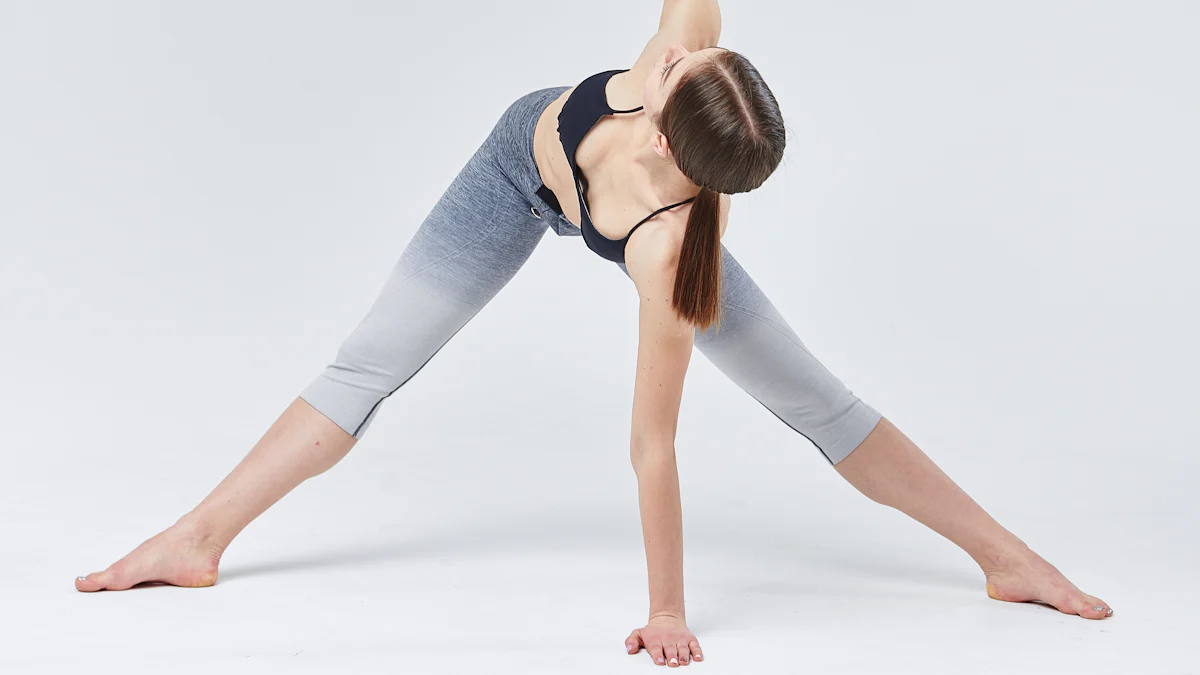
Triangle Pose (Trikonasana): This pose opens your hips and improves your balance, essential for the Bird of Paradise.
Wide-Legged Forward Bend: This pose enhances flexibility in your legs and back, preparing you for the forward fold required in the Bird of Paradise.
Incorporating these poses into your routine helps you ease into the Bird of Paradise pose with greater comfort.
Importance of Flexibility
Flexibility plays a crucial role in mastering the Bird of Paradise pose. As you progress, focus on increasing your flexibility in the hips, hamstrings, and shoulders. Regular practice of stretches can help you achieve this.
Consider incorporating the following stretches into your routine:
Seated Forward Bend: This stretch targets your hamstrings and lower back.
Pigeon Pose: This pose opens your hips, allowing for greater range of motion.
Shoulder Stretch: This stretch helps improve shoulder flexibility, which is vital for binding your hands in the pose.
Improving your flexibility not only aids in performing the Bird of Paradise but also enhances your overall yoga practice.
Step 1: Starting Position
Begin by standing tall with your feet hip-width apart. Ground your standing leg firmly into the mat. Shift your weight onto this leg. Bend the opposite knee and lift that leg off the ground.
Fold forward at your hips, bringing your torso towards the floor. Reach down and bind your hands behind the lifted leg. Ensure your spine remains long and your gaze stays forward. This position sets the foundation for the Bird of Paradise pose.
Step 2: Engaging the Core
Engaging your core is essential for maintaining balance in the Bird of Paradise pose. Draw your navel towards your spine. This action stabilises your torso and supports your lower back.
Focus on your breath as you engage your core. Inhale deeply, filling your lungs. Exhale slowly, feeling your abdominal muscles tighten. This connection between breath and core engagement enhances your stability and control as you progress into the pose.
Step 3: Lifting the Leg
Now, focus on lifting your leg. Keep your standing leg strong and stable. Gradually extend the bent leg upwards. Aim to straighten it as much as your flexibility allows. Maintain a long spine throughout this movement. Your gaze should remain forward, helping you balance.
If you find it challenging to lift your leg, do not worry. You can start by keeping your knee bent. As you gain strength and flexibility, work towards extending your leg fully. This gradual progression is essential in paradise bird yoga.
Step 4: Finding Balance
Finding balance is crucial in the Bird of Paradise pose. Shift your weight into your standing leg. Engage your core muscles to stabilise your torso. Focus on a fixed point in front of you. This point serves as your anchor, helping you maintain your balance.
If you wobble, do not panic. Take a deep breath and refocus. You can always lower your leg slightly or bend your knee to regain stability. Remember, balance improves with practice. Each attempt brings you closer to mastering the pose.
Step 5: Reaching the Arm
Once you feel balanced, it is time to reach your arm. Extend your upper arm behind your back. Aim to clasp your hands together. If you cannot reach, use a strap to assist you. This modification allows you to work towards the full expression of the pose.
As you reach, keep your shoulders relaxed. Avoid hunching them up towards your ears. Maintain a long neck and open chest. This alignment enhances your posture and deepens your stretch. Breathe deeply as you hold the pose, allowing your body to relax into the stretch.
Step 6: Holding the Pose
Once you achieve balance, focus on holding the Bird of Paradise pose. Maintain your breath as you settle into the position. Inhale deeply through your nose, allowing your chest to expand. Exhale slowly, feeling your body relax into the stretch. Aim to hold the pose for five to ten breaths. This duration allows you to deepen your connection with the pose.
While holding, keep your gaze fixed on a point in front of you. This practice enhances your concentration and stability. If you feel any discomfort, adjust your position slightly. You can bend your knee or lower your leg if necessary. Remember, the goal is not perfection but progress. Each breath helps you build strength and confidence in paradise bird yoga.
Step 7: Releasing the Pose
To release the Bird of Paradise pose, gently lower your leg back to the ground. Unbind your hands and return to the starting position. Stand tall for a moment, feeling the effects of the pose. Take a few deep breaths to centre yourself.
After a brief pause, switch sides. Repeat the steps on the opposite leg. This practice ensures balanced strength and flexibility in both sides of your body. Always listen to your body. If you experience fatigue, take a break before continuing. Regular practice will enhance your ability to perform the Bird of Paradise pose with ease.
Modifications and Preparatory Poses for Paradise Bird Yoga
Modifications for Beginners
If you are new to the Bird of Paradise pose, consider these modifications to make the practice more accessible. Use a strap to assist with binding your hands. This tool helps you maintain the connection without straining your shoulders.
You can also keep your lifted leg bent instead of straightening it. This adjustment allows you to focus on balance and core engagement without overwhelming yourself. Gradually work towards extending your leg as your strength and flexibility improve.
Remember, the goal is to build confidence in your practice. Each small step you take brings you closer to mastering the pose.
Advanced Variations
Once you feel comfortable with the basic Bird of Paradise pose, explore advanced variations to deepen your practice. One option involves adding a twist. After lifting your leg, rotate your torso towards the standing leg. This twist enhances the stretch in your spine and opens your hips further.
Another variation includes extending your arms overhead instead of binding them behind your back. This adjustment challenges your balance and engages your core muscles more intensely.
Expert Testimony:
Anahata, a yoga practitioner, states, “As a balancing pose, Bird of Paradise strengthens the standing foot, ankle, knee and thigh and improves focus, balance and concentration.”
These variations not only enhance your physical strength but also elevate your mental focus.
Recommended Preparatory Poses
Before attempting the Bird of Paradise pose, incorporate these preparatory poses into your routine. They build the necessary strength and flexibility.
Triangle Pose (Trikonasana): This pose opens your hips and strengthens your legs, preparing you for the balance required in Bird of Paradise.
Pigeon Pose: This pose targets hip flexibility, essential for lifting your leg comfortably.
Wide-Legged Forward Bend: This pose stretches your hamstrings and back, easing you into the forward fold needed for the Bird of Paradise.
Practising these preparatory poses regularly will enhance your overall yoga experience. You will find that they contribute significantly to your ability to perform the Bird of Paradise pose with ease.
In summary, you can master the Bird of Paradise pose by following these key steps:
Prepare your body with warm-up poses.
Engage your core for stability.
Lift your leg while maintaining a long spine.
Find your balance by focusing on a fixed point.
Reach your arm behind your back to bind.
Hold the pose for several breaths.
Release gently and switch sides.
Practice regularly and be patient with your progress. As you develop balance, strength, and flexibility, you will find this pose more accessible. Remember, “Practice makes perfect.” Always listen to your body and enjoy the journey.
See Also
A Comprehensive Guide To Perfecting Tree Pose
Your Ultimate Guide To Mastering Cobra Pose
Step-By-Step Instructions For Achieving Balasana

Hi my name is Lia and i am your host in this yoga journey in Portugal, Subscribe to our newsletter to receive every week the best of Yoga in Portugal.

We bring back the importance of initiation into womanhood by Roos-Veerle Krijnen & Ella-June Henrard
Welcome to the Women’s Initiation Retreat by Naked Truth Retreats, a transformative journey into the depths of your True Feminine Nature. This retreat invites you to remember the sacredness and wholeness of your being.
Roos-Veerle Krijnen & Ella-June Henrard