Starting Yoga at Home: A Step-by-Step Guide

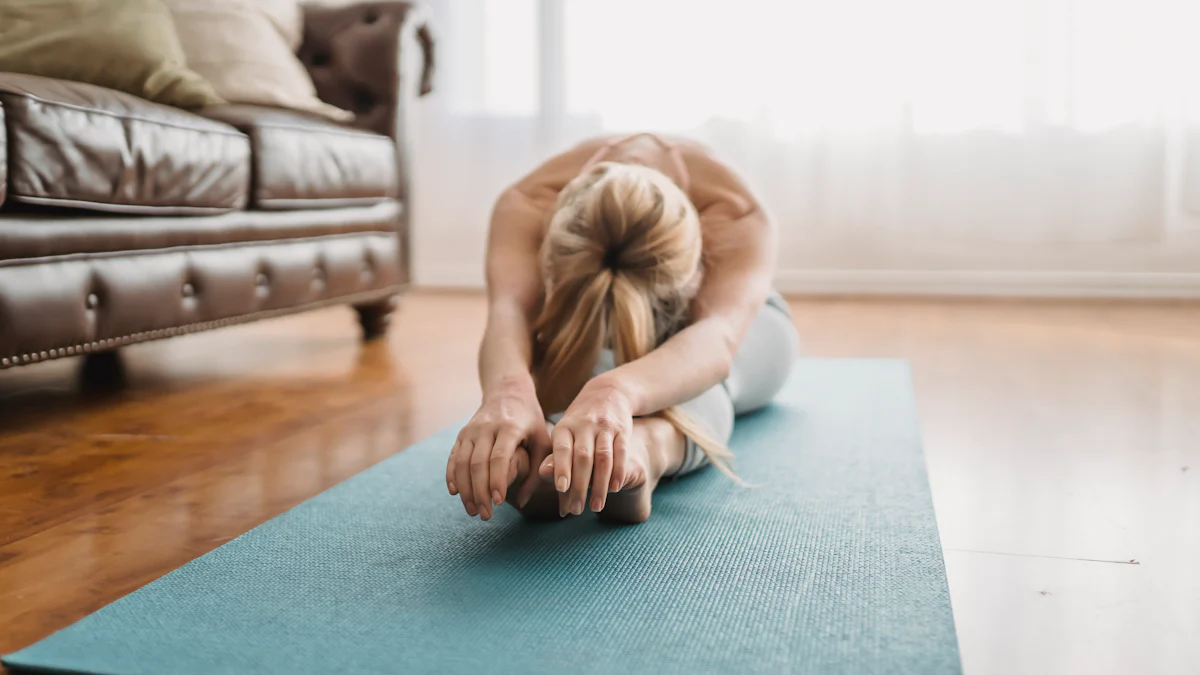
Yoga offers incredible benefits for both your body and mind. It can help you reduce stress, improve flexibility, and boost overall wellness. In fact, 94% of people in the U.S. practice yoga for wellness reasons. Practicing yoga at home provides a unique opportunity to create a personal sanctuary. You can enjoy the convenience and comfort of your own space. Plus, you can tailor your practice to fit your schedule and needs. So, why not start your yoga journey today? Embrace the chance to enhance your well-being right from your living room.
Preparing for Yoga at Home
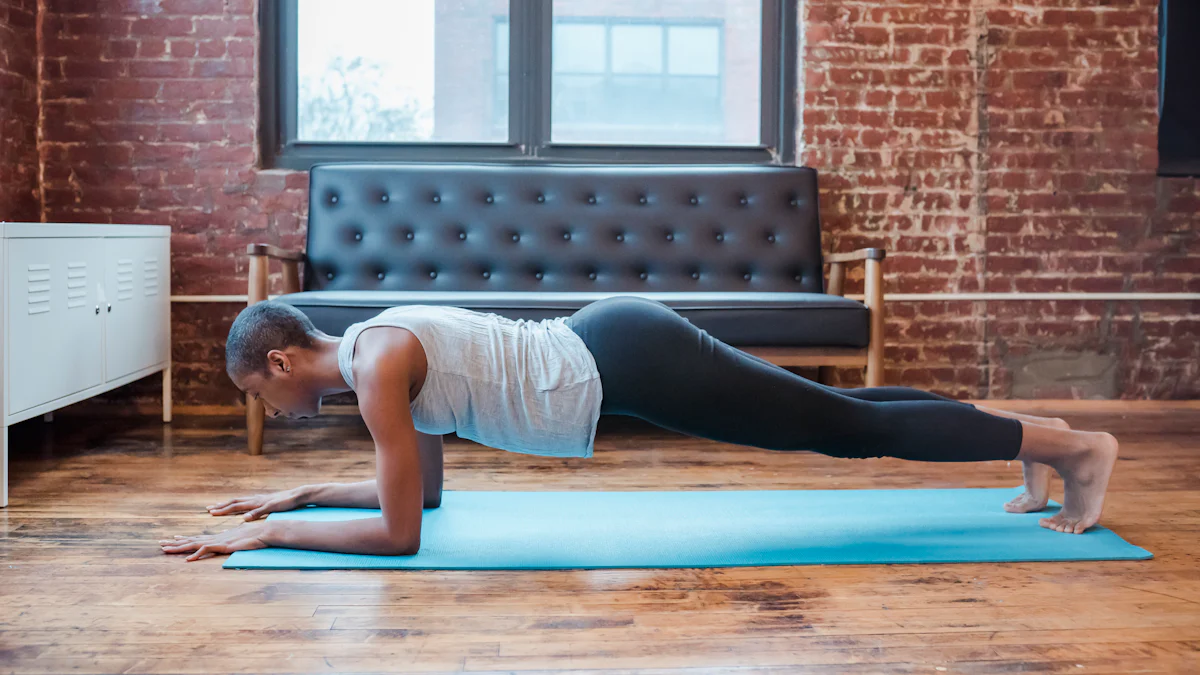
Starting yoga at home can be a rewarding experience. You get to create your own space and set your own pace. Let's dive into how you can prepare for this journey.
Choosing the Right Location
Finding the perfect spot for your yoga practice is crucial. You want a place that's quiet and comfortable. This helps you focus and relax. Look for a corner in your home where you won't be disturbed. It could be a part of your living room or even your bedroom. Make sure there's enough space for you to stretch and move freely. You don't want to bump into furniture while you're trying to find your zen.
Gathering Essential Equipment
Once you've found your spot, it's time to gather some essential equipment. A yoga mat is a must-have. It provides cushioning for your joints and keeps you from slipping. If you're just starting out, you might not need much else. However, as you progress, you might want to add some props. These can include:
Yoga blocks: Great for support in various poses.
Yoga straps: Useful for improving flexibility.
Yoga blankets: Perfect for added comfort and warmth during relaxation.
You don't need to spend a lot on these items. You can even use things you already have at home. For example, a thick towel can substitute for a yoga blanket, and a belt can work as a yoga strap.
Don't forget about your clothing. Wear something comfortable that allows you to move freely. You don't need fancy gear. Even your pajamas can work if they let you stretch without restriction.
By setting up a dedicated space and gathering the right equipment, you're setting yourself up for a successful yoga practice at home. Remember, the most important thing is to make it a space where you feel comfortable and motivated to practice regularly.
Setting Your Intention for Yoga at Home
Embarking on your yoga journey at home starts with setting clear intentions. This step helps you stay focused and motivated. Let's explore how you can define your goals and create a routine that works for you.
Defining Your Goals
Setting goals gives your yoga practice direction. Think about what you want to achieve with yoga at home. Are you looking to improve your physical fitness or seeking mental relaxation?
Physical fitness
Yoga offers a fantastic way to enhance your physical health. It builds strength, increases flexibility, and improves balance. You might aim to master certain poses or increase your stamina. Remember, progress takes time, so be patient with yourself.
Mental relaxation
Yoga is also a powerful tool for mental well-being. It helps reduce stress and promotes relaxation. You can use yoga at home to find peace and calm in your daily life. Focus on breathing exercises and meditation to support your mental health.
Creating a Routine
A consistent routine is key to making yoga a regular part of your life. Here's how you can establish a practice that fits your lifestyle.
Setting a regular practice schedule
Decide on a time that works best for you. Jade Alexis, a renowned yoga trainer, emphasizes that yoga can be done almost anytime, anywhere. Whether it's morning or evening, choose a time when you can focus without distractions. Sarah Powers, a respected yoga teacher, suggests that even 15 to 20 minutes can make a difference. Consistency is more important than duration.
Balancing flexibility and discipline
While it's important to stick to your schedule, allow some flexibility. Life can be unpredictable, and it's okay to adjust your practice as needed. Timothy Burgin, an expert in yoga, advises balancing discipline with adaptability. Listen to your body and mind. Some days you might feel energetic, while others you may need a gentler practice.
By defining your goals and creating a routine, you set a strong foundation for your yoga at home. This approach keeps you motivated and helps you reap the benefits of your practice. Remember, yoga is a personal journey, and your practice should reflect your unique needs and aspirations.
Learning the Basics of Yoga at Home
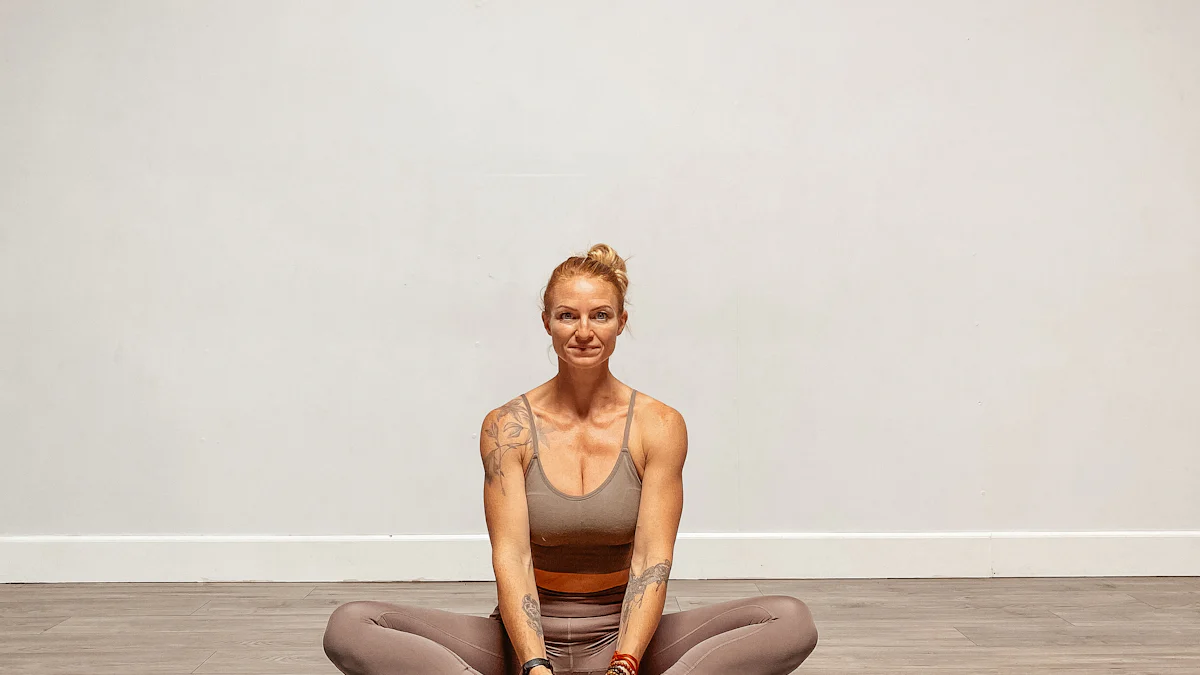
Starting your yoga journey at home can be both exciting and rewarding. By focusing on simple poses and breathing techniques, you can build a strong foundation for your practice. Let's explore some basic elements to get you started.
Starting with Simple Poses
When you're new to yoga at home, it's best to begin with simple poses. These foundational poses help you develop strength, flexibility, and balance.
Mountain Pose
Mountain pose, or Tadasana, is a great starting point. Stand tall with your feet together and arms by your sides. Engage your thighs and lift your chest. Imagine a string pulling you upward from the top of your head. This pose improves posture and helps you feel grounded.
Downward-Facing Dog
Downward-facing dog, or Adho Mukha Svanasana, is another essential pose. Start on your hands and knees. Lift your hips up and back, forming an inverted V-shape. Keep your hands shoulder-width apart and feet hip-width apart. This pose stretches your hamstrings and calves while strengthening your arms and shoulders.
Understanding Breathing Techniques
Breathing is a vital part of yoga at home. It helps you connect your mind and body, enhancing relaxation and focus.
Deep Breathing
Deep breathing, or diaphragmatic breathing, involves taking slow, deep breaths. Sit comfortably and place one hand on your chest and the other on your belly. Inhale deeply through your nose, allowing your belly to rise. Exhale slowly, feeling your belly fall. This technique reduces stress and promotes calmness.
Pranayama Basics
Pranayama refers to the control of breath. One basic technique is Nadi Shodhana, or alternate nostril breathing. Sit comfortably and use your right thumb to close your right nostril. Inhale through your left nostril, then close it with your ring finger. Exhale through your right nostril. Repeat on the other side. This practice balances energy and calms the mind.
By incorporating these simple poses and breathing techniques into your routine, you can enjoy the many benefits of yoga at home. Research shows that yoga can reduce stress, improve flexibility, and enhance overall well-being. As you progress, you'll find that these basics provide a solid foundation for more advanced practices. Remember, consistency is key, so make yoga a regular part of your day.
Progressing in Your Yoga Practice
As you continue your journey of yoga at home, you'll find yourself ready to explore more advanced poses and styles. This progression not only enhances your physical abilities but also deepens your mental focus and self-awareness. Let's dive into how you can take your practice to the next level.
Incorporating Advanced Poses
Adding advanced poses to your routine can be both challenging and rewarding. These poses build strength, improve balance, and boost confidence.
Warrior Series
The Warrior series, including Warrior I, II, and III, is a powerful addition to your yoga at home practice. These poses strengthen your legs, core, and arms while enhancing your focus and determination.
Warrior I: Stand with one foot forward and the other back. Bend your front knee and raise your arms overhead. This pose opens your chest and stretches your hips.
Warrior II: From Warrior I, open your arms parallel to the floor and gaze over your front hand. This stance builds endurance and concentration.
Warrior III: Shift your weight onto your front foot and lift your back leg parallel to the ground. Extend your arms forward for balance. This pose challenges your stability and core strength.
Tree Pose
Tree pose, or Vrksasana, is another excellent way to advance your yoga at home practice. Stand on one leg and place the sole of your other foot on your inner thigh or calf. Bring your hands together at your heart or reach them overhead. This pose improves balance and concentration, fostering a sense of calm and focus.
Exploring Different Styles
Exploring various yoga styles keeps your practice fresh and engaging. Each style offers unique benefits and challenges, allowing you to tailor your yoga at home experience to your needs.
Hatha Yoga
Hatha yoga is perfect for those who enjoy a slower pace. It focuses on holding poses and breathing deeply, promoting relaxation and mindfulness. Practicing Hatha yoga at home helps you connect with your body and mind, reducing stress and enhancing well-being.
Vinyasa Flow
Vinyasa flow is a dynamic style that links breath with movement. It involves transitioning smoothly between poses, creating a flowing sequence. This style builds strength, flexibility, and cardiovascular health. Practicing Vinyasa flow at home energizes your body and sharpens your focus.
By incorporating advanced poses and exploring different styles, you enrich your yoga at home practice. Studies show that progressing in yoga can increase self-esteem and energy levels. As you challenge yourself, you'll discover new strengths and capabilities. Remember, yoga is a personal journey, so embrace each step with patience and curiosity.
Staying consistent with your yoga practice at home can lead to remarkable personal growth. You'll notice improvements in both your physical and mental well-being. As one practitioner shared, "Yoga has helped me find ease and mobility in my physical body, while also releasing stress and building self-confidence."
Reflect on how far you've come and the benefits you've experienced. Yoga can empower you to realize your body's potential beyond what meets the eye.
Explore further resources to deepen your practice. Consider online classes, books, or community groups to continue your journey. Embrace the transformative power of yoga in your life.
See Also
Best Foods for Enhancing Your Yoga Routine Pre and Post
Explore Nearby Yoga Classes with Yoga Bawana
Choosing the Ideal Yoga Certification Course
Hi my name is Lia and i am your host in this yoga journey in Portugal, Subscribe to our newsletter to receive every week the best of Yoga in Portugal.

We bring back the importance of initiation into womanhood by Roos-Veerle Krijnen & Ella-June Henrard
Welcome to the Women’s Initiation Retreat by Naked Truth Retreats, a transformative journey into the depths of your True Feminine Nature. This retreat invites you to remember the sacredness and wholeness of your being.
Roos-Veerle Krijnen & Ella-June Henrard