Starting Ashtanga Yoga: A Beginner's Roadmap


Starting Ashtanga Yoga marks the beginning of an exciting journey. This practice, known for its dynamic and structured sequences, offers a path to both physical and mental well-being. With millions of people worldwide embracing yoga, you're joining a vibrant community. In the United States alone, about 38.4 million individuals practice yoga regularly. Ashtanga Yoga stands out with its unique approach, focusing on breath control and movement synchronization. If you're wondering how to start Ashtanga Yoga, remember that it's all about taking that first step and embracing the challenges and rewards that come with it.
Understanding Ashtanga Yoga
What is Ashtanga Yoga?
Ashtanga Yoga is a dynamic and structured form of yoga that has captivated practitioners worldwide. It traces its roots back to an ancient text known as the Yoga Korunta, recorded by the sage Vamana Rishi. This text contains lists of various asanas (postures) and teachings on vinyasa (breath and movement synchronization), Drishti (gaze), bandhas (energy locks), mudras (gestures), and philosophy.
History and Origins
The modern practice of Ashtanga Yoga was developed by Sri K. Pattabhi Jois, who studied under the guidance of T. Krishnamacharya. Jois refined and promoted this style, which aims to purify the body and offer peace of mind. The practice emphasizes the concept of tristhana, which refers to the three focal points of posture, breathing, and gaze. These elements work together to create a meditative flow that enhances both physical and mental well-being.
Key Principles
Ashtanga Yoga revolves around several key principles:
Vinyasa: This involves synchronizing breath with movement, creating a seamless flow from one posture to the next.
Tristhana: Focuses on the alignment of posture, breath, and gaze, helping you maintain concentration and mindfulness during practice.
Bandhas: These are energy locks that help control the flow of energy within the body, enhancing stability and strength.
Drishti: Refers to the gaze point, which aids in developing focus and concentration.
Benefits of Practicing Ashtanga Yoga
Practicing Ashtanga Yoga offers numerous benefits that extend beyond the physical realm.
Physical Benefits
Strength and Flexibility: The dynamic sequences build muscle strength and improve flexibility over time.
Improved Posture: Regular practice helps align the spine and improve overall posture.
Increased Stamina: The continuous flow of movements enhances cardiovascular endurance.
Mental and Emotional Benefits
Stress Reduction: The focus on breath and movement helps calm the mind and reduce stress levels.
Enhanced Concentration: The practice of tristhana sharpens your focus and concentration.
Emotional Balance: Ashtanga Yoga encourages self-awareness and emotional stability, promoting a sense of inner peace.
By understanding these aspects of Ashtanga Yoga, you can appreciate its depth and richness. Whether you're drawn to its physical challenges or its meditative qualities, Ashtanga Yoga offers a comprehensive path to holistic well-being.
How to Start Ashtanga Yoga
Embarking on your Ashtanga Yoga journey can feel both exciting and daunting. But with the right preparation and mindset, you'll find it rewarding and transformative. Here's a guide to help you get started.
Preparing for Your Practice
Setting the Right Mindset
Starting Ashtanga Yoga requires a shift in mindset. Approach each session with openness and curiosity. Instead of focusing on perfecting poses, concentrate on the process and your personal growth. Remember, yoga is a journey, not a destination. Embrace the learning curve and celebrate small victories along the way.
Cultivating Self-Compassion
Self-compassion is crucial when you're learning something new. Be kind to yourself and acknowledge your efforts. If a pose feels challenging, it's okay to take a step back and try again later. Listen to your body and respect its limits. This practice isn't about competition; it's about connecting with yourself.
Importance of Breath Control
Breath control, or pranayama, is a cornerstone of Ashtanga Yoga. It helps you maintain focus and enhances the meditative quality of your practice.
Introduction to Ujjayi Breathing
Ujjayi breathing, often called "ocean breath," involves inhaling and exhaling through the nose while constricting the throat slightly. This technique creates a soothing sound, similar to ocean waves. Studies have shown that Ujjayi breathing can reduce anxiety and improve emotional regulation, leading to better overall well-being. By practicing this breath, you can experience a sense of calm and centeredness during your yoga sessions.
Synchronizing Breath with Movement
In Ashtanga Yoga, synchronizing your breath with movement is essential. This practice, known as vinyasa, creates a seamless flow between poses. As you move, let your breath guide you. Inhale as you expand or lift, and exhale as you contract or fold. This rhythm not only enhances your physical practice but also deepens your mental focus. Research indicates that slow and steady nostril breathing, like Ujjayi, can improve blood pressure control and oxygen saturation, making your practice more effective and enjoyable.
By understanding how to start Ashtanga Yoga with these foundational elements, you'll set yourself up for a fulfilling practice. Embrace the journey, and remember that every breath and movement brings you closer to a deeper connection with yourself.
The Primary Series
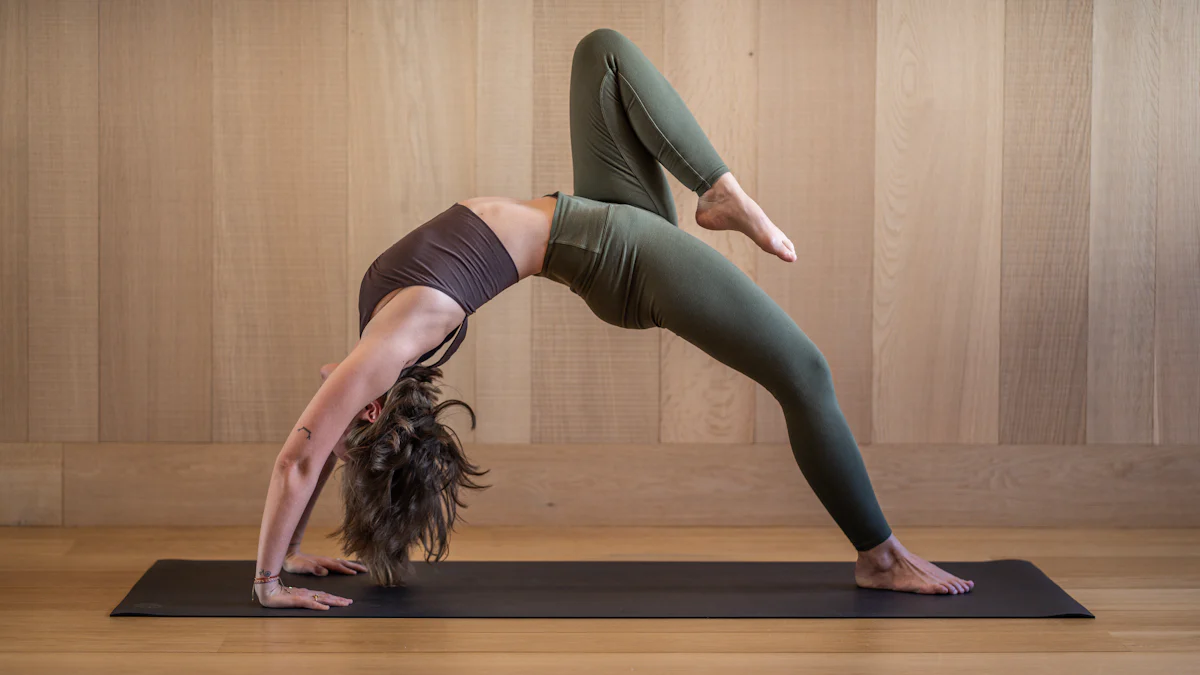
Overview of the Primary Series
The Primary Series in Ashtanga Yoga, often referred to as Yoga Chikitsa, serves as a foundational practice. It focuses on purifying and detoxifying your body while building strength and flexibility. This series lays the groundwork for a strong and steady yoga practice.
Structure and Sequence
The Primary Series follows a specific sequence of postures designed to align your body and mind. It begins with Sun Salutations to warm up your body. Then, you move into standing poses that build strength and balance. Seated postures follow, promoting flexibility and concentration. The series concludes with a finishing sequence that includes backbends and inversions, helping to calm your mind and prepare you for relaxation.
Key Postures for Beginners
As a beginner, focus on mastering key postures within the Primary Series. Here are a few to get you started:
Sun Salutations (Surya Namaskar): These sequences warm up your body and synchronize breath with movement.
Standing Forward Bend (Uttanasana): This posture stretches your hamstrings and calms your mind.
Seated Forward Bend (Paschimottanasana): It enhances flexibility in your spine and legs.
Bridge Pose (Setu Bandhasana): Strengthens your back and opens your chest.
Modifications and Adaptations
Starting with the Primary Series can be challenging, but you can make modifications to suit your level. These adaptations ensure you progress safely and effectively.
Adapting Postures for Beginners
You don't have to perform every posture perfectly from the start. Modify poses to match your current abilities. For example, if a forward bend feels too intense, bend your knees slightly. This adjustment allows you to maintain proper alignment without straining your muscles.
Using Props for Support
Props like blocks, straps, and blankets can be invaluable tools in your practice. They provide support and help you achieve correct alignment. For instance, use a block under your hands in standing poses if you can't reach the floor comfortably. A strap can assist in seated forward bends by extending your reach.
By embracing these modifications and using props, you'll find the Primary Series more accessible and enjoyable. Remember, yoga is a personal journey. Progress at your own pace, and celebrate each milestone along the way.
Building a Consistent Practice

Creating a consistent Ashtanga Yoga practice can transform your journey. It requires dedication and a structured approach. Let's explore how you can build a routine that fits your lifestyle and keeps you motivated.
Creating a Practice Schedule
A well-planned schedule helps you stay committed to your practice. It provides structure and ensures you make time for yoga amidst your daily activities.
Setting Realistic Goals
Start by setting achievable goals. Ask yourself what you want to gain from your practice. Maybe you aim to improve flexibility or find mental peace. Whatever your goals, make sure they are realistic. Begin with small, manageable steps. For instance, commit to practicing three times a week. As you progress, you can gradually increase the frequency or duration of your sessions.
Tracking Progress and Celebrating Milestones
Keep track of your progress. You might use a journal or an app to note your achievements. Celebrate milestones, no matter how small. Did you hold a pose longer than before? That's worth acknowledging! Celebrating these moments boosts your motivation and reminds you of how far you've come.
Overcoming Common Challenges
Every journey has its hurdles. In Ashtanga Yoga, you might face physical discomfort or struggle to maintain motivation. Here's how to tackle these challenges.
Dealing with Physical Discomfort
Physical discomfort is common, especially when you're new to yoga. Listen to your body. If a pose causes pain, ease out of it. Modify the posture or use props to support yourself. Remember, yoga is about finding balance, not pushing through pain. As Masterji often shares, "Yoga is a journey of self-discovery, not self-torture."
Maintaining Motivation
Staying motivated can be tough. To keep your enthusiasm alive, connect with the yoga community. Share your experiences and learn from others. You might find inspiration in interviews with seasoned practitioners like Kushal Ram. He emphasizes the importance of exploring different perspectives and staying curious. Also, remind yourself why you started. Reflect on the benefits you've experienced and the goals you've set.
By creating a practice schedule and addressing common challenges, you'll build a consistent Ashtanga Yoga practice. Remember, it's a journey. Embrace each step and enjoy the process.
Embracing the Journey
Developing Self-Awareness
Listening to Your Body
In Ashtanga Yoga, self-awareness begins with listening to your body. Each pose offers a chance to tune into your physical sensations. Notice how your muscles feel as you stretch and hold postures. Pay attention to any tension or discomfort. Your body communicates its needs and limits. Respect these signals. Adjust your practice accordingly. This mindful approach helps prevent injury and enhances your yoga experience.
Reflecting on Personal Growth
Yoga is more than physical exercise. It's a journey of personal growth. After each session, take a moment to reflect. What did you learn about yourself today? Maybe you discovered a new strength or faced a challenge. Celebrate these insights. They mark your progress. Journaling can help capture these reflections. Over time, you'll see how far you've come. This practice fosters a deeper connection with yourself and encourages continuous growth.
The Role of Surrender in Yoga
Letting Go of Expectations
Surrender plays a vital role in yoga. It involves letting go of expectations. You might have goals for your practice, but clinging to them can create stress. Instead, focus on the present moment. Embrace the process rather than the outcome. Patanjali, a revered sage, emphasized surrender as a key aspect of yoga. He highlighted Ishvara pranidhana, which means surrendering to a higher power or the universe. This practice shifts your focus from "I" to a broader perspective, promoting peace and acceptance.
Finding Peace in the Practice
Finding peace in your practice requires surrender. When you let go of control, you open yourself to the flow of yoga. Trust the process. Allow your breath and movement to guide you. This surrender dissolves mental agitation and fosters tranquility. As you practice, you'll notice a sense of calm and contentment. Yoga becomes a sanctuary where you find solace and rejuvenation. Embrace this peace. It enriches your journey and transforms your life.
By embracing self-awareness and surrender, you deepen your Ashtanga Yoga practice. These elements cultivate a harmonious balance between effort and ease. Remember, yoga is a lifelong journey. Each step brings you closer to your true self. Enjoy the ride and cherish every moment.
As you embark on your Ashtanga Yoga journey, remember the roadmap you've explored. This practice offers a structured path to physical and mental well-being. Embrace the challenges and celebrate the progress you make along the way.
"Ashtanga yoga will mirror your life in ways you never dreamed of and help you align your body, mind, and soul." - Anonymous
Stay committed to your practice. The transformative power of yoga lies in its ability to bring peace and balance to your life. Whether you're drawn to the physical benefits or the meditative qualities, Ashtanga Yoga is a tool for building a life you truly believe in. Keep practicing, and enjoy the magic of this journey.
See Also
Simple Steps to Begin Isha Hatha Yoga Practice
Quick Yoga Start Guide: Beginner Tips
Essential Tips from Iyengar Yoga Book for Newbies
Achieving Mastery in Kundalini Yoga Kriyas for Newbies
Step-by-Step Guide to Master Kundalini Yoga Practice at Home

Hi my name is Lia and i am your host in this yoga journey in Portugal, Subscribe to our newsletter to receive every week the best of Yoga in Portugal.

We bring back the importance of initiation into womanhood by Roos-Veerle Krijnen & Ella-June Henrard
Welcome to the Women’s Initiation Retreat by Naked Truth Retreats, a transformative journey into the depths of your True Feminine Nature. This retreat invites you to remember the sacredness and wholeness of your being.
Roos-Veerle Krijnen & Ella-June Henrard