How to Start Practicing Somatic Yoga at Home

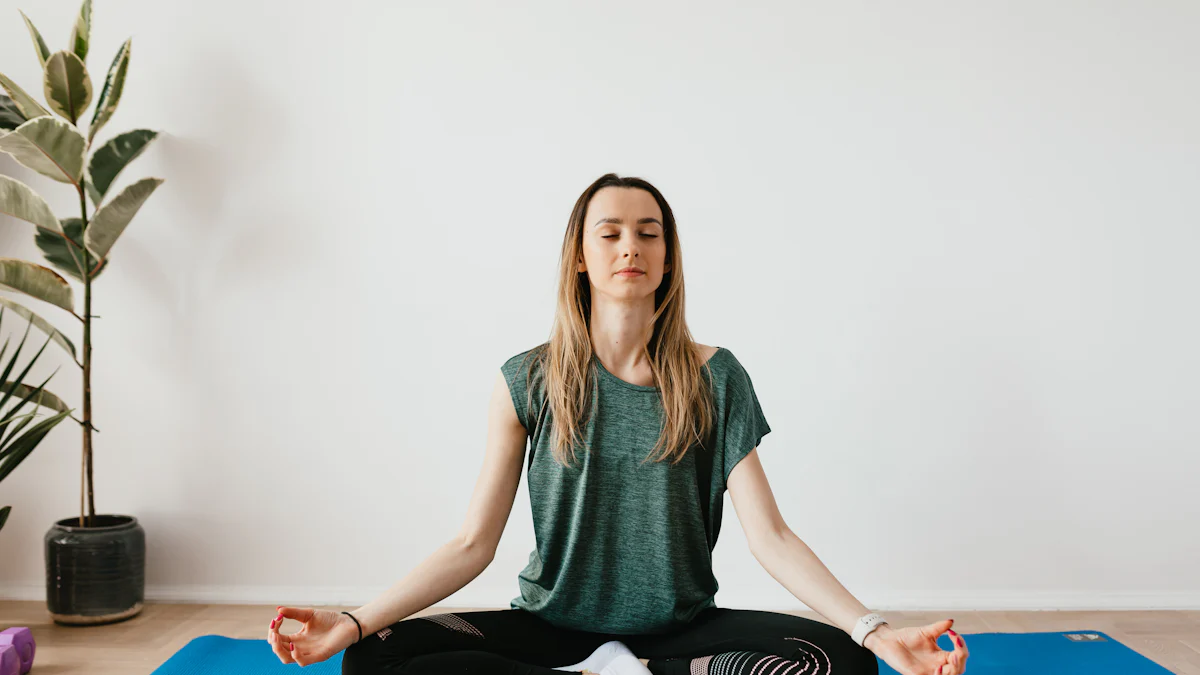
Somatic yoga invites you to explore a practice centered on internal awareness and mindful movement. This unique approach encourages you to connect deeply with your body, fostering a sense of peace and resilience. By engaging in somatic yoga, you can experience a reduction in stress and anxiety levels. It also helps alleviate chronic pain and tension, enhancing your overall well-being. Embrace this journey to discover improved body awareness and a more harmonious connection between mind and body.
Understanding Somatic Yoga
What is Somatic Yoga?
Somatic yoga is a transformative practice that invites you to explore the profound connection between your mind and body. Unlike traditional yoga, which often emphasizes physical postures, somatic yoga focuses on internal awareness and mindful movement. This practice encourages you to listen to your body's signals and respond with gentle, intentional movements. By doing so, you cultivate a deeper understanding of your body's needs and limitations. Somatic yoga empowers you to release tension and stress, promoting a sense of peace and balance in your daily life.
Key Benefits of Somatic Yoga
Physical Benefits
Engaging in somatic yoga offers numerous physical benefits that enhance your overall well-being. The practice emphasizes slow, mindful movements that improve muscular flexibility and joint mobility. This gentle approach can lead to better posture and alignment, alleviating chronic pain and discomfort, particularly in areas like the back, neck, and shoulders. As you focus on somatic awareness, you naturally adopt deeper breathing patterns, which enhance lung capacity and oxygen intake. This improvement benefits your cardiovascular health, making daily activities easier and more comfortable. Regular practice reduces physical tension and stress, improving balance and coordination.
Mental and Emotional Benefits
Somatic yoga also provides significant mental and emotional benefits. By fostering a strong mind-body connection, this practice helps you manage stress and anxiety more effectively. The mindful movements encourage you to stay present, reducing mental clutter and promoting clarity. As you become more attuned to your body's sensations, you develop a greater sense of self-awareness and emotional resilience. This heightened awareness can aid in healing trauma and managing chronic pain, offering a holistic approach to mental health. The ongoing research in neuroplasticity and psychophysical integration continues to validate the efficacy of somatic practices, ensuring that somatic yoga remains a dynamic and evolving field.
Preparing to Practice at Home
Creating a Conducive Environment
Choosing the Right Space
To begin your somatic yoga journey at home, select a space that feels inviting and peaceful. Look for a quiet corner where you can focus without interruptions. Ensure the area is free from clutter, allowing you to move freely and safely. A dedicated space helps you mentally transition into your practice, creating a sanctuary for relaxation and self-discovery.
Setting the Mood with Lighting and Sound
The ambiance of your practice space plays a crucial role in enhancing your experience. Soft, natural lighting can create a calming atmosphere. Consider using candles or dimmable lamps to adjust the brightness to your liking. Incorporate soothing sounds, such as gentle music or nature sounds, to deepen your sense of tranquility. These elements help you immerse yourself fully in the practice, fostering a deeper connection with your body and mind.
Essential Equipment
Yoga Mat and Props
A quality yoga mat forms the foundation of your practice. It provides cushioning and grip, ensuring stability during movements. When choosing a mat, consider its thickness and texture. Thicker mats offer extra support for sensitive joints, while thinner ones enhance stability in standing poses. Brands like Jade Yoga offer mats with excellent grip and durability, making them a worthwhile investment. Additionally, yoga props such as blocks and straps can assist in achieving proper alignment and extending your reach during poses.
Comfortable Clothing
Wearing comfortable clothing is essential for an effective somatic yoga practice. Opt for breathable, stretchy fabrics that allow unrestricted movement. Avoid clothing with zippers or buttons that might cause discomfort during poses. Your attire should enable you to focus on your practice without distractions, promoting a seamless flow of movement and breath. By prioritizing comfort, you create an environment where you can fully engage with the transformative power of somatic yoga.
Beginner-Friendly Somatic Yoga Exercises
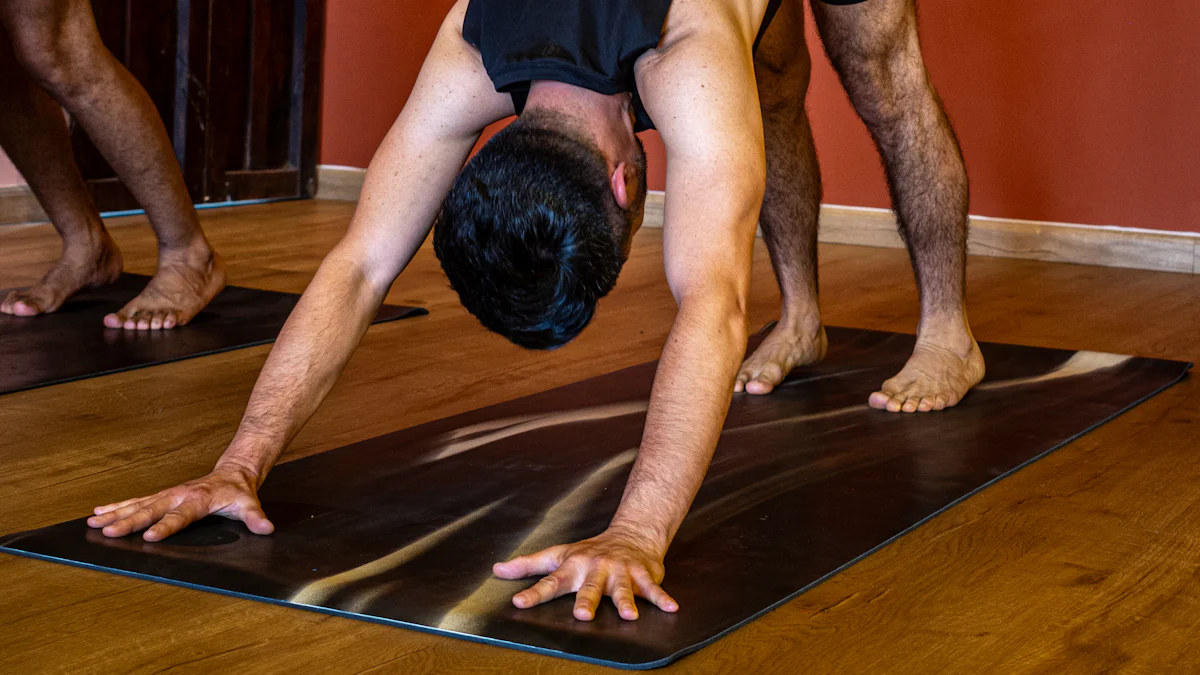
Embarking on your somatic yoga journey at home can be both exciting and rewarding. By starting with simple poses and breathing techniques, you can gradually build a strong foundation for your practice. These exercises are designed to enhance your body awareness and promote relaxation, making them perfect for beginners.
Simple Poses to Start With
Cat-Cow Stretch
The Cat-Cow Stretch is a gentle flow between two poses that warms up the spine and relieves tension in the back and neck. Begin on your hands and knees, ensuring your wrists are aligned under your shoulders and your knees under your hips. As you inhale, arch your back, dropping your belly towards the mat while lifting your head and tailbone towards the sky—this is the Cow Pose. On the exhale, round your spine, tucking your chin to your chest and drawing your belly button towards your spine—this is the Cat Pose. Repeat this sequence several times, moving slowly and mindfully with your breath.
Yoga Instructor Insight: "I prioritize clear and consistent communication. I start by demonstrating each pose slowly and then break it down into simple, digestible steps, emphasizing alignment and breathing."
Supine Twist
The Supine Twist is a restorative pose that helps release tension in the spine and promotes relaxation. Lie on your back with your knees bent and feet flat on the floor. Extend your arms out to the sides in a T-shape. As you exhale, gently lower your knees to one side, keeping your shoulders grounded. Hold the twist for a few breaths, feeling the stretch along your spine and the gentle massage of your internal organs. Inhale to bring your knees back to center, then exhale to lower them to the opposite side.
Breathing Techniques
Breathwork is an essential component of somatic yoga, enhancing relaxation and focus during your practice.
Diaphragmatic Breathing
Diaphragmatic breathing, or deep belly breathing, encourages full oxygen exchange and promotes relaxation. Sit or lie down comfortably. Place one hand on your chest and the other on your belly. Inhale deeply through your nose, allowing your diaphragm to expand and your belly to rise. Exhale slowly through your mouth, feeling your belly fall. Focus on the rise and fall of your belly, maintaining a steady rhythm.
Yoga Instructor Insight: "I introduce pranayama and meditation techniques gradually, starting with simple practices like deep breathing and mindfulness."
Alternate Nostril Breathing
Alternate Nostril Breathing, or Nadi Shodhana, balances the mind and body, reducing stress and anxiety. Sit comfortably with your spine straight. Use your right thumb to close your right nostril. Inhale deeply through your left nostril. Close your left nostril with your ring finger, then release your right nostril and exhale through it. Inhale through the right nostril, close it, and exhale through the left. Continue this pattern for several rounds, focusing on your breath.
By incorporating these beginner-friendly somatic yoga exercises into your routine, you can cultivate a deeper connection with your body and mind. Remember to listen to your body and move at your own pace, embracing the journey of self-discovery and healing.
Integrating Somatic Yoga into Your Routine
Incorporating somatic yoga into your daily life can transform your well-being. This practice invites you to connect deeply with your body, offering a path to peace and balance. By establishing a consistent routine, you can experience profound benefits that extend beyond the mat.
Establishing a Practice Schedule
Creating a regular practice schedule is essential for reaping the full benefits of somatic yoga. Consistency helps you build a strong foundation and develop a deeper connection with your body.
Frequency of Practice
Start by dedicating a few minutes each day to somatic yoga. Aim for short sessions, around 10-15 minutes, to begin with. This manageable commitment allows you to integrate the practice into your daily routine without feeling overwhelmed. As you become more comfortable, gradually increase the frequency to several times a week. Regular engagement helps diminish daily stresses and cultivates a restorative sense of peace.
Duration of Sessions
The duration of your sessions can vary based on your schedule and comfort level. Begin with shorter sessions to ease into the practice. Over time, extend your sessions to 20-30 minutes as your body becomes more accustomed to the movements. Longer sessions provide an opportunity for deeper exploration and relaxation, enhancing your overall experience.
Listening to Your Body
Somatic yoga emphasizes the importance of tuning into your body's signals. This mindful approach encourages you to honor your body's needs and limitations.
Recognizing Limits
Pay close attention to your body's cues during practice. Notice any areas of tension or discomfort and adjust your movements accordingly. Recognizing your limits is crucial for preventing injury and ensuring a safe practice. Remember, somatic yoga is not about pushing yourself to the limit but about nurturing your body with love and compassion.
Adjusting Poses for Comfort
Modify poses to suit your comfort level. Use props like blocks or straps to support your body and enhance your alignment. Adjusting poses allows you to maintain a sense of ease and relaxation throughout your practice. By listening to your body and making necessary adjustments, you create a nurturing and healing experience.
Personal Experience: "Since I started practicing somatic yoga regularly, I've noticed a huge reduction in my stress and anxiety levels. I feel more balanced, calm, and in control."
Integrating somatic yoga into your routine offers a holistic approach to well-being. By establishing a consistent practice schedule and listening to your body, you can cultivate a deeper connection with yourself. Embrace this journey with patience and self-compassion, and watch as your physical and emotional health transform.
Tips for a Safe Practice
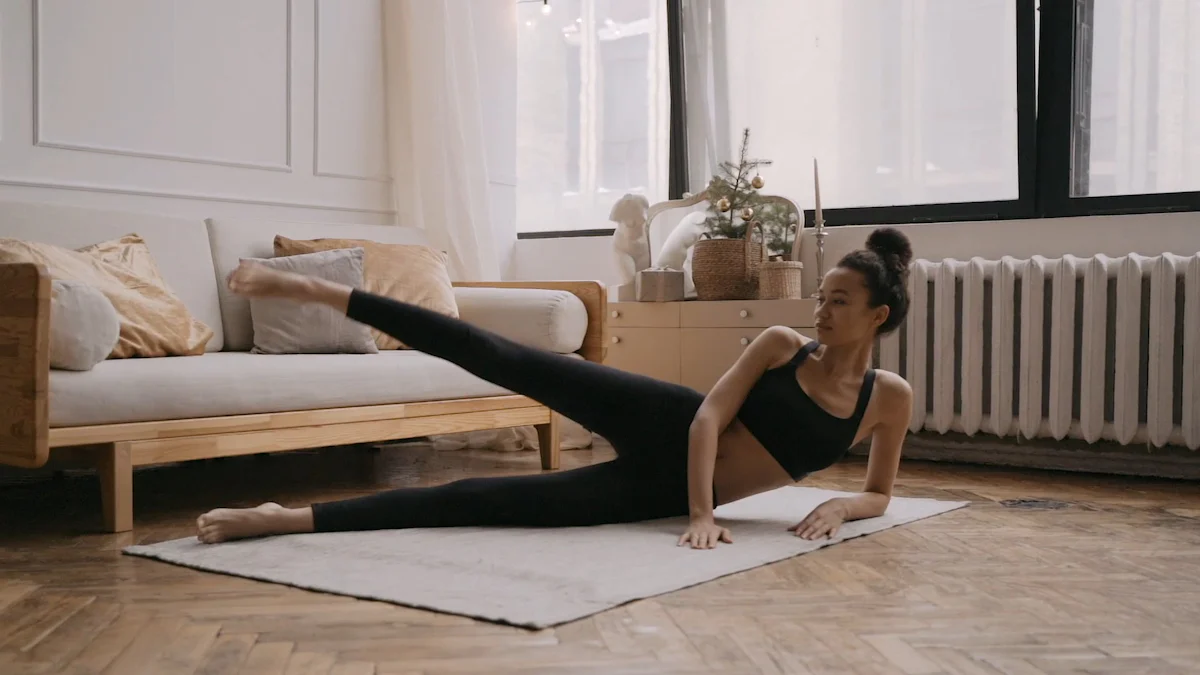
Embarking on your somatic yoga journey at home can be both rewarding and transformative. However, ensuring a safe practice is crucial to fully enjoy the benefits. Here are some essential tips to guide you.
Avoiding Common Mistakes
Overstretching
In somatic yoga, the focus lies on gentle, mindful movements. Overstretching can lead to injuries and discomfort. Always listen to your body and respect its limits. Move slowly and deliberately, allowing your muscles to warm up gradually. If you feel any strain, ease back into a comfortable position. Remember, the goal is to nurture your body, not to push it beyond its capabilities.
Ignoring Pain Signals
Pain serves as your body's way of communicating that something isn't right. Ignoring these signals can result in injury. During your somatic yoga practice, pay close attention to any discomfort or pain. If you experience sharp or persistent pain, stop the movement immediately. Adjust your pose or take a break to prevent further strain. Your practice should feel soothing and restorative, not painful.
When to Seek Professional Guidance
Consulting a Yoga Instructor
While practicing somatic yoga at home offers flexibility, consulting a professional can enhance your experience. A qualified yoga instructor provides personalized guidance and ensures you perform movements correctly. They can help you modify poses to suit your needs and prevent injuries. Instructors also create a supportive environment, fostering community and connection. Consider attending a class or scheduling a private session to deepen your practice.
Yoga Instructor Insight: "Creating a safe, inclusive, and transformative environment is essential. Instructors should have deep knowledge of yoga practices and professionalism."
Using Online Resources Wisely
Online resources offer a wealth of information for practicing somatic yoga at home. However, it's important to choose wisely. Look for reputable websites, videos, and guided sessions led by experienced instructors. These resources can provide structure and support, helping you maintain a safe practice. Always prioritize your comfort and safety when following online instructions. If something doesn't feel right, pause and reassess.
By following these tips, you can ensure a safe and fulfilling somatic yoga practice at home. Embrace the journey with mindfulness and compassion, and allow your body to guide you toward healing and balance.
Resources for Further Learning
Embarking on your somatic yoga journey opens the door to a world of knowledge and growth. To deepen your understanding and enhance your practice, explore these valuable resources. They offer insights and guidance, helping you connect more profoundly with your body and mind.
Recommended Books and Videos
"Somatic Yoga: Awakening Awareness Through Movement and Yoga": This book serves as an excellent starting point for anyone interested in somatic yoga. It provides clear illustrations and practical exercises that focus on breathwork and mindfulness. Readers have praised its easy-to-follow nature, making it a great resource for managing stress and improving overall well-being.
Instructional Videos and Guided Sessions: Online platforms like YouTube host a variety of somatic yoga videos. These videos guide you through exercises and techniques, allowing you to practice at your own pace. Look for content from experienced instructors who emphasize mindful movement and somatic awareness. These visual aids can enhance your practice by offering step-by-step guidance.
Workshops and Classes: Participating in workshops or classes, whether in-person or online, can provide a structured learning environment. These sessions often delve deeper into the principles of somatic yoga, offering personalized feedback and community support. Engaging with others on the same journey can inspire and motivate you to explore new aspects of your practice.
Online Communities and Support Groups
Social Media Groups: Platforms like Facebook and Instagram host communities dedicated to somatic yoga. Joining these groups connects you with like-minded individuals who share tips, experiences, and encouragement. Engaging in discussions and sharing your journey can foster a sense of belonging and support.
Online Forums and Websites: Websites dedicated to yoga and wellness often feature forums where practitioners discuss their experiences with somatic yoga. These forums provide a space to ask questions, share insights, and learn from others. Participating in these discussions can broaden your perspective and introduce you to new techniques and ideas.
Smartphone Apps: Several apps offer guided somatic yoga sessions and resources. These apps provide convenience and flexibility, allowing you to practice anytime, anywhere. Look for apps that offer a variety of sessions, from beginner to advanced levels, to suit your needs and preferences.
By exploring these resources, you can enrich your somatic yoga practice and continue your journey toward holistic well-being. Embrace the opportunity to learn and grow, knowing that each step brings you closer to a deeper connection with yourself.
Starting a somatic yoga practice at home offers numerous benefits. You can experience reduced stress and anxiety, improved flexibility, and enhanced overall well-being. By focusing on breathwork and mindfulness, you cultivate a deeper connection with your body and mind. Begin your journey with patience and self-compassion. Remember, progress takes time, and each step brings you closer to balance and peace. Explore additional resources like books, videos, and online communities to deepen your practice. Embrace this transformative path and discover the profound impact somatic yoga can have on your life.
See Also
A Beginner's Guide To Starting Somatic Yoga
Kickstart Your Home Yoga Journey Today
Starting Your 30-Day Yoga Challenge As A Beginner

Hi my name is Lia and i am your host in this yoga journey in Portugal, Subscribe to our newsletter to receive every week the best of Yoga in Portugal.

We bring back the importance of initiation into womanhood by Roos-Veerle Krijnen & Ella-June Henrard
Welcome to the Women’s Initiation Retreat by Naked Truth Retreats, a transformative journey into the depths of your True Feminine Nature. This retreat invites you to remember the sacredness and wholeness of your being.
Roos-Veerle Krijnen & Ella-June Henrard