How to Start Practicing MBSR Yoga at Home


Starting your MBSR Yoga practice at home can be a rewarding journey. First, create a dedicated time and space for mindfulness. This helps you focus and engage fully. Consistency is key. You won't see results overnight, so patience is essential. Regular practice builds a strong foundation. MBSR Yoga offers numerous benefits. It reduces stress and enhances overall well-being. You'll notice a positive change in your life. Embrace the process and enjoy the journey. Remember, every small step counts.
The Body Scan
Introduction to Body Scan
What is a Body Scan?
A body scan is a mindfulness practice that involves paying attention to different parts of your body, one at a time. You start from your toes and gradually move up to your head. This practice helps you become more aware of physical sensations, emotions, and thoughts. It's a core component of MBSR yoga, which stands for Mindfulness-Based Stress Reduction. Jon Kabat-Zinn developed this program in 1979 to enhance self-awareness and self-regulation through mindfulness.
Benefits of Practicing Body Scan
Practicing a body scan regularly can bring numerous benefits. It helps reduce stress by promoting relaxation and mindfulness. You learn to notice tension and release it, which can improve your overall well-being. This practice also enhances your ability to focus and increases self-awareness. By tuning into your body, you cultivate a deeper connection with yourself, which is a fundamental aspect of MBSR yoga.
How to Practice Body Scan at Home
Step-by-step Guide
Find a Quiet Space: Choose a comfortable and quiet place where you won't be disturbed. This helps you focus better.
Lie Down Comfortably: Lie on your back with your arms at your sides. Close your eyes if you feel comfortable doing so.
Start with Your Toes: Bring your attention to your toes. Notice any sensations, whether it's warmth, tingling, or tension.
Move Upward: Gradually shift your focus to each part of your body. Move from your feet to your legs, then to your abdomen, chest, arms, and finally your head.
Breathe Deeply: As you focus on each body part, take deep breaths. Inhale slowly and exhale fully. This helps you stay present.
Acknowledge Thoughts: If your mind wanders, gently bring your attention back to your body. Acknowledge any thoughts without judgment.
Complete the Scan: Once you reach your head, take a few moments to notice how your entire body feels. Enjoy the sense of relaxation.
Tips for Effective Practice
Consistency is Key: Practice the body scan regularly to experience its full benefits. Even a few minutes each day can make a difference.
Use Guided Recordings: If you're new to body scans, consider using guided meditation recordings. They provide structure and support during your practice.
Stay Patient: You might not notice immediate changes, but patience is essential. Over time, you'll likely feel more relaxed and mindful.
Approach with Curiosity: Embrace each session with an open mind. Allow yourself to explore sensations without striving for perfection.
Incorporating the body scan into your MBSR yoga routine can significantly enhance your mindfulness journey. By dedicating time to this practice, you nurture a deeper connection with your body and mind.
Mindful Movement
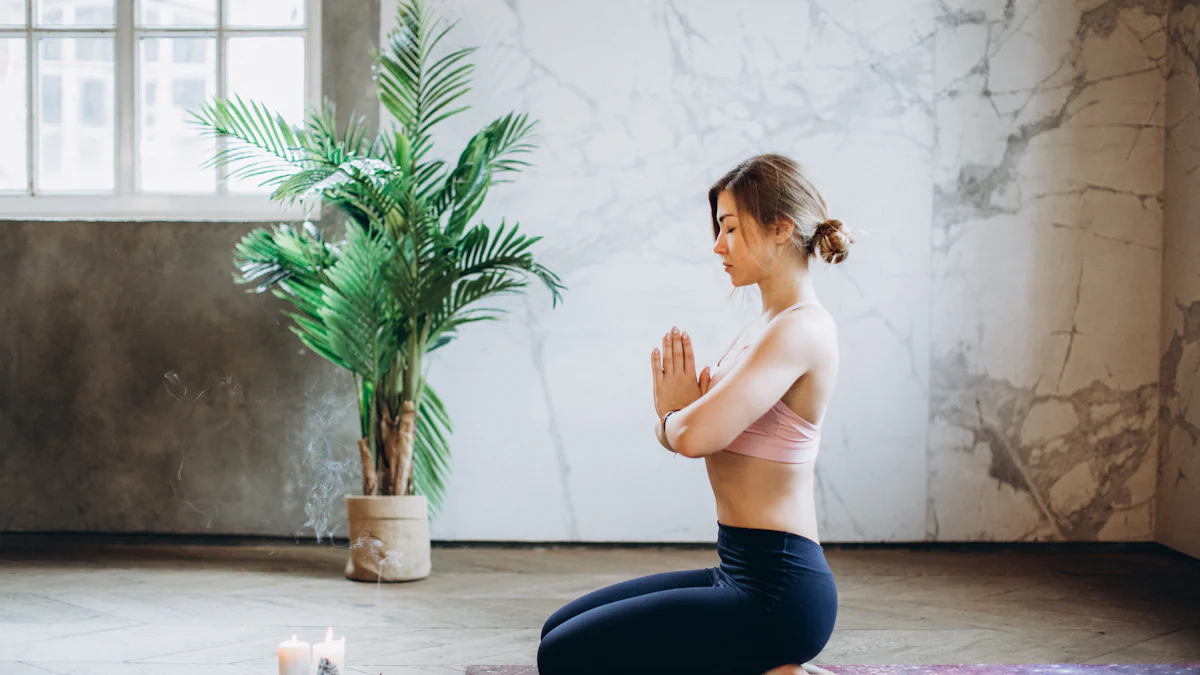
Mindful movement is a core component of MBSR yoga, offering a dynamic way to engage your body and mind. Unlike traditional seated meditation, mindful movement involves paying attention to your body's sensations as you move. This practice can be particularly beneficial if you find it challenging to sit still, as it provides a tangible focus for your mind.
Understanding Mindful Movement
What is Mindful Movement?
Mindful movement involves performing physical activities with full awareness. You focus on the sensations in your body, the rhythm of your breath, and the thoughts that arise as you move. Cara Bradley, a mind-body expert, explains that any movement can become mindful when you place all your attention on it. This approach allows you to use your body as an anchor for your attention, making it easier to stay present.
Benefits of Mindful Movement
Engaging in mindful movement offers numerous benefits. It helps reduce stress by encouraging you to be present in the moment. As you become more aware of your body's movements, you cultivate a sense of self-care and acceptance. Jon Kabat-Zinn, the founder of the MBSR program, emphasizes that mindful movement is not about achieving the perfect pose. Instead, it's about awareness and responding to your body's needs with gentleness. This practice can improve your overall well-being by fostering a friendly relationship with your body.
Practicing Mindful Movement at Home
Simple Yoga Poses for Beginners
Starting with simple yoga poses can ease you into mindful movement. Here are a few beginner-friendly poses to try:
Mountain Pose: Stand tall with your feet together and arms at your sides. Focus on your breath and the sensations in your feet.
Cat-Cow Stretch: Get on your hands and knees. Inhale as you arch your back (Cow), and exhale as you round your spine (Cat). Pay attention to the movement of your spine.
Child's Pose: Sit back on your heels with your arms extended forward. Feel the stretch in your back and shoulders.
These poses don't require any special equipment, making them perfect for practicing MBSR yoga at home.
Incorporating Breath Awareness
Breath awareness is a crucial aspect of mindful movement. As you perform each pose, pay attention to your breathing. Notice how your breath changes with each movement. This focus helps anchor your mind and enhances your mindfulness practice. Cara Bradley suggests that mindful movement gives your mind something more to do than just focusing on the breath, which can sometimes feel elusive.
Incorporating mindful movement into your MBSR yoga routine can transform your practice. By dedicating time to this approach, you nurture a deeper connection with your body and mind. Remember, the goal is not perfection but awareness and self-care. Enjoy the journey and embrace the positive changes mindful movement can bring to your life.
Sitting Meditation
Sitting meditation is a cornerstone of MBSR yoga. It invites you to sit quietly and focus your mind, creating a space for mindfulness and relaxation. This practice can be a powerful tool in your journey toward stress reduction and self-awareness.
Basics of Sitting Meditation
What is Sitting Meditation?
Sitting meditation involves sitting in a comfortable position and focusing your attention, often on your breath. This practice helps you cultivate mindfulness by bringing awareness to the present moment. In MBSR yoga, sitting meditation serves as a foundation for developing a deeper connection with your thoughts and emotions. By regularly engaging in this practice, you learn to observe your mind without judgment, fostering a sense of calm and clarity.
Benefits of Sitting Meditation
Engaging in sitting meditation offers numerous benefits. It helps reduce stress by promoting relaxation and mindfulness. As you practice, you become more aware of your thoughts and emotions, allowing you to respond to them with greater clarity and compassion. This increased awareness can lead to improved emotional regulation and overall well-being. Additionally, sitting meditation enhances your ability to focus and concentrate, making it a valuable tool for navigating the challenges of daily life.
Steps to Practice Sitting Meditation
Finding a Comfortable Position
Choose Your Spot: Find a quiet and comfortable place where you can sit undisturbed. This could be a cushion on the floor or a chair that supports your back.
Sit Upright: Sit with your back straight but not rigid. Allow your shoulders to relax and your hands to rest gently on your knees or in your lap.
Ground Yourself: Feel the connection between your body and the ground. This grounding helps anchor your attention and keeps you present.
Focusing on the Breath
Bring Awareness to Your Breath: Close your eyes if you feel comfortable. Begin to notice your breath as it naturally flows in and out. Pay attention to the sensation of the air entering and leaving your nostrils.
Count Your Breaths: If your mind starts to wander, gently bring your focus back to your breath. You can count each inhale and exhale to help maintain your attention.
Acknowledge Thoughts: It's normal for thoughts to arise during meditation. When they do, acknowledge them without judgment and return your focus to your breath.
Practice Regularly: Consistency is key in MBSR yoga. Aim to practice sitting meditation daily, even if it's just for a few minutes. Over time, you'll likely notice a greater sense of calm and mindfulness.
Scientific Research Findings: A 2022 study published in Tandfonline found that over 10% of participants experienced adverse effects from meditation, impacting their daily lives. It's important to approach sitting meditation with awareness and self-compassion, recognizing that each individual's experience may vary.
Incorporating sitting meditation into your MBSR yoga routine can significantly enhance your mindfulness journey. By dedicating time to this practice, you nurture a deeper connection with your mind and emotions. Remember, the goal is not perfection but awareness and self-care. Enjoy the journey and embrace the positive changes sitting meditation can bring to your life.
Everyday Mindfulness Practices
Integrating Mindfulness into Daily Life
Mindfulness isn't just for the yoga mat or meditation cushion. You can weave it into your daily life, making every moment an opportunity for awareness and presence. Let's explore two simple practices: mindful eating and mindful walking.
Mindful Eating
Eating mindfully means paying full attention to your food. You notice the colors, textures, and flavors. You savor each bite. This practice helps you appreciate your meals more and can even improve digestion. Here's how you can start:
Slow Down: Take your time with each bite. Chew slowly and notice the taste and texture.
Engage Your Senses: Before you eat, take a moment to look at your food. Smell it. Feel its texture.
Express Gratitude: Think about where your food came from and the effort it took to get to your plate. This can enhance your appreciation and enjoyment.
Mindful Walking
Walking mindfully turns a simple stroll into a meditative practice. You focus on the sensations of walking, the rhythm of your steps, and the environment around you. This practice can be calming and grounding. Here's how to do it:
Focus on Your Feet: Pay attention to how your feet feel as they touch the ground. Notice the movement of your legs.
Breathe with Each Step: Coordinate your breath with your steps. Inhale for a few steps, then exhale for a few.
Observe Your Surroundings: Notice the sights, sounds, and smells around you. Let them anchor you in the present moment.
Tips for Maintaining Mindfulness Throughout the Day
Staying mindful all day can be challenging, but with a few strategies, you can keep mindfulness alive in your daily routine.
Setting Reminders
Reminders can help you pause and return to the present moment. Use these tips to set effective reminders:
Use Technology: Set alarms or notifications on your phone to remind you to take mindful breaths or check in with your body.
Visual Cues: Place sticky notes with mindfulness prompts around your home or workspace. A simple "Breathe" note can be a powerful reminder.
Practicing Gratitude
Gratitude shifts your focus from what's lacking to what's abundant in your life. It enhances mindfulness by encouraging you to notice and appreciate the present. Here's how to cultivate gratitude:
Start a Gratitude Journal: Write down three things you're grateful for each day. This practice can help you focus on the positive aspects of your life.
Express Thanks: Take a moment to thank someone in your life. It could be a quick text or a heartfelt note.
Richard, a ninja trainee, discovered that peace comes from facing inner demons and becoming aware of one's patterns of thinking and emotions. This insight aligns with the essence of mindfulness—understanding and transforming your inner world.
By integrating these everyday mindfulness practices, you can cultivate a deeper sense of awareness and presence in your life. Remember, mindfulness is a journey, not a destination. Enjoy each step along the way.
Creating a Supportive Environment
Creating a supportive environment is crucial for your MBSR yoga practice. It helps you focus and enhances the benefits of mindfulness. A well-prepared space and routine can make your practice more enjoyable and effective.
Setting Up Your Practice Space
Choosing a Quiet Location
Select a quiet spot in your home where you can practice without interruptions. This space should feel comfortable and inviting. A peaceful environment allows you to concentrate better and fully engage in your practice. You might choose a corner of a room or even a small area in your garden. The key is to find a place where you feel relaxed and at ease.
Using Props and Tools
Incorporate props and tools to enhance your practice. A yoga mat provides a comfortable surface for poses and meditation. Cushions or bolsters can support your body during sitting meditation. Consider using a blanket for warmth and comfort. These tools help you maintain proper alignment and prevent discomfort, allowing you to focus on mindfulness.
Building a Routine
Scheduling Regular Practice Times
Consistency is vital in developing a successful MBSR yoga practice. Set aside specific times each day for your sessions. Whether it's morning, afternoon, or evening, choose a time that fits your schedule and energy levels. Regular practice helps you build a habit and makes mindfulness a natural part of your daily life.
Tracking Your Progress
Keep track of your progress to stay motivated and see how far you've come. You can use a journal to note your experiences, challenges, and achievements. Reflecting on your journey helps you understand your growth and identify areas for improvement. Celebrate small victories and acknowledge the positive changes mindfulness brings to your life.
*Mindfulness-based practices are key to reducing stress and anxiety and helping you manage emotions, focus your attention, and increase performance.* By creating a supportive environment, you nurture a space where you can be kind to yourself and make conscious choices about self-care.
Incorporating these elements into your MBSR yoga practice can significantly enhance your mindfulness journey. A supportive environment fosters a deeper connection with yourself and encourages a more fulfilling practice. Enjoy the process and embrace the positive changes it brings to your life.
Overcoming Challenges
Starting your MBSR yoga practice at home can be exciting, but it's not without its hurdles. Let's explore some common obstacles and strategies to help you succeed.
Common Obstacles in MBSR Yoga Practice
Dealing with Distractions
Distractions are everywhere, especially at home. You might find your mind wandering or external noises interrupting your focus. To tackle this, create a dedicated space for your practice. This space should be free from clutter and interruptions. Consider using noise-canceling headphones or playing soft music to drown out background noise. Remember, it's normal for your mind to wander. When it does, gently bring your attention back to your practice.
Staying Motivated
Staying motivated can be tough, especially when you don't see immediate results. Set small, achievable goals to keep yourself on track. Celebrate each milestone, no matter how small. This could be as simple as completing a week of consistent practice. Motivation often comes from within, so remind yourself why you started MBSR yoga. Reflect on the benefits you've experienced, like reduced stress or increased mindfulness.
Strategies for Success
Seeking Support from Online Communities
You're not alone in your MBSR yoga journey. Many online communities offer support and encouragement. Joining a group can provide motivation and accountability. Share your experiences, ask questions, and learn from others. Platforms like forums, social media groups, or dedicated MBSR yoga websites can connect you with like-minded individuals. As Richard Sears suggests, awareness and conscious choices are crucial. Engaging with a community can enhance your awareness and help you make mindful choices.
Celebrating Small Wins
Celebrate your progress, no matter how small. Each step forward is a victory. Did you manage to practice for five minutes today? That's a win! Recognizing these achievements boosts your confidence and keeps you motivated. Keep a journal to track your progress and reflect on your journey. This practice helps you see how far you've come and encourages you to keep going.
Richard Sears emphasizes the importance of mindfulness in overcoming challenges. By becoming more aware, you can make conscious choices that support your MBSR yoga practice. Embrace each moment and enjoy the journey.
By addressing these challenges and implementing these strategies, you can enhance your MBSR yoga practice. Remember, the journey is just as important as the destination. Stay patient, stay motivated, and enjoy the positive changes mindfulness brings to your life.
You've explored the key practices of MBSR yoga: Body Scan, Mindful Movement, Sitting Meditation, and Everyday Mindfulness. Start small and gradually build your practice. Consistency and self-compassion are crucial on this journey. As Gus Castellanos, MD, a mindfulness-based program teacher, highlights, MBSR yoga can lead to positive changes in your life. Embrace these changes and enjoy the benefits. Remember, every step you take in MBSR yoga brings you closer to a more mindful and stress-free life. Keep practicing and let the transformation unfold.
See Also
Safely Practicing Inverted Yoga Techniques Within Your Home
Achieving Inner Tranquility Through Samadhi Yoga Techniques
Exploring Yin Yoga for Deep Relaxation and Calm

Hi my name is Lia and i am your host in this yoga journey in Portugal, Subscribe to our newsletter to receive every week the best of Yoga in Portugal.

We bring back the importance of initiation into womanhood by Roos-Veerle Krijnen & Ella-June Henrard
Welcome to the Women’s Initiation Retreat by Naked Truth Retreats, a transformative journey into the depths of your True Feminine Nature. This retreat invites you to remember the sacredness and wholeness of your being.
Roos-Veerle Krijnen & Ella-June Henrard