How to start practicing Ashtanga Yoga at home in Hindi


Practicing Ashtanga Yoga at home offers you a unique opportunity to deepen your connection with yourself, and you can even explore resources like ashtanga yoga in Hindi to enhance your understanding. You can create a personal space for growth, both physically and mentally. This practice not only enhances your flexibility and strength but also promotes inner peace and mindfulness. Starting your journey in Ashtanga Yoga can feel daunting, but remember, every expert was once a beginner. Embrace the process, and enjoy the transformation that comes with consistent practice.
Key Takeaways
Create a dedicated practice space at home to enhance focus and comfort during your Ashtanga Yoga sessions.
Establish a consistent routine by committing to practice at least three to five days a week, ideally at the same time each day.
Start with the primary series of Ashtanga Yoga, focusing on mastering foundational poses and incorporating breath control for a holistic experience.
Utilize online resources, such as classes and apps, to guide your practice and connect with a community for support and motivation.
Set realistic goals and track your progress to stay motivated and celebrate small victories along your yoga journey.
Modify poses as needed to accommodate your physical limitations, and remember that every small step forward is a part of your growth.
Embrace the journey of Ashtanga Yoga, knowing that patience and consistency will lead to profound transformations in both body and mind.
Understanding Ashtanga Yoga in Hindi
What is Ashtanga Yoga?
Ashtanga Yoga is a dynamic and structured form of yoga that emphasizes a specific sequence of postures. You flow through these poses in a synchronized manner, linking breath with movement. This practice consists of eight limbs, which include ethical guidelines, physical postures, breath control, and meditation. Each limb plays a crucial role in your overall development, helping you cultivate both physical strength and mental clarity.
Key principles of Ashtanga Yoga
The key principles of Ashtanga Yoga revolve around consistency, discipline, and mindfulness. Here are some essential aspects to consider:
Vinyasa: This principle focuses on the breath and movement connection. You move from one pose to another in a fluid manner, creating a meditative flow.
Tristhana: This concept combines three elements: posture (asana), breath (ujjayi), and gaze (drishti). You maintain awareness of these elements throughout your practice.
Drishti: Your gaze plays a significant role in maintaining focus. By directing your eyes to specific points, you enhance concentration and reduce distractions.
Bandhas: These are energy locks that help you control your body and breath. Engaging bandhas supports stability and strength during your practice.
These principles guide you in developing a deeper understanding of your body and mind while practicing Ashtanga Yoga.
Benefits of practicing Ashtanga Yoga
Practicing Ashtanga Yoga offers numerous benefits for both your body and mind. Here are some key advantages:
Physical Strength and Flexibility: Regular practice helps you build strength and improve flexibility. You stretch and lengthen your muscles, reducing the risk of injuries.
Mental Clarity: Ashtanga Yoga enhances your focus and concentration. You enter a meditative state, which can help reduce stress and anxiety.
Improved Posture: This practice encourages better alignment and posture. You develop awareness of your body, leading to a more balanced stance.
Cardiovascular Health: Engaging in this dynamic practice boosts your heart health. It improves circulation and helps regulate blood pressure.
Self-Discipline: Committing to a regular practice fosters self-discipline. You create a routine that encourages personal growth and accountability.
Scientific research highlights these benefits. For instance, studies show that Ashtanga Yoga significantly improves psychological well-being and enhances overall quality of life. You can experience heightened levels of awareness and stress mitigation through consistent practice.
Embrace the journey of Ashtanga Yoga in Hindi. You’ll find that the physical and mental benefits transform your life in profound ways.
Creating a Suitable Home Practice Space
Choosing the right location
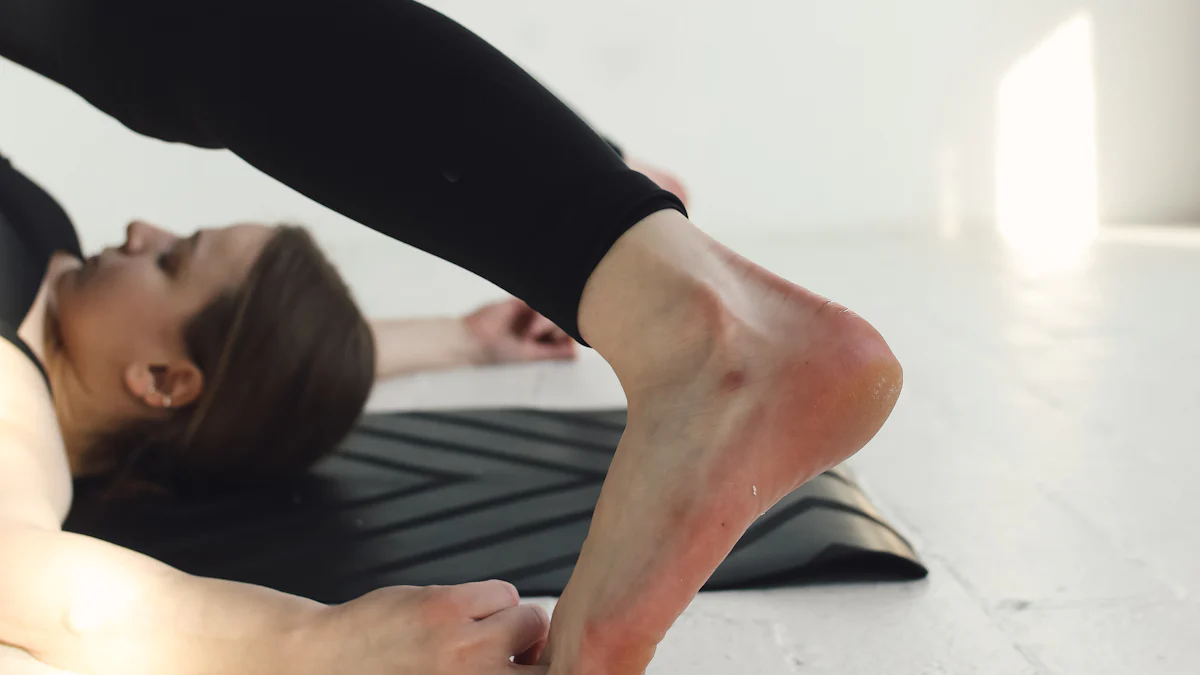
Finding the perfect spot for your Ashtanga Yoga practice can make a big difference. Look for a quiet area in your home where you can focus without distractions. A corner of your living room, a spare bedroom, or even a balcony can work well. Ensure the space has enough room for you to stretch out comfortably. Natural light can enhance your mood, so consider a spot with windows. If possible, choose a location that feels peaceful and inviting.
Essential equipment and props
Having the right equipment can elevate your practice. Start with a quality yoga mat. A thicker mat, around a quarter-inch, provides cushioning for vigorous practices like Ashtanga. This thickness helps prevent bruising during challenging poses.
Next, consider adding yoga blocks to your setup. Two blocks can support you in tricky balance postures and help maintain proper alignment. They make it easier to hold poses and deepen your stretches.
A yoga strap is another great addition. Use it to enhance your flexibility and deepen your stretches. It can assist you in reaching difficult positions and improve your overall practice.
Setting the ambiance for practice
Creating the right atmosphere can enhance your experience. Start by decluttering your practice space. A clean area helps clear your mind and allows you to focus on your movements.
Consider lighting. Soft, warm lights or candles can create a calming environment. If you enjoy music, play soft instrumental tunes to help you relax.
Finally, add personal touches. Maybe a plant or a picture that inspires you. These elements can make your space feel more inviting and motivate you to practice regularly.
By choosing the right location, equipping yourself with essential props, and setting a calming ambiance, you’ll create a home practice space that supports your Ashtanga Yoga journey. Enjoy the process and let your practice flourish!
Developing a Routine for Ashtanga Yoga in Hindi
Structuring your practice schedule
Creating a consistent practice schedule is crucial for your Ashtanga Yoga journey. Start by determining how many days a week you can commit to practice. Aim for at least three to five days. This frequency helps you build strength and flexibility over time.
Consider practicing at the same time each day. Morning sessions can energize you for the day ahead. Evening practices can help you unwind and reflect. Choose a time that fits your lifestyle and feels right for you.
Once you set your days and times, write them down. A visual reminder keeps you accountable. You might even want to use a calendar or a planner to track your sessions.
Starting with the primary series
As a beginner, focus on the primary series of Ashtanga Yoga, known as Yoga Chikitsa. This series emphasizes detoxification and alignment. It consists of a specific sequence of postures that build a strong foundation for your practice.
Start with the sun salutations to warm up your body. Then, move through standing poses, seated poses, and finishing poses. Each pose has its own benefits, so take your time to understand them.
Don’t rush through the series. Allow yourself to feel each posture. If you struggle with a pose, modify it or use props. Remember, progress takes time. Celebrate small victories along the way.
Incorporating breath and meditation
Breath control, or Pranayama, plays a vital role in Ashtanga Yoga. Focus on your breath as you move through each pose. Use Ujjayi breath, which involves a slight constriction of the throat. This technique creates a soothing sound and helps you maintain focus.
Incorporate meditation into your routine as well. Spend a few minutes before or after your practice in stillness. Close your eyes, breathe deeply, and observe your thoughts. This practice enhances your mental clarity and emotional balance.
As you develop your routine, remember that Ashtanga Yoga is not just about physical postures. It’s a holistic practice that nurtures your mind and spirit. Embrace this journey, and enjoy the transformation it brings.
Utilizing Online Resources for Ashtanga Yoga in Hindi
Recommended online classes and tutorials
You can find a wealth of online classes and tutorials to enhance your Ashtanga Yoga practice. Websites like UrbanPro offer a comprehensive list of the best Ashtanga Yoga classes. You can browse through various tutors and even book a free demo class to see which instructor suits you best. With over 1,200 options available, you can easily find a class that fits your schedule and learning style.
Another great resource is Ashtanga Philippa. This site provides detailed information about Ashtanga Yoga classes, retreats, and workshops. You can explore their offerings and find a class that resonates with your goals. Check out their Learning Ashtanga Asana section for insightful articles that can deepen your understanding of the practice.
Apps and platforms for guided practice
In today’s digital age, several apps and platforms can guide your Ashtanga Yoga journey. Omstars stands out as a fantastic option. This platform offers a variety of classes that cater to different skill levels. You can access expert instructors who provide step-by-step guidance through each pose. The app also features a community aspect, allowing you to connect with fellow practitioners.
Other popular apps include YogaGlo and Down Dog. Both provide a range of classes, including Ashtanga Yoga in Hindi. You can customize your practice based on your preferences, whether you want a quick session or a longer, more intensive workout.
Joining online communities for support
Connecting with others can significantly enhance your Ashtanga Yoga experience. Consider joining online communities where you can share your journey, ask questions, and seek advice. Platforms like Facebook and Reddit have dedicated groups for Ashtanga Yoga enthusiasts. Engaging with these communities can provide motivation and support as you navigate your practice.
You can also explore forums on websites like Yoga Journal. These spaces allow you to interact with experienced practitioners who can offer valuable insights. Sharing your challenges and successes with others can make your practice more enjoyable and fulfilling.
By utilizing these online resources, you can enrich your Ashtanga Yoga practice in Hindi. Whether you choose to follow classes, use apps, or connect with communities, you’ll find plenty of support on your journey.
Tips for Maintaining Motivation in Ashtanga Yoga
Setting realistic goals
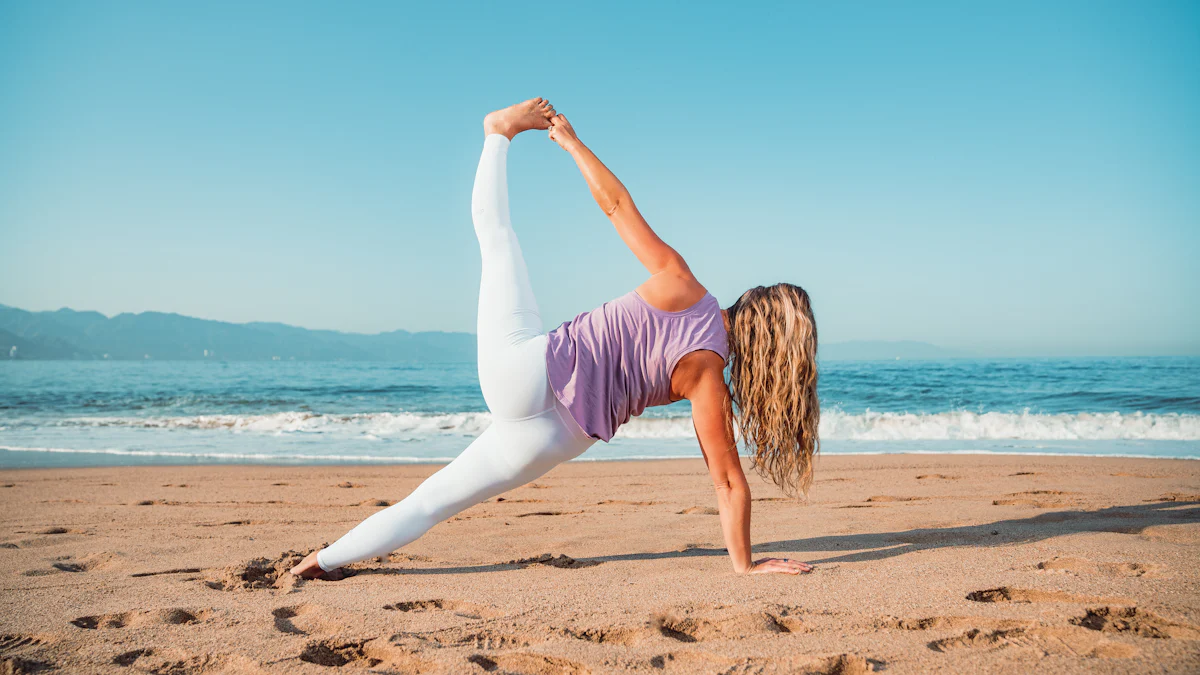
Setting achievable goals keeps you motivated on your Ashtanga Yoga journey. Start by defining what you want to accomplish. Maybe you aim to master a specific pose or practice consistently for a month. Break these larger goals into smaller, manageable steps. For example, if you want to improve your flexibility, focus on stretching for just a few minutes each day. Celebrate these small victories. They build your confidence and keep you excited about your practice.
Tracking your progress
Tracking your progress helps you see how far you’ve come. Consider keeping a yoga journal. Write down your practice sessions, the poses you worked on, and how you felt afterward. This reflection allows you to notice patterns and improvements over time. You might even want to take photos of yourself in different poses. Comparing these images can show your growth and inspire you to keep going.
Survey Results show that long-term practitioners find tracking their progress essential. They report feeling more connected to their practice when they can visualize their journey.
Finding a practice buddy or community
Finding a practice buddy or joining a community can boost your motivation. Share your goals with a friend who practices yoga. You can encourage each other and hold each other accountable. Practicing together makes the experience more enjoyable.
If you don’t have someone nearby, explore online communities. Platforms like Facebook and Reddit have groups dedicated to Ashtanga Yoga. Engaging with others who share your passion can provide support and inspiration. You’ll find tips, share experiences, and celebrate each other’s successes.
Remember, you’re not alone on this journey. Connecting with others can make your practice more fulfilling and fun.
Common Challenges and Solutions in Ashtanga Yoga
Overcoming physical limitations
You might face physical limitations when practicing Ashtanga Yoga. These challenges can feel discouraging, especially if you see others mastering poses with ease. Remember, everyone has their own journey. Focus on your body and its unique capabilities.
Start by modifying poses. Use props like blocks or straps to help you achieve the correct alignment. This approach allows you to practice safely while building strength and flexibility over time. If a pose feels too challenging, skip it for now. You can always return to it later as you progress.
Celebrate your achievements, no matter how small. Each step forward counts. Whether you hold a pose for a few seconds longer or deepen your stretch, acknowledge your growth. Cultivating a positive mindset will help you stay motivated and committed to your practice.
Dealing with distractions at home
Practicing at home can bring its own set of distractions. Family members, pets, or even the TV can pull your focus away from your practice. To combat this, create a dedicated space for yoga. Choose a quiet corner where you can minimize interruptions.
Set boundaries with those around you. Let your family know when you plan to practice. Ask them to respect your time and space. You might even consider using a sign to indicate when you’re in your practice zone.
If distractions still creep in, try incorporating calming techniques. Play soft music or use essential oils to create a soothing atmosphere. These elements can help you center your mind and enhance your focus during practice.
Staying committed to your practice
Staying committed to your Ashtanga Yoga practice can be tough, especially on busy days. You may feel low on energy or motivation. On those days, remind yourself why you started this journey.
Set realistic goals for your practice. Instead of aiming for an hour-long session every day, start with shorter practices. Even 15 minutes can make a difference. Gradually increase your practice time as you build consistency.
Consider tracking your progress. Keep a journal to note your sessions, feelings, and achievements. This reflection can help you see how far you’ve come and motivate you to keep going.
Finding a practice buddy can also boost your commitment. Share your goals with a friend who practices yoga. You can encourage each other and hold each other accountable. Practicing together makes the experience more enjoyable and fulfilling.
By addressing these common challenges, you can create a more rewarding Ashtanga Yoga experience. Embrace your journey, stay focused, and remember that every practice brings you closer to your goals.
Starting your Ashtanga Yoga journey at home involves a few key steps. First, create a dedicated practice space. Next, establish a consistent routine that suits your lifestyle. Embrace the primary series and incorporate breath work. Remember, practice itself is the best teacher.
Be patient with yourself. Growth takes time, and every small step counts. As you continue, you'll experience profound transformations in your body and mind. Yoga offers a path to inner peace and strength. Enjoy the journey, and let Ashtanga Yoga enrich your life!
FAQ
What is Ashtanga Yoga?
Ashtanga Yoga is a dynamic form of yoga that combines breathwork, movement, and meditation. You flow through a specific sequence of postures, linking each movement with your breath. This practice not only builds physical strength but also enhances mental clarity.
How often should I practice Ashtanga Yoga?
For the best results, aim to practice six days a week. Morning sessions often provide the most peaceful and energized experience. Consistency is key, so find a schedule that works for you and stick to it.
How can I do Ashtanga practice without a teacher?
Home practice definitely has its challenges. However, practice itself really is the best teacher. Start with online resources, tutorials, or apps that guide you through the primary series. Listen to your body and adjust poses as needed.
What are the benefits of Ashtanga Yoga for beginners?
Ashtanga Yoga helps beginners create a routine of self-discipline. It pushes you beyond your limits, encouraging personal growth. You'll notice improvements in strength, flexibility, and mental focus as you progress.
What are the challenges of practicing Ashtanga Yoga Vinyasa?
Practicing Ashtanga Yoga Vinyasa requires a significant amount of energy. This can be challenging to sustain, especially on busy or low-energy days. Listen to your body and modify your practice when necessary. Remember, it's okay to take breaks.
Can I practice Ashtanga Yoga if I'm a complete beginner?
Absolutely! Ashtanga Yoga welcomes beginners. Start with the primary series and focus on mastering the foundational poses. Use props to assist you and don't rush the process. Progress takes time, so be patient with yourself.
What should I wear for Ashtanga Yoga practice?
Wear comfortable, breathable clothing that allows for movement. Opt for fitted clothes to avoid distractions during your practice. Avoid overly loose garments that might get in the way of your poses.
How can I stay motivated to practice regularly?
Set realistic goals for your practice. Track your progress in a journal to see how far you've come. Find a practice buddy or join an online community for support. Sharing your journey with others can keep you motivated.
Is it normal to feel sore after practicing Ashtanga Yoga?
Yes, feeling sore after practice is common, especially when you're starting out. Your body is adjusting to new movements and strengthening muscles. Allow time for recovery, and consider gentle stretches or restorative yoga on rest days.
How can I incorporate breathwork into my practice?
Focus on your breath as you move through each pose. Use Ujjayi breath, which involves a slight constriction of the throat. This technique creates a soothing sound and helps maintain your focus throughout your practice.
See Also
A Beginner's Guide to Practicing Dhyan Yoga at Home
A Beginner's Guide to Starting Ashtanga Yoga
Kickstart Your Yoga Journey at Home Today

Hi my name is Lia and i am your host in this yoga journey in Portugal, Subscribe to our newsletter to receive every week the best of Yoga in Portugal.

We bring back the importance of initiation into womanhood by Roos-Veerle Krijnen & Ella-June Henrard
Welcome to the Women’s Initiation Retreat by Naked Truth Retreats, a transformative journey into the depths of your True Feminine Nature. This retreat invites you to remember the sacredness and wholeness of your being.
Roos-Veerle Krijnen & Ella-June Henrard