How to Start Partner Yoga with Simple Beginner Poses

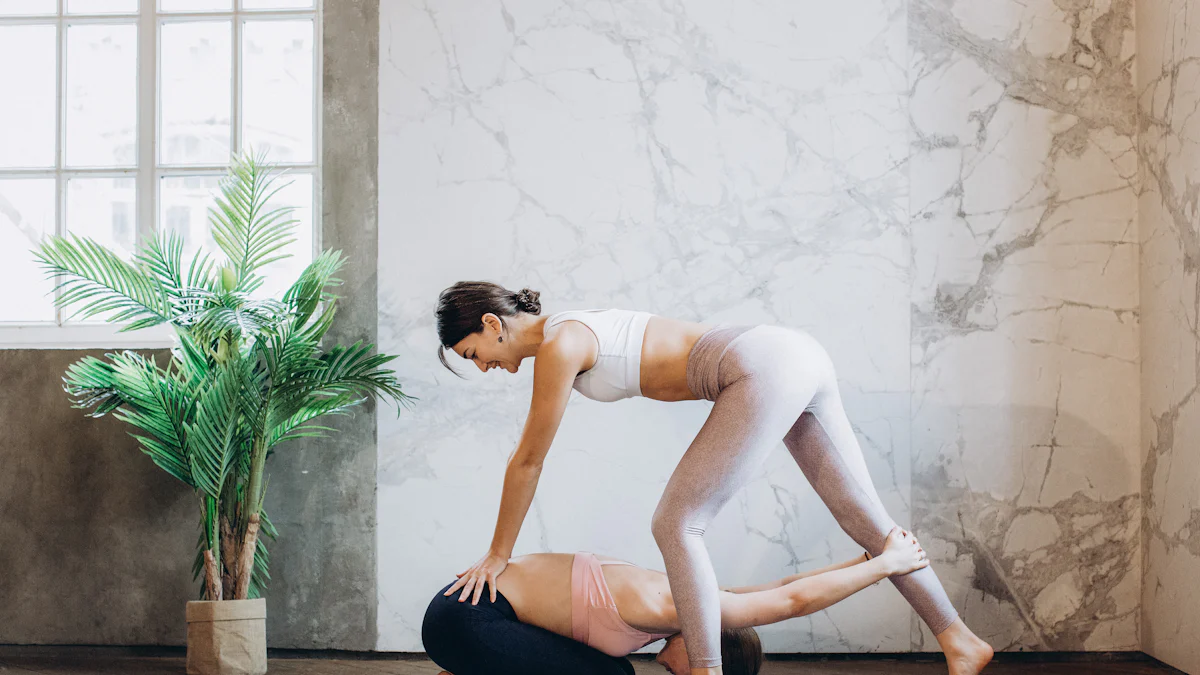
Partner yoga offers a unique way to connect with someone special while enjoying the benefits of yoga. You and your partner can experience increased intimacy and trust as you support each other in various poses. This practice not only strengthens your relationship but also enhances your mental well-being by promoting relaxation and concentration. However, safety is crucial, especially for beginners. Always communicate openly with your partner and ensure you both feel comfortable and supported in each pose. By starting with simple partner yoga positions, you can build confidence and enjoy a rewarding journey together.
Getting Started with Partner Yoga
Choosing the Right Partner
Importance of Compatibility
Choosing the right partner for yoga is crucial. You want someone who shares your enthusiasm and commitment to the practice. Compatibility in physical ability and mindset can make your sessions more enjoyable and productive. When you and your partner are on the same page, you can focus on the poses without unnecessary distractions. This harmony allows you to grow together in your yoga journey.
Communication and Trust
Communication and trust form the backbone of partner yoga. You need to express your needs and listen to your partner's cues. Timothy Burgin, a yoga expert, emphasizes that partner yoga requires cooperation. He suggests that nurturing, supporting, and trusting each other physically and emotionally can enhance your practice. As you learn to trust your partner, you also build trust in yourself. This skill can positively impact your relationship beyond yoga, fostering better understanding and connection in everyday life.
Setting Up Your Space
Selecting a Comfortable Environment
Creating a comfortable environment is essential for a successful yoga session. Choose a space that is quiet and free from distractions. A serene setting helps you focus and relax, making your practice more effective. Natural light and fresh air can enhance your experience, so consider practicing near a window or outdoors if possible. A clutter-free area allows you to move freely and safely.
Necessary Equipment and Props
Having the right equipment and props can make a big difference in your practice. You will need yoga mats for comfort and stability. Blocks and straps can assist in achieving poses and maintaining proper alignment. These tools help you and your partner support each other effectively. Keep a water bottle nearby to stay hydrated, and consider using a towel for added comfort. With the right setup, you can fully immerse yourself in the partner yoga experience.
Warm-Up Exercises
Before diving into partner yoga poses, it's essential to prepare your body with warm-up exercises. Warming up helps reduce the risk of injury and gets your muscles ready for the session. It also sets the tone for a mindful practice, allowing you to focus and connect with your partner.
Joint Rotations
Neck and Shoulder Rotations
Start with neck and shoulder rotations to release tension and increase flexibility. Sit comfortably and gently tilt your head from side to side. Rotate your shoulders in circular motions, first forward and then backward. These movements help loosen up the muscles and improve blood circulation, making you feel more relaxed and ready for yoga.
Wrist and Ankle Rotations
Next, focus on your wrists and ankles. Extend your arms and rotate your wrists in both directions. For your ankles, sit or stand and rotate them clockwise and counterclockwise. These simple rotations enhance joint mobility and prepare your body for more dynamic movements. They are especially beneficial if you spend a lot of time sitting or working at a desk.
Gentle Stretches
Seated Forward Bend
The seated forward bend is a gentle stretch that targets your hamstrings and lower back. Sit with your legs extended in front of you. Inhale deeply, then exhale as you reach forward, aiming to touch your toes. Don't worry if you can't reach them; just go as far as you comfortably can. This stretch helps lengthen your spine and calm your mind, setting a peaceful tone for your practice.
Cat-Cow Stretch
The cat-cow stretch is a classic yoga warm-up that increases flexibility in your spine. Begin on your hands and knees. Inhale as you arch your back, lifting your head and tailbone (cow pose). Exhale as you round your back, tucking your chin and tailbone (cat pose). Repeat this flow several times, synchronizing your breath with each movement. This stretch not only warms up your spine but also encourages a deeper connection with your breath, enhancing your overall yoga experience.
By incorporating these warm-up exercises, you ensure that your body is well-prepared for partner yoga. They help you ease into the practice, making it a more enjoyable and safe experience for both you and your partner.
Simple Beginner Poses
Seated Forward Bend (Paschimottanasana)
Description and Benefits
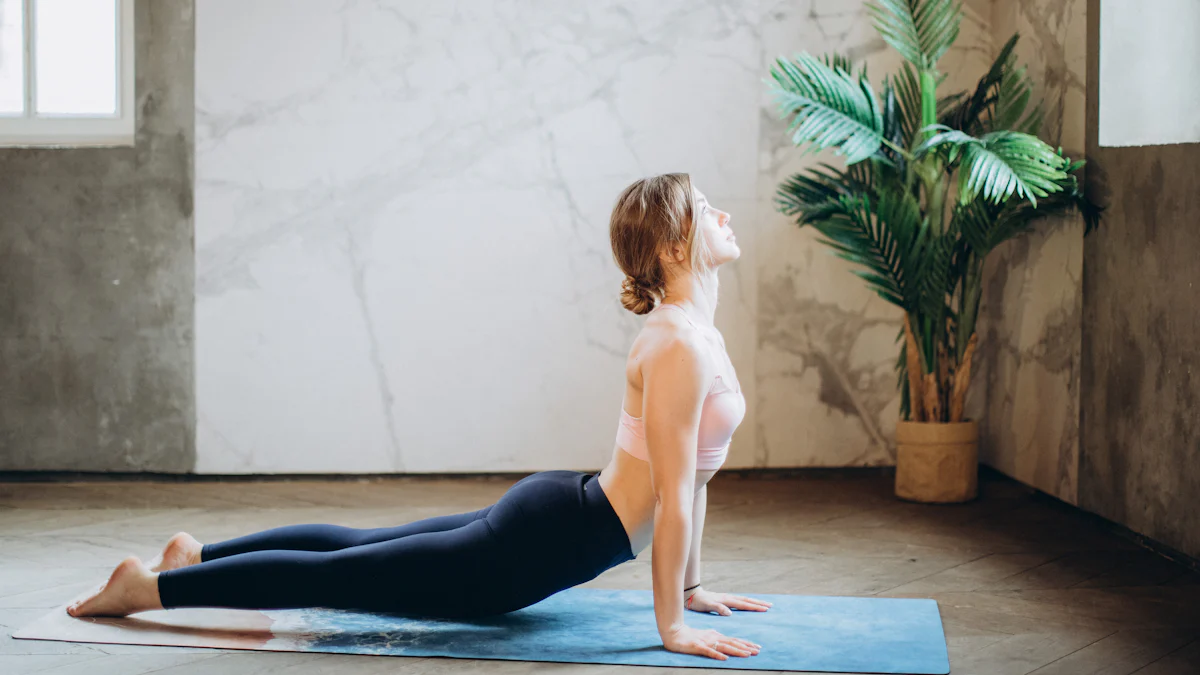
The Seated Forward Bend, or Paschimottanasana, is a classic yoga pose that stretches the spine, shoulders, and hamstrings. You sit with your legs extended in front of you and gently fold forward, reaching towards your toes. This pose helps calm the mind and relieve stress, making it a great addition to your yoga routine. It also improves flexibility and stimulates the internal organs, promoting better digestion.
Partner Variations
In the partner variation, you and your partner sit facing each other with legs extended. Hold each other's wrists or forearms. As one partner leans back, the other folds forward, creating a gentle stretch for both. This variation encourages communication and trust, as you rely on each other for balance and support. Using Yoga Blocks can help bring the ground closer, providing deeper stretches and aiding alignment.
Double Downward Dog (Adho Mukha Svanasana)
Description and Benefits
The Double Downward Dog, or Adho Mukha Svanasana, is a fun and engaging pose that strengthens the arms, shoulders, and legs. In this pose, you form an inverted V-shape with your body, pressing your hands and feet into the ground. This pose enhances circulation and energizes the body, making it a favorite among yoga enthusiasts.
Partner Variations
For the partner variation, one person assumes the traditional Downward Dog position. The other partner places their hands on the first partner's lower back and steps their feet onto the partner's hips, creating a stacked position. This variation requires trust and communication, as both partners must maintain balance and alignment. Consider using a Bolster for added support and comfort, especially if you're new to this pose.
Partner Twist (Ardha Matsyendrasana)
Description and Benefits
The Partner Twist, or Ardha Matsyendrasana, is a seated pose that promotes spinal flexibility and detoxification. You sit with your legs crossed and twist your torso, using your arms to deepen the stretch. This pose helps improve digestion and stimulates the kidneys and liver, making it beneficial for overall health.
Partner Variations
In the partner variation, you and your partner sit back-to-back with legs crossed. Each of you twists to one side, reaching for the opposite knee of your partner. This variation enhances the stretch and encourages a deeper connection between you and your partner. It also fosters a sense of unity, as you synchronize your movements and breath. Using Yoga Blocks can assist in maintaining proper alignment and provide a stable platform for the twist.
By incorporating these simple beginner poses into your practice, you and your partner can enjoy the physical and emotional benefits of yoga. These poses not only improve flexibility and strength but also deepen your connection and trust. Remember to communicate openly and support each other throughout your yoga journey.
Exploring Partner Yoga Positions
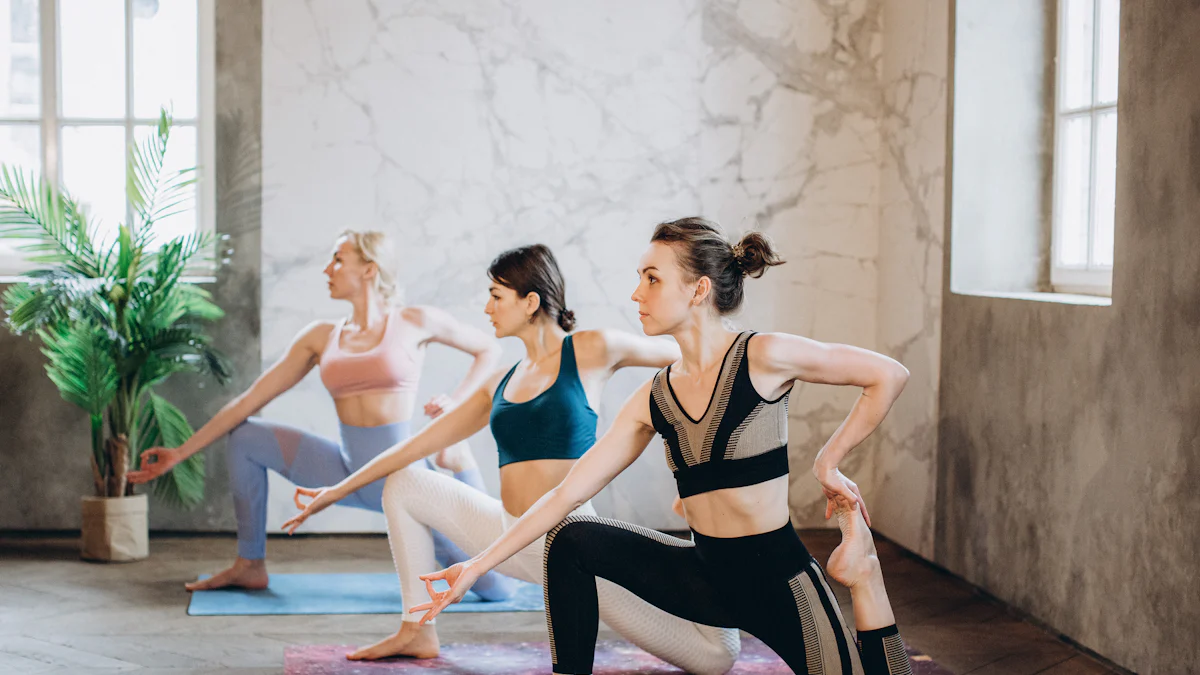
Partner yoga positions offer a unique way to deepen your practice and connection with your partner. These poses require balance, support, and a willingness to work together. Let's dive into understanding and practicing these positions.
Understanding Partner Yoga Positions
Importance of Balance and Support
Balance and support are crucial in partner yoga. You and your partner rely on each other to maintain stability in each pose. This mutual dependence fosters trust and enhances your connection. When you focus on balance, you also improve your coordination and body awareness. Support from your partner can help you achieve poses you might find challenging on your own. Remember, it's not just about physical balance but emotional support too. Encouraging each other builds confidence and strengthens your bond.
Examples of Partner Yoga Positions
Exploring different partner yoga positions can be exciting and rewarding. Here are a few examples to get you started:
Double Tree Pose: Stand side by side, each lifting the outer leg and pressing the sole of the foot against the inner thigh of the standing leg. Hold hands for balance.
Temple Pose: Face each other, step back, and lean forward until your forearms touch. This pose stretches the shoulders and chest.
Partner Boat Pose: Sit facing each other, hold hands, and lift your legs to form a V-shape with your bodies. This pose strengthens the core and improves balance.
These positions not only challenge your physical abilities but also enhance your teamwork and communication skills.
Practicing Partner Yoga Positions
Tips for Maintaining Alignment
Maintaining alignment is key to a successful partner yoga practice. Here are some tips to help you stay aligned:
Communicate: Talk to your partner about how each pose feels. Adjust as needed to ensure comfort and safety.
Focus on Breath: Synchronize your breathing to maintain rhythm and flow in each pose.
Use Props: Incorporate yoga blocks or straps to assist with alignment and provide additional support.
By focusing on alignment, you reduce the risk of injury and enhance the effectiveness of each pose.
Building Confidence with Partner Yoga Positions
Building confidence in partner yoga positions takes time and practice. Start with simple poses and gradually progress to more challenging ones. Celebrate small achievements and encourage each other along the way. Remember, it's okay to wobble or fall. These moments are opportunities to learn and grow together. As you gain confidence, you'll find joy in the journey and discover new ways to connect with your partner.
Tips for a Successful Practice
Consistency and Patience
Establishing a Regular Routine
Creating a regular yoga routine is key to success. You should aim to practice partner yoga consistently, whether it's daily or a few times a week. A set schedule helps you and your partner stay committed and make progress. Consistency builds muscle memory and enhances your skills over time. It also strengthens your bond as you share this journey together. Remember, even short sessions can be beneficial. The important thing is to keep showing up and practicing.
Celebrating Small Achievements
Every step forward in your yoga practice deserves recognition. Celebrate small achievements with your partner. Did you hold a pose longer than before? High five! Did you both manage to synchronize your breathing? That's worth a cheer. These moments of success boost your confidence and motivation. They remind you that progress is happening, even if it feels slow at times. Embrace these victories and let them fuel your enthusiasm for the practice.
Enhancing the Experience
Incorporating Mindfulness
Mindfulness can transform your yoga practice. Focus on being present in each moment. Pay attention to your breath, your body's sensations, and your partner's movements. This awareness deepens your connection with your partner and enhances the benefits of yoga. Mindfulness reduces stress and promotes relaxation. It helps you appreciate the journey rather than just the destination. Try starting each session with a few minutes of meditation to center yourselves.
Using Music and Aromatherapy
Music and aromatherapy can elevate your yoga experience. Soft, calming music sets a peaceful tone for your practice. Choose tunes that resonate with both you and your partner. Aromatherapy adds another layer of relaxation. Essential oils like lavender or eucalyptus can create a soothing atmosphere. Consider diffusing them in your practice space. These elements engage your senses and make your yoga sessions more enjoyable and immersive.
Anonymous once shared, "For a romantic couple, partner yoga can create some marvelous intimacy. Some really nurturing touch." This highlights how enhancing your practice with mindfulness and sensory experiences can deepen your connection.
By incorporating these tips, you can make your partner yoga practice more rewarding and fulfilling. Consistency, patience, and a focus on enhancing the experience will help you and your partner grow together, both on and off the mat.
Partner yoga offers numerous benefits, enhancing both physical and emotional connections. By practicing together, you and your partner can build trust, improve flexibility, and deepen intimacy. This journey encourages you to explore new poses and experiences, fostering a stronger bond. Keep practicing and discovering the joys of partner yoga. Remember, it's not just about the poses but the shared moments and growth. Embrace this journey with an open heart and mind, and enjoy the unique connection it brings to your relationship.
See Also
Beginner's Guide to Yoga Anatomy Essentials
Simple Ways to Introduce Yoga to Young Children
Balancing Svadhisthana Chakra with Powerful Yoga Poses

Hi my name is Lia and i am your host in this yoga journey in Portugal, Subscribe to our newsletter to receive every week the best of Yoga in Portugal.

We bring back the importance of initiation into womanhood by Roos-Veerle Krijnen & Ella-June Henrard
Welcome to the Women’s Initiation Retreat by Naked Truth Retreats, a transformative journey into the depths of your True Feminine Nature. This retreat invites you to remember the sacredness and wholeness of your being.
Roos-Veerle Krijnen & Ella-June Henrard