Simple Yoga Poses for Newbies to Try

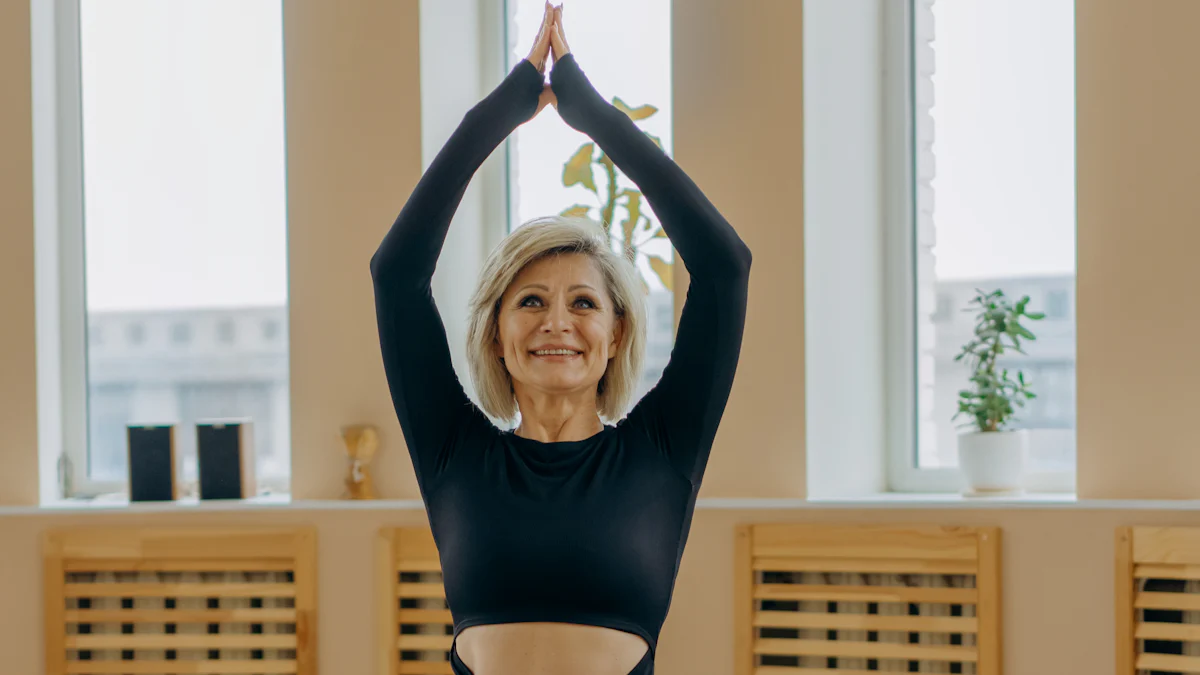
Yoga welcomes everyone, regardless of your experience level. Starting with simple yoga poses can boost your confidence and offer numerous health benefits. Many Americans have embraced yoga, with over 36 million practising it in 2016, up from 20.4 million in 2012. This growth highlights yoga's accessibility and appeal. You can enjoy increased flexibility, muscle strength, and improved mental health through yoga. A gentle introduction ensures you reap these benefits without overwhelming yourself. Remember, yoga is not just about physical postures; it’s a holistic practice that nurtures both body and mind.
Why Start with Simple Poses?
Beginning your yoga journey with simple yoga poses is a wise choice. These poses lay the groundwork for a successful practice, ensuring you gain the most from your efforts.
Building a Strong Foundation
Simple yoga poses help you build a strong foundation. They introduce you to the basic principles of alignment and balance. This foundation is crucial as it prepares you for more advanced poses. By mastering these basics, you develop a deeper understanding of your body and its capabilities. This understanding fosters a love for the practice, encouraging you to continue and explore further.
Reducing the Risk of Injury
Starting with simple poses significantly reduces the risk of injury. Yoga requires precision and awareness. Simple poses allow you to focus on these aspects without the added complexity of advanced movements. You learn to listen to your body, recognising its limits and respecting them. This mindfulness prevents overstretching and other common mistakes that can lead to injury.
Enhancing Flexibility and Strength Gradually
Simple yoga poses enhance flexibility and strength gradually. They gently stretch and strengthen your muscles, promoting physical agility over time. This gradual improvement is beneficial for both your body and mind. As your flexibility increases, so does your confidence. You feel more capable and ready to tackle new challenges. Moreover, regular practice of these poses can lead to increased mental clarity and reduced stress, providing a sense of serenity and well-being.
Essential Tips for Beginners
Embarking on your yoga journey can be both exciting and daunting. To ensure a smooth start, consider these essential tips that will guide you towards a fulfilling practice.
Listen to Your Body
Your body is your best teacher. Pay attention to its signals during your yoga practice. If a pose feels uncomfortable or painful, modify it or take a break. Yoga is not about pushing your limits but about understanding them. By listening to your body, you cultivate a practice that respects your unique needs and abilities. This approach not only prevents injuries but also enhances your overall experience.
Focus on Breathing
Breathing is the cornerstone of yoga. It connects your mind and body, creating a harmonious flow in your practice. Jenny, a seasoned yoga practitioner, emphasises the importance of proper breathing:
"Breathing is important… Obviously. But it’s amazing how often we actually don’t breathe properly which can have a negative impact on us. Yoga has taught me to breathe deeper, slower and in a more correct rhythm."
By focusing on your breath, you enhance your concentration and calm your mind. Practice deep, slow breaths to maximise the benefits of each pose and maintain a steady rhythm throughout your session.
Create a Comfortable Space
Your environment plays a crucial role in your yoga practice. Choose a space that is quiet, clean, and free from distractions. A comfortable space allows you to focus entirely on your practice. Consider using a yoga mat for support and comfort. You might also want to add elements like soft lighting or calming music to enhance the atmosphere. A dedicated space encourages consistency and helps you establish a routine, making your yoga practice a cherished part of your day.
Set Realistic Goals
Setting realistic goals is crucial as you embark on your yoga journey. You might feel eager to master complex poses quickly, but patience and consistency are key. Establishing achievable objectives helps you stay motivated and prevents frustration.
Start Small: Begin with short sessions, perhaps 10 to 15 minutes a day. Gradually increase the duration as you become more comfortable. This approach allows your body to adapt and prevents burnout.
Focus on Progress, Not Perfection: Yoga is a personal journey. Avoid comparing yourself to others. Celebrate small victories, like holding a pose longer or improving your flexibility. These milestones indicate progress and keep you encouraged.
Set Specific Goals: Define what you want to achieve with your practice. Whether it's enhancing flexibility, reducing stress, or improving balance, having clear goals provides direction and purpose.
Be Flexible with Your Goals: Life can be unpredictable. If you miss a session or need to adjust your routine, that's okay. Adaptability is part of the journey. Remember, yoga is about balance, both on and off the mat.
Track Your Progress: Keep a journal or use an app to record your practice. Note how you feel before and after each session. Tracking your progress helps you see improvements over time and reinforces your commitment.
By setting realistic goals, you create a sustainable yoga practice that evolves with you. This approach not only enhances your physical abilities but also nurtures your mental well-being, making yoga a rewarding part of your daily life.
Top 5 Simple Yoga Poses for Newbies
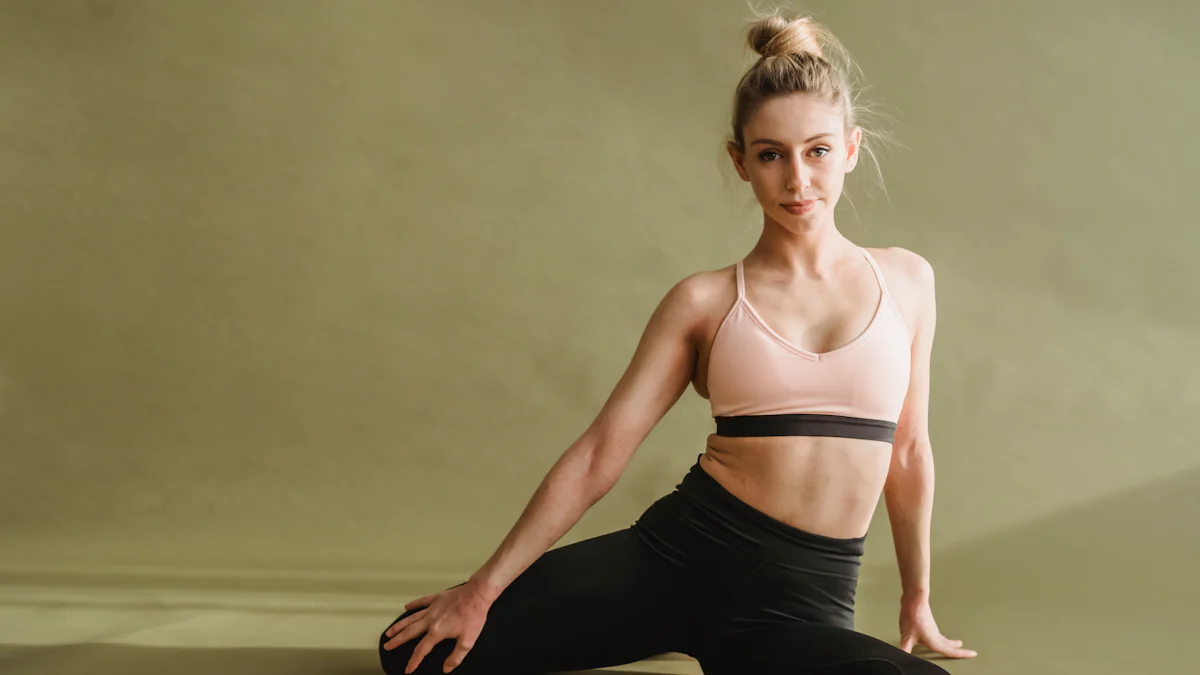
Embarking on your yoga journey can be both exciting and rewarding. Starting with simple yoga poses helps you build confidence and establish a solid foundation. Here are five beginner-friendly poses to get you started.
Mountain Pose (Tadasana)
Step-by-step instructions
Stand tall with your feet together, grounding them firmly into the floor.
Distribute your weight evenly across both feet.
Engage your thighs and lift your kneecaps slightly.
Lengthen your spine, reaching the crown of your head towards the ceiling.
Relax your shoulders away from your ears.
Keep your arms by your sides, palms facing forward.
Breathe deeply and hold the pose for several breaths.
Benefits of the pose
Mountain Pose is a foundational pose in yoga. It improves posture and balance, helping you become more aware of your body's alignment. Practising this pose regularly can enhance your focus and concentration, setting the stage for more complex poses.
Downward-Facing Dog (Adho Mukha Svanasana)
Step-by-step instructions
Start on your hands and knees, with your wrists aligned under your shoulders and knees under your hips.
Spread your fingers wide and press firmly into the mat.
Tuck your toes under and lift your hips towards the ceiling, straightening your legs.
Keep your head between your arms, ears aligned with your upper arms.
Press your heels towards the floor, feeling a stretch in your hamstrings and calves.
Hold the pose for several breaths, maintaining a steady rhythm.
Benefits of the pose
Downward-Facing Dog stretches the entire body, particularly the shoulders, hamstrings, and calves. It strengthens the arms and legs while improving circulation. This pose also helps to calm the mind, making it a great addition to any yoga practice.
Child's Pose (Balasana)
Step-by-step instructions
Kneel on the floor, bringing your big toes together and sitting back on your heels.
Separate your knees about hip-width apart.
Exhale and fold forward, extending your arms in front of you or resting them by your sides.
Allow your forehead to rest on the mat.
Breathe deeply, relaxing your body with each exhale.
Stay in the pose for as long as you feel comfortable.
Benefits of the pose
Child's Pose is a restorative pose that promotes relaxation and stress relief. It gently stretches the hips, thighs, and ankles while calming the mind. This pose is often used as a resting position during yoga practice, allowing you to reconnect with your breath and centre yourself.
Cat-Cow Pose (Marjaryasana-Bitilasana)
The Cat-Cow Pose is a gentle flow between two poses that warms up the body and brings flexibility to the spine. It is an excellent choice for beginners as it introduces you to the rhythm of movement and breath.
Step-by-step instructions
Begin on your hands and knees in a tabletop position. Ensure your wrists are directly under your shoulders and your knees are under your hips.
As you inhale, drop your belly towards the mat, lifting your chin and chest. This is the Cow Pose.
Exhale and draw your belly to your spine, rounding your back towards the ceiling. This is the Cat Pose.
Continue to flow between Cat and Cow, coordinating your breath with each movement.
Repeat this sequence for several breaths, moving at your own pace.
Benefits of the pose
The Cat-Cow Pose helps to increase the flexibility of the spine and relieve tension in the back and neck. It also promotes better posture and balance. By practising this simple yoga pose, you enhance your awareness of your body's alignment and improve your breathing technique.
Warrior I (Virabhadrasana I)
Warrior I is a powerful pose that builds strength and stability. It is one of the foundational poses in yoga, offering a sense of empowerment and focus.
Step-by-step instructions
Stand at the top of your mat and step your left foot back about 3 to 4 feet.
Turn your left foot slightly to the left and bend your right knee over your right ankle.
Raise your arms overhead, keeping your shoulders relaxed.
Square your hips towards the front of the mat and gaze forward.
Hold the pose for several breaths, feeling the strength in your legs and the stretch in your chest.
Repeat on the other side.
Benefits of the pose
Warrior I strengthens the legs, opens the hips, and stretches the chest and shoulders. It enhances focus and concentration, making it a valuable addition to your yoga practice. This pose also encourages a sense of grounding and stability, helping you to build confidence in your abilities.
Common Mistakes to Avoid
Embarking on your yoga journey can be both exciting and rewarding. However, beginners often make some common mistakes that can hinder progress and lead to discomfort. By being aware of these pitfalls, you can ensure a safer and more enjoyable practice.
Overstretching
One of the most frequent mistakes is overstretching. You might feel eager to push your limits, but this can lead to injuries. Yoga is about listening to your body and respecting its boundaries. When practising poses like Mountain Pose (Tadasana), focus on alignment and grounding rather than forcing your body into a deeper stretch. Remember, flexibility develops gradually. Allow your muscles to adapt over time, and you'll find that your range of motion improves naturally.
Holding Your Breath
Breathing is a fundamental aspect of yoga. Yet, many beginners tend to hold their breath, especially when concentrating on a pose. This can create tension and reduce the effectiveness of your practice. Instead, focus on maintaining a steady and deep breath. In poses such as Downward-Facing Dog (Adho Mukha Svanasana), let your breath guide your movements. This not only enhances your physical practice but also calms your mind, creating a harmonious flow between body and breath.
Comparing Yourself to Others
Yoga is a personal journey. It's easy to fall into the trap of comparing yourself to others, especially in a class setting. However, this mindset can lead to frustration and self-doubt. Each person's body is unique, and progress varies from one individual to another. Embrace your own path and celebrate your achievements, no matter how small. In restorative poses like Child's Pose, focus on reconnecting with your breath and body. This will help you cultivate a practice that honours your personal growth and well-being.
By avoiding these common mistakes, you can create a fulfilling and sustainable yoga practice. Remember, yoga is not just about perfecting poses but about nurturing a deeper connection with yourself.
Incorporate these poses into your routine to experience the transformative benefits of yoga. Consistency and patience are key. Regular practice strengthens your body and calms your mind. As you gain confidence, explore further yoga practices. Cat-Cow Pose enhances spinal flexibility and relieves stress, while Warrior I Pose strengthens your legs and opens your hips and chest. Embrace the journey and enjoy the growth. Yoga is not just a physical exercise; it is a path to holistic well-being. Let it enrich your life.
See Also
Simple Yoga Practices for Newbies in Your Home
15 Best Yoga Asanas for Couples: An In-Depth Guide
Best Yoga Applications for Starters: A Detailed Comparison

Hi my name is Lia and i am your host in this yoga journey in Portugal, Subscribe to our newsletter to receive every week the best of Yoga in Portugal.

We bring back the importance of initiation into womanhood by Roos-Veerle Krijnen & Ella-June Henrard
Welcome to the Women’s Initiation Retreat by Naked Truth Retreats, a transformative journey into the depths of your True Feminine Nature. This retreat invites you to remember the sacredness and wholeness of your being.
Roos-Veerle Krijnen & Ella-June Henrard