How to Select the Right Yoga Class for Beginners

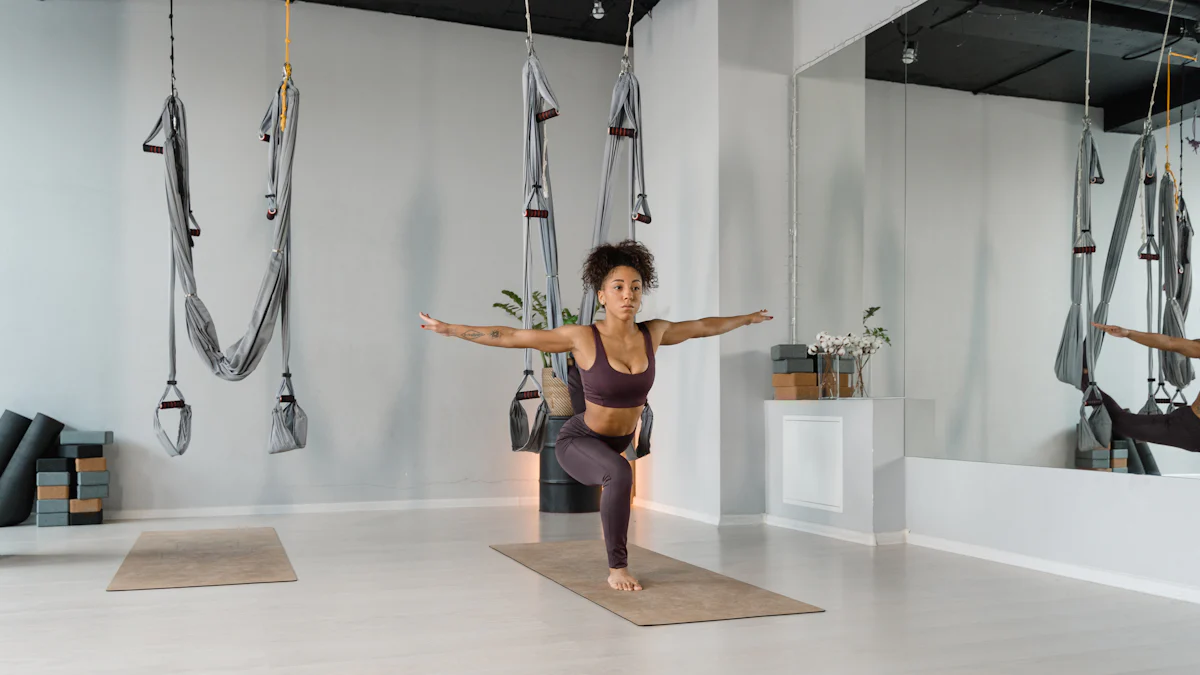
Choosing the right yoga class can feel overwhelming, especially as a beginner. You want a class that matches your personal goals and preferences. Think about what you hope to achieve. Do you seek physical health, mental clarity, or spiritual growth? Each class offers unique benefits. With over 67% of Americans trying yoga at least once, many find it helps improve flexibility and reduce stress. If you're in the area, consider checking out Oxygen Yoga & Fitness Bank Street, which offers a variety of classes tailored to different needs. So, take a moment to reflect on what you want from your practice. This will guide you in selecting a class that truly resonates with you.
Key Takeaways
Reflect on your personal goals before selecting a yoga class; whether it's physical health, mental clarity, or spiritual growth, knowing your objectives will guide your choice.
Consider your learning style; whether you prefer structured guidance or a more intuitive approach, finding an instructor that matches your style can enhance your experience.
Explore different yoga styles like Hatha for beginners, Vinyasa for a dynamic flow, or Restorative for relaxation to discover what resonates with you.
Attend trial classes to experience various instructors and class environments without commitment; this helps you find the right fit for your yoga journey.
Communicate any health concerns or physical limitations with your instructor; they can provide modifications to ensure a safe and enjoyable practice.
Research instructor qualifications and teaching styles to ensure you receive quality guidance that aligns with your goals.
Stay open-minded and willing to explore different classes and styles as you progress; yoga is a personal journey that evolves over time.
Understanding Personal Goals and Preferences
Identifying Your Yoga Goals
Before you step into a yoga class, take a moment to think about your goals. What do you want to achieve? Many people start yoga for various reasons. Some seek physical benefits like increased flexibility or strength. Others look for mental clarity or emotional balance. According to surveys, 54.5% of practitioners begin their journey for physical reasons, while 25.1% focus on mental and emotional health.
Ask yourself these questions:
Do you want to relieve stress?
Are you aiming to improve your physical fitness?
Is spiritual growth important to you?
Understanding your goals helps you choose a class that aligns with your needs. For instance, if you want to enhance your physical health, consider classes that emphasize strength and flexibility. If relaxation is your priority, look for restorative or gentle yoga classes.
Considering Your Learning Style
Your learning style plays a significant role in how you absorb new information and skills. Some people thrive in structured environments, while others prefer a more relaxed approach. Think about how you learn best.
Do you enjoy:
Detailed instructions and demonstrations?
A more free-flowing, intuitive style?
One-on-one feedback from instructors?
If you prefer clear guidance, look for classes with experienced instructors who provide detailed explanations. If you like to explore at your own pace, consider classes that allow for personal expression.
Remember, yoga is a personal journey. You can find a class that suits your unique style and goals. Don't hesitate to try different classes until you find the right fit.
Overview of Different Yoga Styles
Hatha Yoga
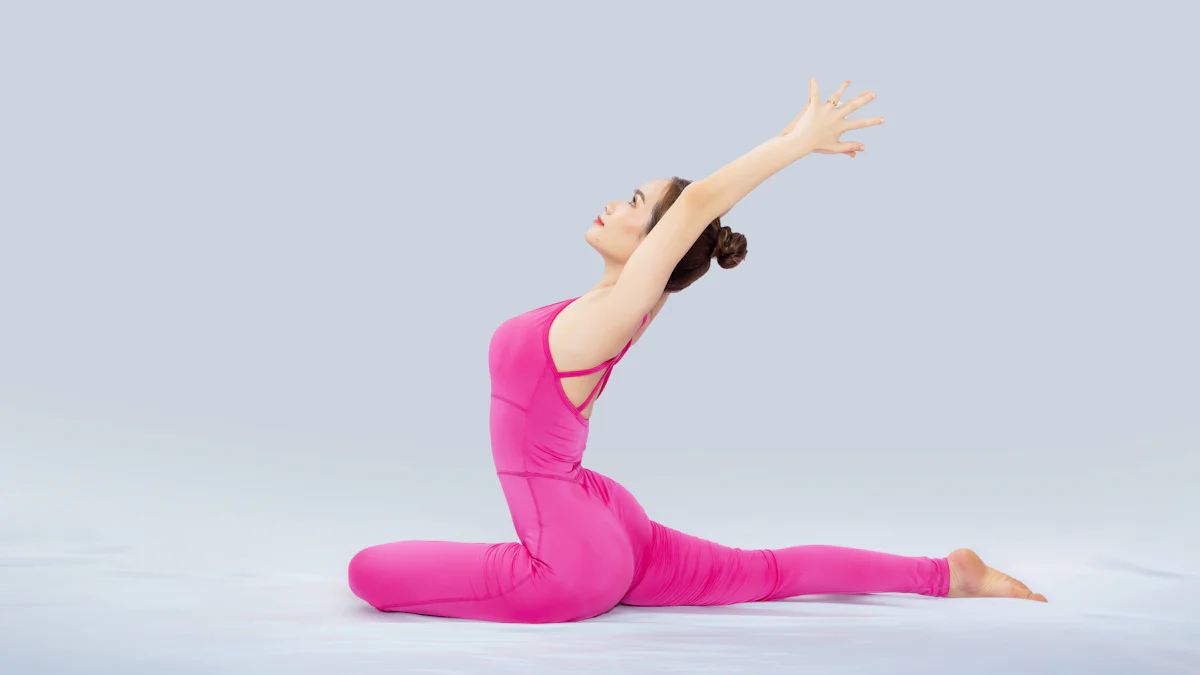
Hatha Yoga serves as a great starting point for beginners. This style focuses on basic postures and breathing techniques. You’ll find that classes often move at a slower pace, allowing you to learn the fundamentals without feeling rushed. Many practitioners appreciate Hatha Yoga for its stress-reducing benefits. According to research, it can help improve muscle and joint flexibility while also enhancing core strength. If you seek a balanced approach to physical and mental well-being, Hatha Yoga might be your best choice.
Vinyasa Yoga
Vinyasa Yoga offers a more dynamic experience. This style links breath with movement, creating a flow that can feel invigorating. You’ll transition between poses in a smooth manner, which can help build strength and endurance. Many people enjoy Vinyasa for its ability to keep the mind engaged while providing a good workout. If you’re looking for a class that combines physical fitness with mindfulness, Vinyasa Yoga could be the right fit for you. It’s a fantastic way to relieve stress and improve cardiovascular fitness.
Restorative Yoga
Restorative Yoga focuses on relaxation and recovery. This style uses props to support your body in various poses, allowing you to hold them for longer periods. You’ll find this practice particularly beneficial if you experience stress or fatigue. Research shows that restorative practices can enhance overall health-related quality of life. By promoting deep relaxation, you can improve your sleep patterns and reduce anxiety. If you need a gentle approach to yoga, consider trying a Restorative Yoga class. It’s perfect for unwinding after a long day.
Yin Yoga
Yin Yoga offers a unique approach that focuses on deep stretching and relaxation. This style emphasizes holding poses for extended periods, usually between three to five minutes. You’ll find that this practice targets the connective tissues, such as ligaments and fascia, rather than just the muscles. By doing so, you can enhance flexibility and improve circulation throughout your body.
Many practitioners appreciate Yin Yoga for its calming effects. Research shows that it can help reduce stress, anxiety, and even sleep disturbances. If you often feel overwhelmed or fatigued, Yin Yoga might be the perfect remedy. It encourages you to slow down and connect with your breath, promoting emotional balance and mental clarity.
Here are some key benefits of practicing Yin Yoga:
Increased Flexibility: Holding poses for longer stretches helps lengthen and soften the connective tissues, making your body more flexible over time.
Improved Circulation: The gentle pressure on the joints and ligaments enhances blood flow, which can lead to better overall health.
Enhanced Joint and Ligament Range of Motion: Regular practice can increase your range of motion, making daily activities easier and more comfortable.
Emotional Balance: The meditative aspect of Yin Yoga allows you to process emotions and find a sense of calm amidst life’s chaos.
If you’re new to yoga, consider trying a Yin Yoga class. It provides a gentle introduction to the practice while allowing you to explore your body’s limits. You’ll leave feeling relaxed and rejuvenated, ready to tackle whatever comes your way.
Assessing Skill Level and Experience
Complete Beginners
If you’re new to yoga, you might feel a bit intimidated. Don’t worry! Everyone starts somewhere. Look for classes specifically labeled as "beginner" or "level 1." These classes focus on the basics, allowing you to learn foundational poses and breathing techniques.
In a beginner class, instructors often provide clear guidance. They’ll help you understand each pose and its benefits. You’ll also find that these classes move at a slower pace. This gives you time to adjust and feel comfortable in each position.
Consider trying Hatha Yoga or Gentle Yoga. Both styles introduce you to essential postures in a relaxed environment. Research shows that these classes can improve flexibility and reduce stress. You’ll build confidence as you progress, making it easier to explore more advanced classes later.
Those with Some Experience
If you’ve practiced yoga before, you might want to explore classes that challenge you further. Look for options labeled as "intermediate" or "level 2." These classes often incorporate more complex poses and sequences. You’ll deepen your understanding of alignment and breath control.
Consider trying Vinyasa Yoga or Yin Yoga. Vinyasa offers a dynamic flow that keeps you engaged while building strength. Yin Yoga, on the other hand, focuses on holding poses for longer periods. This style targets connective tissues, enhancing flexibility and joint circulation. Many practitioners appreciate Yin Yoga for its calming effects, making it a great choice for stress relief.
As you assess your skill level, think about what excites you. Do you want a vigorous workout or a more meditative experience? Your preferences will guide you in selecting the right class. Remember, yoga is a personal journey. Embrace the process and enjoy discovering what works best for you.
Considering Health and Physical Conditions
Existing Injuries or Limitations
Before you choose a yoga class, consider any existing injuries or physical limitations. Yoga can be incredibly beneficial for healing and recovery, but you want to ensure that you select a class that accommodates your needs.
If you have a specific injury, look for classes that focus on gentle movements or restorative practices. Instructors often provide modifications for poses, allowing you to participate safely. For example, if you have knee issues, you might want to avoid classes that emphasize deep squats or lunges. Instead, opt for styles like Restorative Yoga or Gentle Yoga, which prioritize relaxation and support.
Always communicate with your instructor about your limitations. They can guide you on how to adapt poses to suit your body. Remember, yoga should feel good. If something doesn’t feel right, don’t hesitate to modify or skip that pose.
Overall Fitness Level
Your overall fitness level also plays a crucial role in selecting the right yoga class. If you’re just starting your fitness journey, you might want to begin with classes labeled as "beginner" or "level 1." These classes introduce basic poses and breathing techniques, helping you build a solid foundation.
On the other hand, if you already have some fitness experience, you might feel ready for a more challenging class. Many practitioners enjoy Vinyasa Yoga for its dynamic flow, which can elevate your heart rate and build strength.
Consider this: 86% of people report a significant improvement in their mood after practicing yoga. This statistic highlights how yoga can enhance your overall well-being, regardless of your fitness level.
When assessing your fitness level, ask yourself:
How active have I been recently?
Do I have any specific fitness goals?
What type of class excites me?
By answering these questions, you can find a class that matches your current abilities while pushing you toward your goals. Embrace the journey, and remember that yoga is about progress, not perfection.
Researching and Evaluating Instructors
Instructor Qualifications
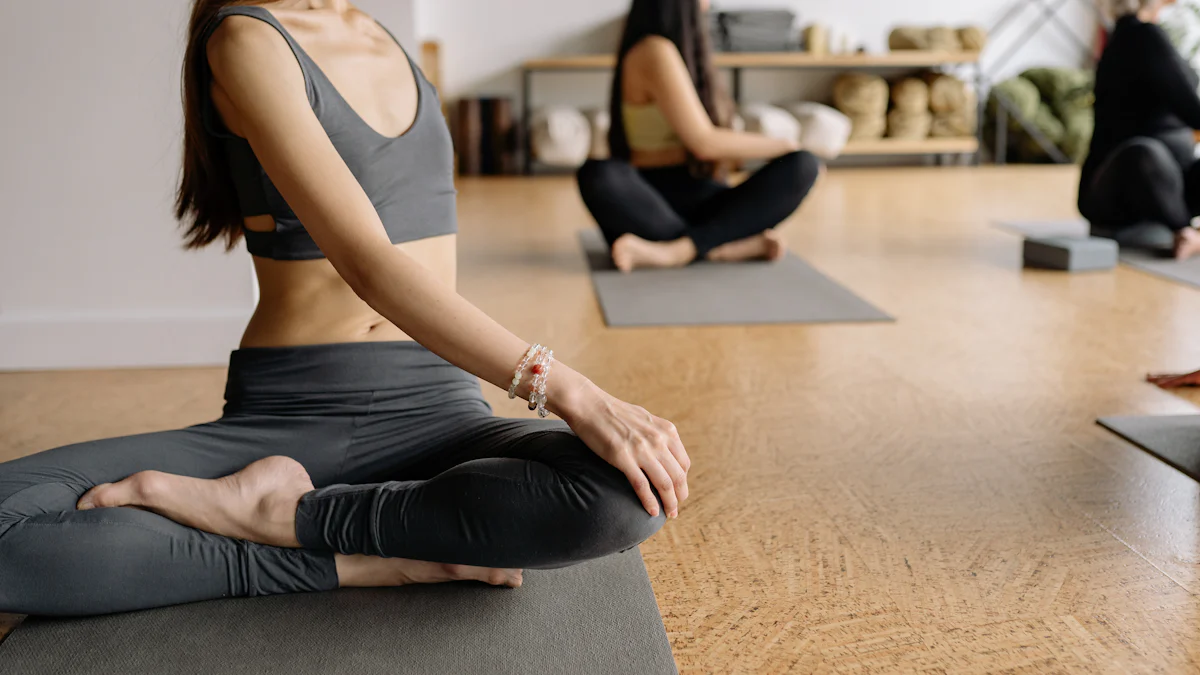
When you choose a yoga class, pay attention to the instructor's qualifications. A well-trained instructor can make a significant difference in your experience. Look for instructors who have completed a recognized yoga teacher training program. Many programs require at least 200 hours of training, covering essential topics like anatomy, alignment, and teaching methods.
You might also want to check if the instructor has any specialized training. For example, some instructors focus on teaching beginners, while others may have expertise in therapeutic yoga for individuals with chronic conditions. If you have specific health concerns, finding an instructor with relevant qualifications can enhance your practice.
Teaching Style and Approach
Every instructor has a unique teaching style. Some may emphasize alignment and precision, while others might focus on flow and creativity. Think about what resonates with you. Do you prefer a structured class with detailed instructions? Or do you enjoy a more relaxed, free-flowing approach?
Consider attending a few classes with different instructors. This way, you can experience various teaching styles firsthand. You might find that one instructor's approach clicks with you more than another's.
Instructors often create a welcoming environment. They should encourage questions and provide modifications for different skill levels. A good instructor will help you feel comfortable and supported throughout your practice.
Remember, the right instructor can enhance your yoga journey. They can guide you in achieving your goals, whether you seek physical fitness, stress relief, or emotional balance. So, take the time to research and evaluate instructors before committing to a class. Your experience will be much more rewarding when you find the right fit.
Analyzing Class Location and Schedule
Proximity to Home or Work
When selecting a yoga class, consider how close it is to your home or workplace. A convenient location can make a big difference in your commitment to practice. If you find a studio nearby, you’re more likely to attend regularly. Think about your daily routine. Can you fit a class into your schedule without feeling rushed?
If you have a busy lifestyle, look for studios that offer classes at various times throughout the day. This flexibility allows you to choose a time that works best for you. Whether you prefer early morning sessions or evening classes, having options makes it easier to stick with your practice.
Class Timing and Frequency
Next, think about the timing and frequency of classes. How often do you want to practice? Many beginners start with one or two classes per week. This frequency helps you build a solid foundation without overwhelming yourself.
Check the studio’s schedule. Do they offer classes at times that fit your availability? If you work during the day, look for evening or weekend classes. Some studios even provide online options, allowing you to practice from the comfort of your home.
Consider the duration of each class as well. Most classes last between 60 to 90 minutes. If you’re new to yoga, shorter classes might be a good starting point. As you gain confidence, you can gradually increase the length and frequency of your sessions.
Finding the right location and schedule can enhance your yoga experience. You’ll feel more motivated to attend classes when they fit seamlessly into your life. So, take the time to evaluate your options. Your yoga journey deserves a solid foundation!
Exploring Reviews and Recommendations
Online Reviews
When you search for a yoga class, online reviews can provide valuable insights. Many studios have websites or social media pages where students share their experiences. Reading these reviews helps you gauge the overall atmosphere and quality of instruction. Look for comments about the instructor's teaching style, class structure, and how welcoming the studio feels.
Here are some tips for navigating online reviews:
Check multiple sources: Don’t rely on just one website. Look at reviews from Google, Yelp, and social media platforms. This gives you a well-rounded view.
Focus on recent reviews: Pay attention to the most recent feedback. Studios can change over time, so current reviews reflect the present experience.
Look for specific details: Reviews that mention specific classes or instructors can help you understand what to expect. For example, if someone praises a gentle yoga class for its calming environment, that might be a good fit for you.
Online reviews can guide your decision-making process. They help you find a class that aligns with your goals and preferences.
Word of Mouth
Word of mouth remains a powerful tool when selecting a yoga class. Talk to friends, family, or coworkers who practice yoga. They can share their experiences and recommend studios or instructors they trust. Personal recommendations often carry more weight than online reviews because they come from people you know.
Consider asking these questions:
What do you like about your yoga class?
How does the instructor make you feel?
What styles of yoga have you tried?
These conversations can lead you to hidden gems in your area. You might discover a local studio that offers exactly what you need. Plus, knowing someone who practices at the same studio can make you feel more comfortable when you attend your first class.
Combining online reviews with personal recommendations gives you a comprehensive view of your options. This approach helps you make an informed choice and sets you up for a fulfilling yoga journey.
Trying Trial Classes
Benefits of Trial Classes
Trial classes offer a fantastic opportunity for you to explore different yoga styles without making a long-term commitment. You can experience the class atmosphere, the instructor's teaching style, and the overall vibe of the studio. This firsthand experience helps you determine if a particular class aligns with your goals and preferences.
Here are some key benefits of trying trial classes:
Discover Your Fit: You can find out which yoga style resonates with you. Whether you prefer the calm of Restorative Yoga or the flow of Vinyasa, trial classes let you sample various options.
Assess the Instructor: You get to see how the instructor interacts with students. A good instructor will make you feel comfortable and supported, which is crucial for your practice.
Gauge the Environment: The studio's atmosphere plays a big role in your experience. You want a space that feels welcoming and encourages you to relax and focus on your practice.
Meet Fellow Practitioners: Engaging with other students can enhance your experience. You might find a community that shares your interests and goals.
What to Look for During a Trial
When you attend a trial class, keep an eye out for several important factors. These elements can help you decide if the class is right for you.
Instructor Interaction: Notice how the instructor communicates with students. Do they provide clear instructions? Are they approachable and willing to answer questions?
Class Structure: Pay attention to how the class flows. Does it start with a warm-up, progress through poses, and end with a cool-down? A well-structured class helps you feel more at ease.
Pace of the Class: Observe the pace. Is it too fast for you to follow, or does it feel just right? You want a class that challenges you without overwhelming you.
Use of Props: Check if the instructor incorporates props like blocks or straps. These tools can enhance your practice and make poses more accessible.
Student Engagement: Look around the room. Are other students engaged and enjoying the class? A positive atmosphere can make a big difference in your experience.
By focusing on these aspects during your trial class, you can make a more informed decision about whether to continue with that particular yoga class. Remember, your yoga journey is personal, and finding the right fit is essential for your growth and enjoyment.
Finalizing the Decision
Reflecting on Your Experience
After attending a few trial classes, take a moment to reflect on your experiences. Think about what you liked and what didn’t resonate with you. Did the instructor’s style match your learning preferences? Did the class environment feel welcoming?
Consider these questions:
What aspects of the class made you feel comfortable?
Were there any moments that challenged you in a good way?
Did you connect with the instructor and fellow students?
Trust your instincts. If a class made you feel motivated and excited, that’s a good sign. Remember, yoga is a personal journey. You want to choose a class that aligns with your goals and makes you eager to return.
Many studios offer trial sessions, allowing you to experience the teaching style, class environment, and overall vibe. This firsthand experience helps you gauge if a class suits you. Reflecting on your feelings can guide you toward the right choice.
Making the Commitment
Once you’ve reflected on your experiences, it’s time to make a commitment. Choose a class that feels right for you. Don’t hesitate to sign up for a series or membership if you find a class that excites you.
Here are some tips to help you commit:
Set a Schedule: Decide how often you want to practice. Consistency helps you build a routine and deepen your practice.
Stay Open-Minded: As you progress, you might want to explore different styles or instructors. Keep an open mind and be willing to try new things.
Engage with the Community: Connect with fellow practitioners. Building relationships can enhance your experience and provide support along your journey.
I love seeing the process of my students’ growth, from their first session to their most recent one. This personal connection makes teaching rewarding. You’ll find that engaging with others can motivate you to stick with your practice.
Remember, yoga is about progress, not perfection. Embrace the journey, and enjoy every step along the way. Your commitment to practice will lead to growth, both on and off the mat.
Choosing the right yoga class can transform your practice. Remember to reflect on your personal goals and preferences. Explore different styles, assess your skill level, and consider your health needs. Don't hesitate to try trial classes to find what resonates with you. As you embark on this journey, trust yourself. You’ll discover a community that supports your growth. Classes at places like Oxygen Yoga & Fitness Bank Street can offer a welcoming environment for your practice. Embrace the experience and take that next step with confidence!
FAQ
What should I wear to my first yoga class?
Wear comfortable clothing that allows you to move freely. Look for breathable fabrics that wick away sweat. Many people prefer fitted tops and stretchy pants or shorts. Avoid overly loose clothing, as it can get in the way during poses. Don’t forget to bring a water bottle to stay hydrated!
Do I need to bring my own mat?
Most studios provide mats for beginners. However, bringing your own mat can enhance your comfort. A personal mat gives you a sense of ownership and hygiene. If you decide to use a studio mat, check its condition before class.
How often should I practice yoga as a beginner?
Start with one or two classes per week. This frequency helps you build a solid foundation without overwhelming yourself. As you gain confidence, consider increasing your practice to three or four times a week. Consistency is key to seeing progress.
Can yoga help with stress relief?
Absolutely! Many practitioners turn to yoga for its stress-relieving benefits. Research shows that yoga can lower cortisol levels, which helps reduce stress. Regular practice promotes relaxation and mental clarity. You’ll likely notice a positive shift in your mood.
What if I have a medical condition or injury?
Always consult your doctor before starting yoga if you have a medical condition or injury. Inform your instructor about your limitations. They can provide modifications to ensure your safety. Many classes cater to specific needs, so don’t hesitate to ask for guidance.
How long do yoga classes typically last?
Most yoga classes last between 60 to 90 minutes. Beginners often find shorter classes more manageable. As you progress, you can gradually increase the duration of your sessions. Check the studio schedule for class lengths that suit you.
What if I feel lost during class?
Feeling lost is common for beginners. Don’t hesitate to ask questions before or after class. Instructors appreciate your curiosity and want to help you succeed. Focus on your breath and follow along as best as you can. With time, you’ll become more familiar with the poses.
Are there any age restrictions for yoga classes?
Yoga welcomes practitioners of all ages. Many studios offer classes specifically designed for seniors or children. Look for classes labeled as “all levels” or “beginner-friendly.” You’ll find a supportive community regardless of your age.
How can I find the right class for me?
Explore different styles and instructors. Attend trial classes to see what resonates with you. Pay attention to your goals and preferences. You might prefer a gentle class like Restorative Yoga or a more dynamic style like Vinyasa. Trust your instincts as you discover what feels right.
What is the average retention rate for yoga studio subscribers?
Many studios enjoy a retention rate of 70% to 80% among their subscribers. This high percentage reflects the positive experiences and benefits practitioners gain from regular yoga practice. You’ll likely find a supportive community that encourages you to continue your journey.
See Also
A Newbie's Journey to Discovering Yoga Classes
Your Essential Guide to Local Yoga Classes
Getting Started with Chair Yoga for Newbies

Hi my name is Lia and i am your host in this yoga journey in Portugal, Subscribe to our newsletter to receive every week the best of Yoga in Portugal.

We bring back the importance of initiation into womanhood by Roos-Veerle Krijnen & Ella-June Henrard
Welcome to the Women’s Initiation Retreat by Naked Truth Retreats, a transformative journey into the depths of your True Feminine Nature. This retreat invites you to remember the sacredness and wholeness of your being.
Roos-Veerle Krijnen & Ella-June Henrard