How to Select the Right Iyengar Yoga TTC for You

Choosing the right Iyengar Yoga TTC can shape your entire yoga journey. An informed decision helps you find a program that aligns with your goals and aspirations. The right training not only enhances your personal practice but also sets the foundation for a successful teaching career. You want to ensure that your choice supports your growth and deepens your understanding of this unique yoga style.
Key Takeaways
Choosing the right Iyengar Yoga TTC is crucial for your personal growth and teaching career; ensure it aligns with your goals.
Look for accredited programs recognized by the B.K.S. Iyengar Yoga Association to guarantee high training standards.
A comprehensive curriculum should cover asanas, pranayama, philosophy, and teaching methods, with hands-on practice included.
Instructor qualifications matter; select teachers with rigorous training and ongoing education to guide your learning effectively.
Consider the training location; a serene and accessible environment enhances your focus and practice.
Engage with alumni and attend open days to gain insights and firsthand experiences about the programs you’re considering.
Reflect on your personal goals—whether enhancing your practice or developing teaching skills—to choose the right TTC for you.
Understanding Iyengar Yoga and Its Unique Aspects
The Philosophy of Iyengar Yoga
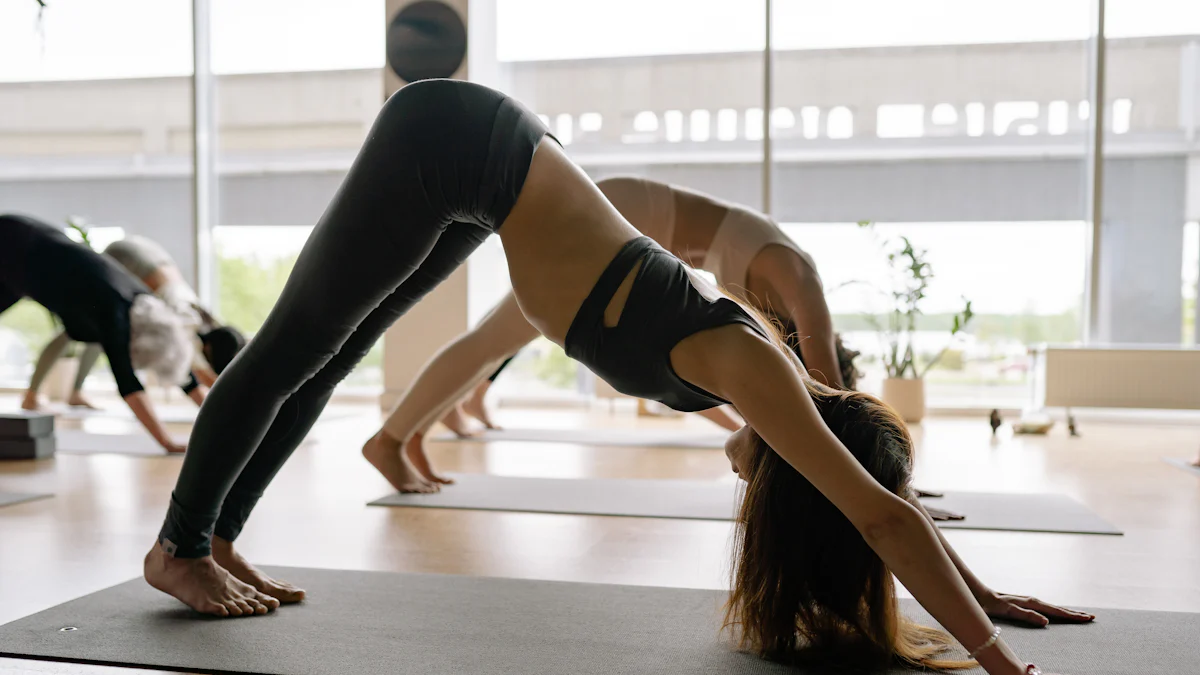
Iyengar Yoga stands out for its deep philosophical roots. This style emphasizes safety, alignment, and self-awareness. You’ll find that the practice encourages you to explore not just the physical aspects of yoga but also the emotional and spiritual dimensions. As you engage with the asanas (postures) and pranayama (breathing techniques), you’ll discover a pathway to meditation and inner freedom. This approach helps you connect with your body and mind, fostering a sense of balance and poise.
Key Principles and Techniques
The key principles of Iyengar Yoga revolve around precision and alignment. You’ll learn to focus on your breath and body in a systematic way. This methodical approach allows you to progress from beginner to advanced levels, considering your unique strengths and weaknesses. Props like blocks, straps, and bolsters play a crucial role in your practice. They support you in achieving correct alignment, making poses accessible regardless of your age or ability. This thorough approach ensures you gain the full benefits of each posture while minimizing the risk of injury.
Benefits of Iyengar Yoga Practice
Practicing Iyengar Yoga offers numerous benefits. You’ll enhance your physical strength and flexibility while developing mental stamina. The structured nature of the training helps you achieve stability and self-realization. Many practitioners report increased awareness of their bodies, leading to improved emotional health. As you deepen your practice, you may find that it not only transforms your physical abilities but also enriches your overall well-being. This holistic approach makes Iyengar Yoga a powerful tool for personal growth.
Key Factors to Consider When Selecting an Iyengar Yoga TTC
Accreditation and Recognition
When you choose an Iyengar Yoga TTC, accreditation matters. Look for programs recognized by the B.K.S. Iyengar Yoga Association or similar organizations. These accreditations ensure that the training meets high standards. You want to learn from a program that follows the rigorous guidelines set by the Iyengar community. This recognition not only enhances your credibility as a teacher but also assures students of your qualifications.
Curriculum and Course Structure
The curriculum shapes your learning experience. A well-structured course should cover various aspects of Iyengar Yoga. Expect to study asanas, pranayama, philosophy, and teaching methodology. The best programs offer a systematic approach, allowing you to progress at your own pace. Check if the TTC includes hands-on teaching practice. This practical experience is crucial for developing your teaching skills.
Consider the duration of the training as well. Iyengar certification typically requires a minimum of three years of study and a 500-hour training program. Make sure the course aligns with your schedule and learning style. A comprehensive curriculum will prepare you for the challenges of teaching Iyengar Yoga effectively.
Instructor Qualifications
Instructor qualifications play a vital role in your training. Ensure that your teachers have undergone rigorous assessments and possess deep knowledge of the Iyengar method. All Iyengar yoga teachers follow a strict mentoring program for at least three years. They must continue attending weekly classes with a Senior teacher even after qualifying. This ongoing education keeps them updated on the latest practices and techniques.
You want to learn from instructors who are passionate about teaching and committed to your growth. Their experience and expertise will guide you through your journey, helping you develop a strong foundation in Iyengar Yoga.
Location and Environment
Choosing the right location for your Iyengar Yoga TTC can significantly enhance your learning experience. You want to immerse yourself in an environment that supports your growth and encourages your practice. Consider the following aspects when evaluating potential training sites:
Serenity and Support: Look for a location that offers a peaceful atmosphere. A serene environment allows you to focus on your practice without distractions. Natural surroundings, such as mountains or beaches, can deepen your connection to yoga.
Accessibility: Ensure the TTC is easy to reach. You don’t want to spend too much time commuting. Check the availability of public transportation or parking options. A convenient location helps you maintain a consistent practice.
Community Vibe: The community around the TTC matters. Engage with local practitioners and teachers. A supportive community can inspire you and provide valuable networking opportunities. You’ll find that sharing experiences with others enhances your learning.
Facilities and Resources: Investigate the facilities offered by the TTC. Look for well-equipped studios with ample props. Access to resources like libraries or study materials can enrich your training. A comfortable space fosters a positive learning environment.
Cultural Experience: If you’re considering a TTC in a different region or country, embrace the cultural experience. Learning in a new environment can broaden your perspective. It allows you to explore how yoga integrates into different lifestyles.
Personal Goals and Preferences in Iyengar Yoga TTC Selection
Teaching Aspirations
When you think about your future in yoga, consider your teaching aspirations. Do you dream of guiding others on their yoga journey? If so, selecting an Iyengar Yoga TTC that emphasizes teaching skills is crucial. Look for programs that offer hands-on teaching practice. This experience builds your confidence and helps you understand diverse student needs.
Many trainees find that observing and assisting in classes enhances their learning. For instance, a trainee at Hills Yoga School shared how observing changes in students motivated them to become a teacher. They learned the importance of alignment and how to support students with injuries. This practical experience can be invaluable as you develop your teaching style.
Personal Practice Enhancement
Your personal practice is just as important as your teaching goals. A strong foundation in Iyengar Yoga will deepen your understanding and enhance your skills. Choose a TTC that focuses on personal practice enhancement. Programs that integrate anatomy, philosophy, and teaching techniques will enrich your experience.
As you progress, you’ll gain insights into the importance of alignment and adjustments. A yoga master once said that watching teaching methods during intensive courses can significantly improve your skills. Engaging in a supportive environment allows you to explore your practice fully. You’ll find that the more you invest in your personal growth, the more effective you become as a teacher.
Tips for Researching and Evaluating Different Iyengar Yoga TTC Programs
Online Research Strategies
Start your journey by diving into online resources. Use search engines to find reviews and testimonials about various Iyengar Yoga TTC programs. Websites like Yoga Alliance and the B.K.S. Iyengar Yoga Association provide valuable insights. Look for forums and social media groups where past students share their experiences. These platforms can offer a wealth of information about the quality of training and the instructors.
When you find a program that interests you, check its official website. Look for details on the curriculum, instructor qualifications, and accreditation. A well-organized site often reflects the professionalism of the program. Don’t hesitate to reach out via email or social media with any questions. Engaging directly with the program can give you a better sense of their responsiveness and support.
Visiting Schools and Attending Open Days
Nothing beats the experience of visiting schools in person. If possible, attend open days or workshops. This allows you to meet instructors and see the facilities firsthand. You’ll get a feel for the environment and the community. Pay attention to how the instructors interact with students. Their teaching style and approach can significantly impact your learning experience.
While visiting, observe the class dynamics. Notice the class size and the level of individual attention students receive. Smaller classes often lead to more personalized feedback. This can be crucial for your growth as a practitioner and future teacher.
Networking with Alumni
Connecting with alumni can provide invaluable insights. Reach out to former students of the Iyengar Yoga TTC programs you’re considering. They can share their experiences and offer advice on what to expect. Ask them about the strengths and weaknesses of the program. Their firsthand accounts can help you make a more informed decision.
Consider joining online alumni groups or attending local meetups. Engaging with this community can also expand your network. You might find mentors or fellow practitioners who can guide you on your yoga journey. Remember, building relationships with others in the field can open doors for future opportunities.
Selecting the right Iyengar Yoga TTC requires careful consideration. Remember to evaluate accreditation, curriculum, instructor qualifications, and location. Reflect on your personal goals and preferences. What do you want to achieve through your training? Take your time to research different programs. Engage with alumni and visit schools if possible. This process will help you make an informed decision that aligns with your yoga journey.
FAQ
What is Iyengar Yoga?
Iyengar Yoga focuses on precision and alignment in postures. You’ll use props like blocks and straps to help you achieve correct alignment. This method allows practitioners of all levels to experience the benefits of yoga safely.
How long does it take to complete an Iyengar Yoga TTC?
Typically, Iyengar Yoga Teacher Training Courses (TTC) require a minimum of three years of study. Most programs offer around 500 hours of training. This duration ensures you gain a deep understanding of the practice and teaching methods.
Do I need prior yoga experience to enroll in a TTC?
While prior experience in yoga can be beneficial, many TTCs welcome beginners. You should have a strong desire to learn and practice. A commitment to daily practice, even for a short time, will help you succeed.
What should I look for in a qualified instructor?
Look for instructors who have undergone rigorous assessments and possess extensive knowledge of the Iyengar method. They should have completed a strict mentoring program and continue their education with senior teachers. Their experience will guide you through your training.
How important is the curriculum in a TTC?
The curriculum plays a crucial role in your learning experience. A well-structured course should cover asanas, pranayama, philosophy, and teaching methodology. Ensure the program includes hands-on teaching practice to develop your skills effectively.
Can I teach yoga immediately after completing my TTC?
After completing your TTC, you may not be fully prepared to teach right away. Many graduates choose to gain more experience through personal practice and assisting in classes. This approach helps you build confidence and refine your teaching style.
What if I have specific personal goals for my yoga practice?
Your personal goals matter when selecting a TTC. Some programs focus more on personal practice enhancement, while others emphasize teaching skills. Reflect on what you want to achieve and choose a program that aligns with your aspirations.
How can I evaluate different TTC programs?
Start by researching online for reviews and testimonials. Attend open days or workshops to experience the environment firsthand. Networking with alumni can also provide valuable insights into the strengths and weaknesses of each program.
Is location important when choosing a TTC?
Absolutely! The location can significantly impact your learning experience. Look for a serene environment that supports your practice. Accessibility and community vibe also play a role in your overall experience.
What are the benefits of practicing Iyengar Yoga?
Practicing Iyengar Yoga enhances physical strength, flexibility, and mental stamina. You’ll develop a deeper awareness of your body, leading to improved emotional health. This holistic approach fosters personal growth and self-realization.
See Also
Selecting The Ideal Yoga School For Your Path
Locating Your Ideal Yoga Session At Virgin Active
Ultimate Handbook For Becoming An RYT Yoga Teacher
Y7 Yoga: Tips For Discovering Top Classes
Detailed Process For Achieving RYT Yoga Instructor Certification

Hi my name is Lia and i am your host in this yoga journey in Portugal, Subscribe to our newsletter to receive every week the best of Yoga in Portugal.

We bring back the importance of initiation into womanhood by Roos-Veerle Krijnen & Ella-June Henrard
Welcome to the Women’s Initiation Retreat by Naked Truth Retreats, a transformative journey into the depths of your True Feminine Nature. This retreat invites you to remember the sacredness and wholeness of your being.
Roos-Veerle Krijnen & Ella-June Henrard