How to Select the Ideal Ashtanga Vinyasa Yoga Teacher Training

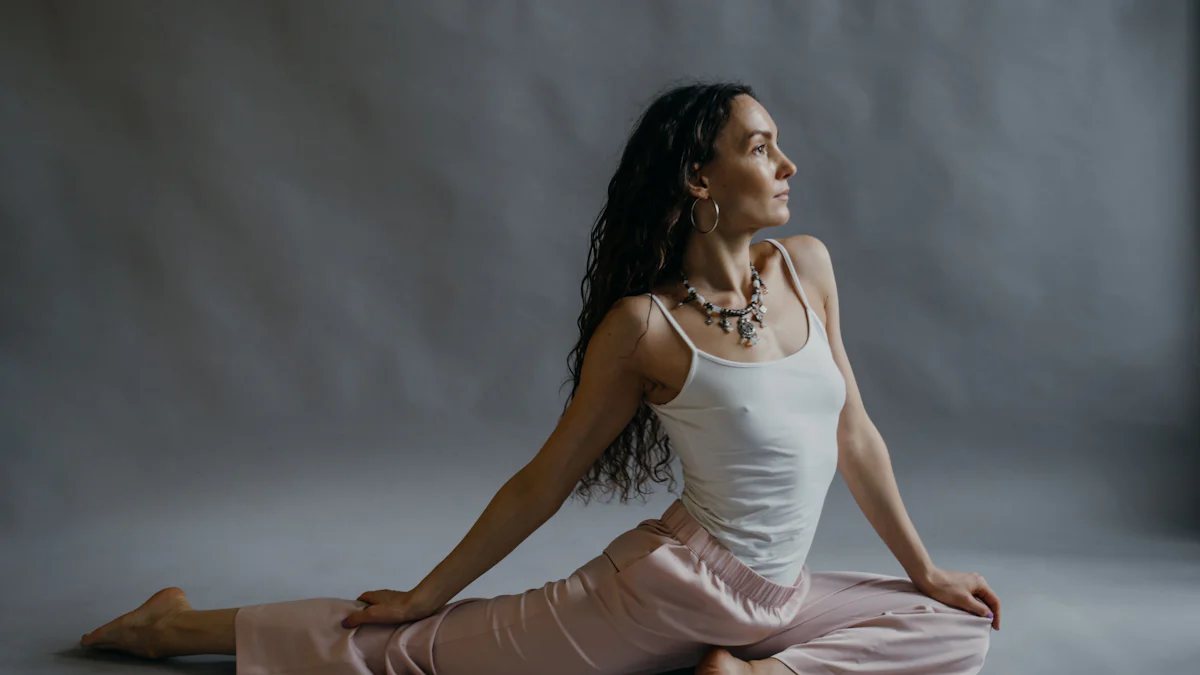
Choosing the right Ashtanga Vinyasa yoga teacher training can shape your journey as a yoga instructor. Start by identifying your personal goals. What do you hope to achieve? Understanding the significance of the Ashtanga Vinyasa style helps you align your aspirations with the program. Evaluate various aspects of the training programs available. This careful consideration ensures you find a training that truly resonates with your needs and ambitions.
Key Takeaways
Define your personal goals and intentions before choosing a training program to ensure it aligns with your aspirations.
Set realistic expectations for your training journey, recognizing that growth takes time and celebrating small victories along the way.
Evaluate the curriculum of potential programs, ensuring they cover essential topics like asana practice, philosophy, anatomy, and teaching methodology.
Consider the format of the training—whether full-time or part-time—and choose one that fits your lifestyle and learning preferences.
Research the qualifications and teaching styles of instructors to find a mentor who resonates with your learning approach.
Trust your intuition during the decision-making process; your gut feelings can guide you toward the right program for your journey.
Read reviews and testimonials from past students to gain insights into the quality and community of the training programs you're considering.
Understanding Personal Goals for Training

Defining Your Intentions
Before diving into a teacher training program, take a moment to reflect on your intentions. What drives you to pursue Ashtanga Vinyasa yoga? Are you looking to deepen your practice, share your passion with others, or perhaps explore a new career path? Defining your intentions helps you choose a program that aligns with your aspirations.
Consider asking yourself these questions:
What do I hope to learn during this training?
How do I envision using my yoga knowledge in the future?
What personal growth do I seek through this journey?
By clarifying your intentions, you set a strong foundation for your training experience. As Rocky Heron, a seasoned yoga teacher, emphasizes, “Understanding your ‘why’ can guide your learning and keep you motivated throughout the process.”
Setting Realistic Expectations
Once you define your intentions, it’s time to set realistic expectations. Yoga teacher training can be intense and transformative, but it’s essential to approach it with a balanced mindset. You might dream of mastering every pose or teaching large classes right away. However, remember that growth takes time.
Here are some tips to help you set achievable expectations:
Acknowledge Your Current Level: Everyone starts somewhere. Whether you’re a beginner or an experienced practitioner, recognize your starting point.
Embrace the Learning Process: Expect to face challenges. Each obstacle offers a chance to learn and grow.
Focus on Progress, Not Perfection: Celebrate small victories along the way. Each step forward counts.
As Trina Altman, another experienced teacher, points out, “Yoga is a journey, not a destination.” Keep this in mind as you navigate your training. By setting realistic expectations, you’ll cultivate patience and resilience, making your experience more rewarding.
Choosing the Right Style of Yoga
Overview of Ashtanga Vinyasa Yoga
Ashtanga Vinyasa Yoga is a dynamic and structured style of yoga. Developed by K. Pattabhi Jois in the early 20th century, this practice combines physical postures, flowing movements, and synchronized breathing techniques. You’ll find that Ashtanga emphasizes the harmony between your body, breath, and gaze. Each movement connects with your inhalation or exhalation, creating a form of “moving meditation.” This unique approach not only enhances your physical strength but also cultivates mental focus.
In Ashtanga, you follow a set sequence of postures, which allows you to track your progress over time. This systematic method helps you build a solid foundation in yoga. You’ll notice that the practice challenges you physically while encouraging mindfulness. As you flow through the sequences, you develop a deeper understanding of your body and breath.
Benefits of Practicing Ashtanga
Practicing Ashtanga Vinyasa Yoga offers numerous benefits that can enhance your overall well-being. Here are some key advantages:
Improved Physical Fitness: Ashtanga is physically demanding. You’ll build strength, flexibility, and endurance as you progress through the sequences.
Enhanced Mental Clarity: The focus on breath and movement promotes mindfulness. You’ll find that this practice helps clear your mind and reduce stress.
Structured Learning: The set sequences provide a clear path for your practice. You can track your growth and mastery of each posture.
Community Connection: Joining an Ashtanga class often means becoming part of a supportive community. You’ll connect with fellow practitioners who share your passion.
As you consider your options for yoga teacher training, remember that Ashtanga Vinyasa Yoga can be a transformative experience. It not only deepens your practice but also prepares you to share this powerful style with others.
Evaluating the Program's Curriculum
Key Components of a Comprehensive Curriculum
When you explore Ashtanga Vinyasa yoga teacher training programs, pay close attention to the curriculum. A well-rounded curriculum should cover essential topics that prepare you for teaching. Look for programs that include:
Asana Practice: You need a strong foundation in postures. The curriculum should guide you through the primary series and advanced sequences.
Philosophy: Understanding the philosophy behind yoga enriches your practice. Seek programs that delve into texts like the Yoga Sutras and the Bhagavad Gita.
Anatomy: Knowledge of human anatomy is crucial. A good program will teach you how the body moves and how to prevent injuries.
Teaching Methodology: This component prepares you to lead classes. You should learn how to communicate effectively and create a supportive environment for your students.
Practicum: Hands-on teaching experience is vital. Look for programs that offer opportunities to practice teaching in real settings.
A comprehensive curriculum ensures you gain the skills and knowledge necessary to become a confident instructor.
Importance of Practical Teaching Experience
Practical teaching experience plays a significant role in your development as a yoga teacher. You can read all the books and attend lectures, but nothing compares to actually teaching. Here’s why practical experience matters:
Builds Confidence: The more you teach, the more comfortable you become. You’ll learn to manage a class, adjust poses, and respond to student needs.
Enhances Learning: Teaching reinforces your understanding of the material. You’ll discover what works and what doesn’t through real-life application.
Fosters Connection: Engaging with students helps you build relationships. You’ll learn to create a welcoming atmosphere that encourages growth and exploration.
Prepares You for Challenges: Real-world teaching presents unique challenges. You’ll face unexpected situations, and practical experience equips you to handle them with grace.
Incorporating practical teaching into your Ashtanga Vinyasa yoga teacher training will set you up for success. You’ll leave the program ready to inspire others on their yoga journey.
Considering the Duration and Format of the Training
Full-time vs. Part-time Programs
When you choose a yoga teacher training program, consider how much time you can dedicate. Full-time programs typically run for several weeks, often lasting around 24 to 28 days. These intensive courses immerse you in the practice, allowing you to absorb the material quickly. You’ll spend long hours each day practicing asanas, studying philosophy, and teaching. This format suits those who can take a break from their daily responsibilities.
On the other hand, part-time programs offer flexibility. They usually spread over several months, meeting on weekends or evenings. This option allows you to balance your training with work or personal commitments. If you have a busy schedule, a part-time program might be the best fit for you.
Think about your lifestyle and how you learn best. Do you thrive in an immersive environment, or do you prefer to take your time? Your answer will guide you in selecting the right format.
Online vs. In-person Training Options
The rise of online learning has transformed yoga teacher training. You now have the option to choose between online and in-person training. Each format has its unique benefits.
Online training offers convenience. You can learn from anywhere, fitting classes into your schedule. Many programs provide recorded sessions, allowing you to revisit lessons at your own pace. This flexibility can be a game-changer if you have a busy life or live far from a training center.
However, in-person training provides a different experience. You’ll engage directly with instructors and fellow students. This interaction fosters a sense of community and support. You can receive immediate feedback on your practice and teaching. Plus, the energy of a live class can be inspiring and motivating.
Consider what matters most to you. Do you value the flexibility of online learning, or do you prefer the connection of in-person classes? Both options can lead to a successful training experience, so choose the one that aligns with your needs and preferences.
Researching the Qualifications and Experience of the Teachers
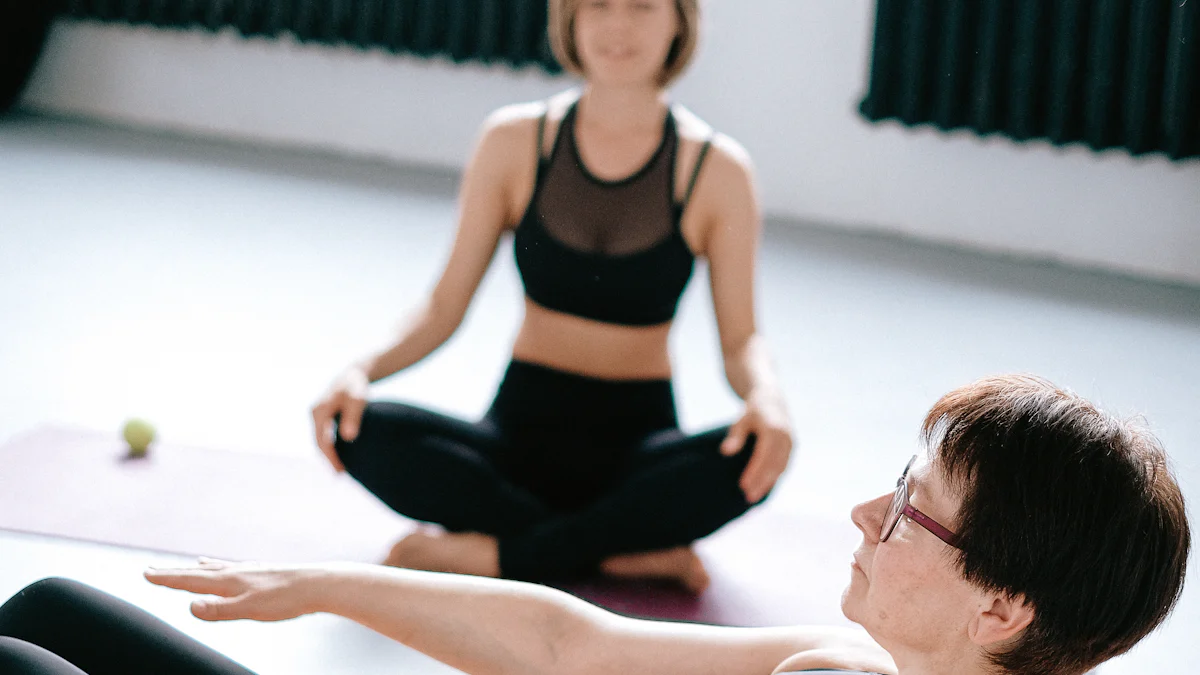
Importance of Teacher Credentials
When you choose an Ashtanga Vinyasa yoga teacher training program, you must consider the qualifications of the instructors. Their credentials can significantly impact your learning experience. Look for teachers who have completed recognized training programs. Certifications from organizations like Yoga Alliance set a standard for quality in yoga education.
A well-qualified teacher not only understands the physical aspects of yoga but also connects deeply with their students. As Celest Pereira, a respected yoga teacher, points out, “Students spend more time with their yoga teachers than their healthcare providers.” This connection plays a crucial role in your well-being. You want instructors who can guide you through challenges and support your growth.
Here are some credentials to look for:
Registered Yoga Teacher (RYT): This certification indicates that the teacher has completed a specific number of training hours.
Specialized Training: Some teachers may have additional training in areas like anatomy, philosophy, or therapeutic yoga.
Experience: Instructors with years of teaching experience often bring valuable insights and techniques to their classes.
Evaluating Teaching Styles and Approaches
Every teacher has a unique style and approach to yoga. Finding a teacher whose style resonates with you is essential. Some instructors focus on alignment and precision, while others emphasize flow and creativity. Consider what teaching style aligns with your learning preferences.
Observe how teachers interact with their students. Do they encourage questions? Are they approachable? A supportive environment fosters growth and confidence. You want to feel comfortable expressing yourself and exploring your practice.
Additionally, think about the methods they use to teach Ashtanga Vinyasa. Do they follow a structured sequence? Do they incorporate modifications for different skill levels? A systematic approach can help you grasp the fundamentals of Ashtanga Vinyasa yoga effectively.
Assessing the Location and Setting of the Training
Urban vs. Retreat Settings
When you think about where to take your Ashtanga Vinyasa yoga teacher training, consider the setting. Do you prefer the hustle and bustle of an urban environment or the tranquility of a retreat? Each option offers unique experiences.
In an urban setting, you’ll find convenience. You can access various amenities, restaurants, and shops nearby. This option suits those who thrive in a lively atmosphere. You might enjoy the energy of city life and the chance to connect with a diverse group of people. However, the noise and distractions can sometimes pull your focus away from your practice.
On the other hand, a retreat setting provides a peaceful escape. You’ll immerse yourself in nature, surrounded by serene landscapes. This environment encourages deep reflection and connection with your practice. You can focus solely on your training without the usual daily distractions. If you seek a transformative experience, a retreat might be the perfect choice.
Think about what environment helps you learn best. Do you feel energized in a busy city, or do you find peace in nature? Your answer will guide you in selecting the right location for your training.
Accessibility and Amenities
Next, consider accessibility and amenities. You want to ensure that the training location meets your needs. Check how easy it is to reach the training site. Are there public transportation options nearby? If you’re flying in, how far is the nearest airport? A convenient location can make your experience smoother.
Also, look into the amenities offered at the training center. Do they provide comfortable accommodations? What about food options? A well-equipped facility can enhance your training experience. You’ll want a space that feels welcoming and supportive.
Here are some factors to consider:
Accommodations: Are the sleeping arrangements comfortable? You’ll spend long hours in training, so a good night’s sleep matters.
Food: Does the center offer healthy meal options? Nourishing food fuels your body and mind during training.
Facilities: Check if they have yoga studios, meditation spaces, and relaxation areas. These features can enrich your overall experience.
By assessing the location and amenities, you’ll find a training program that supports your journey as a yoga teacher. Choose a setting that resonates with you and enhances your learning experience.
Analyzing the Cost and What is Included
Understanding Tuition Fees
When you look at yoga teacher training programs, tuition fees can vary significantly. You might find prices ranging from $1,000 to $10,000. This wide range reflects differences in program quality, duration, and location.
Before you commit, take a close look at what each program offers. Some schools provide comprehensive training with experienced instructors, while others may offer a more basic curriculum. Remember, a higher price doesn’t always guarantee better quality.
Consider these factors when evaluating tuition fees:
Program Length: Longer programs often cost more. They may offer more in-depth training and additional resources.
Location: Training in popular destinations might come with a premium price tag. Urban centers often charge more than rural retreats.
Included Materials: Check if the tuition covers books, manuals, or other learning materials. Some programs may charge extra for these essentials.
Additional Costs to Consider
Beyond tuition, you should factor in other expenses. These costs can add up quickly, so it’s wise to plan ahead. Here are some common additional costs you might encounter:
Accommodation: If the program isn’t local, you’ll need a place to stay. Costs can vary based on the type of lodging you choose.
Meals: Some programs include meals, while others do not. Be sure to check what’s provided.
Travel Expenses: If you’re traveling to a different city or country, consider airfare and transportation costs.
Certification Fees: After completing your training, you may need to pay for certification. This fee can range from $100 to $300 depending on the organization.
Insurance: As a yoga teacher, you might want liability insurance. This cost varies based on coverage options.
By understanding both tuition fees and additional costs, you can make a more informed decision. Take the time to research and compare programs. This way, you’ll find a training that fits your budget and meets your needs.
Reading Reviews and Testimonials from Past Students
Where to Find Reliable Reviews
Finding trustworthy reviews can guide you in selecting the right Ashtanga Vinyasa yoga teacher training program. Start by checking various sources. Look for reviews on standardized websites that specialize in yoga education. Websites like Yoga Alliance often feature feedback from past students. You can also explore blogs dedicated to yoga, where graduates share their experiences.
Don’t hesitate to reach out to graduates directly. Many programs allow you to connect with former students. They can provide genuine insights about their training, the instructors, and the overall environment. Hearing firsthand accounts can help you gauge whether a program aligns with your goals.
What to Look for in Testimonials
When reading testimonials, focus on specific aspects that matter to you. Here are some key points to consider:
Instructor Quality: Look for comments about the instructors' teaching styles and their ability to connect with students. You want teachers who inspire and support you.
Curriculum Effectiveness: Check if past students mention how well the curriculum prepared them for teaching. A strong program should equip you with the necessary skills and knowledge.
Community Environment: Pay attention to reviews that discuss the sense of community within the program. A supportive atmosphere can enhance your learning experience.
Authenticity: Ensure that the program aligns with your values. If students express feeling authentic in their teaching, that’s a good sign. You want to teach in a way that feels true to you.
As you read through testimonials, remember that each person's experience is unique. However, common themes can emerge. If many students praise a particular aspect, it likely holds weight.
In the end, gathering insights from reviews and testimonials can empower you to make an informed decision. Trust your instincts as you sift through the information. Finding a program that resonates with you will set the stage for a fulfilling journey as a yoga teacher.
Trusting Personal Intuition in the Decision-Making Process
The Role of Gut Feelings
When it comes to selecting the right Ashtanga Vinyasa yoga teacher training, your intuition plays a crucial role. Often, your gut feelings can guide you toward the best choice. You might feel drawn to a particular program or instructor without fully understanding why. This instinct can stem from your experiences, values, and aspirations.
Yoga practice enhances your ability to tap into this intuition. As you flow through poses and focus on your breath, you create space for clarity. You may find that answers to your questions emerge more easily during or after your practice. This heightened awareness allows you to connect with your inner wisdom, helping you make decisions that align with your true self.
“Intuitive decision-making benefits when you lack information for thorough analysis.”
Trusting your gut can lead you to a program that resonates with your goals and values. If something feels off about a training, don’t ignore that feeling. Conversely, if a program excites you, embrace that enthusiasm. Your intuition often knows what’s best for you.
Making the Final Decision
After evaluating all the factors, it’s time to make your final decision. This moment can feel overwhelming, but remember to lean on your intuition. Here are some steps to help you finalize your choice:
Reflect on Your Research: Review the programs you’ve considered. Think about how each aligns with your personal goals and values.
Listen to Your Inner Voice: Pay attention to your feelings about each option. Which program excites you the most? Which one feels like a natural fit?
Visualize Your Experience: Imagine yourself in each program. Picture the daily routine, the instructors, and the community. Which scenario brings you joy?
Consult Trusted Friends: Share your thoughts with friends or fellow yogis. They can offer valuable perspectives and support your decision-making process.
Take a Leap of Faith: Sometimes, you just need to trust yourself and go for it. Remember, every choice is a step on your journey.
Ultimately, the right program will resonate with you on multiple levels. By trusting your intuition and following these steps, you’ll find a training that not only meets your needs but also inspires you to grow as a yoga teacher. Embrace the journey ahead, and know that you’re making a choice that aligns with your path.
Aligning your personal goals with the offerings of an Ashtanga Vinyasa yoga teacher training program is crucial. Reflect on your intentions and ask yourself, "Why do I want to do this?" This self-inquiry can guide you toward a suitable course. Conduct thorough research and evaluate each option carefully. Look for programs that resonate with your aspirations. Finally, trust your instincts when making a choice. Your gut feelings often lead you to the right path. Embrace this journey, and remember that the right training will empower you to grow as a teacher.
FAQ
What is included in the 100-Hour Ashtanga Vinyasa Yoga Teacher Training Certification?
Our 100-hour Ashtanga Vinyasa Yoga Teacher Training Course offers a solid foundation for your yoga journey. You’ll dive into the modified Ashtanga Yoga Primary Series and invigorating Vinyasa Flow. This course equips you with essential knowledge, skills, and confidence to practice yoga and integrate it into your daily life.
What are the considerations for Ashtanga Yoga Teacher Training?
Ashtanga Yoga isn’t for everyone. You should consider your personal needs and aspirations before committing. If you resonate with the following points, you might be a great fit for Ashtanga Yoga Teacher Training:
You seek a structured practice.
You enjoy physical challenges.
You want to deepen your understanding of yoga philosophy.
How long does the Ashtanga Vinyasa Yoga Teacher Training typically last?
The duration of Ashtanga Vinyasa Yoga Teacher Training varies. Most programs range from a few weeks to several months. Full-time courses often last around 24 to 28 days, while part-time options spread over several months. Choose a format that fits your schedule and learning style.
Can I take Ashtanga Vinyasa Yoga Teacher Training online?
Yes, many programs now offer online training options. Online courses provide flexibility, allowing you to learn at your own pace. However, consider the benefits of in-person training, such as direct interaction with instructors and fellow students.
What qualifications should I look for in a yoga teacher?
When selecting a yoga teacher, check their credentials. Look for instructors who have completed recognized training programs, like those certified by Yoga Alliance. Experience matters too. Teachers with years of practice often bring valuable insights to their classes.
How important is practical teaching experience during training?
Practical teaching experience is crucial. It builds your confidence and enhances your learning. The more you teach, the more comfortable you become. You’ll learn to manage a class and respond to student needs effectively.
What should I expect from the curriculum of a good training program?
A comprehensive curriculum should cover essential topics. Look for programs that include:
Asana practice
Philosophy
Anatomy
Teaching methodology
Practicum
These components prepare you to become a well-rounded instructor.
Are there any additional costs associated with yoga teacher training?
Yes, beyond tuition fees, consider other expenses. You might need to budget for accommodation, meals, travel, certification fees, and insurance. Understanding these costs helps you plan better and avoid surprises.
How can I find reliable reviews of yoga teacher training programs?
To find trustworthy reviews, check standardized websites that specialize in yoga education. Websites like Yoga Alliance often feature feedback from past students. You can also reach out to graduates directly for genuine insights about their experiences.
What role does intuition play in choosing a training program?
Your intuition plays a vital role in your decision-making process. Trust your gut feelings about a program or instructor. If something feels right, embrace that excitement. Your instincts often guide you toward the best choice for your yoga journey.
See Also
Ultimate Resource for Yoga Instructor Training in India 2024
Guide to Becoming a Yoga Instructor This Year
Pathway to Certification as a Hot Yoga Teacher

Hi my name is Lia and i am your host in this yoga journey in Portugal, Subscribe to our newsletter to receive every week the best of Yoga in Portugal.

We bring back the importance of initiation into womanhood by Roos-Veerle Krijnen & Ella-June Henrard
Welcome to the Women’s Initiation Retreat by Naked Truth Retreats, a transformative journey into the depths of your True Feminine Nature. This retreat invites you to remember the sacredness and wholeness of your being.
Roos-Veerle Krijnen & Ella-June Henrard