How to Select the Best Yoga Teacher Certification Program


Choosing the right yoga teacher certification program can shape your journey in the yoga world. You need to align this choice with your career and personal growth goals. Start by understanding your personal goals and the yoga style you prefer. This clarity helps you make informed decisions. Evaluate the program's curriculum and instructor qualifications. These elements ensure a comprehensive training experience. Accreditation plays a crucial role. It ensures the program meets industry standards and enhances your credibility. Consider practical aspects like cost, location, and format. These should fit your lifestyle and learning preferences.
Identify Your Personal Goals and Preferred Yoga Style
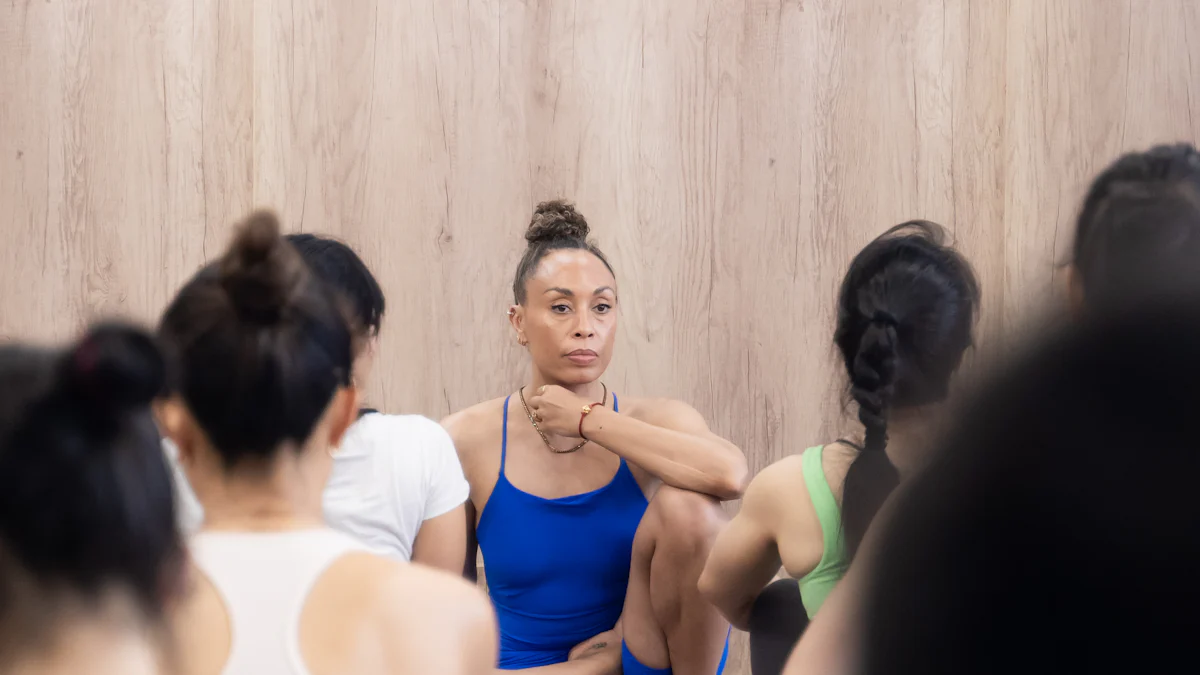
When you're on the path to becoming a yoga teacher, understanding your personal goals and preferred yoga style is crucial. This step sets the foundation for selecting the best yoga teacher certification program that aligns with your aspirations.
Define Your Career Objectives
First, think about what you want to achieve with your yoga teacher certification. Are you aiming to teach full-time, or do you want to integrate yoga into another profession, like therapy or fitness training? Maybe you're looking to deepen your personal practice or share yoga with your community. Defining your career objectives helps you choose a program that supports your vision.
Consider whether you want to specialize in a particular area, such as prenatal yoga, yoga for seniors, or yoga therapy. Each specialization might require different skills and knowledge, so knowing your focus can guide you to the right program.
Explore Different Yoga Styles
Yoga comes in many styles, each with its own philosophy and techniques. From the dynamic flow of Vinyasa to the meditative stillness of Yin, each style offers unique benefits. Take time to explore various styles to see which resonates with you. Attend classes, watch online videos, or read about different practices.
Understanding your preferred style will help you find a yoga teacher certification program that emphasizes that style. If you love the discipline of Ashtanga or the alignment focus of Iyengar, look for programs that specialize in those areas. This ensures that your training aligns with your passion and teaching goals.
By clearly defining your career objectives and exploring different yoga styles, you set a strong foundation for choosing the right yoga teacher certification. This clarity will guide you in making a decision that supports both your personal growth and professional aspirations.
Evaluate the Curriculum and Instructor Qualifications
When you're choosing a yoga teacher certification, it's crucial to dive deep into the curriculum and the qualifications of the instructors. This ensures you receive a well-rounded education that prepares you to teach effectively and safely.
Review the Curriculum Content
Start by examining the curriculum of the yoga teacher certification program. A comprehensive curriculum should cover essential topics like anatomy, teaching methodology, and yogic philosophy. These elements are vital for guiding students confidently and preventing injuries. You want to ensure that the program includes detailed anatomy lessons, proper alignment techniques, and effective sequencing strategies. This foundational knowledge is crucial for your development as a yoga teacher.
Look for programs that offer practice teaching opportunities. These sessions allow you to apply what you've learned in a real-world setting, which is invaluable for building your confidence and teaching skills. Additionally, check if the program aligns with your interests and teaching style. Some programs might focus more on the spiritual aspects of yoga, while others emphasize physical practice. Make sure the curriculum matches what you hope to achieve with your certification.
Assess Instructor Experience and Credentials
The instructors leading the yoga teacher certification program play a significant role in your training experience. You want to learn from experienced teachers who have a deep understanding of yoga and its various styles. Check their credentials and teaching background. Are they certified by respected organizations like Yoga Alliance? Do they have years of teaching experience?
It's also beneficial to attend open houses or introductory sessions if the program offers them. These events provide an opportunity to meet the instructors, ask questions, and get a feel for their teaching style. You want to ensure that their philosophy and approach to teaching yoga resonate with you. This connection can greatly enhance your learning experience and help you grow as a yoga teacher.
By thoroughly evaluating the curriculum and instructor qualifications, you set yourself up for a successful journey in your yoga teacher certification. This careful consideration ensures that you choose a program that not only meets industry standards but also aligns with your personal and professional goals.
Understand the Importance of Accreditation
When you're on the hunt for the best yoga teacher certification, accreditation should be high on your checklist. It acts as a seal of approval, ensuring that the program meets certain educational standards. This not only boosts your credibility as a yoga teacher but also assures potential employers and students of your competence.
Check for Yoga Alliance Accreditation
Yoga Alliance is one of the most recognized accrediting bodies in the yoga world. When a yoga teacher certification program is accredited by Yoga Alliance, it means the program adheres to specific guidelines and standards. These standards cover essential areas like anatomy, physiology, and teaching methodology. Completing a program with this accreditation allows you to register as a '200-hour Registered Yoga Teacher' (RYT 200) with Yoga Alliance. This designation can open doors for teaching opportunities worldwide.
"Yoga Alliance sets the standard for yoga teaching globally," ensuring that graduates possess the necessary skills and knowledge to succeed as yoga teachers.
Many studios and fitness centers prefer or even require their instructors to have a Yoga Alliance certification. This preference underscores the importance of choosing a program with this accreditation. It not only enhances your teaching credentials but also provides you with a network of resources and support through Yoga Alliance membership.
Consider Other Reputable Accrediting Bodies
While Yoga Alliance is a popular choice, it's not the only accrediting body out there. Other reputable organizations also offer accreditation for yoga teacher certification programs. These bodies may focus on different aspects of yoga training, such as therapeutic yoga or specific styles like Kundalini or Ashtanga.
When evaluating these programs, look for those that align with your personal and professional goals. Accreditation from any recognized body ensures that the program maintains high educational standards. This assurance gives you confidence in the quality of your training and the skills you will acquire.
Consider Practical Aspects: Cost, Location, and Format
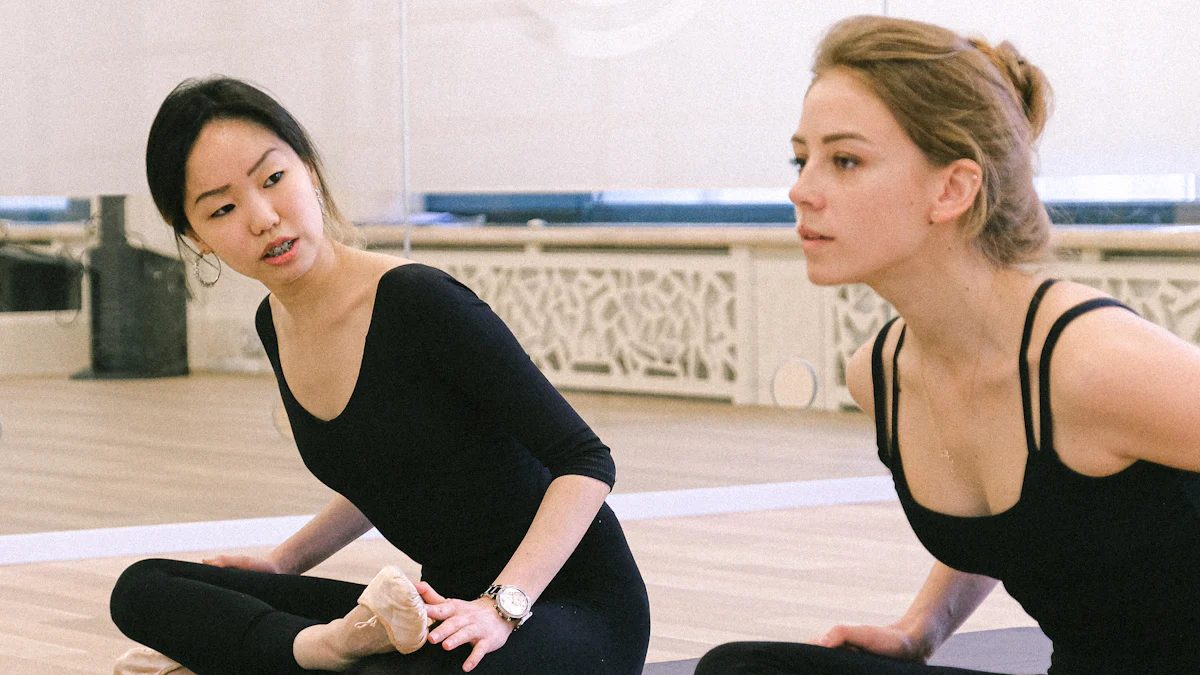
When selecting a yoga teacher certification program, practical aspects like cost, location, and format play a significant role. These factors should align with your lifestyle and learning preferences to ensure a smooth and enjoyable training experience.
Evaluate the Program Cost
The cost of yoga teacher certification programs can vary widely. You might find programs ranging from a few hundred to several thousand dollars. This variation often depends on the program's level, location, and duration. Online certifications tend to be more affordable compared to in-person intensive programs, which require a higher investment.
Consider any additional costs that might arise. These could include travel, lodging, study materials, and application fees. Some programs might also have hidden costs like retreats or extra training sessions. Make sure to factor these into your budget to avoid surprises later on.
"Be aware of hidden costs like travel, lodging, materials, retreats, and additional training sessions."
Choose a Convenient Location
Location is another crucial factor. If you opt for an in-person program, consider how the location will impact your overall experience. A local program might offer convenience and reduce travel expenses. However, an international program could provide a unique cultural experience and broaden your perspective on yoga.
Think about the logistics of attending classes. Will you need to relocate temporarily, or can you commute easily? The location should fit within your lifestyle and commitments. This ensures you can focus on your training without unnecessary stress.
Decide on the Program Format
The format of the program can significantly influence your learning experience. You have several options: in-person, online, or hybrid formats. Each has its own set of advantages.
In-person programs offer hands-on experience and direct interaction with instructors and peers. This can be beneficial for those who thrive in a classroom setting.
Online programs provide flexibility and often come at a lower cost. They allow you to learn at your own pace and fit training into your schedule.
Hybrid programs combine the best of both worlds, offering online coursework with occasional in-person workshops or retreats.
Consider your learning style and schedule when choosing the format. If you prefer face-to-face interaction, an in-person or hybrid program might suit you best. If flexibility is a priority, an online program could be the way to go.
By carefully considering the cost, location, and format of the yoga teacher certification program, you can make a choice that aligns with your personal needs and circumstances. This thoughtful approach ensures that your training journey is both fulfilling and manageable.
Seek Recommendations and Reviews
When you're on the hunt for the best yoga teacher certification program, gathering insights from others can be incredibly helpful. Recommendations and reviews provide real-world perspectives that can guide your decision-making process.
Ask for Recommendations from Trusted Sources
Start by reaching out to people you trust. This could be your current yoga instructor, fellow yoga practitioners, or friends who have completed a certification program. They can offer firsthand experiences and valuable advice. Ask them about the programs they attended, what they liked, and any challenges they faced. Their insights can help you identify programs that align with your goals and avoid those that might not meet your expectations.
Consider joining yoga forums or social media groups. These platforms are great for connecting with a broader community of yoga enthusiasts. You can ask questions, participate in discussions, and gather diverse opinions. Engaging with these communities can provide a wealth of information and support as you navigate your options.
Read Online Reviews and Testimonials
Online reviews and testimonials are another excellent resource. They offer a glimpse into the experiences of past students. Look for reviews on the program's website, but also check independent review sites and forums. This ensures you get a balanced view of the program's strengths and weaknesses.
Pay attention to recurring themes in the reviews. Do many students praise the instructors' expertise? Are there frequent mentions of a supportive learning environment? These patterns can indicate the program's key strengths. Conversely, if multiple reviews highlight issues like poor organization or lack of support, consider these red flags.
"Nearly 60% reported at least one chronic or serious health condition, yet 90.5% agreed their health improved because of yoga." This statistic highlights the positive impact yoga can have, which is often reflected in the testimonials of those who have undergone teacher training.
Remember, while reviews and recommendations are valuable, they should complement your research. Use them to gain additional perspectives, but ultimately, choose a program that feels right for you. By combining personal insights with thorough research, you can confidently select a yoga teacher certification program that aligns with your aspirations and needs.
Align the Program with Your Personal Needs
Reflect on Your Personal and Professional Goals
Before you make a final decision on a yoga teacher certification program, take a moment to reflect on your personal and professional goals. What do you hope to achieve through this training? Are you looking to deepen your personal practice, or do you have aspirations to teach yoga to others? Maybe you want to integrate yoga into another profession, like therapy or rehabilitation.
"I discovered my passion for sharing yoga with individuals with big bodies, injuries, and creaky joints," shared an occupational therapist who integrated yoga into their career. This reflection helped them choose a program that aligned with their unique goals.
Consider how the program can support your vision. If you aim to work with specific populations, such as seniors or those with physical limitations, look for programs that offer specialized training in these areas. Reflecting on your goals ensures that the program you choose will help you grow both personally and professionally.
Make a Decision Based on Comprehensive Research
Once you've reflected on your goals, it's time to make a decision based on comprehensive research. You've already gathered recommendations, read reviews, and evaluated practical aspects like cost and location. Now, synthesize this information to make an informed choice.
List Your Priorities: Write down what matters most to you in a program. This could include accreditation, instructor qualifications, or the opportunity for hands-on teaching practice.
Compare Programs: Use your list to compare different programs. Which ones align best with your priorities? Consider creating a pros and cons list for each option.
Trust Your Instincts: Sometimes, a program just feels right. Trust your instincts and choose the one that resonates with you.
"I entered a 200-hour RYT program to deepen my personal practice and discovered a passion for teaching yoga to 'yoga misfits,'" shared a participant. This realization came from choosing a program that felt right for them.
By aligning the program with your personal needs and conducting thorough research, you set yourself up for a fulfilling and successful yoga teacher training journey. Remember, this decision is about finding the right fit for you, so take your time and choose wisely.
Selecting the right yoga teacher certification program is a personal journey that requires careful thought and research. You want to ensure the program aligns with your goals, style preferences, and practical needs. This alignment is crucial for a fulfilling experience and success in your yoga teaching career. By targeting your goals, you can better choose a yoga school for certification that suits your personal journey. Remember, certifications hold more weight than degrees in the yoga teaching profession. Embark on your yoga teaching journey with confidence and clarity, knowing you have made an informed choice.
See Also
Yoga Certification Programs: Which One Should You Choose?
How to Select the Best Yoga Studio for You
Complete Steps to Achieve Your Yoga Instructor Certification

Hi my name is Lia and i am your host in this yoga journey in Portugal, Subscribe to our newsletter to receive every week the best of Yoga in Portugal.

We bring back the importance of initiation into womanhood by Roos-Veerle Krijnen & Ella-June Henrard
Welcome to the Women’s Initiation Retreat by Naked Truth Retreats, a transformative journey into the depths of your True Feminine Nature. This retreat invites you to remember the sacredness and wholeness of your being.
Roos-Veerle Krijnen & Ella-June Henrard