How to Seamlessly Add Yoga to Your Exercise Regimen

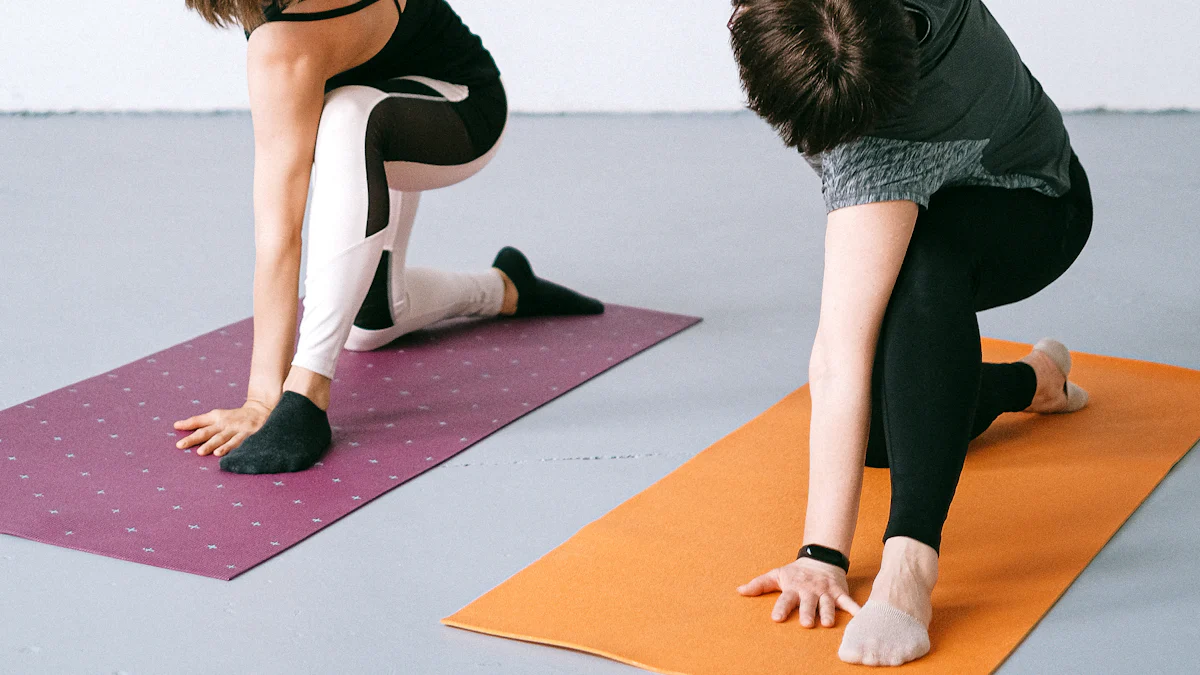
Adding yoga to your workout routine can transform your fitness journey. Yoga enhances flexibility, strength, and mental clarity. Regular practice improves balance and range of motion. It also reduces stress levels and boosts mental health. You might worry about disrupting your current exercise regimen, but yoga complements it beautifully. Use yoga on rest days or integrate it into your warm-ups. This approach ensures you enjoy the benefits without compromising your existing routine. Embrace workout yoga to elevate your physical and mental well-being.
The Benefits of Workout Yoga
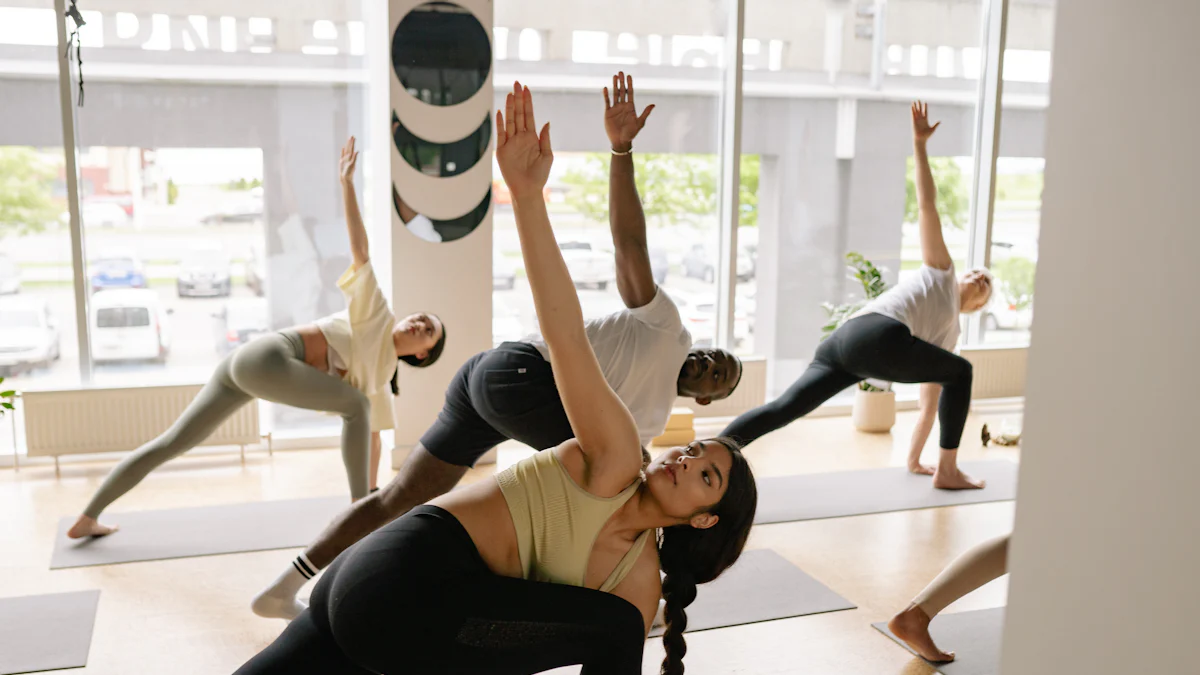
Improved Flexibility
Yoga significantly enhances your flexibility. Regular practice stretches and lengthens your muscles, increasing your range of motion. This improvement in flexibility can prevent injuries during other physical activities. You will notice that everyday movements become easier and more fluid. Scientific research highlights that yoga improves flexibility, which contributes to better posture and alignment. By incorporating workout yoga into your routine, you can experience these benefits firsthand.
Building Strength
Yoga is not just about flexibility; it also builds strength. Many poses require you to support your body weight in new ways, such as balancing on one leg or supporting yourself with your arms. These poses engage various muscle groups, leading to increased muscular strength. Studies show that yoga enhances muscular strength and cardiovascular fitness. As you progress, you will find that your endurance and stamina improve, making other exercises more effective.
Mental Clarity and Relaxation
Beyond physical benefits, yoga offers mental clarity and relaxation. The practice encourages mindfulness and deep breathing, which reduce stress and anxiety. You will find that regular yoga sessions help clear your mind, allowing you to focus better on daily tasks. Research indicates that yoga reduces stress levels and enhances overall quality of life. By integrating workout yoga into your regimen, you can achieve a balanced state of mind and body, promoting overall well-being.
Practical Ways to Incorporate Workout Yoga
Incorporating yoga into your exercise routine can be both practical and rewarding. Here are some effective ways to seamlessly integrate workout yoga into your regimen:
Using Yoga on Rest Days
Rest days are crucial for recovery, but they don't have to mean complete inactivity. Yoga provides a gentle way to keep your body engaged while allowing it to recover. On these days, focus on restorative yoga poses that promote relaxation and flexibility. This approach not only aids in muscle recovery but also enhances your mental well-being. Many people find that practising yoga on rest days helps them think more clearly and feel spiritually rejuvenated. By dedicating time to yoga on these days, you maintain a connection with your body and mind, fostering a holistic sense of health.
Integrating Yoga into Warm-Ups and Cool-Downs
Yoga can serve as an excellent addition to your warm-up and cool-down routines. Before a workout, incorporate dynamic yoga poses to prepare your muscles and joints for more intense activity. Poses like the Sun Salutation can increase blood flow and improve flexibility, setting a solid foundation for your workout. After exercising, use yoga to cool down. Gentle stretches and deep breathing help relax your muscles and reduce soreness. This integration ensures that your body transitions smoothly between different phases of exercise, enhancing overall performance and recovery.
Combining Yoga with Other Exercises
Yoga complements various forms of exercise, making it a versatile addition to any workout routine. You can incorporate yoga poses between sets of weightlifting to maintain muscle engagement and improve focus. For those who enjoy high-intensity interval training (HIIT), adding yoga can help maintain flexibility and prevent injuries. Balancing poses like Tree or Half Moon activate stabilising muscles, enhancing balance and coordination. By combining yoga with other exercises, you create a balanced workout regimen that supports both physical and mental health.
"Yoga has been shown to improve health," and its multifaceted nature makes it a unique form of physical activity. Embracing workout yoga can lead to significant improvements in your quality of life, boosting self-esteem and promoting positive emotions.
Choosing the Right Yoga Style
Understanding Different Yoga Styles
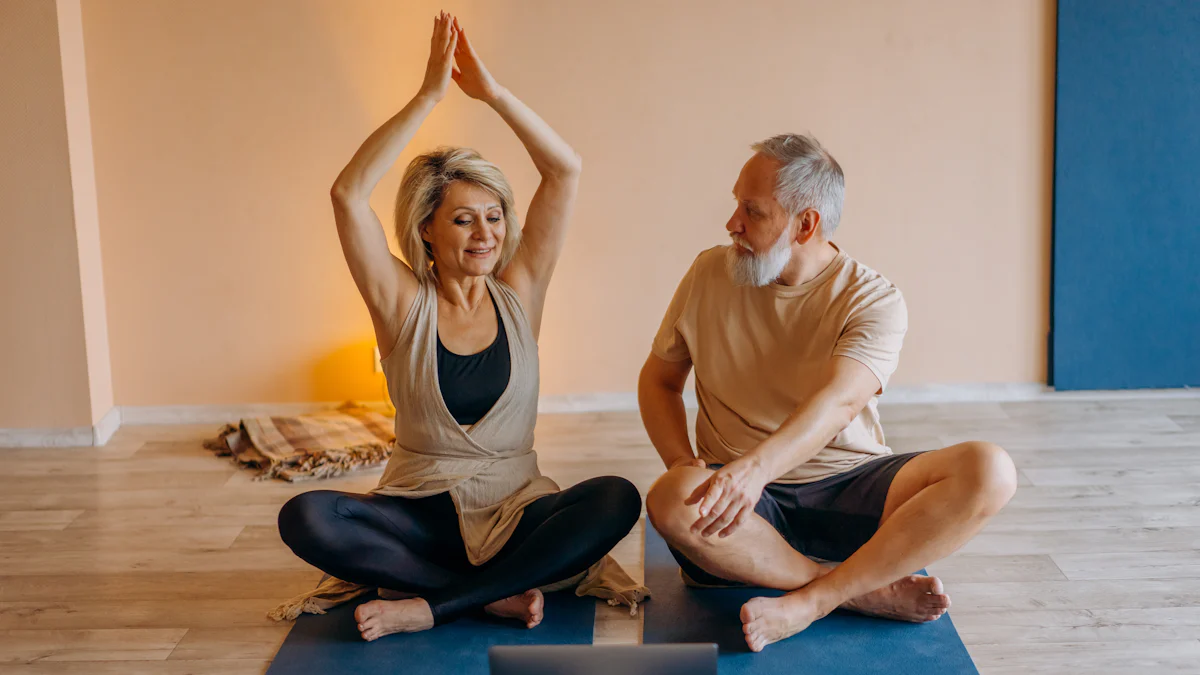
Yoga offers a variety of styles, each with unique benefits. Understanding these styles helps you choose the one that aligns with your fitness goals. Hatha Yoga focuses on basic postures and breathing techniques, making it ideal for beginners. Vinyasa Yoga involves fluid movements and breath synchronisation, providing a dynamic workout. If you seek a more intense practice, Ashtanga Yoga offers a rigorous sequence of poses. For relaxation and stress relief, Yin Yoga targets deep connective tissues through long-held poses.
"Talk with a healthcare provider about trying yoga to improve your health condition and symptoms." This advice from a healthcare expert underscores the importance of selecting a style that suits your physical needs and limitations. Consulting a professional ensures you choose a style that enhances your well-being without causing harm.
Tailoring Yoga to Your Fitness Level
Adapting yoga to your fitness level maximises its benefits. Beginners should start with gentle styles like Hatha or Yin Yoga. These styles build a solid foundation and improve flexibility. As your confidence grows, explore more challenging styles like Vinyasa or Ashtanga Yoga. These styles increase strength and endurance.
Consider your current fitness routine when choosing a yoga style. If you engage in high-intensity workouts, restorative yoga on rest days aids recovery. For those focusing on strength training, incorporating power yoga enhances muscle engagement. Tailoring yoga to your fitness level ensures a balanced and effective exercise regimen.
Creating a Balanced Schedule
Planning Your Weekly Routine
Creating a balanced weekly routine is essential for integrating yoga into your exercise regimen effectively. Start by assessing your current schedule. Identify the days you dedicate to different types of workouts, such as cardio, strength training, or rest. Allocate specific time slots for yoga sessions. You might choose to practise yoga on rest days or incorporate shorter sessions on active days.
Consider the benefits of yoga when planning your routine. Yoga promotes endurance, strength, and flexibility. It also enhances mental well-being. By scheduling regular yoga sessions, you ensure a holistic approach to fitness. Aim for at least two to three yoga sessions per week. This frequency allows you to experience the physical and mental benefits of yoga without overwhelming your schedule.
"Yoga serves as a flexibility and balance enhancer in a well-rounded fitness routine." This insight highlights the importance of including yoga in your weekly plan. A balanced schedule with yoga can lead to improved physical and mental health.
Adapting to Your Lifestyle
Adapting yoga to fit your lifestyle ensures consistency and long-term success. Consider your daily commitments and energy levels. Choose yoga styles and session lengths that align with your lifestyle. For busy days, opt for shorter, more focused sessions. On days with more free time, explore longer, restorative practices.
Flexibility in your schedule is key. Life can be unpredictable, so allow room for adjustments. If you miss a session, don't worry. Simply reschedule it for another day. The goal is to maintain a consistent practice over time.
Yoga motivates you to live a healthier lifestyle. It encourages mindful eating and sustainable living. By adapting yoga to your lifestyle, you create a routine that supports overall well-being. Remember, yoga is a journey. Embrace it as a lifelong practice that evolves with you.
Tips for Maintaining Consistency and Motivation
Maintaining consistency and motivation in your yoga practice can be challenging, but it is essential for reaping the full benefits of workout yoga. Here are some strategies to help you stay on track and motivated:
Setting Realistic Goals
Setting realistic goals is crucial for maintaining motivation. Start by identifying what you want to achieve with your yoga practice. Whether it's improving flexibility, building strength, or enhancing mental clarity, having clear objectives will guide your journey. Break down your goals into smaller, manageable steps. For example, aim to practise yoga for 15 minutes a day, gradually increasing the duration as you become more comfortable.
Survey Results:
71.9% of people start yoga to improve health and fitness.
94% of adults practise yoga to enhance overall wellness.
These statistics highlight the importance of setting achievable goals that align with your health and wellness aspirations. By focusing on attainable targets, you can maintain a sense of accomplishment and motivation.
Staying Motivated
Staying motivated requires finding joy and satisfaction in your yoga practice. Explore different styles and routines to keep your sessions engaging. You might enjoy the dynamic flow of Vinyasa Yoga or the calming effects of Yin Yoga. Experimenting with various styles can prevent monotony and keep your practice exciting.
Incorporate yoga into your daily routine by practising at a time that suits you best. 40.5% of global yoga practitioners prefer practising during the day. Find a time that aligns with your energy levels and schedule. Consistency is key, so try to make yoga a regular part of your day.
Survey Results:
People who practise yoga are 20% more likely to have a positive image of their physical and mental health.
79% of yogis also engage in other sports, indicating that yoga complements various physical activities.
These insights suggest that integrating yoga with other exercises can enhance your overall fitness journey. By combining yoga with other activities, you create a balanced regimen that supports both physical and mental health.
"Yoga motivates you to live a healthier lifestyle." Embrace this motivation to maintain a consistent practice that evolves with your needs and preferences.
Overcoming Common Challenges
Addressing Time Constraints
Incorporating yoga into your busy schedule might seem daunting. However, you can manage time constraints effectively with a few strategies. Start by identifying short windows of time throughout your day. Even a 10-minute session can offer significant benefits. Consider practising yoga in the morning to energise your day or in the evening to unwind.
Participants in a study revealed that practising yoga regularly, even for short periods, significantly reduced stress and improved overall well-being. This insight highlights the importance of consistency over duration.
"Yoga doesn't require hours of practice to be effective," said one respondent. "Even brief sessions can transform your day."
To make the most of your time, choose yoga styles that fit your schedule. Quick routines like Sun Salutations or a series of standing poses can be completed in minutes. You can also integrate yoga into other activities, such as stretching while watching TV or practising breathing exercises during your commute.
Managing Physical Limitations
Physical limitations should not deter you from enjoying the benefits of yoga. Many people face challenges such as injuries, chronic pain, or limited mobility. Yoga offers modifications and props to accommodate these needs.
Begin by selecting gentle yoga styles like Hatha or Yin Yoga. These styles focus on slow movements and deep stretches, making them accessible to beginners and those with physical limitations. Use props like blocks, straps, or cushions to support your practice and ensure proper alignment.
Respondents in a study shared that yoga helped them manage physical limitations by promoting flexibility and strength. They emphasised the importance of listening to your body and adapting poses to suit your abilities.
"Yoga taught me to respect my body's limits," one participant noted. "I learned to modify poses and still gain the benefits."
Consult a healthcare professional or a certified yoga instructor if you have specific concerns. They can guide you in choosing appropriate poses and modifications. Remember, yoga is a personal journey. Focus on progress rather than perfection, and celebrate small achievements along the way.
Integrating yoga into your exercise regimen offers a holistic approach to enhancing your physical and mental well-being. You can start small, gradually increasing your practice to fit your lifestyle. Consistency and personalisation are key to achieving long-term success. Yoga not only improves flexibility and strength but also boosts self-esteem and positive emotions. As you embrace yoga, you embark on a lifelong journey towards improved health and mindfulness. Remember, yoga is more than just exercise; it is a path to a healthier, more balanced life.
See Also
Improving Balance And Coordination Through Yoga Practice
The Role Of Yoga In Supporting Weight Loss
Essential Advice For Designing An Ideal Yoga Class

Hi my name is Lia and i am your host in this yoga journey in Portugal, Subscribe to our newsletter to receive every week the best of Yoga in Portugal.

We bring back the importance of initiation into womanhood by Roos-Veerle Krijnen & Ella-June Henrard
Welcome to the Women’s Initiation Retreat by Naked Truth Retreats, a transformative journey into the depths of your True Feminine Nature. This retreat invites you to remember the sacredness and wholeness of your being.
Roos-Veerle Krijnen & Ella-June Henrard