Exploring the Scientific Evidence of Yoga Nidra Benefits


Yoga Nidra, often called "yogic sleep," offers a unique path to relaxation and self-discovery. You might wonder why scientific validation matters for practices like this. Well, it helps you understand the real yoga nidra benefits beyond just feeling good. When science backs up these benefits, you gain confidence in the practice's effectiveness. This assurance encourages more people to explore and incorporate Yoga Nidra into their wellness routines. So, let's dive into how science supports this ancient practice and what it means for you.
Understanding Yoga Nidra
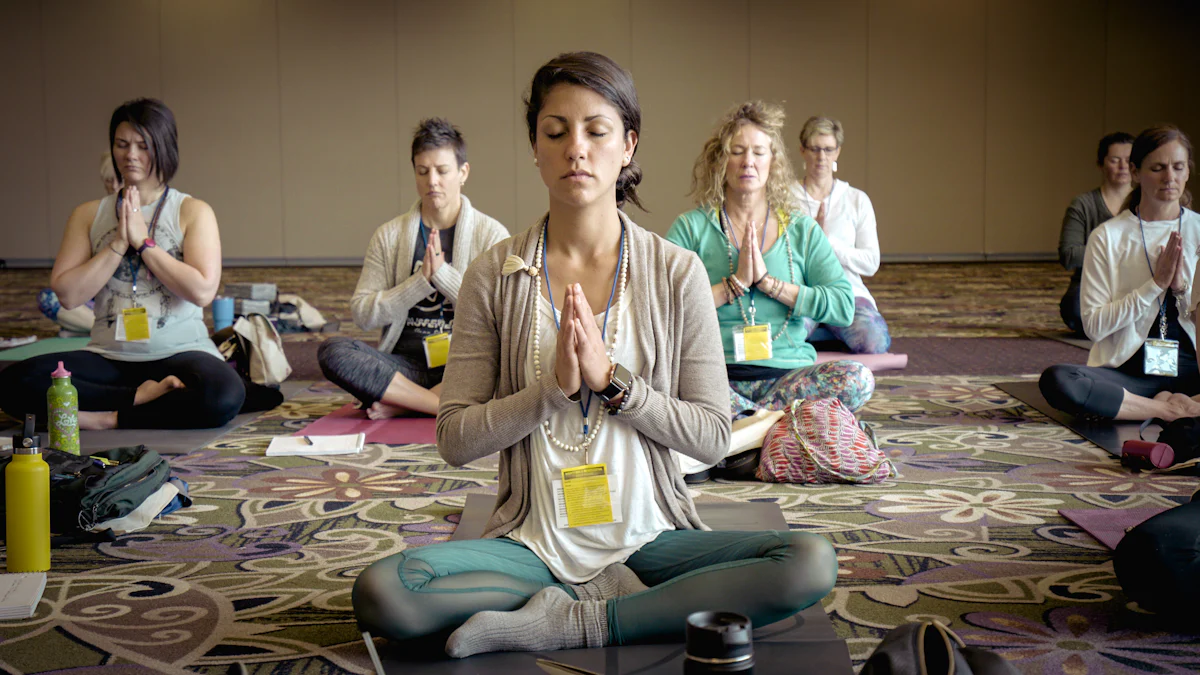
Definition and Origins
Yoga Nidra, often referred to as "yogic sleep," is a powerful technique that guides you into a state of deep relaxation while maintaining full consciousness. This practice has its roots in ancient Indian traditions, specifically the Sankhya philosophy, dating back to around 1000 BC. Over the centuries, it evolved through teachings like Advaita Vedanta and Tantric practices. You can trace its origins to ancient scriptures such as the Upanishads and the Mahabharata. In the 1960s, Swami Satyananda Saraswati of the Bihar School of Yoga restructured Yoga Nidra to meet the needs of modern society.
Historical Background
Yoga Nidra's journey began in the ancient world. The practice was first documented around 700 BC. It was further explored in the philosophies of Advaita Vedanta and Kashmir Shaivism. These teachings emphasized the importance of achieving a state of complete relaxation. In 1964, Swami Satyananda Saraswati introduced a structured form of Yoga Nidra. He adapted it to suit contemporary lifestyles, making it accessible to people worldwide.
Key Principles of Yoga Nidra
The core principles of Yoga Nidra focus on inducing complete physical, mental, and emotional relaxation. As you practice, you enter a state where your body rests deeply, yet your mind remains aware. This unique state allows you to explore your inner self and release stress. The practice involves guided meditation, visualization, and breath awareness. These elements work together to help you achieve a profound sense of peace and clarity.
Modern Practice
In today's fast-paced world, Yoga Nidra has gained popularity as a tool for wellness and self-care. Many people turn to this practice to find relief from stress and anxiety. Its simplicity and effectiveness make it a favorite among wellness enthusiasts.
Popularity in Contemporary Wellness
Yoga Nidra has become a staple in many wellness routines. You might find it offered in yoga studios, wellness centers, and even online platforms. Its appeal lies in its ability to provide deep relaxation without requiring physical exertion. People from all walks of life, including busy professionals and students, embrace Yoga Nidra for its calming effects.
Common Misconceptions
Despite its growing popularity, some misconceptions about Yoga Nidra persist. One common myth is that it's just a form of sleep. While it does promote relaxation, Yoga Nidra keeps you conscious and aware. Another misconception is that it's only for experienced yogis. In reality, anyone can practice Yoga Nidra, regardless of their experience level. It's a versatile practice that adapts to your needs, offering benefits whether you're a beginner or a seasoned practitioner.
Scientific Research on Yoga Nidra Benefits
Yoga Nidra has captured the attention of researchers worldwide. You might wonder how scientists study its effects. Let's explore the methodologies and findings that highlight the yoga nidra benefits.
Methodologies Used in Studies
Types of Research Designs
Researchers use various designs to study yoga nidra benefits. You often see randomized controlled trials (RCTs), which provide reliable results by comparing groups practicing yoga nidra with those who don't. Observational studies also play a role. They help identify patterns and outcomes in real-world settings. These designs ensure that findings are robust and applicable to everyday life.
Common Measurement Tools
To measure yoga nidra benefits, scientists use specific tools. Psychological assessments gauge changes in stress, anxiety, and depression levels. Physiological measurements, like heart rate and blood pressure, reveal physical health improvements. Sleep quality is often assessed using sleep diaries or actigraphy devices. These tools provide a comprehensive view of how yoga nidra impacts your well-being.
Key Findings on Yoga Nidra Benefits
Psychological Benefits
Yoga nidra offers significant psychological benefits. You can experience reduced stress and anxiety levels. Studies show that regular practice helps alleviate symptoms of depression. It promotes emotional self-regulation, allowing you to manage emotions more effectively. By practicing yoga nidra, you enhance your mental resilience and overall well-being.
Physiological Benefits
The physiological benefits of yoga nidra are equally impressive. You might notice improvements in sleep quality and duration. Research indicates that yoga nidra lowers heart rate and respiratory rate, promoting relaxation. It also activates the parasympathetic nervous system, which calms your body and supports restorative processes. These benefits contribute to better physical health and vitality.
Case Studies and Trials
Notable Studies
Several notable studies highlight yoga nidra benefits. One study found that yoga nidra effectively reduces insomnia and improves sleep quality. Another study demonstrated its positive impact on managing anxiety and depression. These findings underscore the potential of yoga nidra as a therapeutic tool for mental health.
Limitations and Challenges
Despite promising results, some challenges exist in yoga nidra research. You might encounter skepticism due to small sample sizes or short study durations. Researchers often face difficulties in standardizing yoga nidra practices across studies. Addressing these limitations will enhance the credibility and applicability of future research.
By understanding the scientific evidence, you gain insight into the profound yoga nidra benefits. This knowledge empowers you to incorporate this practice into your wellness routine confidently. As research continues, expect even more exciting discoveries about how yoga nidra can transform your life.
Discussion of Scientific Evidence
Interpretation of Results
Implications for Practitioners
Yoga Nidra offers a unique opportunity for you to explore your emotions in a safe and non-judgmental environment. This practice allows you to delve into your feelings without becoming overwhelmed. By regularly engaging in Yoga Nidra, you can experience holistic improvements in your health and vitality. It taps into your body's innate healing abilities, fostering balance and harmony. As a practitioner, you can use Yoga Nidra to manage stress, rejuvenate, and gain a deeper understanding of yourself. This practice promotes deep relaxation and self-realization, making it a valuable tool for personal growth.
Potential for Future Research
The potential for future research on Yoga Nidra is vast. Scientists can explore its therapeutic benefits further, examining how it impacts various health issues. By studying its effects on different populations, researchers can uncover new insights into its ability to promote relaxation, healing, and positive changes. Future studies could also investigate how Yoga Nidra opens deeper phases of the mind, alternating between subconscious and unconscious states. This exploration could lead to a better understanding of its role in enhancing mental and emotional well-being.
Critiques and Counterarguments
Skepticism in the Scientific Community
Despite the promising results, some skepticism exists within the scientific community. Critics often question the validity of studies due to small sample sizes or short durations. They may also express concerns about the standardization of Yoga Nidra practices across different studies. However, it's essential to recognize that Yoga Nidra provides a powerful space for relaxation and self-exploration. It goes deeper than hypnosis, allowing you to control your practice while the teacher offers guidance and principles.
Addressing Common Criticisms
To address these criticisms, researchers must focus on conducting more extensive and rigorous studies. By increasing sample sizes and study durations, they can provide more robust evidence of Yoga Nidra's benefits. Standardizing practices across studies will also enhance the credibility and applicability of research findings. As you explore Yoga Nidra, remember that its goal is inner stillness, stress management, and receptivity to personal resolutions. This practice empowers you to achieve complete physical, mental, and emotional relaxation, making it a valuable addition to your wellness routine.
Yoga Nidra offers a treasure trove of benefits backed by scientific evidence. You can experience reduced stress, anxiety, and insomnia through regular practice. This ancient technique not only enhances mental health but also supports physical well-being. Imagine improving your sleep quality and emotional balance while managing stress-related disorders. The potential impact on wellness and healthcare is immense. As you explore Yoga Nidra, consider its therapeutic benefits and how it can transform your life. Embrace this practice and encourage further research to unlock even more possibilities for personal growth and healing.
See Also
Exploring Yoga Vidya Niketan in Vashi
Best Yoga Institutes in Rishikesh for 2024

Hi my name is Lia and i am your host in this yoga journey in Portugal, Subscribe to our newsletter to receive every week the best of Yoga in Portugal.

We bring back the importance of initiation into womanhood by Roos-Veerle Krijnen & Ella-June Henrard
Welcome to the Women’s Initiation Retreat by Naked Truth Retreats, a transformative journey into the depths of your True Feminine Nature. This retreat invites you to remember the sacredness and wholeness of your being.
Roos-Veerle Krijnen & Ella-June Henrard