How to Safely Practice Yoga for Back Pain Relief


Yoga offers numerous benefits, enhancing both physical and mental well-being. You can improve flexibility, strength, and balance through regular practice. Back pain affects many people, disrupting daily life and causing discomfort. Practicing yoga for back injury can provide relief and promote healing. Safe practices are essential to prevent further harm. Yoga serves as a powerful tool for alleviating back pain, offering gentle stretches and strengthening exercises. By incorporating yoga into your routine, you can find a natural and effective solution for managing back discomfort.
Understanding Back Pain
Common Causes of Back Pain
Poor Posture
You might not realize it, but poor posture can lead to significant back pain. When you slouch or hunch over, your spine experiences unnecessary stress. This stress can cause discomfort and even long-term damage. Maintaining a straight and aligned posture helps distribute weight evenly across your spine, reducing the risk of pain.
Sedentary Lifestyle
A sedentary lifestyle often contributes to back pain. Sitting for extended periods weakens your muscles and reduces flexibility. This lack of movement can lead to stiffness and discomfort in your back. Incorporating regular physical activity into your routine helps keep your muscles strong and flexible, reducing the likelihood of pain.
Muscle Strain
Muscle strain is another common cause of back pain. You might strain your muscles by lifting heavy objects incorrectly or making sudden, awkward movements. This strain can lead to inflammation and pain. Practicing proper lifting techniques and engaging in exercises that strengthen your back muscles can help prevent muscle strain.
Impact of Back Pain on Daily Life
Physical Limitations
Back pain can impose physical limitations on your daily activities. Simple tasks like bending, lifting, or even walking may become challenging. This limitation can affect your ability to work, exercise, and enjoy leisure activities. Addressing back pain through safe practices like yoga can help restore your physical capabilities.
Emotional and Mental Health Effects
The impact of back pain extends beyond physical discomfort. It can also affect your emotional and mental well-being. Chronic pain often leads to frustration, anxiety, and even depression. Managing back pain effectively can improve your mood and overall mental health, allowing you to lead a more fulfilling life.
Benefits of Yoga for Back Pain
Physical Benefits
Improved Flexibility
Yoga enhances your flexibility, which is crucial for back pain relief. Regular practice stretches your muscles and increases your range of motion. You may notice that your body becomes more limber, making daily activities easier. Improved flexibility reduces tension in your back, helping to alleviate pain and prevent future injuries.
Strengthening Core Muscles
A strong core supports your spine and reduces the risk of back pain. Yoga poses target your abdominal and back muscles, building strength and stability. As you strengthen your core, you provide better support for your spine, which can lead to a decrease in back discomfort. A robust core also improves your posture, further protecting your back from strain.
Mental and Emotional Benefits
Stress Reduction
Yoga promotes relaxation and stress reduction. Stress often contributes to muscle tension, which can exacerbate back pain. Through mindful breathing and meditation, yoga helps you release stress and tension. You may find that your mind feels calmer, and your body responds with less pain. Reducing stress can lead to a more peaceful and pain-free life.
Enhanced Mind-Body Connection
Yoga fosters a strong mind-body connection. This awareness helps you understand how your body moves and reacts. By tuning into your body's signals, you can identify areas of tension and address them before they become painful. An enhanced mind-body connection empowers you to take control of your back health, leading to improved well-being and a greater sense of balance in your life.
Preparing for Yoga Practice
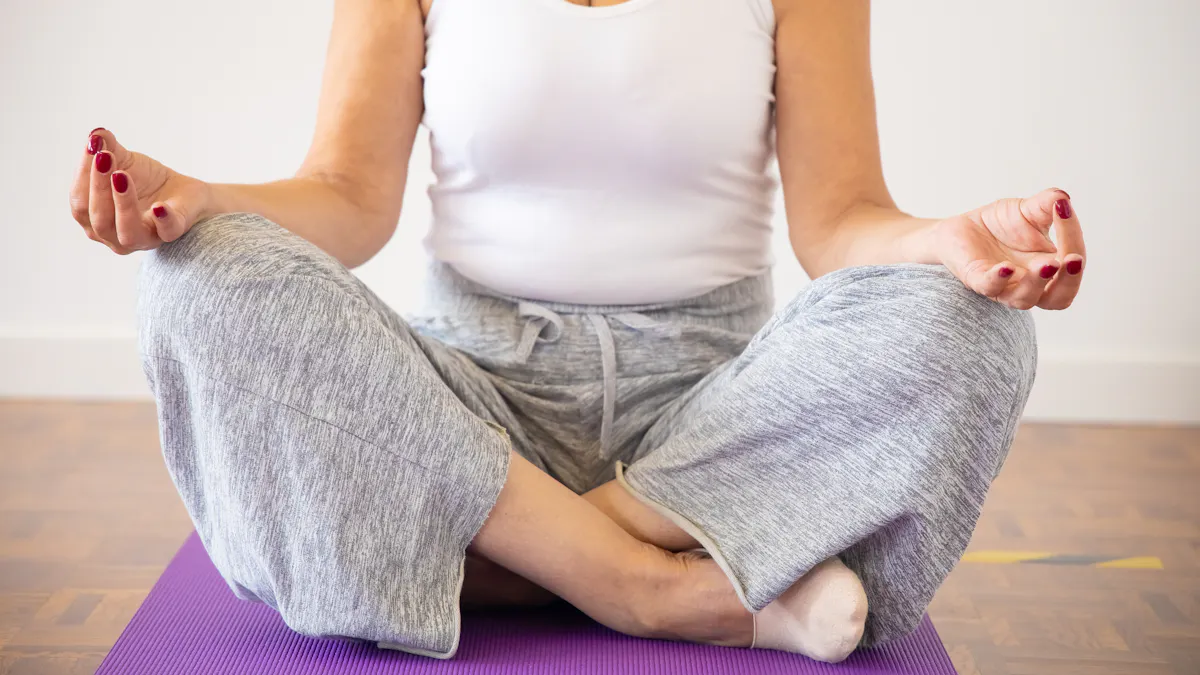
Safety Precautions
Consulting with a Healthcare Professional
Before you begin your yoga journey, consult with a healthcare professional. This step ensures that you understand any limitations or precautions specific to your condition. A doctor or physical therapist can provide valuable insights into which poses are safe for you. They can also help you avoid movements that might worsen your back pain. Prioritizing your health by seeking professional advice sets a strong foundation for a safe yoga practice.
Choosing the Right Yoga Style
Selecting the appropriate yoga style is crucial for back pain relief. Not all yoga styles suit everyone, especially if you have specific health concerns. Gentle styles like Hatha or Iyengar yoga focus on alignment and controlled movements. These styles often include modifications that cater to beginners or those with physical limitations. Research different styles and consider attending a beginner class to find what works best for you. The right style will support your healing journey and enhance your overall experience.
Essential Equipment
Yoga Mat
A quality yoga mat provides the necessary support and cushioning for your practice. It creates a stable surface, reducing the risk of slipping during poses. Look for a mat with adequate thickness to protect your joints and spine. A non-slip surface ensures that you maintain balance and stability throughout your session. Investing in a good yoga mat enhances your comfort and safety, allowing you to focus on your practice without distractions.
Comfortable Clothing
Wearing comfortable clothing is essential for an effective yoga practice. Choose attire that allows freedom of movement and doesn't restrict your range of motion. Breathable fabrics help regulate your body temperature, keeping you cool and comfortable. Avoid clothing with zippers or buttons that might dig into your skin during poses. Opt for stretchy materials that move with your body, ensuring that you can perform each pose with ease and confidence.
Yoga for Back Injury: Poses for Back Pain Relief

Yoga for back injury offers a gentle and effective way to alleviate discomfort. By practicing specific poses, you can target the muscles that support your spine and improve your overall back health. Here are some poses categorized by difficulty level to help you find relief.
Beginner Poses
Cat-Cow Stretch
The Cat-Cow Stretch is a simple yet powerful pose that helps increase flexibility in your spine. Start on your hands and knees, ensuring your wrists align with your shoulders and your knees align with your hips. Inhale as you arch your back, lifting your head and tailbone towards the ceiling (Cow Pose). Exhale as you round your back, tucking your chin to your chest and drawing your belly button towards your spine (Cat Pose). Repeat this sequence several times, moving slowly and mindfully. This stretch warms up your spine and releases tension, making it an excellent choice for yoga for back injury.
Child's Pose
Child's Pose provides a gentle stretch for your lower back and hips. Begin by kneeling on the floor, sitting back on your heels. Extend your arms forward and lower your torso between your thighs, resting your forehead on the mat. Breathe deeply and relax into the pose, allowing your back to release any tightness. This restorative pose calms your mind and body, making it a valuable addition to your yoga for back injury routine.
Intermediate Poses
Downward-Facing Dog
Downward-Facing Dog strengthens and stretches your entire back. Start on your hands and knees, then lift your hips towards the ceiling, forming an inverted V-shape with your body. Keep your hands shoulder-width apart and your feet hip-width apart. Press your heels towards the ground and lengthen your spine. This pose improves flexibility and builds strength, supporting your journey in yoga for back injury.
Bridge Pose
Bridge Pose targets your lower back and core muscles. Lie on your back with your knees bent and feet flat on the floor, hip-width apart. Place your arms by your sides, palms facing down. Press into your feet and lift your hips towards the ceiling, keeping your shoulders grounded. Hold the pose for a few breaths, then lower your hips back down. Bridge Pose strengthens your back and enhances stability, making it a beneficial part of yoga for back injury.
Advanced Poses
Triangle Pose
Triangle Pose stretches and strengthens your back, hips, and legs. Stand with your feet wide apart, turning your right foot out and your left foot slightly in. Extend your arms parallel to the floor, then reach your right hand towards your right foot, keeping your left arm extended upwards. Look up at your left hand and hold the pose for a few breaths. Repeat on the other side. This pose enhances balance and flexibility, contributing to effective yoga for back injury.
Pigeon Pose
Pigeon Pose provides a deep stretch for your hips and lower back. Begin in a tabletop position, then bring your right knee forward and place it behind your right wrist. Extend your left leg straight back, keeping your hips square. Lower your torso over your right leg, resting on your forearms or forehead. Breathe deeply and relax into the stretch. Pigeon Pose releases tension and improves mobility, making it a valuable pose in yoga for back injury.
Creating a Consistent Yoga Routine
Establishing a consistent yoga routine is key to experiencing the full benefits of yoga for back pain relief. By setting realistic goals and tracking your progress, you can create a sustainable practice that supports your back health.
Setting Realistic Goals
Setting achievable goals helps you stay motivated and committed to your yoga practice. Consider the following aspects when defining your goals:
Frequency of Practice
Determine how often you can realistically practice yoga each week. Consistency is more important than intensity. Aim for at least two to three sessions per week to start. As you become more comfortable, you can gradually increase the frequency. Regular practice helps reinforce the benefits of yoga, such as improved flexibility and reduced pain.
Duration of Sessions
Decide on the length of each yoga session. Beginners might start with 15 to 20 minutes per session. As you build endurance and confidence, you can extend the duration to 30 minutes or more. Shorter, more frequent sessions can be just as effective as longer ones. The key is to listen to your body and adjust the duration based on your comfort level and schedule.
Tracking Progress
Monitoring your progress keeps you engaged and aware of the improvements in your back health. Use these methods to track your journey:
Keeping a Yoga Journal
Maintain a yoga journal to document your practice. Record the poses you perform, the duration of each session, and any observations about your experience. Note how your body feels before and after practice. A journal helps you identify patterns and areas for improvement. It also serves as a motivational tool, reminding you of your dedication and growth.
Noting Improvements in Pain Levels
Pay attention to changes in your back pain levels over time. After each session, rate your pain on a scale from 1 to 10. Track these ratings in your journal to observe trends. You may notice a gradual decrease in pain intensity or frequency. Recognizing these improvements reinforces the positive impact of your yoga practice and encourages you to continue.
By creating a consistent yoga routine, you empower yourself to manage back pain effectively. Setting realistic goals and tracking your progress ensures that your practice remains sustainable and rewarding. Embrace the journey and celebrate the positive changes in your back health.
Practicing yoga offers numerous benefits for back pain relief. You can enhance flexibility, strengthen core muscles, and reduce stress. These improvements contribute to a healthier back and overall well-being. Begin your yoga journey with safety in mind. Consult healthcare professionals to tailor your practice to your needs. Explore resources like classes or online tutorials to deepen your understanding. Embrace yoga as a natural solution for managing back pain. Take the first step today and experience the positive changes yoga can bring to your life.
See Also
Starting Yoga Safely for Senior Citizens
Mastering Fundamental Yoga Poses for Novices
Beginning Chair Yoga Practice for Newbies

Hi my name is Lia and i am your host in this yoga journey in Portugal, Subscribe to our newsletter to receive every week the best of Yoga in Portugal.

We bring back the importance of initiation into womanhood by Roos-Veerle Krijnen & Ella-June Henrard
Welcome to the Women’s Initiation Retreat by Naked Truth Retreats, a transformative journey into the depths of your True Feminine Nature. This retreat invites you to remember the sacredness and wholeness of your being.
Roos-Veerle Krijnen & Ella-June Henrard