How to Safely Practice Prenatal Yoga Poses


Practicing prenatal yoga poses safely is essential for protecting both you and your baby. Your body undergoes incredible changes during pregnancy, and yoga can help you stay active while easing discomforts like back pain and stress. It’s a gentle way to connect with your growing baby and prepare your body for labor. Always remember to adapt poses as your pregnancy progresses and listen to what your body needs. This mindful approach ensures that you enjoy the benefits of yoga without compromising safety.
Key Takeaways
Consult your healthcare provider before starting prenatal yoga to ensure it's safe for your specific pregnancy.
Focus on gentle poses that adapt to your changing body throughout each trimester, prioritizing comfort and safety.
Use props like blocks and bolsters to modify poses, making them more accessible and comfortable as your pregnancy progresses.
Practice mindfulness and listen to your body; if a pose feels uncomfortable, adjust or skip it to avoid strain.
Join a prenatal yoga class for expert guidance and community support, enhancing your practice and confidence.
Create a consistent yoga routine that fits your energy levels, combining it with other healthy habits like hydration and balanced nutrition.
Embrace the emotional benefits of prenatal yoga, using it as a tool to connect with your baby and manage stress.
Benefits of Practicing Prenatal Yoga Poses

Prenatal yoga offers a wealth of benefits for both your body and mind. It’s more than just exercise—it’s a way to nurture yourself and prepare for the incredible journey of motherhood. Let’s explore how prenatal yoga can support you physically, emotionally, and during labor.
Physical Benefits
Prenatal yoga helps your body adapt to the changes of pregnancy. It improves flexibility, strengthens muscles, and enhances posture, which can reduce common discomforts like back pain and swelling. Gentle stretching and movement keep your body active without overexertion.
Practicing poses designed for pregnancy can also tone your pelvic muscles, which play a crucial role during childbirth. According to research, prenatal yoga helps maintain bone health and balance your body as your center of gravity shifts. It’s a safe way to stay in shape while preparing your body for labor.
Mental and Emotional Benefits
Pregnancy can bring emotional highs and lows, but prenatal yoga provides tools to help you manage them. Focused breathing and relaxation techniques reduce stress and anxiety, promoting a sense of calm. These practices can also improve your sleep quality, leaving you feeling more rested and refreshed.
Prenatal yoga encourages mindfulness, helping you connect with your baby and embrace the changes in your body. It creates a nurturing space where you can let go of fears and build confidence in your ability to handle childbirth. Studies show that yoga during pregnancy enhances emotional well-being and prepares you for the challenges of motherhood.
Preparation for Labor
One of the most valuable aspects of prenatal yoga is how it prepares you for labor. The poses and breathing techniques you practice can help you stay calm and focused during contractions. Strengthening your pelvic muscles and improving flexibility can make labor more manageable and reduce the risk of complications.
Prenatal yoga also teaches you to listen to your body, an essential skill for childbirth. By practicing mindfulness, you’ll feel more in tune with your needs and better equipped to handle the physical and emotional demands of labor. Research even suggests that prenatal yoga can improve birth outcomes, including reducing labor pain and increasing your baby’s birth weight.
General Safety Guidelines for Prenatal Yoga Poses
Practicing prenatal yoga poses safely ensures you and your baby stay protected while enjoying the benefits of yoga. Following these guidelines will help you create a safe and supportive practice.
Consult Your Healthcare Provider
Before starting prenatal yoga, talk to your healthcare provider. They understand your medical history and can advise you on whether yoga is suitable for your pregnancy. If you have conditions like high blood pressure, a history of preterm labor, or placenta previa, your doctor might recommend avoiding certain activities.
Certified Prenatal Yoga Instructors at Motherhood Center emphasize, "Our experienced and certified prenatal yoga instructors provide expert guidance and support, creating a nurturing environment for expectant mothers to practice yoga and connect with their bodies and growing babies."
This professional insight highlights the importance of seeking expert advice when practicing yoga during pregnancy. A quick consultation with your doctor or a certified instructor can give you peace of mind and ensure your safety.
Avoid Certain Poses
Not all yoga poses are safe during pregnancy. Some can strain your abdomen or put unnecessary pressure on your uterus. Avoid poses that involve lying on your stomach, deep twists, or intense backbends. For example, poses like Cobra or Swan Pose should be skipped. These positions can compress your belly and cause discomfort.
Inversions, such as headstands, may also pose risks, especially as your center of gravity shifts. Balancing poses can become tricky, so it’s best to modify or avoid them unless you have support. Always prioritize comfort and choose poses that feel natural for your body.
Use Props and Modifications
Props can make prenatal yoga more comfortable and accessible. Blocks, bolsters, and straps help you adapt poses to suit your changing body. For instance, using a block in a seated forward bend can reduce strain on your lower back. A bolster under your knees during relaxation poses provides extra support.
As your pregnancy progresses, modifications become essential. Instead of lying flat on your back, try reclining poses with a bolster to keep your upper body elevated. This adjustment prevents pressure on your vena cava, a major vein that supplies blood to your heart. Props and modifications allow you to practice safely while staying connected to your body.
Practice in a Safe Environment
Creating a safe environment for your prenatal yoga practice is essential for your well-being and peace of mind. A supportive space allows you to focus on your movements, connect with your body, and enjoy the benefits of yoga without distractions or risks.
Start by choosing a quiet, clutter-free area where you feel comfortable. Make sure the floor is stable and non-slippery to prevent accidents. A yoga mat with good grip can provide extra stability. If you're practicing at home, keep props like blocks, bolsters, and straps within reach to modify poses as needed.
Lighting and temperature also play a role in creating a safe atmosphere. Opt for soft lighting that promotes relaxation. Avoid practicing in spaces that are too hot or cold, as extreme temperatures can affect your comfort and energy levels. A well-ventilated room helps you stay refreshed throughout your session.
If you're attending a prenatal yoga class, look for one led by a certified instructor. Certified Prenatal Yoga Instructors at Motherhood Center emphasize the importance of expert guidance, saying:
"Our experienced and certified prenatal yoga instructors provide expert guidance and support, creating a nurturing environment for expectant mothers to practice yoga and connect with their bodies and growing babies."
This nurturing environment ensures you receive personalized attention and modifications tailored to your needs. Practicing in a group setting can also foster a sense of community, helping you connect with other expectant mothers.
Lastly, always listen to your instincts. If something feels off or uncomfortable, pause and reassess. Your safety and comfort should always come first. By creating a secure and calming space, you can fully embrace the benefits of prenatal yoga while protecting yourself and your baby.
Safe Prenatal Yoga Poses for Each Trimester
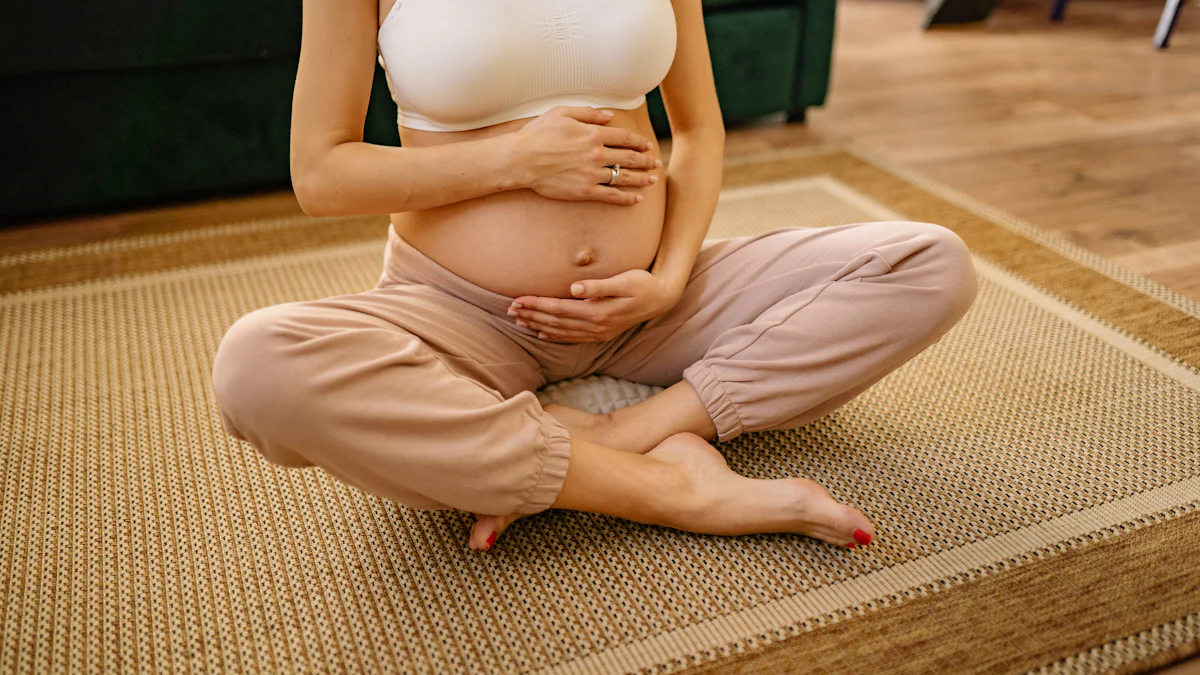
Prenatal yoga adapts to your body’s needs as you move through each trimester. By practicing the right poses for your stage of pregnancy, you can stay active, ease discomfort, and prepare for labor. Let’s explore safe and effective prenatal yoga poses for each trimester.
First Trimester
During the first trimester, your body begins adjusting to pregnancy. Energy levels may fluctuate, and you might experience nausea or fatigue. Gentle yoga poses can help you relax and build a foundation for the months ahead.
Here are some safe poses to try:
Cat-Cow Pose: This pose gently stretches your back and improves spinal flexibility. It also helps relieve tension in your lower back.
Child’s Pose: A restful pose that calms your mind and stretches your hips, thighs, and back.
Seated Forward Bend (with modifications): Use a bolster or block to avoid compressing your abdomen while stretching your hamstrings and lower back.
Focus on slow, steady breathing to calm your nervous system. Avoid deep twists or poses that require lying on your stomach. This is the time to listen to your body and prioritize comfort.
Second Trimester
The second trimester often brings renewed energy and a growing belly. Your center of gravity shifts, so balance becomes more important. Yoga during this stage can help you maintain strength and flexibility while supporting your changing body.
Consider these poses:
Warrior II: Strengthens your legs and opens your hips, helping you build stamina for labor.
Triangle Pose (with a block): Stretches your sides and improves balance. Use a block for support to avoid overextending.
Bound Angle Pose: Opens your hips and stretches your inner thighs, promoting flexibility in the pelvic area.
Props like blocks and straps can make poses more accessible. Avoid lying flat on your back, as this can put pressure on your vena cava. Instead, use a bolster to elevate your upper body during reclining poses.
Third Trimester
In the third trimester, your baby’s growth accelerates, and your body prepares for labor. Yoga can help you manage discomfort, improve circulation, and stay connected to your breath. Focus on poses that create space in your body and promote relaxation.
Try these poses:
Wide-Legged Forward Fold (with support): Relieves tension in your lower back and stretches your legs. Use a chair or block for added stability.
Squat Pose (Malasana): Opens your hips and strengthens your pelvic floor. Hold onto a wall or chair for balance.
Side-Lying Savasana: A restorative pose that allows you to relax completely. Lie on your side with a bolster or pillow for support.
Avoid poses that strain your abdomen or require intense balance. Gentle movements and mindful breathing will help you stay comfortable and prepare for childbirth.
Tips for Listening to Your Body During Prenatal Yoga
Listening to your body is one of the most important aspects of practicing prenatal yoga. Your body constantly changes during pregnancy, and staying attuned to its signals ensures a safe and enjoyable yoga experience. Here’s how you can stay mindful and adapt your practice effectively.
Recognize Signs of Overexertion
Overexertion can happen when you push your body beyond its limits. During prenatal yoga, it’s essential to recognize when your body needs rest. Pay attention to signs like dizziness, shortness of breath, or muscle strain. If you feel any discomfort or pain, stop immediately and take a break.
Research from Aura Wellness Center highlights that yoga during pregnancy improves blood flow and reduces stress, but overdoing it can lead to fatigue or strain. Practicing within your comfort zone ensures you reap the benefits without risking injury.
Keep your movements gentle and controlled. Avoid holding poses for too long, especially if they feel uncomfortable. Remember, prenatal yoga isn’t about achieving perfection—it’s about nurturing your body and baby.
Focus on Breath and Comfort
Breathing is a cornerstone of prenatal yoga. Deep, steady breaths help you stay calm and centered while supporting your body’s oxygen needs. Focus on inhaling deeply through your nose and exhaling slowly. This practice not only relaxes your mind but also helps you connect with your baby.
Comfort should always guide your practice. Use props like bolsters or blocks to support your body in poses. For example, if a seated pose feels tight, place a cushion under your hips to ease tension. Adjusting your position to prioritize comfort allows you to fully enjoy the benefits of each pose.
According to Health Shots, prenatal yoga encourages focused breathing and mental centering, which promote a healthy mind and body. These techniques can also prepare you for labor by teaching you how to manage contractions with calmness and control.
Adjust as Pregnancy Progresses
Your body’s needs will change as your pregnancy advances. What feels good in the first trimester might not work in the third. Adapting your practice ensures you stay safe and comfortable throughout all stages of pregnancy.
In the first trimester, focus on gentle poses that build a foundation for your practice. As your belly grows in the second trimester, incorporate poses that improve balance and flexibility. By the third trimester, prioritize relaxation and poses that create space in your body, like side-lying positions or supported squats.
Studies from PMC emphasize that prenatal yoga is safe and beneficial when adapted to each stage of pregnancy. Adjusting your poses as your body changes helps you maintain strength and flexibility while reducing stress and anxiety.
Always listen to your instincts. If a pose feels too intense or awkward, modify it or skip it altogether. Your comfort and safety should always come first.
When to Seek Professional Guidance for Prenatal Yoga Poses
Prenatal yoga can be a wonderful way to stay active and prepare for childbirth, but there are times when seeking professional guidance becomes essential. Whether you're new to yoga or navigating specific challenges during pregnancy, working with an expert ensures you practice safely and effectively.
Benefits of Prenatal Yoga Classes
Joining a prenatal yoga class offers more than just a guided workout. It provides a supportive environment tailored to your unique needs as an expectant mother. Certified instructors design these classes to accommodate your changing body while prioritizing safety and comfort.
Here’s why prenatal yoga classes can be so beneficial:
Expert Guidance: Certified instructors understand the physical and emotional changes of pregnancy. They help you modify poses, ensuring you avoid any that could strain your body or harm your baby.
Personalized Adjustments: Instructors observe your form and suggest adjustments to improve your posture and alignment. This reduces the risk of injury and enhances the effectiveness of each pose.
Community Support: Prenatal yoga classes connect you with other expectant mothers. Sharing experiences and building friendships can ease feelings of isolation and create a sense of belonging.
Stress Relief: Classes often include breathing exercises and relaxation techniques. These practices help you manage stress and prepare mentally for labor.
Midwives and obstetricians often recommend prenatal yoga as one of the best exercises during pregnancy. They highlight its ability to reduce discomfort and boost confidence in handling labor.
Attending a class also gives you access to a structured routine. This consistency helps you stay committed to your practice, which can improve your overall well-being throughout pregnancy.
Signs You Should Consult a Professional
While many women can safely practice prenatal yoga at home, certain situations call for professional guidance. Knowing when to seek help ensures you and your baby remain safe.
Here are some signs you should consult a professional:
You’re New to Yoga
If you’ve never practiced yoga before, starting with a professional is a smart choice. They’ll teach you the basics and help you build a strong foundation. This prevents you from unknowingly performing poses incorrectly or unsafely.You Have a High-Risk Pregnancy
Conditions like high blood pressure, placenta previa, or a history of preterm labor require extra caution. A professional can guide you through safe modifications or recommend alternative exercises.You Experience Pain or Discomfort
If certain poses cause pain or discomfort, stop immediately and consult an expert. They can identify the issue and suggest adjustments to make your practice more comfortable.You’re Unsure About Modifications
As your pregnancy progresses, your body’s needs change. If you’re unsure how to adapt poses for your growing belly or shifting balance, a professional can provide clarity and support.You Want to Prepare for Labor
Professionals often incorporate poses and breathing techniques specifically designed to prepare you for childbirth. These practices can improve your confidence and self-efficacy during labor.
A study by Sun et al. found that women who practiced yoga during pregnancy reported less discomfort and greater confidence in managing labor compared to those who didn’t. This highlights the value of expert-led prenatal yoga in preparing for childbirth.
Seeking professional guidance doesn’t mean you can’t practice on your own. It simply ensures you have the tools and knowledge to do so safely. Whether you attend a class or schedule a one-on-one session, working with an expert can enhance your prenatal yoga experience and give you peace of mind.
Additional Self-Care Tips for Practicing Prenatal Yoga Poses
Create a Routine
Establishing a consistent yoga routine can help you stay committed and reap the full benefits of prenatal yoga. A regular schedule allows your body and mind to adapt to the practice, making it easier to manage the physical and emotional changes of pregnancy.
Start by choosing a time of day when you feel most energized. For some, mornings work best, while others may prefer evenings to unwind. Aim for short, manageable sessions—15 to 30 minutes daily or a few times a week. Consistency matters more than duration.
To make your routine enjoyable, create a calming space for your practice. Use a yoga mat, soft lighting, and soothing music to set the mood. Keep props like blocks and bolsters nearby for added comfort. If you're new to yoga, consider following a guided video or joining a prenatal yoga class led by a certified instructor.
Motherhood Center, a leader in prenatal yoga, emphasizes, "Certified instructors provide expert guidance, ensuring expectant mothers practice safely and confidently."
Remember, flexibility in your routine is key. Some days, you might feel more energetic and ready for active poses. Other days, you may need restorative stretches or simply focus on breathing exercises. Listen to your body and adjust your practice accordingly.
Combine Yoga with Other Healthy Habits
Prenatal yoga works best when paired with other healthy habits. Together, they create a holistic approach to your well-being during pregnancy. Incorporating these habits can enhance your energy levels, reduce stress, and support your baby's development.
Stay Hydrated
Drink plenty of water before and after your yoga sessions. Staying hydrated helps maintain your energy and prevents muscle cramps. Keep a water bottle nearby during your practice.Eat Balanced Meals
Nourish your body with nutrient-rich foods. Include fruits, vegetables, whole grains, and lean proteins in your diet. Proper nutrition fuels your yoga practice and supports your growing baby.Get Enough Rest
Prioritize sleep and relaxation. Yoga can improve your sleep quality, but make sure you're also giving your body enough time to rest and recover.Practice Mindfulness
Use yoga as an opportunity to connect with your baby. Focus on your breath and visualize positive energy flowing to your little one. This practice fosters a deeper bond and reduces stress.Consult Your Healthcare Provider
Before starting any new exercise or dietary changes, check with your doctor. According to Mayo Clinic, "Before you begin a prenatal yoga program, make sure you have your health care provider's OK." This ensures your routine aligns with your unique needs.
Combining yoga with these habits creates a balanced lifestyle that supports both you and your baby. Small, consistent efforts can make a big difference in how you feel throughout your pregnancy.
Prenatal yoga offers countless benefits, from easing physical discomfort to nurturing emotional well-being. By practicing safely and adapting poses for each trimester, you can support your body and mind throughout pregnancy. Always listen to your body’s signals and seek professional guidance when needed.
Embrace this transformative journey with mindfulness and care. Yoga not only prepares you for labor but also strengthens the bond with your baby. Stay active, stay present, and cherish every moment of this incredible experience. You’ve got this—your journey into motherhood is as beautiful as you make it.
See Also
Essential Tips for Practicing Slow Flow Yoga
Effective Yoga Poses for Daily Belly Fat Loss
Your Comprehensive Guide to Practicing Yoga at Home

Hi my name is Lia and i am your host in this yoga journey in Portugal, Subscribe to our newsletter to receive every week the best of Yoga in Portugal.

We bring back the importance of initiation into womanhood by Roos-Veerle Krijnen & Ella-June Henrard
Welcome to the Women’s Initiation Retreat by Naked Truth Retreats, a transformative journey into the depths of your True Feminine Nature. This retreat invites you to remember the sacredness and wholeness of your being.
Roos-Veerle Krijnen & Ella-June Henrard