How to Safely Perform Partner Yoga Stretches Together

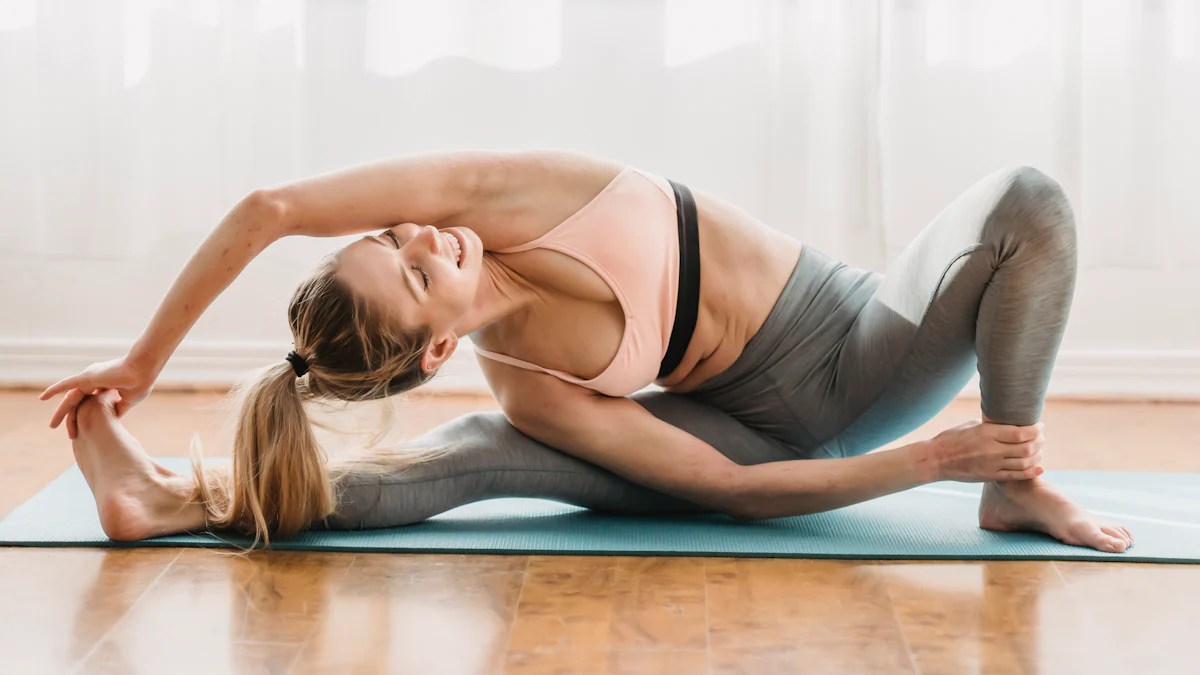
Safety plays a crucial role in partner yoga. You want to ensure both you and your partner feel comfortable and secure during your practice. Partner yoga stretches offer numerous benefits, such as enhancing flexibility, building trust, and deepening connections. By following key safety practices, you can create a positive experience that fosters communication and mutual support. Remember, the goal is to enjoy the journey together while respecting each other's limits.
Key Takeaways
Prioritize safety by choosing a spacious, comfortable area with a soft, non-slip surface for your partner yoga practice.
Always warm up before starting your stretches to prevent injuries and prepare your muscles for movement.
Establish clear communication with your partner using both verbal cues and non-verbal signals to enhance your practice.
Respect each other's limits by discussing flexibility and strength openly, and adjust poses as needed to ensure comfort.
Utilize props like blocks and straps to enhance stability and support during your partner yoga stretches.
Take time to cool down after your practice to relax your muscles and promote recovery.
Celebrate your progress together and set future goals to keep your partner yoga practice engaging and rewarding.
Preparing for Partner Yoga
Choosing the Right Space
Considerations for space layout and environment
You need a comfortable and spacious area for your partner yoga practice. Look for a spot that allows both of you to move freely without bumping into furniture or walls. A quiet environment helps you focus on your stretches and enhances your connection. Natural light can also create a calming atmosphere, making your practice more enjoyable.
Surface type for optimal safety
The surface you choose matters. A soft, non-slip mat provides the best support. Avoid practicing on hard surfaces like tile or concrete, as they can increase the risk of injury. If you don’t have yoga mats, consider using blankets or towels to cushion your bodies. This extra layer can help prevent slips and falls during your partner yoga stretches.
Warm-Up Exercises
Suggested warm-up routines to prevent injury
Warming up is essential before diving into partner yoga. Start with gentle movements to loosen your joints and muscles. Here are some effective warm-up exercises:
Neck Rolls: Gently roll your head in circles to release tension.
Shoulder Shrugs: Lift your shoulders towards your ears and then relax them down.
Wrist Rotations: Rotate your wrists to prepare them for supporting poses.
Hip Circles: Stand and make circles with your hips to loosen up.
These simple exercises help pump nutrient-rich blood to your muscles, reducing the risk of injury. Studies show that warming up improves athletic performance and aids recovery.
Importance of warming up before partner yoga stretches
Skipping the warm-up can lead to injuries. Cold muscles are less flexible and more prone to strains. A proper warm-up prepares your body for the movements ahead. It increases your heart rate and breathing, ensuring your muscles are ready for action. Remember, a few minutes of warming up can make a big difference in your practice.
Establishing Communication
Verbal cues to enhance understanding
Clear communication is vital during partner yoga. Use verbal cues to guide each other through poses. Phrases like “slow down” or “let’s hold this stretch” can help you stay in sync. Discuss your comfort levels and any adjustments needed. This open dialogue fosters trust and ensures both partners feel secure.
Non-verbal signals for seamless practice
Non-verbal communication also plays a key role. Establish signals like a gentle squeeze or tap to indicate when to adjust or pause. These cues allow you to maintain the flow of your practice without breaking concentration. Being aware of each other’s body language enhances your connection and makes the experience more enjoyable.
Safety Tips for Partner Yoga
Understanding Each Other's Limits
Discussing flexibility and strength openly
Before you start your partner yoga stretches, have an honest conversation about your flexibility and strength. Talk about what feels comfortable and what doesn’t. This discussion helps both of you understand each other’s limits. Respecting these limits is crucial. It prevents discomfort and reduces the risk of injury. Remember, every body is different. What works for one person may not work for another.
Recognizing discomfort and adjusting accordingly
During your practice, pay attention to how you and your partner feel. If either of you experiences discomfort, communicate that immediately. Adjust your positions or take a break if needed. A study from Asivanayoga.com emphasizes the importance of respecting each other's physical limits. This respect fosters a safer and more enjoyable experience for both partners.
Maintaining Proper Alignment
Key alignment points to focus on during poses
Proper alignment is essential in partner yoga. Focus on key points like your spine, hips, and shoulders. Ensure that both of you maintain a straight back and aligned joints. This alignment helps prevent strain and enhances the effectiveness of your stretches. When you align correctly, you also support each other better in the poses.
Adjustments for safety to prevent strain
If you notice your partner struggling with a pose, offer gentle adjustments. Use your hands to guide them into a safer position. Always encourage them to listen to their body. A little help can go a long way in ensuring safety. Remember, the goal is to support each other while enjoying the benefits of partner yoga.
Using Props for Support
Types of props like blocks and straps for stability
Props can make a significant difference in your partner yoga practice. Use blocks, straps, or blankets to enhance stability and support. These tools help you achieve better alignment and deepen your stretches. They also provide extra cushioning, which can be especially helpful for beginners.
How to use props effectively during partner yoga stretches
When using props, communicate with your partner about how to incorporate them. For example, you might place a block under your partner's hand in a pose to help them reach the ground comfortably. Straps can assist in holding stretches longer without straining. By using props effectively, you create a safer environment for your partner yoga stretches.
Partner Yoga Stretches to Try
Seated Forward Bend
Step-by-step instructions for execution
Sit facing each other with your legs extended straight in front.
Inhale and raise your arms overhead, lengthening your spine.
Exhale as you both hinge at the hips, reaching forward toward each other.
Hold onto each other’s wrists or forearms for support.
Breathe deeply and hold the stretch for several breaths.
Safety considerations to keep in mind
Keep your backs straight as you lean forward. Avoid rounding your spine, which can lead to strain. If you feel any discomfort, ease back slightly. Communicate with your partner about how deep you can go. Remember, this stretch should feel good, not painful.
Double Downward Dog
Step-by-step instructions for execution
Start in a downward dog position, with one partner in front and the other behind.
The partner in front places their hands on the mat, feet hip-width apart.
The partner behind places their hands on the lower back of the front partner.
Both partners press into the ground, lifting their hips towards the ceiling.
Hold the pose for several breaths, feeling the stretch in your hamstrings and shoulders.
Safety considerations to keep in mind
Ensure both partners maintain proper alignment. The front partner should keep their head between their arms, while the back partner should avoid pushing too hard. If either partner feels strain, take a break or adjust your positions. Always listen to your bodies.
Partner Tree Pose
Step-by-step instructions for execution
Stand side by side, with your inside arms around each other’s waist for support.
Shift your weight onto your outside leg.
Bend your inside knee and place your foot on your inner thigh or calf (avoid the knee).
Raise your outside arm overhead, reaching toward the sky.
Hold the pose for several breaths, then switch sides.
Safety considerations to keep in mind
Focus on balance and stability. If you feel wobbly, lower your raised foot or hold onto your partner more firmly. Communicate if you need to adjust your stance. This pose builds trust and connection, so enjoy the moment together.
Partner yoga stretches like these not only enhance flexibility but also strengthen your bond. They encourage communication and trust, making your practice more enjoyable.
Supported Backbend
Step-by-step instructions for execution
Sit back-to-back with your partner, ensuring you both feel comfortable.
Press your backs together for support. Keep your feet flat on the ground.
Inhale deeply and raise your arms overhead, lengthening your spine.
As you exhale, gently lean back into your partner, allowing them to support your weight.
Hold this position for several breaths, feeling the stretch in your chest and shoulders.
To come out of the pose, slowly return to an upright position, taking care not to rush.
Safety considerations to keep in mind
While performing the supported backbend, focus on maintaining a gentle connection with your partner. Communicate openly about how much pressure feels comfortable. If either of you feels any strain, ease back slightly.
Always keep your neck aligned with your spine. Avoid letting your head drop too far back, as this can lead to discomfort. Remember, the goal is to enjoy the stretch, not to push your limits.
Using this pose can enhance your flexibility and strength over time. Studies show that partner yoga stretches help partners explore deeper stretches together. This exploration builds trust and support in your relationship. So, take your time and enjoy the process!
After the Practice
Cool Down Stretches
Suggested cool down routines to relax muscles
Cooling down after your partner yoga stretches helps your body transition back to a resting state. It allows your muscles to relax and recover. Here are some effective cool down routines you can try:
Gentle Forward Fold: Stand with your feet hip-width apart. Inhale, raise your arms overhead, and exhale as you fold forward, letting your arms hang. Hold for several breaths.
Child’s Pose: Kneel on the mat, sit back on your heels, and stretch your arms forward on the ground. Breathe deeply and feel the stretch in your back.
Seated Twist: Sit cross-legged and place your right hand on your left knee. Inhale, lengthen your spine, and exhale as you twist to the left. Hold for a few breaths, then switch sides.
These stretches help release tension and promote relaxation. They also stimulate the release of feel-good hormones like dopamine and serotonin, which can uplift your mood and reduce stress.
Importance of cooling down after partner yoga stretches
Cooling down is just as important as warming up. It helps prevent muscle soreness and stiffness. When you take time to cool down, you allow your heart rate to gradually return to normal. This practice enhances recovery and prepares your body for future sessions. Remember, a few minutes of gentle stretching can make a big difference in how you feel afterward.
Reflecting on the Experience
Discussing what worked well during the practice
After your partner yoga session, take a moment to reflect together. Discuss what stretches felt good and which ones you enjoyed the most. Sharing your thoughts helps reinforce positive experiences. It also strengthens your connection with your partner. You might say, “I loved the Partner Tree Pose! It felt great to balance together.”
Identifying areas for improvement for future sessions
While reflecting, consider areas for improvement. Talk about any stretches that felt challenging or uncomfortable. Ask each other how you can adjust your practice next time. Maybe you need to focus more on communication or choose different poses. This open dialogue fosters growth and enhances your partner yoga experience.
By taking the time to cool down and reflect, you create a more enjoyable and effective practice. You build trust and understanding, making each session better than the last.
Encouraging a Positive Experience
Celebrating Progress
Recognizing achievements in partner yoga
After each session, take a moment to celebrate your progress. Acknowledge the small victories, whether you held a pose longer or felt more connected with your partner. Recognizing these achievements boosts your confidence and motivates you to continue. You might say, “Wow, we really nailed that Double Downward Dog today!” This positive reinforcement strengthens your bond and makes the practice more enjoyable.
Setting future goals for continued growth
Setting goals keeps your practice fresh and exciting. Discuss what you want to achieve together. Maybe you want to try more challenging poses or improve your flexibility. Write down your goals and revisit them regularly. This practice helps you stay focused and accountable. Remember, growth takes time, so be patient with yourselves. Celebrate every step forward, no matter how small.
Building Trust and Connection
Importance of trust in partner yoga practice
Trust forms the foundation of partner yoga. You rely on each other for support and safety. When you trust your partner, you feel more comfortable exploring new stretches. This trust enhances your connection and allows you to push your limits together. Always communicate openly about your feelings and comfort levels. This openness fosters a safe environment where both of you can thrive.
Ways to strengthen connection with your partner
Strengthening your connection goes beyond physical poses. Engage in conversations about your experiences and feelings during practice. Share what you enjoy and what challenges you face. Consider incorporating mindfulness techniques, like synchronized breathing, into your sessions. This practice deepens your bond and enhances relaxation. You might also try fun activities outside of yoga, like cooking together or going for walks. These shared experiences build trust and create lasting memories.
By focusing on celebrating progress and building trust, you create a positive atmosphere for your partner yoga stretches. Enjoy the journey together, and remember that every practice brings you closer.
In summary, prioritize safety during your partner yoga stretches. Always communicate openly with your partner about comfort levels and limits. Regular practice not only improves your skills but also strengthens your bond. Remember, trust and connection are vital for a fulfilling experience. Embrace the journey together, and enjoy the benefits that come from practicing partner yoga.
FAQ
What should I wear for partner yoga?
Choose comfortable, stretchy clothing that allows you to move freely. Look for materials that wick away sweat. Avoid anything too loose that might get in the way during poses.
How do I know if a stretch is too much?
Pay attention to your body. If you feel sharp pain or discomfort, ease back. Communicate with your partner. Let them know if you need to adjust or take a break.
Can beginners practice partner yoga?
Absolutely! Partner yoga welcomes beginners. Start with simple poses and focus on communication. As you gain confidence, you can explore more challenging stretches together.
How can we improve our communication during practice?
Establish clear verbal cues and non-verbal signals. Use phrases like “slow down” or “let’s hold this.” Agree on signals like a gentle squeeze to indicate when to adjust.
What if my partner and I have different flexibility levels?
That’s okay! Discuss your individual limits openly. Adjust poses to accommodate each other. Use props for support to help both partners feel comfortable.
How often should we practice partner yoga?
Aim for at least once a week. Regular practice helps improve flexibility and strengthens your bond. Find a schedule that works for both of you.
Can we do partner yoga at home?
Yes! You can easily practice partner yoga at home. Just find a quiet space with enough room to move. Use mats or blankets for comfort and safety.
What if we feel uncomfortable during a pose?
If you feel uncomfortable, communicate that immediately. Adjust your position or take a break. Always prioritize comfort and safety over pushing through a stretch.
Are there any specific props we should use?
Consider using blocks, straps, or blankets. These props provide extra support and stability. They help you achieve better alignment and deepen your stretches.
How can we make our partner yoga sessions more enjoyable?
Incorporate fun elements like music or themed practices. Celebrate your progress after each session. Keep the atmosphere light and supportive to enhance your experience.
See Also
Tips for Perfecting Simple Yoga Poses for Couples
Essential Techniques for Partner Yoga Poses
Safe Yoga Practices for Easing Back Pain

Hi my name is Lia and i am your host in this yoga journey in Portugal, Subscribe to our newsletter to receive every week the best of Yoga in Portugal.

We bring back the importance of initiation into womanhood by Roos-Veerle Krijnen & Ella-June Henrard
Welcome to the Women’s Initiation Retreat by Naked Truth Retreats, a transformative journey into the depths of your True Feminine Nature. This retreat invites you to remember the sacredness and wholeness of your being.
Roos-Veerle Krijnen & Ella-June Henrard